Coyotes and Predators in Louisiana
When you spend time outdoors in Louisiana, whether you're chasing deer, calling turkeys, or just enjoying the wild, you quickly realize that you're not alone. Our swamps, piney woods, and coastal marshes are teeming with life, and a significant part of that ecosystem involves predators. For many hunters and landowners, these animals represent a challenge, a threat to game populations, or even a nuisance. This comprehensive guide will pull back the curtain on the various predators that roam Louisiana, helping you understand their behavior, ecological roles, and how they interact with the landscape we all cherish.
Understanding Louisiana's Predator Landscape
Louisiana's diverse habitats support a surprisingly rich tapestry of predatory animals. From the top-tier hunters to the smaller, more opportunistic feeders, each plays a unique role in shaping the health and balance of our natural world. It’s not just about what they eat; it's about how their presence influences everything from deer fawn survival to the spread of disease.
A Diverse Cast of Characters
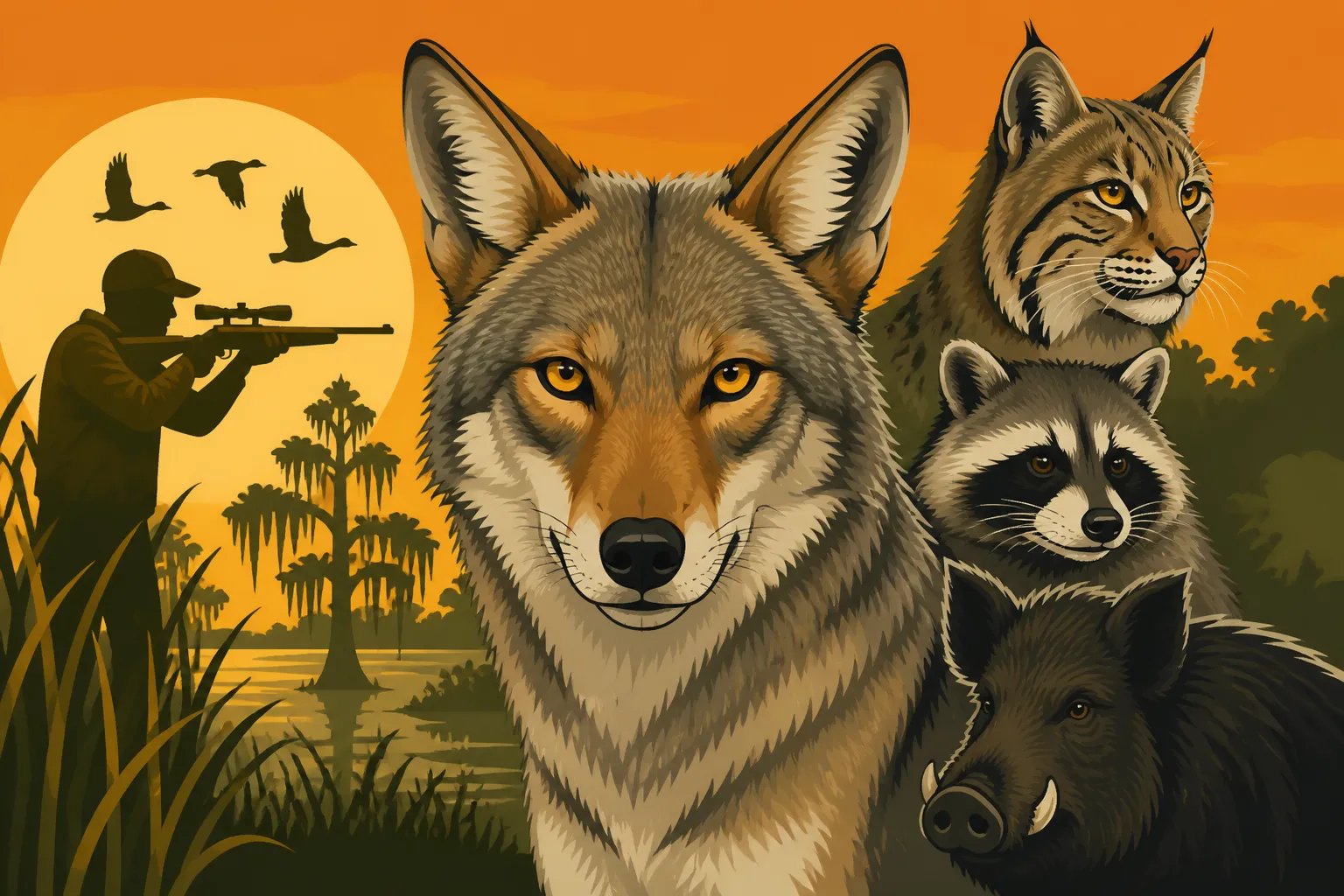
When we talk about "predators" in Louisiana, most people immediately think of coyotes. And for good reason – they are perhaps the most widespread and impactful. But our state is also home to other significant carnivores like the bobcat, various fox species, and even less commonly seen animals that fulfill a predatory niche. Depending on where you are in the state, from the northern pine hills to the deep Atchafalaya Basin, the mix of predators you encounter can vary significantly. Understanding each species' habits and preferred habitat is the first step to truly appreciating their role.
Why Predators Matter to Hunters and Landowners
For those invested in managing wildlife, particularly deer and turkey populations, understanding predators is absolutely crucial. Predators, especially coyotes, can exert pressure on game species, particularly during vulnerable periods like fawning and nesting seasons. Landowners and hunters often grapple with the question of predator control, seeking ways to balance the ecosystem while still fostering healthy game numbers. It's a complex dance between conservation, harvest goals, and the natural order, and it often leads to spirited debates about what truly constitutes "healthy" management.
Historical Shifts in Predator Presence
Louisiana's predator landscape hasn't always looked the way it does today. Historically, the state was home to apex predators like the Florida panther and the now-extirpated Red Wolf History in Louisiana. As human settlement expanded and landscapes changed, these larger predators disappeared, leaving a void. This void, combined with other environmental factors, created an ideal scenario for the coyote to establish itself and thrive, becoming the dominant mid-sized predator we know today. These historical shifts illustrate just how dynamic wildlife populations are, constantly adapting to changes in habitat, food sources, and human presence.
The Rise of the Coyote in Louisiana
The coyote is undoubtedly the most talked-about predator in Louisiana, and its story in our state is one of incredible adaptability and expansion. Once primarily a creature of the Western plains, the coyote has steadily moved eastward, colonizing nearly every corner of North America, including the humid bayous and dense forests of Louisiana.
A Relatively New Arrival
While it might feel like coyotes have always been here, they are actually a relatively recent addition to Louisiana's fauna. Historical records suggest that coyotes began establishing a significant presence in the state during the mid-to-late 20th century, arriving as agriculture expanded and habitat fragmentation created corridors for their movement. Their arrival filled an ecological niche left open by the disappearance of larger native predators, and they quickly demonstrated a remarkable ability to adapt to Louisiana's diverse environments, from wide-open cattle pastures to dense swamp bottoms. If you're out Scouting Louisiana Public Land Before Season, you're almost guaranteed to find their tracks or scat, no matter where you are.
How Coyotes Spread So Rapidly
Several factors contributed to the coyote's astonishing spread across Louisiana and the entire Southeast. Their incredible reproductive capacity, with large litter sizes, meant they could quickly populate new territories. Their opportunistic diet, eating everything from deer fawns and rabbits to insects, fruits, and even garbage, allowed them to thrive in varied habitats. Perhaps most importantly, their intelligence and wariness made them difficult to control, even with concerted hunting and trapping efforts. This combination of traits allowed them to outcompete other smaller predators and become firmly entrenched. Understanding Louisiana Coyote Range and Density helps grasp the sheer scale of their presence today.
The Coyote's Adaptability and Intelligence
Coyotes are incredibly intelligent and adaptable animals. They learn quickly, exhibiting complex social behaviors and hunting strategies. In Louisiana, they've adapted to hunting in thick cover, navigating flooded terrain, and even coexisting surprisingly close to human development. This adaptability is what makes them such formidable predators and, for some, such a persistent challenge. They can switch from hunting alone to working in small packs depending on the prey available and the terrain, constantly adjusting their tactics to secure a meal.
Other Key Predators: Bobcat and Fox
While coyotes often steal the spotlight, Louisiana is also home to several other native predators that play vital, albeit different, roles in the ecosystem. These species have their own unique characteristics, hunting styles, and impacts on local wildlife.
The Elusive Bobcat: A Native Hunter
The bobcat is Louisiana's only native wild cat and a truly magnificent hunter. Unlike the coyote, bobcats are generally solitary and prefer dense cover, making them much more elusive. They are ambush predators, relying on stealth and explosive speed to catch their prey, which primarily consists of rabbits, squirrels, rodents, and birds. While a bobcat can take a deer fawn, it's far less common than with coyotes, and their overall impact on deer populations is considered minimal. The good news is that Louisiana's Recovering Bobcat Population is a testament to habitat protection and sensible management, offering a glimpse of these beautiful creatures for those lucky enough to spot them.
Red and Gray Foxes: Smaller but Significant
Louisiana is home to both red and gray fox species. These smaller canids typically prey on rodents, rabbits, birds, and insects, but they are also opportunistic and won't pass up a vulnerable turkey poult or even a fawn if the opportunity arises. Gray foxes are particularly agile and are known for their ability to climb trees, a unique trait among canids. Red foxes, while less common in some parts of the state, are often associated with more open country. Both species contribute to controlling smaller prey populations and add another layer of complexity to the predator-prey dynamics in our woods.
The Historical Red Wolf in Louisiana
It's worth remembering that once upon a time, Louisiana's top canid predator wasn't the coyote, but the red wolf. A distinct species native to the southeastern United States, the red wolf was tragically driven to near extinction by the mid-20th century due to habitat loss and intense persecution. While there are efforts to restore red wolves in other parts of their historic range, they are no longer found in the wild in Louisiana. The ecological niche they once occupied has largely been filled by coyotes, forever altering the natural balance of our wild places. It's a sobering reminder of how human actions can profoundly impact wildlife populations and ecosystem structure.
Predator Impact on Game Species
The relationship between predators and prey is a constant tug-of-war, a natural dynamic that ensures only the strongest and most adaptable survive. For hunters, understanding how predators like coyotes affect popular game species like deer and turkey is crucial for effective land and wildlife management.
Coyote Predation on Deer Fawns
One of the most significant concerns for deer hunters and managers in Louisiana is coyote predation on fawns. Studies across the Southeast, and anecdotal evidence from our own state, suggest that coyotes are a primary cause of fawn mortality. A healthy Louisiana Deer Herd Size depends on a high fawn survival rate. Coyotes are incredibly efficient at locating and catching young, vulnerable fawns, especially in the first few weeks of their lives. While coyotes rarely take adult, healthy deer, their impact on the youngest generation can be substantial, influencing the overall age structure and population size of local deer herds. This impact is particularly noticeable in areas with lower deer densities or during years with challenging environmental conditions.
Impact on Wild Turkey Nests and Poults
Just as deer fawns are vulnerable, so too are wild turkey nests and newly hatched poults. Coyotes, foxes, raccoons, and even bobcats can predate turkey nests, consuming eggs before they hatch. Once poults hit the ground, they are highly susceptible to predation from a wide array of animals, including coyotes. A low Poult-to-Hen Ratios and What They Mean can often be attributed to a combination of factors, including nest and poult predation. While turkeys are resilient and good mothers, sustained pressure can lead to localized population declines, especially in areas with fewer good nesting habitats or high predator numbers. This is why many turkey hunters are also concerned about predator management.
Pressure on Small Game Populations
Beyond deer and turkey, predators like coyotes and foxes also exert pressure on small game species such as rabbits and squirrels. While these populations generally rebound quickly due to their high reproductive rates, intense predation can still impact local numbers, especially in smaller, isolated habitat patches. For hunters who enjoy Squirrel and Small Game Hunting in Louisiana, managing brushy cover and promoting healthy habitat can provide critical escape routes and breeding grounds, helping small game thrive even with predators present.
Understanding Population Dynamics
It's vital to remember that predation is just one piece of a complex puzzle in wildlife population dynamics. Habitat quality, food availability, disease (like Louisiana's Chronic Wasting Disease Zones), weather, and hunting pressure all interact to influence how many deer, turkeys, or rabbits exist in a given area. While predators play a role, it's rarely the only factor determining whether game populations are up or down. A holistic approach that considers all these elements is essential for effective wildlife management.
Managing Predator Populations: Hunting and Trapping
For many hunters and landowners, the natural next step after understanding predator impacts is to consider management strategies. In Louisiana, both hunting and trapping are legal and widely used methods to help manage predator populations, particularly coyotes. However, it's important to approach these activities with a clear understanding of the regulations and their potential effectiveness.
Legal Hunting Seasons and Methods
The good news for those looking to manage coyote populations is that they can be hunted year-round in Louisiana. There are no closed seasons or bag limits on private land, and usually, no specific license is required beyond a basic hunting license. On public lands, however, rules can vary, so always check the specific WMA or refuge regulations. Methods range from calling them in with distress or territorial calls to opportunistic shooting while deer hunting. Predator calling, especially during the colder months, can be an exciting challenge. Equipment like calls, scent lures, and night vision or thermal optics (where legal) can greatly increase success. If you're looking to try your hand at Predator Calling Louisiana Farm Country, remember that patience and stealth are your best allies.
Trapping as a Management Tool
Trapping is another effective method for managing predator populations, particularly for individuals or areas experiencing significant issues. Trapping can be highly selective and efficient, especially when targeting specific problem animals. Louisiana has specific regulations regarding trap types, placement, and reporting requirements, so it's crucial to be well-versed in these rules before setting any traps. If you're interested in Running a Trapline in Rural Louisiana, consider taking a trapper education course to learn best practices for ethical and effective trapping. Trapping often requires more skill and dedication than hunting, but it can yield consistent results for reducing localized predator numbers.
Night Hunting Rules for Louisiana Coyotes
Night hunting for coyotes has become increasingly popular, especially with advancements in thermal and night vision technology. In Louisiana, it is generally legal to hunt coyotes at night on private land with the aid of artificial light, including thermal or night vision devices. However, there are nuances and specific conditions that must be met, such as having landowner permission and adhering to certain safety precautions. Always double-check the latest Night Hunting Rules for Louisiana Coyotes published by the Louisiana Department of Wildlife and Fisheries (LDWF) to ensure full compliance. This can be a highly effective way to target wary coyotes that are most active after dark.
Effectiveness of Predator Control
The effectiveness of predator control is a topic of ongoing debate among wildlife biologists and hunters. Localized predator control efforts, when sustained and intense, can certainly reduce predator numbers in a specific area and potentially boost game populations in the short term. However, the "coyote vacuum" effect (where removed coyotes are quickly replaced by new ones from surrounding areas) means that widespread, long-term population reduction is extremely difficult to achieve. Most effective predator management focuses on reducing pressure during critical periods for prey, like fawning or nesting season, rather than attempting to eradicate them entirely across vast landscapes. Tools like GoHunt can help identify potential ambush points and travel corridors where these efforts might be most fruitful.
Coyotes and Human-Wildlife Conflict
While often fascinating creatures, coyotes and other predators can sometimes lead to direct conflicts with humans, particularly concerning livestock and domestic pets. Understanding how to mitigate these issues is essential for peaceful coexistence.
Protecting Livestock from Predation
For farmers and ranchers, predator attacks on livestock, especially calves, lambs, and poultry, can result in significant economic losses. Coyotes are the primary culprits in Louisiana. Strategies for protection include fencing, guardian animals (dogs, donkeys, llamas), night penning, and strategic removal of problem individuals. It's a constant battle, and preventative measures are often more effective than reactive ones. Farmers often need to employ a combination of techniques to safeguard their livelihood against cunning predators.
Keeping Pets Safe in Rural and Suburban Areas
As coyotes adapt to living closer to human populations, encounters with domestic pets, particularly small dogs and cats, are becoming more common. These incidents can be heartbreaking. To protect pets, it's crucial to keep them leashed or in securely fenced yards, especially at dawn, dusk, and night when coyotes are most active. Never leave pet food or water bowls outside overnight, as these can attract coyotes and other wildlife. Even in seemingly safe suburban areas, a coyote can quickly become accustomed to easy food sources and pose a threat. Awareness and proactive measures are key to keeping your furry family members safe.
Reporting a Sick Animal in Louisiana
Occasionally, you might encounter a coyote or other predator that appears sick, injured, or behaving unusually – perhaps showing little fear of humans or staggering. This could be a sign of rabies, distemper, or other diseases. If you encounter such an animal, it's vital to maintain a safe distance and not approach it. Instead, contact the LDWF or your local animal control immediately. Their wildlife biologists are trained to handle such situations and can ensure appropriate action is taken for both public safety and animal welfare. Promptly Reporting a Sick Animal in Louisiana helps monitor wildlife health across the state.
Coexisting with Urban Coyotes
It might surprise some, but coyotes are increasingly common in urban and suburban environments, even in major Louisiana cities. They learn to navigate green spaces, parks, and even residential neighborhoods, often going unseen. Coexistence means understanding their presence, taking precautions with pets, securing garbage, and never intentionally feeding them. Wildlife agencies often provide guidance on how to manage urban coyote encounters and minimize conflict. It's a growing challenge, but one that highlights the incredible adaptability of these animals to even our most developed landscapes.
Dispelling Myths and Misconceptions About Predators
When it comes to predators, particularly coyotes, there's a lot of misinformation and emotionally charged rhetoric out there. As hunters and wildlife enthusiasts, it's important to base our understanding and management decisions on scientific facts rather than old wives' tales or exaggerated claims.
"Wiping Out" Game vs. Natural Balance
One common misconception is that predators, especially coyotes, are "wiping out" deer or turkey populations. While coyotes can certainly impact game numbers, particularly fawns and poults, it's rare for them to be the sole cause of a population crash. Healthy prey populations, with good habitat and food sources, can often sustain some level of predation. The idea of completely removing predators to achieve maximum game numbers ignores the complex ecological balance and the role predators play in natural selection. Often, a perceived decline in game is due to a combination of factors, not just predators.
The "Coyote Vacuum" Phenomenon
The "coyote vacuum" is a well-documented phenomenon that contradicts the belief that simply removing coyotes from an area will solve all predator problems. When a significant number of coyotes are removed from a territory, two things often happen: surrounding coyotes quickly move in to fill the vacant territory, and the remaining coyotes respond by increasing their reproductive rates, having larger litters. This means that intensive, short-term removal efforts often create only temporary relief, as nature quickly fills the void. Long-term, sustained pressure is needed for any measurable impact, and even then, complete eradication is virtually impossible.
Understanding Compensatory Mortality
Wildlife populations operate under principles like "compensatory mortality." This concept suggests that a certain percentage of animals in a population are going to die each year regardless of predators, whether from disease, starvation, accidents, or other environmental factors. When predators take an animal, they may simply be accounting for mortality that would have occurred anyway through other means. In many cases, predators are removing the weakest, sickest, or least fit individuals, actually leading to a stronger, healthier overall prey population in the long run. This doesn't mean predators have no impact, but it puts their role into a broader, more nuanced perspective. Using resources like GoHunt can help you analyze deer movement and behavior which can inform your understanding of these dynamics on your hunting grounds.
The Role of Predators in a Healthy Ecosystem
Beyond their impact on game species, predators are integral components of healthy, functioning ecosystems. Their presence contributes to biodiversity, ecosystem resilience, and even disease control.
Natural Selection and Herd Health
Predators play a crucial role in natural selection. By primarily preying on the weak, old, sick, or unwary, they help to remove less fit individuals from prey populations. This process ensures that only the strongest and most genetically fit individuals survive to reproduce, thereby strengthening the overall health and genetic integrity of the prey species. For example, while it's sad to lose a fawn, the fawns that survive coyote predation are often the ones with the best genes for evasion and survival. This ensures a robust Louisiana Buck Age Structure and overall herd vitality.
Balancing the Food Web
Every animal occupies a specific place in the food web, and predators are essential for maintaining balance. They help to regulate the populations of herbivores and smaller carnivores, preventing overgrazing or overpopulation that could degrade habitats and impact other species. Without predators, certain prey species could explode in number, leading to widespread habitat destruction and eventually, their own population crashes due to lack of resources. Predators are the natural checks and balances that keep the ecosystem humming along.
Unexpected Benefits of Predator Presence
Beyond their direct ecological roles, predators can offer some unexpected benefits. For instance, coyotes are incredibly effective at controlling populations of rodents and other small mammals that can carry diseases or cause agricultural damage. They also readily prey on feral hogs, particularly younger hogs, though their impact on large, established hog populations is limited. In areas where diseases like CWD are a concern, predators might theoretically help remove infected individuals, though the science on this is complex and not fully understood. In essence, they are nature's clean-up crew and population managers, working tirelessly behind the scenes to keep our wild places vibrant and healthy.
| Predator Species | Typical Size (Adult) | Primary Diet | Impact on Game (Louisiana) | Hunting/Trapping Notes |
|---|---|---|---|---|
| Coyote | 20-50 lbs | Omnivore (fawns, rabbits, rodents, fruit, carrion) | High (fawns, poults, small game) | Year-round hunting, trapping, night hunting with lights/thermal |
| Bobcat | 15-30 lbs | Carnivore (rabbits, rodents, birds, squirrels) | Low (occasional fawn/poult) | Trapping, incidental harvest during deer season |
| Red Fox | 8-15 lbs | Carnivore (rodents, rabbits, birds, insects) | Moderate (poult, small game) | Trapping, incidental harvest, predator calling |
| Gray Fox | 7-14 lbs | Carnivore (rodents, rabbits, birds, insects) | Moderate (poult, small game) | Trapping, incidental harvest, predator calling |
Disclaimer
This guide is intended for informational purposes only and is not a substitute for official regulations. Always consult the latest Louisiana Department of Wildlife and Fisheries (LDWF) regulations and local ordinances before engaging in any hunting or trapping activities. Wildlife laws are subject to change, and it is the individual's responsibility to stay informed and compliant.