How Turkeys Were Restored to Louisiana
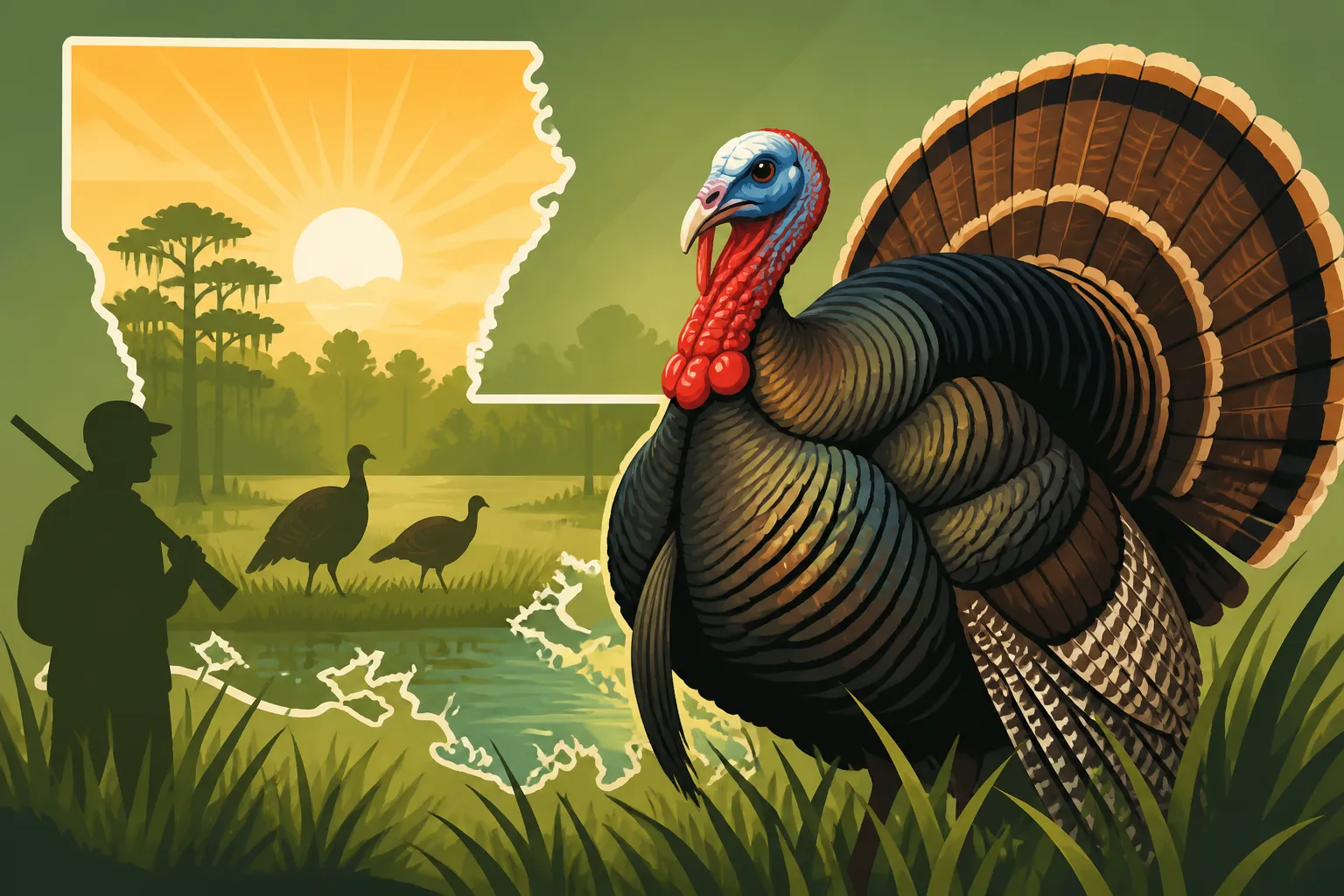
The wild turkey, a symbol of American wilderness, once teetered on the brink of extinction across much of its historical range, and Louisiana was no exception. For many hunters and outdoor enthusiasts today, it's hard to imagine a time when the booming gobble wasn't a familiar sound reverberating through our bottomland hardwoods and pine forests each spring. Yet, not so long ago, finding a wild turkey in our state was akin to spotting a ghost. This guide will take a deep dive into the incredible journey of how these magnificent birds were brought back from near oblivion to become a vibrant, thriving part of Louisiana's diverse wildlife tapestry.
The Vanishing Wild Turkey: A Historical Perspective
It's easy to take for granted the abundant wildlife we enjoy today, but just a century ago, the future of many species, including the wild turkey, looked incredibly bleak. Louisiana, with its rich natural resources, was a prime habitat for wild turkeys for millennia, but a combination of factors led to a drastic and alarming decline.
Early Abundance and Rapid Decline
Imagine Louisiana before widespread settlement: vast stretches of unbroken forest, teeming with game. Historical accounts and archaeological evidence suggest that wild turkeys were once incredibly numerous here, a staple for Native American tribes and early European settlers alike. The eastern wild turkey subspecies, native to our state, thrived in the diverse woodlands, from the high, dry pine uplands to the cypress-tupelo swamps and fertile river bottoms. They were a common sight, their distinctive calls echoing through the timber. Early records often mention the ease with which settlers could harvest a turkey for the table.
However, this abundance began to unravel with the rapid expansion of human populations and the relentless march of "progress." As Louisiana was settled, cleared, and developed, the resilient turkey faced pressures it simply wasn't equipped to handle. By the early 20th century, the once-thriving turkey population had been decimated, reduced to mere remnant pockets in the most remote, inaccessible parts of the state. It was a truly disheartening period for anyone who valued our natural heritage, and many feared the wild turkey was gone from Louisiana forever.
Factors Contributing to the Near Extinction
The causes of the wild turkey's near-extinction in Louisiana were multifaceted, a perfect storm of human activity that utterly overwhelmed the species' ability to cope. Foremost among these was unregulated market hunting. Turkeys were hunted year-round, without limits, to supply meat for burgeoning cities and towns. It wasn't about subsistence anymore; it was about profit, and the sheer volume of birds taken had a devastating impact on breeding populations.
Compounding this problem was massive habitat destruction. Louisiana's forests, once vast and contiguous, were clear-cut on an industrial scale for timber and to make way for agriculture. Rivers were dammed, swamps drained, and natural landscapes fragmented. Turkeys need large, unbroken tracts of diverse forest with good roosting trees, foraging areas, and escape cover. When these critical habitats vanished or became fragmented, turkey populations simply couldn't sustain themselves. The remaining birds, already pressured by overhunting, had fewer places to live, breed, and hide from predators. It's a sobering reminder of how quickly seemingly endless resources can be depleted if not managed wisely.
The Dawn of Restoration Efforts: Early Strategies
Recognizing the dire situation, conservationists and wildlife agencies began to realize that something had to be done if the wild turkey was to survive in Louisiana. This realization sparked the beginning of what would become one of North America's most successful wildlife restoration stories.
Trap and Transfer: A Game-Changing Method
Early attempts to restore wild turkeys involved releasing pen-raised birds. These efforts were, to put it mildly, a colossal failure. Pen-raised turkeys lacked the instincts and survival skills of their wild counterparts. They were often unable to forage effectively, escape predators, or adapt to the rigors of the wild, and most quickly perished. It became clear that to truly bring back wild turkeys, they needed wild turkeys.
This understanding led to the development and perfection of the "trap and transfer" method, a revolutionary approach pioneered by wildlife biologists. The idea was simple but ingenious: capture healthy, truly wild turkeys from robust populations in other states or isolated pockets within Louisiana, and then relocate them to suitable, vacant habitats. This wasn't easy work, mind you. Imagine trying to catch a wary wild turkey! They used specialized netting cannons, fired remotely, to capture entire flocks. Once captured, the birds were carefully examined, banded, and then quickly transported to pre-selected release sites, often deep in remote areas. This method was the absolute cornerstone of the restoration program, providing the genetically strong, wild stock needed to re-establish breeding populations.
The Role of Public and Private Partnerships
The scale of the turkey restoration effort was immense, far too large for any single agency to tackle alone. It required a monumental collaboration between state wildlife agencies, private landowners, conservation organizations, and even local communities. The Louisiana Department of Wildlife and Fisheries (LDWF) played a pivotal role, coordinating the trap-and-transfer operations, conducting habitat assessments, and developing management plans. They worked tirelessly to identify donor populations and suitable release sites.
Crucially, private landowners stepped up in a big way. Many owned large tracts of timberland or agricultural land that, with careful management, could once again provide critical turkey habitat. Their willingness to allow release on their properties, and often to improve habitat, was indispensable. Organizations like the National Wild Turkey Federation (NWTF) became instrumental, providing funding, volunteers, and advocacy. They rallied hunters and conservationists, emphasizing the importance of securing future hunting opportunities and preserving the species. Without this diverse network of dedicated partners, the monumental task of bringing back the wild turkey would have been impossible. It truly showcases what can be achieved when different groups come together for a common conservation goal.
Reintroducing Wild Turkeys Across Louisiana's Landscape
With effective methods and strong partnerships in place, the ambitious project of reintroducing wild turkeys across Louisiana began in earnest. It was a painstaking process, requiring careful planning and execution, but the dedication paid off.
Target Habitats and Release Site Selection
The success of a turkey release hinged entirely on choosing the right locations. Biologists meticulously scouted potential sites, looking for areas that could provide everything a wild turkey flock needed to thrive. This meant identifying tracts with a good mix of mature timber for roosting, open understory for easy movement, and diverse food sources like acorns, insects, and seeds. Escape cover was also critical, especially from ground predators. Ideal sites often included large, contiguous forests, far from human disturbance, with access to clean water.
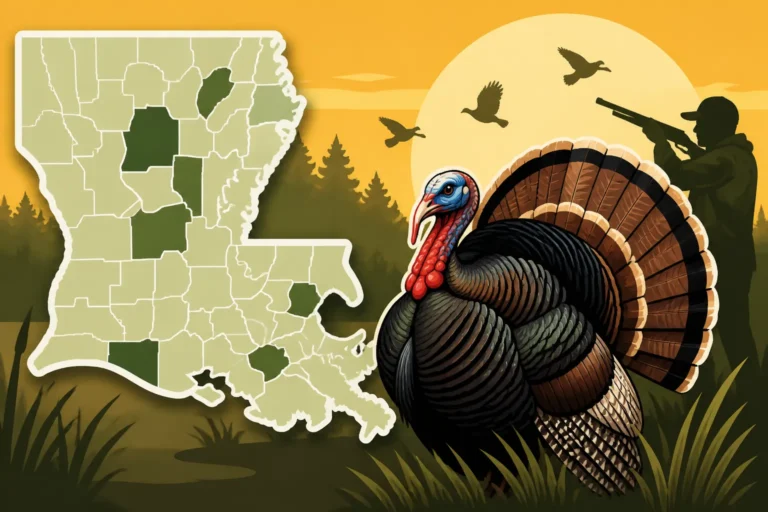
For example, many of the initial successful releases occurred in the vast bottomland hardwood forests of areas like the Tensas River Basin and the Atchafalaya Basin, where turkeys could find refuge and abundant food. These areas, despite some past logging, still retained the essential structure and diversity that turkeys require. Careful consideration was also given to the surrounding landscape – ensuring that released birds wouldn't immediately disperse into unsuitable or heavily populated areas where survival rates would be low. Getting the habitat right was just as important as getting the wild birds themselves.
Monitoring and Early Successes
Once turkeys were released, the work didn't stop there. Intensive monitoring programs were put into place to track the birds' movements, survival rates, and reproductive success. Biologists used radio telemetry – fitting some birds with tiny transmitters – to follow their dispersal patterns and gather crucial data. They also conducted annual surveys to estimate Louisiana Turkey Population Trends and assess poult-to-hen ratios, which are vital indicators of reproductive health.
The early years were filled with both challenges and exhilarating successes. Some releases struggled, highlighting the complex factors involved in establishing a new population. However, many releases took hold, and within a few years, small, stable breeding populations began to emerge. The sound of a gobble in a place where it hadn't been heard for decades was a powerful testament to the program's effectiveness. These initial victories fueled further efforts and demonstrated that the trap-and-transfer strategy was indeed working. Many of these re-established populations eventually spread, repopulating adjacent suitable habitats over time, proving the innate resilience of wild turkeys when given a fighting chance.
Modern Management and Continued Conservation
While the initial restoration was a monumental success, the work of managing and conserving Louisiana's wild turkey populations is ongoing. It's a continuous balancing act of science, habitat work, and careful regulation to ensure these birds continue to thrive.
Understanding Population Trends and Challenges
Today, LDWF biologists continuously monitor Louisiana Turkey Population Trends to understand how the birds are faring. This involves various survey methods, including spring gobbling counts and brood surveys, which assess the crucial Poult-to-Hen Ratios and What They Mean for the next generation. These trends aren't static; they fluctuate due to a variety of factors. Habitat quality remains a paramount concern. While forests have regrown in many areas, urbanization and industrial agriculture continue to fragment landscapes.
Predation is another natural challenge. While turkeys are resilient, high populations of predators like coyotes, bobcats, and even raccoons can impact nest success and poult survival. Weather also plays a significant role; prolonged periods of cold, wet weather during nesting and hatching can drastically reduce brood success, impacting populations for a year or two. Additionally, diseases, though less common, can occasionally affect local populations. Understanding these complex interactions is key to adaptive management, ensuring that regulations and conservation efforts remain effective in the face of changing environmental conditions. Hunters can often contribute to these data collection efforts through harvest reporting and observations in the field, which are critical for biologists. Many use apps like GoHunt to record their observations, which can be shared with wildlife agencies.
Hunter Contributions and Future Outlook
Louisiana hunters have always been, and continue to be, vital partners in turkey conservation. The sale of hunting licenses and turkey stamps directly funds wildlife management and research efforts, making hunters the primary financial supporters of these programs. Beyond the financial aspect, hunters are often the first to notice changes in turkey activity or population levels in specific areas. Their observations from the field, when reported to LDWF, provide invaluable ground-level data that complements scientific surveys.
The future of wild turkeys in Louisiana looks bright, thanks to these ongoing efforts. However, vigilance is always necessary. Continued habitat protection and enhancement, coupled with sound scientific management, will be crucial. This means promoting sustainable forestry practices, creating diverse food sources, and protecting critical nesting and roosting areas. The LDWF regularly updates Louisiana Spring Turkey Season Rules and Louisiana Turkey Bag Limit Rules based on population data to ensure sustainable harvesting. Encouraging new hunters and fostering a conservation ethic among all outdoor users will also be key to ensuring that future generations can enjoy the thrill of a spring gobbler hunt and the sight of these magnificent birds gracing our Louisiana landscapes.
The Lasting Impact: A Conservation Success Story
The story of the wild turkey in Louisiana is more than just a tale of one species; it's a powerful narrative about what's possible when dedication, science, and community come together for conservation. It has had far-reaching positive effects that extend beyond just the birds themselves.
Economic and Recreational Benefits
The restoration of wild turkeys has brought significant economic benefits to rural Louisiana. A thriving turkey population supports a vibrant spring hunting season, attracting hunters from across the state and beyond. These hunters contribute to local economies through the purchase of licenses, gear, fuel, food, and lodging. Guide services, hunting camps, and outdoor retailers all see a boost in activity. The ability to pursue wild turkeys creates jobs and generates revenue in communities that might otherwise struggle, underscoring the value of healthy wildlife populations beyond just their ecological role.
Recreationally, the comeback of the turkey has enriched the lives of countless Louisianans. Spring turkey hunting is a cherished tradition for many, offering a unique challenge and an immersive experience in nature. The intense, strategic game of calling a gobbler, setting up against a big oak, and experiencing the spring woods come alive is a deeply rewarding pursuit. Even for non-hunters, the presence of wild turkeys adds beauty and biodiversity to our forests, enhancing hiking, birdwatching, and other outdoor activities. It’s a testament to how successful conservation can provide both tangible and intangible benefits to society.
Lessons Learned for Other Species
The success of the wild turkey restoration program in Louisiana and across the country serves as a blueprint for other conservation challenges. It demonstrated several critical lessons. First, that true conservation requires a long-term commitment, often spanning decades. It wasn't an overnight fix. Second, it highlighted the absolute necessity of sound scientific research and adaptive management. Pen-raised turkeys failed; wild-trapped birds succeeded. Data-driven decisions, like those considering Nest Predation and Louisiana Turkey Hatches, are paramount.
Third, it underscored the power of collaboration between government agencies, private landowners, and conservation organizations. No single entity could have achieved this alone. Finally, it reinforced the critical role of hunters as conservationists, proving that their passion for the outdoors and financial contributions are indispensable. These lessons have been applied to the recovery efforts of other species, from black bears to alligators, showcasing how a successful model can be adapted. The wild turkey's return is a constant reminder that with effort, even seemingly insurmountable conservation problems can be overcome, leaving a richer natural legacy for generations to come. Today, when you hear a gobble in the woods of one of the Best Louisiana Parishes for Turkeys, remember the incredible journey that bird and its ancestors made.
Disclaimer
Please be aware that hunting regulations, season dates, and specific requirements can change. Always consult the most current Louisiana Department of Wildlife and Fisheries (LDWF) regulations and official publications before planning any hunting trip. This guide is for informational purposes only and should not be considered legal advice.