Mottled Ducks and Louisiana’s Resident Flock
You know, for many of us who chase ducks across the bayous and marshes of Louisiana, there's nothing quite like the sight of a mottled duck cutting through the low light of dawn. These tough, wary birds are a true resident gem, but understanding their unique habits, preferred habitats, and the subtle nuances of hunting them can feel like deciphering a secret code. This guide is here to unravel that mystery, offering deep insights into Louisiana's mottled duck population, their distinct characteristics, and how you can approach hunting them ethically and successfully, all while contributing to their continued presence in our beautiful state.
The Enigma of the Mottled Duck: A Louisiana Staple
There's something incredibly special about the mottled duck in Louisiana. Unlike many of the waterfowl we eagerly await each fall, these birds aren't just passing through on the Mississippi Flyway; they're here year-round, living, breeding, and thriving in our unique coastal ecosystems. They’re a true "homegrown" duck, and that makes them a distinct challenge and a cherished prize for Louisiana hunters.
What Makes a Mottled Duck Unique?
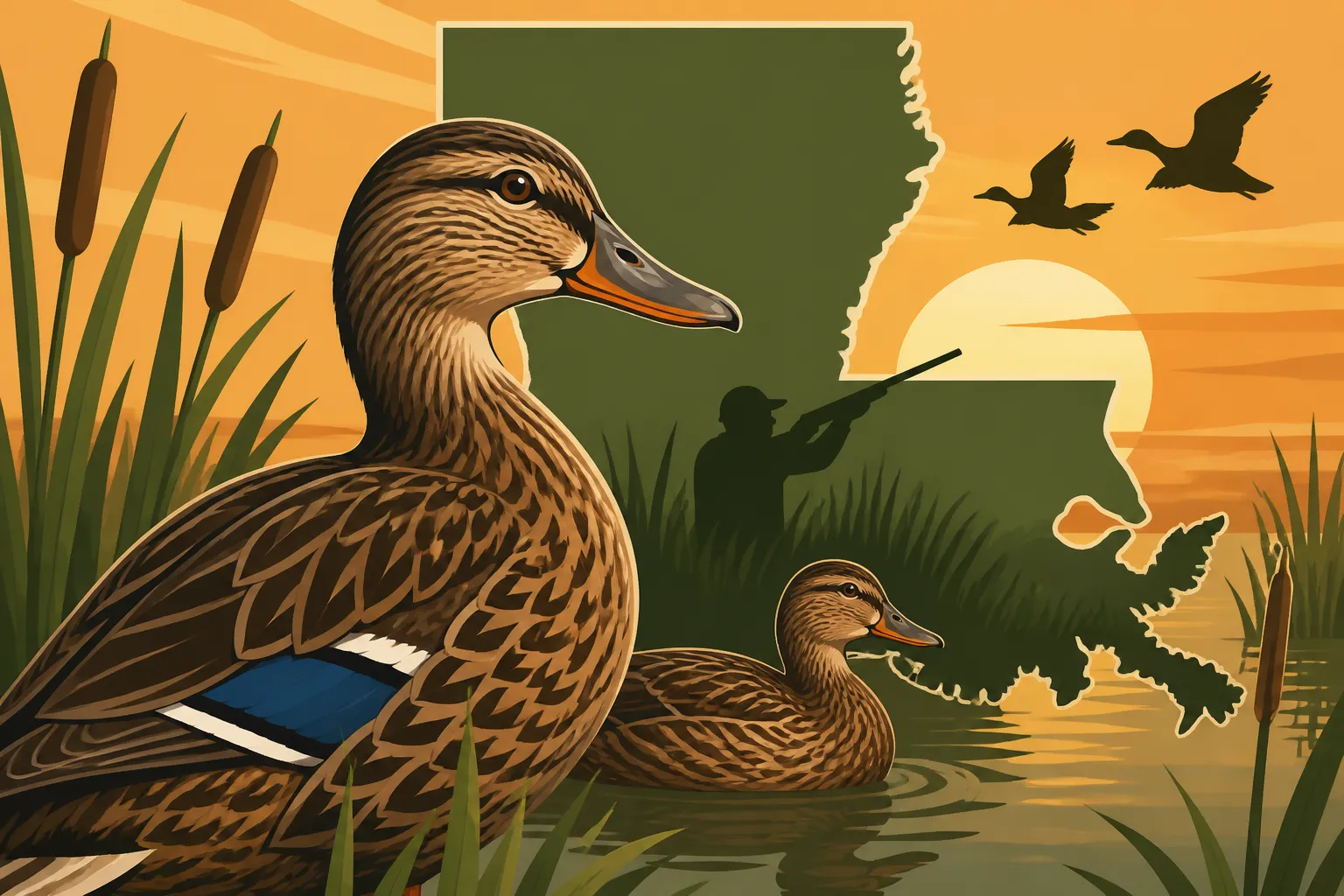
When you spot a mottled duck, you're looking at a bird that shares a striking resemblance to a hen mallard, which can sometimes lead to confusion, especially in the low light of early morning. However, there are key differences if you know what to look for. Mottled ducks have a uniformly dark body plumage, lacking the stark contrast of a mallard’s white tail and underwing coverts. Their bill, especially on the drakes, tends to be a vibrant yellow, often with a black spot at the base, while hens typically have a duller, orange-green bill. But beyond their physical appearance, their behavior sets them apart. These aren't the same birds that have seen thousands of decoys across multiple states; these are local residents, often much warier and more attuned to the specific nuances of their home marsh. They don't migrate; they live and die within the confines of our state, making them a testament to the health of our wetlands.
Their flight pattern is also distinct. While fast like other dabblers, they often have a more direct, less circuitous flight than, say, a teal or a gadwall. When they decoy, they often come in lower and more cautiously, circling repeatedly before committing, if they commit at all. This wariness is a direct result of their resident status; they've spent their entire lives dealing with local predators, human and otherwise, making them some of the toughest ducks to consistently fool.
Preferred Habitats and Foraging Habits
Mottled ducks are creatures of the marsh, particularly fond of brackish and saline coastal wetlands, though you can find them in freshwater marshes and even some agricultural fields closer to the coast. They thrive in areas with a mix of shallow open water, dense emergent vegetation for nesting cover, and abundant aquatic invertebrates and seeds for food. Think about those vast, sprawling expanses of sawgrass and cordgrass dotted with small ponds and trenasses – that's prime mottled duck country.
Their diet is varied but heavily influenced by what's available in their coastal haunts. They dabble in shallow water, sifting through mud for seeds of marsh plants, aquatic insects, snails, and small crustaceans. Unlike some other duck species that might feed extensively on grains in flooded fields, mottled ducks are primarily marsh foragers. This specific dietary preference ties them directly to the health of our coastal wetlands. A vibrant marsh with diverse vegetation and a rich invertebrate population is critical for their survival, especially during breeding season when hens need protein-rich food sources. Their reliance on these specific habitats means they are excellent indicators of marsh health, making their presence or absence a powerful signal to conservationists and hunters alike.
Louisiana's Mottled Duck Population: A Resident Treasure
For many waterfowl hunters, the draw of Louisiana is the incredible influx of migratory birds each winter. But the mottled duck offers a different kind of allure: the chance to hunt a truly local duck, a bird that calls our state home year-round. This resident status creates a unique dynamic, both for the birds themselves and for those of us who pursue them.
Why Louisiana is Home Sweet Home
Louisiana's vast coastal marsh, stretching from the Texas border to the Chandeleur Islands, is arguably the most important habitat for mottled ducks in the entire United States. The unique combination of warm temperatures, abundant rainfall, and a mosaic of freshwater, brackish, and saline wetlands provides ideal conditions for these birds to breed, raise their young, and survive year-round. Unlike their northern cousins, which undertake epic migrations, Louisiana's mottled ducks don't need to leave. They find everything they need right here: plentiful food, secure nesting cover in dense grasses like spartina and wiregrass, and relatively mild winters that don't freeze over their feeding grounds.
This year-round residency means they are acutely sensitive to changes in local conditions. Habitat loss due to coastal erosion, saltwater intrusion, and human development directly impacts their ability to reproduce and survive. Every acre of marsh lost is an acre of mottled duck habitat gone, making conservation efforts in our state critically important for this species.
Population Dynamics and Trends
Understanding the population dynamics of Louisiana's mottled ducks is a bit different than tracking migratory species. Instead of counting birds that fly in from Canada, biologists focus on local breeding surveys and nesting success rates. Historically, Louisiana has supported a robust population, often accounting for a significant portion of the total mottled duck population in North America. However, like all species tied to specific habitats, their numbers can fluctuate. Factors like drought, which can impact marsh productivity, or unusually high tides during nesting season can significantly affect breeding success.
One of the fascinating aspects of mottled duck population dynamics is their strong philopatry – their tendency to return to the same breeding and nesting grounds year after year. This means that a healthy, productive piece of marsh will continue to support mottled ducks if left undisturbed. When you’re out Scouting Louisiana Public Land Before Season, looking for mottled ducks means observing local conditions, such as recent water levels, emergent vegetation health, and even predator sign, all of which impact their local movements and survival. While other species like mallards and teal undertake grand journeys, our mottled ducks are truly invested in the local landscape, making their fate intimately tied to the health of Louisiana's wetlands.
Conservation Challenges and Management Strategies
The mottled duck, a true resident of Louisiana's marshes, faces a unique set of challenges that demand specific conservation efforts. Their non-migratory nature means they can't simply fly to another state if their local habitat declines; they're intrinsically linked to the health of our coastal wetlands. This makes understanding and addressing the threats they face paramount for their long-term survival.
Threats to the Mottled Duck
The biggest and most pervasive threat to the mottled duck in Louisiana is undoubtedly habitat loss and degradation. Our coastal marsh, a vibrant tapestry of grasses, ponds, and bayous, is disappearing at an alarming rate due to subsidence, sea-level rise, and extensive alterations from human activity like canal dredging and oil and gas exploration. As the marsh disappears, so do the critical nesting sites and foraging grounds mottled ducks rely on. Saltwater intrusion into historically freshwater or brackish marshes also alters the vegetation composition, making it less suitable for these birds and the invertebrates they feed on.
Beyond habitat, predation is a significant concern, especially for nests and young ducklings. Raccoons, opossums, skunks, and even feral hogs can decimate mottled duck nests, which are typically built on the ground in dense cover. Increased predator populations in fragmented habitats can lead to higher rates of nest failure. Finally, hybridization with mallards, particularly those introduced through domestic releases, poses a genetic threat. While not widespread, it can dilute the genetic purity of mottled ducks in certain areas, potentially impacting their adaptability and unique characteristics.
LDWF's Role in Mottled Duck Survival
The Louisiana Department of Wildlife and Fisheries (LDWF) plays a crucial role in the conservation and management of mottled ducks. Their efforts span research, habitat restoration, and thoughtful regulation. Biologists conduct regular surveys, including aerial counts and breeding pair surveys, to monitor population trends and assess nesting success. This data helps inform management decisions and identify areas where conservation efforts are most needed. They also participate in habitat restoration projects, working to rebuild and protect marshlands through sediment diversion, vegetative plantings, and managing water levels on public lands like Wildlife Management Areas (WMAs).
Regulations are another key component. While mottled ducks are included in general duck seasons, specific bag limits and season structures are carefully considered to ensure sustainable harvest rates. For instance, early teal season allows for hunting of blue-winged and green-winged teal before other duck species arrive in force, which helps reduce accidental take of mottled ducks during their breeding and post-breeding periods. Resources from organizations like GoHunt can provide up-to-date information on these regulations, allowing hunters to stay informed. Every hunter who purchases a state hunting license and the federal duck stamp contributes directly to these vital conservation programs, which fund research, habitat acquisition, and enforcement, underscoring the vital link between hunting and conservation.
Hunting Mottled Ducks: A Unique Pursuit in the Pelican State
Hunting mottled ducks in Louisiana offers a distinct challenge, a true test of a waterfowler’s skills. These aren't the easily fooled migrators fresh from a long flight; these are local, wise birds that know every trick in the book. If you want to consistently bring mottled ducks to bag, you've got to think differently and respect their inherent wariness.
Tactics for Targeting Resident Birds
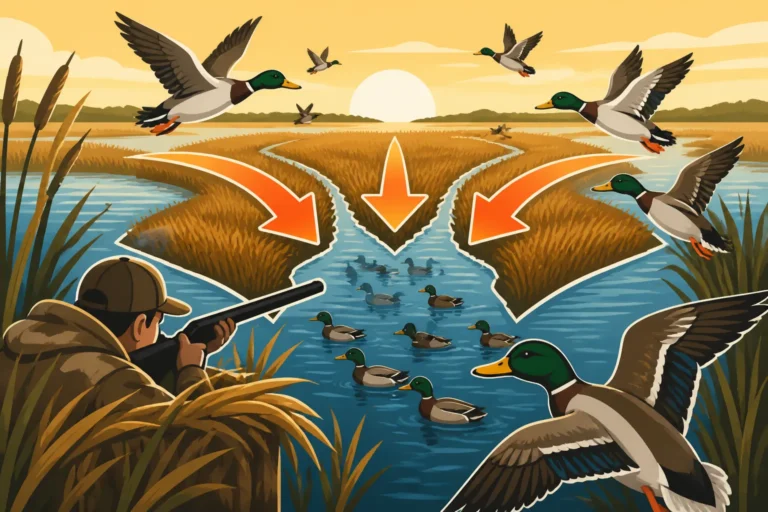
When it comes to hunting mottled ducks, you can often throw your big, flashy mallard spreads out the window. These birds are wary, and subtlety is often your best friend. Instead of massive numbers of decoys, think smaller, more natural spreads, perhaps a dozen or two decoys consisting of mottled ducks, pintails, or even some coot decoys to give the appearance of a safe, feeding area. Placement is critical: mottled ducks often prefer to land short of the main spread, so leaving an open landing zone downwind or off to the side can be effective.
Calling also needs to be nuanced. Aggressive hailing calls are often met with suspicion. Instead, soft contented hen calls, subtle feed chuckles, and single quacks can be far more effective at luring them in. It's about sounding like happy, undisturbed ducks, not an excited congregation. Wind direction is, as always, paramount. Mottled ducks will almost always land into the wind, so position your blind and decoys to take advantage of this. Many successful mottled duck hunters spend considerable time scouting before the season, using tools like GoHunt to analyze satellite imagery and topo maps, looking for isolated ponds, trenasses, or shallow marsh edges that show consistent use. These birds often stick to specific, undisturbed areas, so finding their preferred pockets is key. You might find some useful strategies by looking into Hunting the Vermilion Parish Marsh or other coastal areas known for resident birds.
Navigating Regulations and Seasons
Hunting mottled ducks falls under the general waterfowl regulations for Louisiana, but there are some nuances every hunter needs to be aware of. The statewide Louisiana Duck Daily Bag Limit will include mottled ducks, often with specific limitations on how many you can harvest per day within the total bag. It's crucial to consult the current year's hunting digest from LDWF for precise numbers, as these can change.
One of the best times to target mottled ducks, specifically, is during the early teal season. While blue-winged and green-winged teal are the primary targets, mottled ducks are also legal to harvest during this period, and since they are residents, they are present from day one. This early season often has warmer weather, meaning you might need to adapt your setup, perhaps implementing a Warm-Weather Sitting Strategy in Louisiana for comfort and success. Furthermore, understanding the specific boundaries of Louisiana Waterfowl Zones and Seasons is non-negotiable, as dates and even bag limits can sometimes vary slightly between the East, West, and Coastal Zones. Always verify the rules for your specific hunting location to ensure you're hunting legally and ethically.
Distinguishing Mottled Ducks from Other Louisiana Waterfowl
In the dim light of a Louisiana marsh morning, with ducks buzzing in and out of the fog, quick and accurate identification is absolutely critical. Mistaking a mottled duck for another species, or vice versa, can impact your success and even lead to violations of Louisiana Duck and Goose Bag Limits. Understanding the subtle differences is a skill every serious Louisiana waterfowler should hone.
Field Identification Tips
The most common identification challenge for mottled ducks is distinguishing them from hen mallards. Both are large, brown dabbling ducks. However, look for these key identifiers:
- Plumage: Mottled ducks are generally a uniform dark brown body, lacking the distinct white border on the trailing edge of the speculum (the iridescent patch on the wing) that a mallard has. Their speculum is typically dark purplish-blue. Mallards, especially hens, often show some white in the tail or under the wing in flight.
- Bill Color: As mentioned earlier, drakes have a bright yellow bill with a black spot, while hens have a duller, greenish-orange bill. Mallard hens typically have an orange-and-black mottled bill.
- Facial Markings: While not always distinct, some mottled ducks may show a faint eye line. Mallards generally have a clearer facial pattern.
- Overall Impression: Mottled ducks often appear "darker" and "cleaner" in their brown plumage compared to the somewhat more varied brown of a hen mallard.
In flight, pay close attention to the underwing. Mottled ducks have dark underwing coverts, whereas mallards will show white. This can be a definitive identifier as they bank overhead. Practice observing ducks at a distance, perhaps with binoculars, before the season begins. This type of detailed field observation is a skill that only improves with time spent in the marsh, helping you learn to quickly read the subtle cues of different species.
Behavior Differences in the Marsh
Beyond physical characteristics, mottled ducks exhibit behavioral patterns that can aid in identification and, more importantly, inform your hunting strategy. Their wariness is legendary among Louisiana hunters. They often fly at lower altitudes than many migratory ducks, hugging the contours of the marsh. When they approach decoys, they are less likely to commit directly, often making wide circles, pitching out, and then circling again, sometimes several times, before finally dropping in—if they do at all. This patient, observant approach is a hallmark of a resident bird that knows its territory intimately.
Compared to high-flying gadwall or the frenetic, quick-dropping teal, mottled ducks can seem almost hesitant. They might respond to soft calls but will often ignore aggressive calling. Their flight speed is comparable to a mallard, but their approach tends to be less direct. When you're trying to figure out if it’s a group of mottled ducks or just some mallards, notice how they react to your spread and calling. If they seem to hang up, circling suspiciously, there's a good chance you're dealing with our local residents. Understanding these behavioral traits is crucial for effective hunting, especially when setting up blinds and decoys for species like those discussed in Hunting Cameron Parish Marsh Ducks, where you might encounter a mix of residents and migrators.
Here's a quick comparison table to help distinguish mottled ducks in the field:
| Feature | Mottled Duck (Typical) | Hen Mallard (Typical) |
|---|---|---|
| Body Plumage | Uniform dark brown, no significant white | Mottled brown, often lighter underside |
| Bill Color | Drake: Bright yellow with black spot; Hen: Greenish-orange | Orange with black mottling |
| Speculum | Dark purplish-blue, no white trailing edge | Bluish-purple, bordered front and back by white bars |
| Underwing | Dark | White |
| Tail Feathers | Dark | Often shows white in the tail |
| Behavior | Very wary, circles decoys multiple times, flies low | Can be wary, but often more direct to decoys |
| Voice | Similar to hen mallard, perhaps slightly coarser | Classic loud "quack" |
The Future of Louisiana's Mottled Duck: Hope and Responsibility
The mottled duck, an emblem of Louisiana's wild coast, represents both the richness of our natural heritage and the significant challenges facing it. As hunters and conservationists, our responsibility to these resident birds is immense, extending far beyond the hunting season. Their future is intertwined with the fate of our vanishing coastal wetlands.
Long-Term Outlook and Ongoing Research
The long-term outlook for mottled ducks in Louisiana is directly tied to our ability to halt and reverse coastal land loss. Without healthy, intact marshlands, these birds simply cannot thrive. Scientists and conservation agencies are continuously engaged in research to better understand mottled duck ecology, population dynamics, and the impact of environmental changes. This includes tracking nesting success, monitoring survival rates of adults and juveniles, and studying the effects of habitat restoration projects. Innovative techniques, like using drones for habitat mapping or advanced genetic analysis to track hybridization, are helping biologists gain a clearer picture of what these birds need to survive.
Efforts like the Coastal Wetlands Planning, Protection and Restoration Act (CWPPRA) and larger sediment diversion projects aim to rebuild and sustain critical marsh habitats, which in turn directly benefits mottled ducks. The data gathered from these research efforts is vital for adapting management strategies and ensuring that conservation dollars are spent effectively. It’s a complex and ongoing battle, but one that dedicated individuals and organizations are committed to winning.
How Hunters Can Contribute to Conservation
As hunters, we are often at the forefront of conservation, and our actions can have a profound impact on the future of mottled ducks. First and foremost, adhering strictly to all hunting regulations, including bag limits and season dates, is non-negotiable. This ensures a sustainable harvest and prevents over-pressuring local populations. Remember, every time you buy a Louisiana Resident Hunting License Options and the federal duck stamp, you are directly funding wetland conservation efforts that benefit mottled ducks and countless other species.
Beyond financial contributions, active participation in habitat restoration projects, whether through volunteering with local conservation groups or supporting organizations that work on coastal restoration, can make a tangible difference. Education is also key: sharing knowledge about mottled ducks, their unique needs, and the importance of their habitat with fellow hunters and the general public helps foster a broader appreciation and commitment to their survival. Finally, embracing ethical hunting practices—from accurate identification to responsible shot selection—shows respect for the resource and ensures the mottled duck remains a treasured part of Louisiana's waterfowl tradition for generations to come. Even small actions, like being meticulous about your setup and calling when Reading a Marsh Pond for a Morning Flight, contribute to a broader culture of responsible hunting that benefits these unique birds.
Disclaimer
This article is for general informational purposes only and does not constitute professional advice. Laws, prices and regulations vary by location and change over time. Consult a qualified professional for guidance on your specific situation.