Louisiana Black Bear DNA Tracking Study
Louisiana black bear DNA tracking studies explain non-invasive hair snare methods, Atchafalaya Basin habitats, and population monitoring techniques.
Know what you’re after.
Big game, small game, upland birds, and waterfowl — identification, behavior, rut and migration timing, and how each species moves through the season.
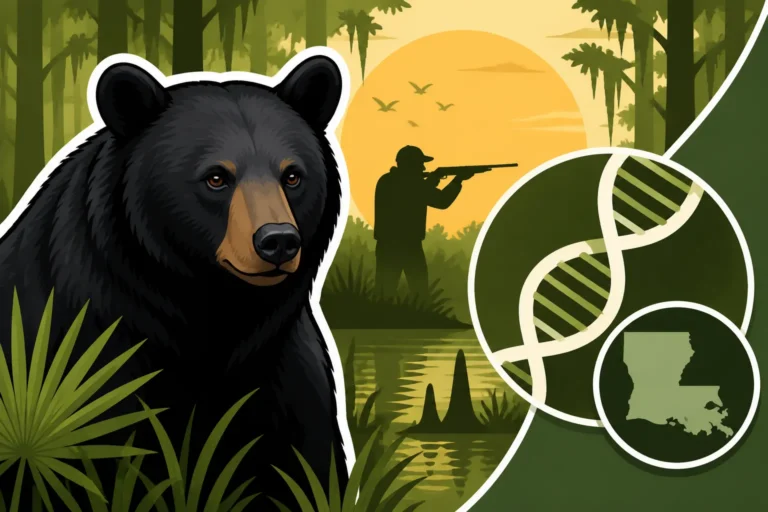
Louisiana black bear DNA tracking studies explain non-invasive hair snare methods, Atchafalaya Basin habitats, and population monitoring techniques.
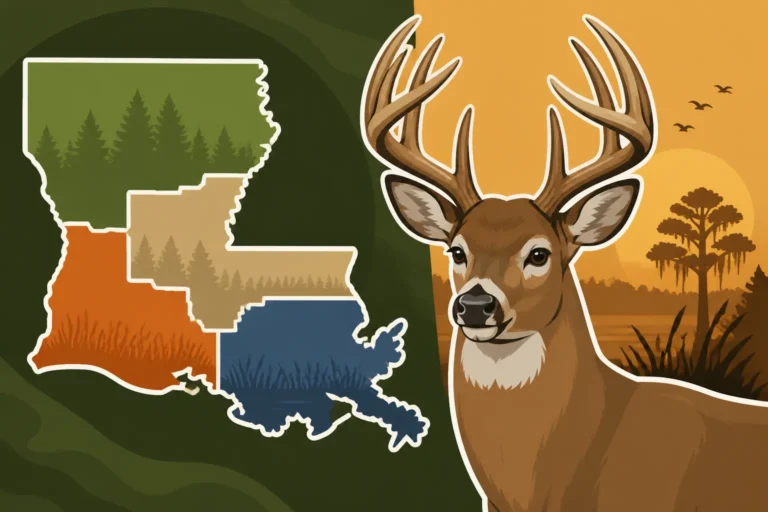
Louisiana deer weight averages vary across regional ecosystems, influenced by nutrition, habitat quality, age, and genetics.
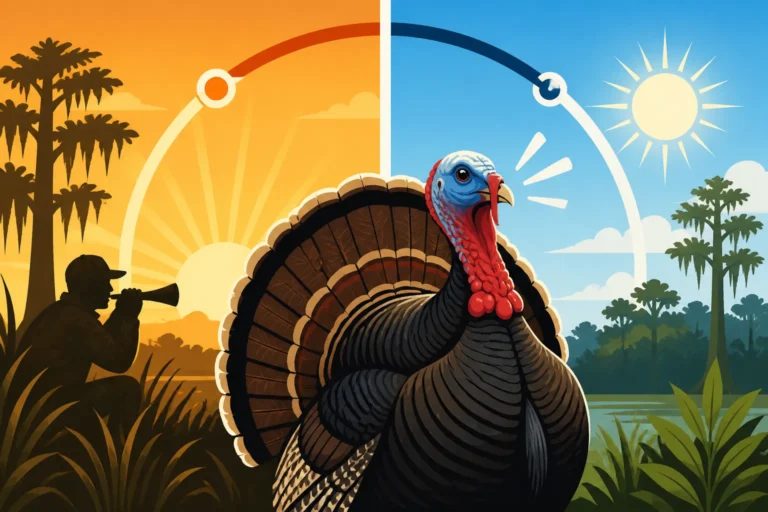
Louisiana wild turkey gobbling activity schedules and daily rhythms reveal when birds sound off from predawn until noon.
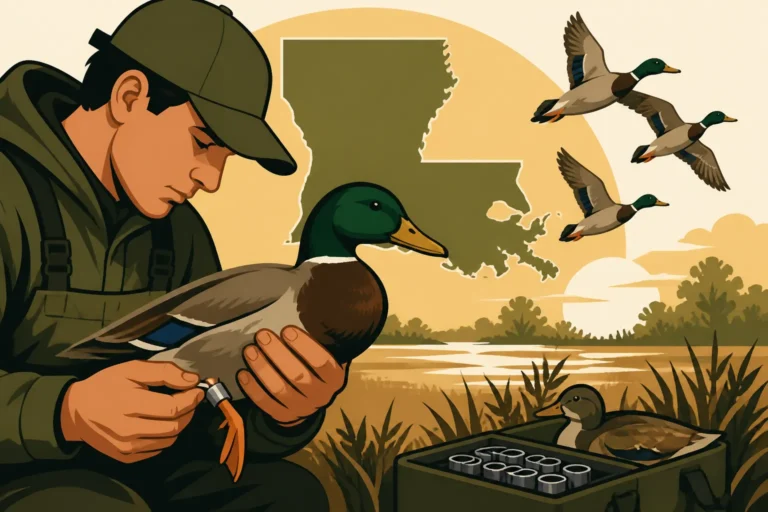
Louisiana waterfowl banding programs use metal leg bands to track duck survival rates and migration paths along the Mississippi Flyway.
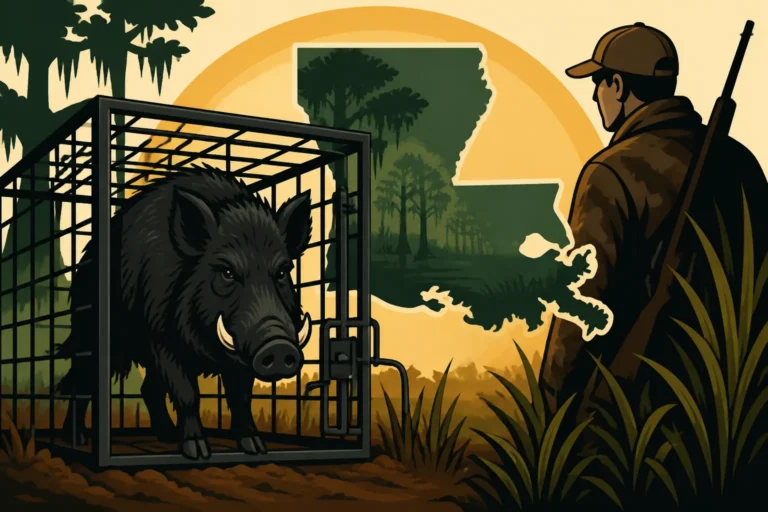
Louisiana feral hog trapping success rates rely on sounder removal, trap location, bait type, and local terrain conditions.
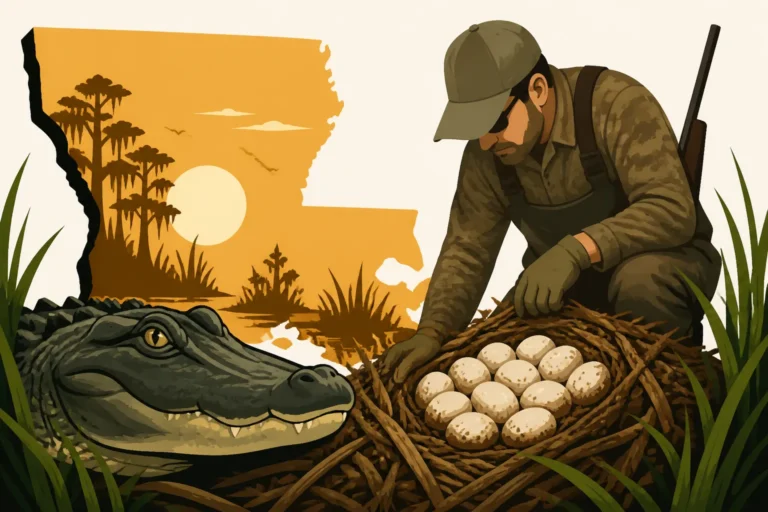
Louisiana alligator egg nest surveys provide vital population health checks and scientific data that determine annual hunting tag quotas.
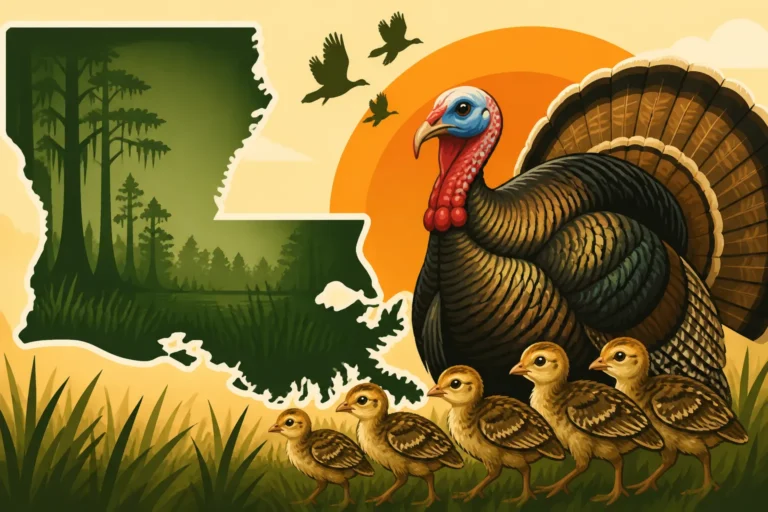
Louisiana turkey brood survey results reveal wild turkey reproductive success, population health, and future hunting season prospects.
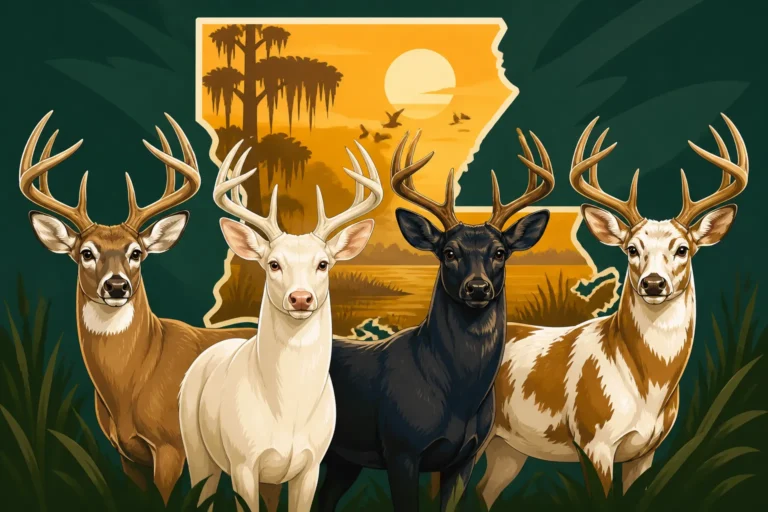
Louisiana whitetail color phase rarities explain unusual coat anomalies and seasonal standard coloration shifts across the state.
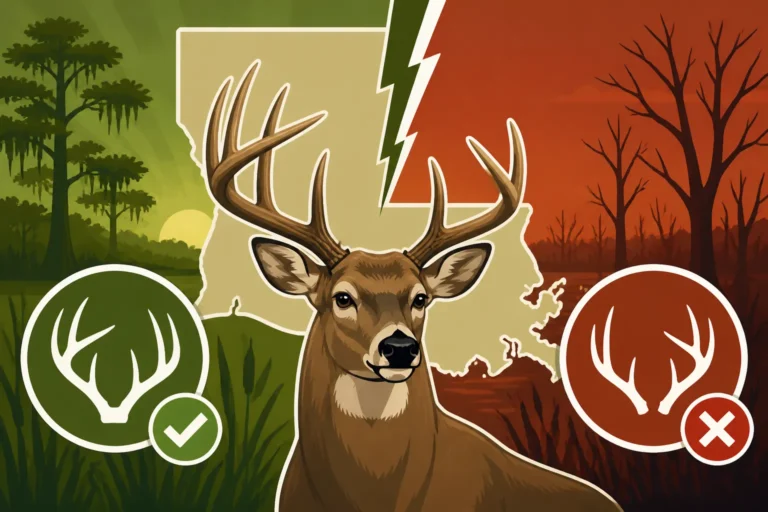
Louisiana deer antler restrictions shape herd management, defining minimum legal buck sizes and sparking intense debates among local hunters.
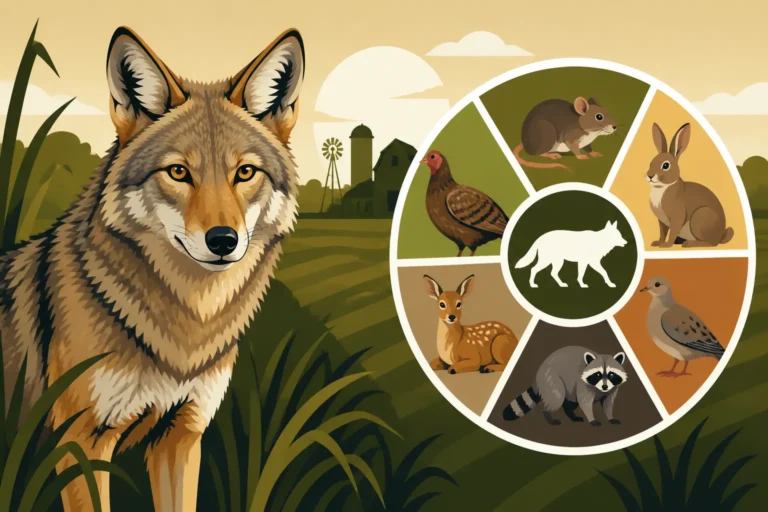
Louisiana coyotes in farm country eat rodents, rabbits, deer, fruit, and scavenged food according to seasonal landscape changes.