Why the Coastal Marsh Concentrates Ducks
Louisiana's coastal marsh can sometimes feel like a bewildering maze of water and reeds, but for waterfowl, it's a beacon, a lifeline that draws incredible numbers of ducks south every single winter. If you've ever stood in a duck blind in the predawn chill, listening to the roar of wings overhead and wondered why this particular stretch of Louisiana is so utterly irresistible to these birds, you've hit upon a truly fascinating ecological question. This guide will pull back the curtain on the unique natural phenomena, bountiful resources, and critical geographical advantages that converge to make our coastal marsh one of the greatest duck concentrations on Earth.
The Mississippi Flyway's Grand Funnel Effect
It’s no accident that Louisiana sits at the bottom of a major waterfowl migration route. Our location is a prime piece of real estate on the grand map of North American bird migration, and it dictates much of the waterfowl activity we see.
Geographic Location as a Migration Bottleneck
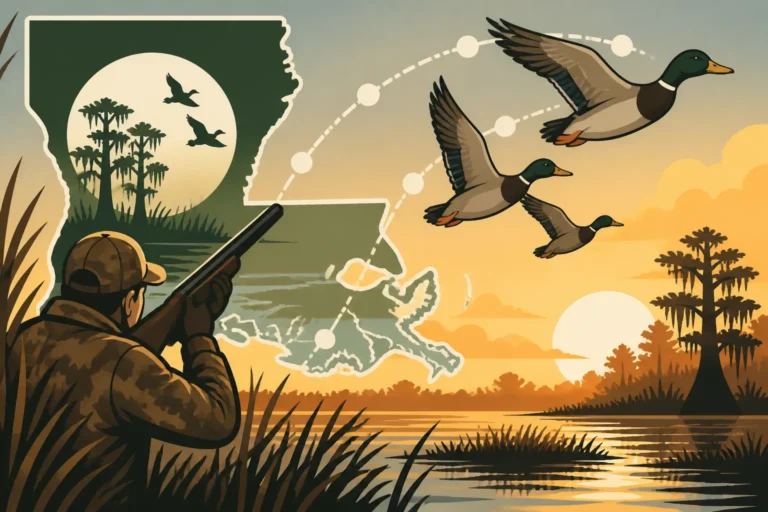
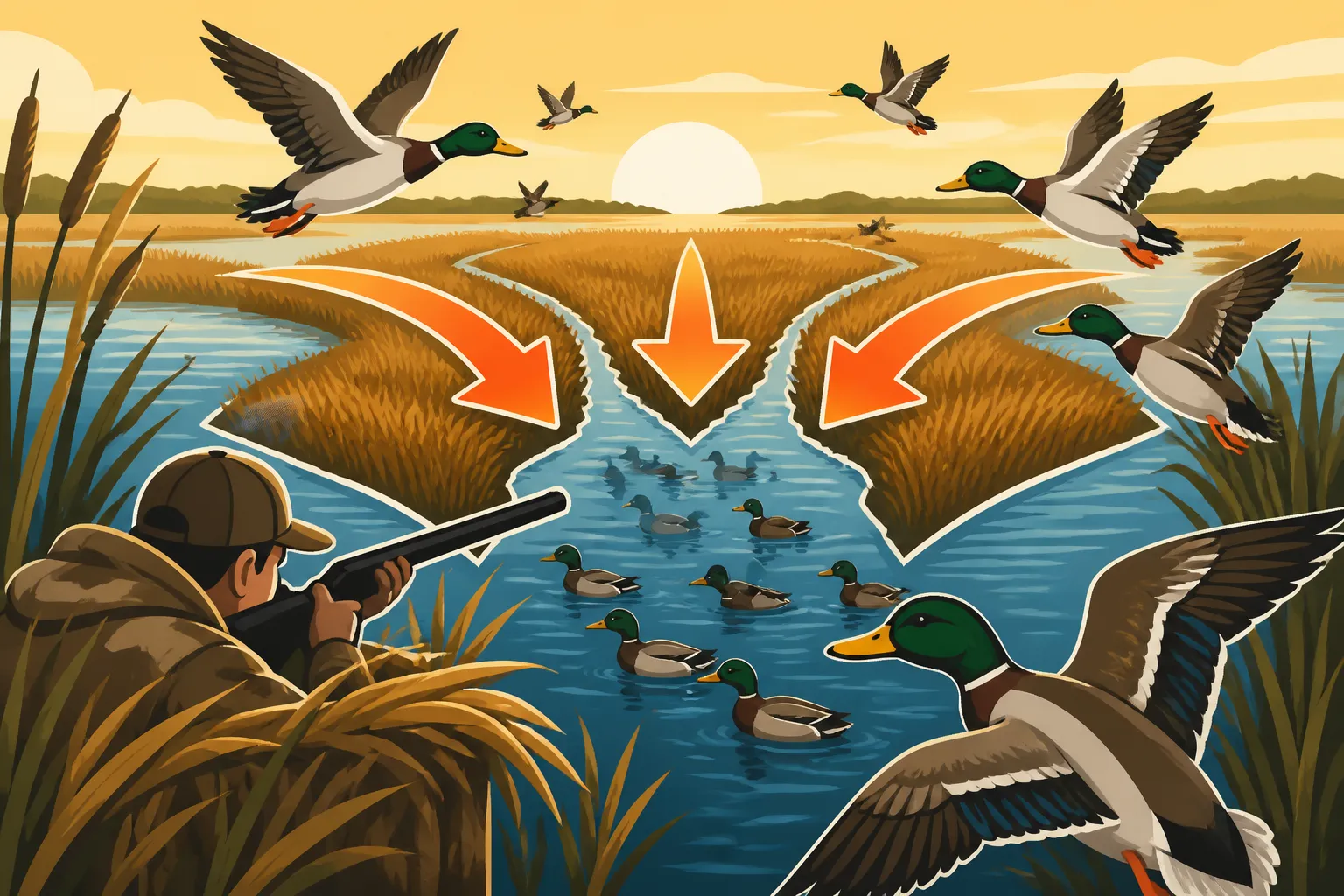
Imagine a giant funnel, stretching from the Arctic tundra all the way down to the Gulf Coast. That's essentially the Mississippi Flyway. As ducks and geese begin their southward journey from their breeding grounds in Canada and the northern United States, they follow ancestral routes that naturally converge along major river systems, with the mighty Mississippi River being the undeniable king of them all. This funnels billions of birds, year after year, directly towards the marshy delta of Louisiana. It’s not just a river; it's a superhighway for migratory birds, and our state is the ultimate rest stop at the end of the line.
The sheer volume of birds pushed down this corridor means that even a fraction of the total population arriving here creates astonishing concentrations. When you hear about millions of ducks wintering in Louisiana, it’s a direct testament to this geographical bottleneck. Other flyways, like the Atlantic or Pacific, have their own impressive numbers, but none quite match the sheer scale and density that the Mississippi Flyway delivers to our state. This consistent influx means that even in years with lower overall populations, Louisiana still sees a robust number of birds, often far exceeding what hunters experience further north.
Wintering Grounds and Overwintering Strategy
For many duck species, the Louisiana coastal marsh isn't just a pit stop; it's their final destination for the winter. This overwintering strategy is crucial for their survival and for the propagation of their species. Why brave the long journey south if they don't need to? The answer lies in the abundance of mild weather and readily available food. While northern states might see lakes and rivers freeze over, cutting off food sources, our marsh remains largely ice-free, providing continuous access to vital nutrients. This means ducks don't have to expend precious energy constantly searching for open water or battling harsh winter conditions.
By settling into the relatively mild climate of coastal Louisiana, ducks can conserve energy, build up fat reserves, and prepare for the return migration to their breeding grounds in the spring. This longer, less stressful winter allows them to arrive back north in better physical condition, increasing their chances of successful nesting and reproduction. It’s a survival mechanism refined over millennia, making Louisiana not just a convenient spot, but an absolutely essential part of their annual lifecycle. Understanding this deep-seated biological drive helps us grasp why the concentrations here are so consistently impressive, especially for ducks found in the Louisiana Waterfowl Migration Timing.
Abundant Food Resources Fueling the Masses
Ducks are driven by food, plain and simple. They need high-energy sustenance to survive migration, fend off the cold, and ultimately reproduce. The Louisiana coastal marsh delivers on this need in spades, offering a smorgasbord of culinary delights for various waterfowl species.
Submerged Aquatic Vegetation SAV Richness
Beneath the surface of our marsh waters lies a verdant garden of submerged aquatic vegetation, or SAV, and it's an absolute feast for many duck species. Think of it as an underwater buffet that's constantly replenished. Species like eelgrass (Vallisneria americana) and wigeon grass (Ruppia maritima) are particularly important. Eelgrass, with its long, ribbon-like leaves, provides both food and cover. Wigeon grass, tolerant of various salinities, produces abundant seeds and foliage that are highly palatable to ducks. These plants are especially critical for diving ducks, like Redheads and Scaup, who readily pull up entire plants, roots and all, to consume.
But dabbling ducks also benefit immensely. While they prefer to tip-up rather than dive, they still graze on the surface of these beds, snatching seeds, leaves, and the associated invertebrates living within the SAV. This underwater grocery store isn't just about quantity; it's about quality. These plants are packed with carbohydrates and other nutrients essential for maintaining the ducks' body condition through the winter. Without these vast, healthy beds of SAV, the marsh simply wouldn't be able to support the staggering numbers of waterfowl we see.
Terrestrial and Seed-Producing Plants
Beyond the underwater bounty, the emergent vegetation and terrestrial plants along the marsh edges and interior ridges provide another layer of crucial food sources. These are the plants that dabbling ducks, especially, love to work over. Think smartweed (Polygonum spp.), various millets, and even wild rice (Zizania aquatica) in some freshwater areas. These plants produce abundant seeds that fall into the shallow water, becoming easily accessible for ducks like Mallards, Pintails, and Gadwalls. A major part of the strategy for ducks when they settle in is to find areas with a good supply of these seeds.
Many marsh management practices, both on private hunting leases and public wildlife management areas, focus on manipulating water levels to encourage the growth of these specific seed-producing plants. Drawing down impoundments in late summer to allow smartweed or millet to grow, then reflooding in the fall, creates perfect shallow-water feeding grounds. This deliberate habitat manipulation only enhances the natural productivity of the marsh, ensuring a consistent food supply throughout the season. These food sources are vital for dabblers, making the marsh an undeniable attraction. For more insight into these practices, you might find Working Flooded Timber for Mallards helpful, although it focuses on a different habitat, the principles of food plot management are similar.
Invertebrates and Fish for Protein
It’s not all greens and grains in the duck diet; protein is also incredibly important, especially for females gearing up for nesting in the spring. The coastal marsh is teeming with a diverse array of invertebrates and small fish, which provide this crucial protein boost. Ducks consume a wide variety of small creatures, including insect larvae, crustaceans like tiny crabs and shrimp, mollusks, and even small minnows. These are often found amongst the SAV beds or sifted from the mud in shallow feeding areas.
For diving ducks, these protein sources are particularly accessible and critical. Scaup, for instance, are known to consume vast quantities of small clams and mussels. Even dabblers, while primarily vegetarians, will readily consume invertebrates they encounter while feeding. This rich protein source ensures that ducks are not just surviving but thriving, maintaining peak physical condition for the demands of migration and breeding. The diversity of food available in the marsh—from submerged vegetation to seeds to invertebrates—creates a truly robust and resilient food chain that supports an incredible density of waterfowl.
Diverse and Secure Habitat Offers Refuge
Beyond just food, ducks need safe places to rest, roost, and escape predators. The Louisiana coastal marsh provides an incredibly complex and secure mosaic of habitats that fulfills these needs, allowing birds to feel safe and concentrate in large numbers.
Extensive Open Water and Shallow Ponds
The vastness of the marsh means endless stretches of open water interspersed with countless shallow ponds and interconnected bayous. These areas are vital for several reasons. Firstly, they offer loafing spots where ducks can simply rest and conserve energy without the constant threat of terrestrial predators. Out in the middle of a large pond or bayou, a duck is much safer from a fox or a coyote. The expansive nature of these waters also allows ducks to take flight easily, providing a quick escape route from danger.
Secondly, these shallow ponds are often prime feeding grounds. The depth is just right for dabbling ducks to tip-up and access submerged vegetation and seeds, or for diving ducks to plunge for their meals. The sheer number of these water bodies means that even with significant hunting pressure, there are always numerous alternative spots for birds to relocate and find respite. This interconnectedness allows for dynamic movement and concentration based on current conditions, and understanding how ducks utilize these areas is key for Reading a Marsh Pond for a Morning Flight.
Dense Vegetative Cover for Roosting and Protection
While open water offers safety from ground predators, ducks also need dense vegetative cover for roosting, especially at night, and for protection from aerial threats like eagles and high winds. The tall marsh grasses, reeds, and rushes provide excellent camouflage and a barrier against the elements. A flock of Gadwall might spend the day feeding in an open pond, but as dusk approaches, they'll often fly to a secluded, thick patch of reeds to roost for the night, feeling secure in the dense cover.
This cover is also crucial during periods of harsh weather, like strong cold fronts. The vegetation breaks the wind, reducing heat loss and allowing ducks to conserve energy. This makes these sheltered pockets within the marsh incredibly valuable. Knowing where these secure roosting areas are is often the secret to finding consistent concentrations of birds, as they will return to these safe havens day after day, regardless of hunting pressure in other areas. Tools like GoHunt's satellite imagery can be incredibly useful for identifying these denser vegetation patterns that offer prime cover.
The Interconnected Chenier Ridges and Barrier Islands
Unique to the southwestern Louisiana coast are the chenier ridges – ancient beach ridges that stand slightly higher than the surrounding marsh. These ridges, along with the barrier islands that protect the coast, add another critical layer of habitat diversity. These elevated landforms often support a different type of vegetation, including scattered trees and shrubs, and can hold freshwater ponds or depressions from rainfall.
These ridges serve as important resting and sometimes nesting areas for certain species, and offer crucial freshwater access. Ducks need fresh water for drinking, even if they spend most of their time in brackish or saltwater environments. The barrier islands, constantly shifting and evolving, provide essential loafing areas away from the mainland, where birds can rest undisturbed. They also act as the first line of defense against the Gulf's storms, protecting the calmer interior marsh. This complex blend of open water, dense cover, and elevated landforms creates an exceptionally resilient and attractive habitat for migrating waterfowl, making areas like Hunting Cameron Parish Marsh Ducks so productive.
The Influence of Water Dynamics and Salinity Gradients
The dynamic interplay of fresh and saltwater, driven by rivers, rainfall, and tides, creates a mosaic of habitats, each with its own unique appeal to different duck species. This is far from a monolithic "marsh"; it's a finely tuned, constantly changing ecosystem.
Freshwater Inflows from Rivers and Rainfall
The vast river systems of Louisiana, primarily the Mississippi and the Atchafalaya, continually push freshwater into the coastal zone. This freshwater influx, combined with seasonal rainfall, is crucial for maintaining a healthy and diverse marsh ecosystem. It creates areas of true freshwater marsh, which are vital for species like Mallards and Wood Ducks, who prefer these less saline environments. These freshwater zones support different plant communities and invertebrate populations than their brackish or saline counterparts, thereby diversifying the food available.
More importantly, ducks need fresh water to drink. Even ducks that spend their days feeding in brackish or saline ponds will seek out freshwater sources for hydration. Ponds and ditches that retain rainwater, or areas influenced directly by river diversions, become critical oases for thirsty birds. The constant battle against saltwater intrusion and coastal erosion highlights the importance of these freshwater flows, as they directly impact the quality and quantity of suitable waterfowl habitat.
Brackish and Saline Marsh Ecosystems
As you move closer to the Gulf, the marsh transitions from freshwater to brackish (a mix of fresh and salt) and then to saline (full saltwater) environments. Each of these salinity zones supports distinct plant and animal communities, and consequently, attracts different duck species.
- Freshwater Marsh: Dominated by plants like delta duck potato, wild millet, and smartweed. Attracts dabblers such as Mallards, Gadwall, Wood Ducks, and Green-winged Teal.
- Brackish Marsh: A transition zone with a mix of fresh and saltwater species like wigeon grass and saltmarsh cordgrass. Attracts a wide variety of dabblers and divers, including Pintails, Gadwall, Redheads, and Scaup. This is often the most productive zone for overall duck diversity.
- Saline Marsh: Closest to the Gulf, dominated by salt-tolerant plants like smooth cordgrass and black mangroves. While less diverse in vegetation, it's critical for certain diving ducks like Lesser Scaup, Buffleheads, and Red-breasted Mergansers, who feed on the abundant shellfish and crustaceans found here.
This gradient ensures that no matter what a duck's preferred habitat or diet, Louisiana's coastal marsh likely has a niche for it. This specialized appeal across different zones is a huge reason for the overall concentration, whether you're in the fresher reaches of the Hunting the Vermilion Parish Marsh or the more saline areas.
Tidal Fluctuations and Water Level Management
The coastal marsh is a dynamic environment, constantly shaped by the tides of the Gulf of Mexico. These tidal fluctuations play a significant role in duck feeding patterns. Rising tides can flood areas, making new food sources accessible, while falling tides might expose mud flats where ducks can sift for invertebrates. This rhythmic flooding and draining creates a continuously changing feeding landscape.
Beyond natural tides, human intervention through water level management in impoundments, especially on private leases and public refuges, is a powerful tool for concentrating ducks. Managers can intentionally draw down water to promote the growth of desirable food plants, then reflood at optimal depths to make these plants and their seeds accessible to feeding waterfowl. This active management, often mimicking natural flood cycles, ensures a consistent and high-quality food supply. The ability to manipulate water levels for optimal foraging is a significant factor in creating areas that hold massive numbers of birds, especially in locations like Layout Blind Hunting Coastal Rice Fields.
Here's a quick look at how different marsh types cater to various ducks:
| Marsh Type | Salinity Level | Key Vegetation | Primary Duck Species Attracted |
|---|---|---|---|
| Freshwater Marsh | Low/None | Wild Millet, Delta Duck Potato, Smartweed | Mallard, Gadwall, Wood Duck, Green-winged Teal |
| Brackish Marsh | Moderate | Wigeon Grass, Saltmarsh Cordgrass | Pintail, Gadwall, Redhead, Scaup, Shoveler, Blue-winged Teal |
| Saline Marsh | High | Smooth Cordgrass, Black Mangrove, Algae | Lesser Scaup, Bufflehead, Red-breasted Merganser, Goldeneye |
Key Duck Species Thriving in the Marsh
The diversity of the Louisiana coastal marsh means it’s not just a haven for ducks, but for a wide variety of duck species, each with its own preferences and adaptations. This species diversity further contributes to the overall incredible numbers.
Dabblers: The Surface Feeders
Dabbling ducks are perhaps the most iconic image of marsh waterfowl. These birds, including Mallards, Pintails, Gadwalls, Green-winged Teal, Blue-winged Teal, and American Wigeon, primarily feed by "tipping up" in shallow water, grazing on submerged vegetation or sifting seeds from the surface and mud. They rarely dive completely underwater, preferring depths where they can keep their heads submerged and their tails in the air.
The vast shallow-water habitats of the coastal marsh are perfect for dabblers. They thrive in areas rich with wild millet, smartweed, and wigeon grass seeds. Species like the Pintail and Wigeon are particularly fond of the brackish marsh, while Mallards and Gadwall are often found in fresher impoundments and ponds. The abundance of these specific food sources and the shallow, accessible water make the marsh an irresistible magnet for these popular game birds. Their ability to quickly move between feeding areas, especially with a tool like GoHunt's detailed maps, helps hunters understand their patterns. This is a huge factor in why Louisiana sees so many of the dabbling species that make up a significant portion of the Louisiana Duck Daily Bag Limit.
Divers: The Deep Water Foragers
While dabblers dominate the shallow areas, the deeper ponds, lakes, and bayous of the coastal marsh are home to a robust population of diving ducks. This group includes species like Lesser Scaup (bluebills), Redheads, Canvasbacks, Ring-necked ducks, and Buffleheads. These birds actively dive underwater, sometimes to considerable depths, to retrieve food. Their diet primarily consists of submerged aquatic vegetation, shellfish, and crustaceans found on the bottom.
Redheads and Canvasbacks are well-known for their love of wigeon grass and other SAV, often concentrating in brackish lakes where these plants thrive. Lesser Scaup, on the other hand, are prodigious consumers of small clams and mussels, often found in the more saline areas closer to the Gulf. The extensive open water and consistently accessible submerged food sources make the Louisiana coast a winter paradise for these hardy divers. Without this specific habitat and food, these species wouldn't be able to achieve the incredible concentrations we observe each winter.
External Factors Magnifying Concentrations
While the intrinsic qualities of the marsh are primary drivers, external factors also play a significant role in pushing and holding ducks in Louisiana. These aren't always predictable, but their impact can be dramatic.
Weather Patterns and Cold Fronts
Every seasoned waterfowl hunter knows the magic a strong cold front can bring. As powerful northerly winds sweep down the Mississippi Flyway, they often carry waves of migrating ducks ahead of them. This "bluebird sky" effect, while sometimes bringing tougher hunting conditions, is responsible for some of the biggest influxes of birds into Louisiana. More critically, persistent cold and ice in states further north, such as Arkansas, Missouri, or Illinois, can literally force ducks south. When their feeding and roosting grounds freeze solid, ducks have no choice but to push on to areas where open water and food are still available.
Louisiana's coastal marsh, with its generally mild winters and vast stretches of unfrozen water, becomes a critical refuge during these northern ice-ups. What might start as a trickle of migrants can turn into a flood as birds are displaced from frozen habitats. This survival imperative means that even if a duck might prefer to spend its winter further north, severe weather can literally push it all the way to the Louisiana coast, dramatically increasing local concentrations. This explains why some of the best hunting days often follow the passage of a significant cold front.
Reduced Hunting Pressure in Remote Areas
While Louisiana is a renowned hunting state, not all parts of the coastal marsh experience the same level of hunting pressure. The sheer vastness and often challenging accessibility of the marsh mean that there are always remote pockets and designated refuges where ducks can escape consistent human disturbance. These areas act as sanctuaries, allowing birds to rest and feed undisturbed. Over time, ducks learn where these safe havens are, and they will concentrate there, often venturing out to feed in more accessible areas during low-pressure periods.
Many large, private hunting leases practice rotational hunting, giving certain blinds or areas a rest to allow birds to settle. Additionally, large federal and state wildlife refuges like Rockefeller Wildlife Refuge or the Sabine National Wildlife Refuge provide massive tracts of protected habitat where hunting is either restricted or completely prohibited. These areas function as critical holding grounds, attracting birds and providing them with a sense of security that is essential for maintaining large concentrations. This balance between hunting grounds and sanctuaries is key to the overall health of the flyway and why the How Many Ducks Winter in Coastal Marsh remains so high.
Conservation and Management Efforts
The incredible concentrations of ducks in the Louisiana coastal marsh aren't solely a product of nature; they're also a testament to decades of dedicated conservation and active management by state and federal agencies, as well as private landowners.
Role of Wildlife Management Areas and Refuges
Louisiana is home to an extensive network of Wildlife Management Areas (WMAs) and National Wildlife Refuges (NWRs) that are specifically managed for waterfowl and other wildlife. Iconic places like Rockefeller Wildlife Refuge, Sabine National Wildlife Refuge, and White Lake Wetlands Conservation Area are prime examples. These areas employ sophisticated water management techniques, including controlled burns, planting of waterfowl-friendly vegetation, and manipulating water levels in impoundments, to create optimal habitat conditions year-round. They also often provide crucial sanctuary areas where birds can rest and feed undisturbed by hunting pressure.
The dedicated staff at these WMAs and NWRs work tirelessly to ensure that the marsh provides everything migratory birds need. Their efforts contribute directly to the health and abundance of the waterfowl populations. Hunters on WMAs might experience specific Louisiana Duck Zone Rules, but these regulations are in place to help manage populations and ensure sustainable hunting opportunities. This active stewardship is a critical component of why Louisiana continues to be a waterfowl mecca, consistently drawing high numbers of birds.
Habitat Restoration and Coastal Protection
Louisiana's coastal marsh faces a dire threat from land loss due to subsidence, erosion, and sea level rise. Every year, we lose precious acres of this invaluable habitat. Recognizing this crisis, state and federal agencies, along with conservation organizations, are engaged in massive habitat restoration and coastal protection projects. These efforts include freshwater diversions from the Mississippi River to rebuild land and create new marsh, planting marsh grasses to stabilize existing wetlands, and constructing barrier island restoration projects.
These ambitious projects are not just about protecting communities; they are fundamentally about protecting waterfowl habitat. Without sustained efforts to combat coastal erosion and rebuild our wetlands, the capacity of the Louisiana marsh to support millions of ducks would diminish significantly. The long-term health of our duck concentrations is directly tied to the success of these ongoing conservation initiatives. The future of Hunting the Terrebonne Parish Marsh and other prime areas depends heavily on our ability to maintain and restore this fragile ecosystem.
Disclaimer
The information provided in this guide is for general informational purposes only and is not intended as legal advice or a substitute for consulting official Louisiana Department of Wildlife and Fisheries regulations. Always verify current hunting seasons, bag limits, licensing requirements, and specific WMA rules with the LDWF before planning any hunting activity. Hunting carries inherent risks, and safety should always be your top priority.