Louisiana Duck Zone Rules
It can feel like you need a law degree to figure out Louisiana's duck hunting zones, especially when you're just trying to enjoy a morning in the blind. One minute you're legal, the next you're not, and the season dates seem to shift depending on which side of a bayou or highway you’re on. This comprehensive guide will untangle the complexities of Louisiana's duck hunting zones, making sure you know exactly where and when you can hunt, so you can focus on the birds, not the rulebook.
Understanding Louisiana's Duck Hunting Zones
For anyone who’s ever stared at a Louisiana Department of Wildlife and Fisheries (LDWF) map trying to decipher the squiggly lines that mark our duck hunting zones, you know it can be a real head-scratcher. It’s not just about knowing that there are zones, but understanding why they exist and how they fundamentally shape our hunting opportunities throughout the season. These zones aren't arbitrary; they're a carefully considered effort to manage our waterfowl populations and provide equitable hunting opportunities across our diverse state.
Why Zones Exist
The primary reason Louisiana, like many other states, implements distinct duck hunting zones is to effectively manage waterfowl populations and provide varied hunting seasons tailored to localized migration patterns and habitat conditions. Our state is incredibly diverse, stretching from the Gulf Coast's vast marshlands to the Mississippi River Delta's flooded timber, and up into the agricultural fields and piney hills of northern Louisiana. Ducks don't migrate evenly across all these landscapes, nor do they arrive and depart at the same time everywhere.
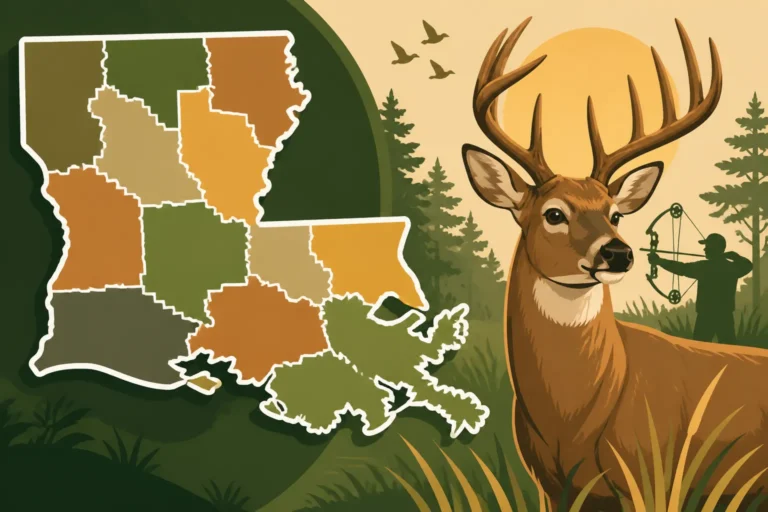
By dividing the state into zones – Coastal, West, and East – the LDWF can set different opening and closing dates, as well as split seasons, that best align with when ducks are present in those specific areas. This allows hunters in the coastal marsh to enjoy a longer season when birds are traditionally abundant there, while hunters in the northern part of the state might get an earlier start or a mid-season break that coincides with peak migration through their region. It's a pragmatic approach to maximize hunter opportunity while still adhering to federal waterfowl management guidelines and protecting the resource.
A Brief History of Louisiana Duck Zones
Louisiana’s history with duck hunting zones isn't static; it's evolved significantly over the decades as biological data accumulated, hunting pressure shifted, and federal frameworks changed. For a long time, the state might have operated under simpler, broader regulations, but as hunter numbers grew and our understanding of migratory patterns deepened, the need for more nuanced management became clear. The current three-zone system, while sometimes confusing, is the result of years of observation, public input, and scientific study.
The zones are designed to respect ecological differences, such as the timing of the "fall flight" through the different regions and the varied habitats ducks utilize across the state. The decisions aren't made lightly; they involve careful consideration of banding data, aerial surveys, and hunter harvest reports. This continuous adaptation ensures that Louisiana remains a premier destination for waterfowl, upholding a tradition passed down through generations.
General Zone Characteristics
Each of Louisiana's three duck hunting zones possesses distinct characteristics that influence everything from the primary species harvested to the popular hunting methods employed. The Coastal Zone, as its name suggests, is dominated by brackish and saltwater marsh, attracting a tremendous number of dabbling and diving ducks that winter along the Gulf. The West Zone often encompasses the fertile agricultural lands and scattered river bottoms of southwestern and central Louisiana, where ducks key in on flooded rice fields and moist soil units.
Meanwhile, the East Zone generally covers the vast river floodplains, backwater swamps, and agricultural areas east of the Mississippi River, offering diverse opportunities from flooded timber hunts for mallards to field edge shooting for gadwalls. Understanding these general characteristics is your first step in deciding where and when to focus your efforts. Knowing which ducks prefer which habitats, and when those habitats are most likely to hold birds, is key to success regardless of the specific dates.
The Coastal Zone: A Waterfowler's Paradise
Ah, the Louisiana Coastal Zone. For many, this is the very heart and soul of duck hunting in the Pelican State. Imagine vast expanses of marsh grass stretching as far as the eye can see, broken only by winding bayous and isolated ponds, all teeming with the sounds of a million wings. This zone is a magnet for wintering waterfowl, and its unique geography dictates a unique set of rules and challenges.
Defining the Coastal Zone Boundary
The Coastal Zone is the southernmost of Louisiana’s duck hunting areas, typically extending inland from the Gulf of Mexico. Its northern boundary is a critical line for hunters to know, as crossing it, even by a few yards, can put you into a different zone with different season dates. Generally, this boundary runs along specific highways and geographic features. For instance, it usually follows Louisiana Highway 82 from the Texas state line eastward to its intersection with Louisiana Highway 333, then north to Louisiana Highway 14. From there, it continues east along LA 14 to U.S. Highway 90, and then follows US 90 eastward to its junction with LA 70, continuing south along LA 70 to LA 20, and then following LA 20 to its intersection with U.S. Highway 90. It picks back up US 90 and follows it to the Mississippi State line. These roads and waterways act as distinct borders, creating a clear separation that hunters must pay close attention to, especially when hunting areas like the Vermilion Parish Marsh or the Terrebonne Parish Marsh. It’s always smart to consult the current year's LDWF regulations pamphlet or a reliable mapping tool before heading out.
Unique Habitat and Target Species
The Coastal Zone is predominantly characterized by its expansive coastal marshland, which includes saltwater, brackish, and freshwater marsh habitats. This mosaic of environments provides critical feeding, resting, and roosting grounds for a diverse array of waterfowl. You'll find shallow ponds, mudflats, and vast stretches of submerged aquatic vegetation, making it an ideal wintering spot for dabbling ducks like gadwall, green-winged teal, American wigeon, and of course, our iconic pintails.
Diving ducks, such as scaup, redheads, and canvasbacks, also thrive in the deeper, more saline waters closer to the Gulf. The sheer abundance of food sources, from small invertebrates to various marsh grasses and seeds, is why so many ducks choose to spend their winter here. Hunters often employ shallow-draft boats to navigate the intricate bayous and set up layout blind hunting coastal rice fields or permanent blinds overlooking marsh ponds. This rich ecosystem supports some of the highest duck densities in the state, making it a bucket-list destination for many waterfowlers.
Coastal Zone Season Dates and Splits
Historically, the Coastal Zone enjoys a relatively long season, often with a mid-season split. This split is strategically placed to allow for the arrival of new migrations of ducks later in the season and to potentially relieve pressure on birds during a period of lower activity. For example, a typical season might see an opening segment in early November, run for a few weeks, then close for a period, and reopen in mid-December, extending into late January.
These specific dates are crucial, and they vary annually based on federal guidelines and LDWF biological assessments. Missing a split opening could mean missing out on some of the best hunting of the year, particularly as new waves of birds push down the Mississippi Flyway. Hunters planning a trip to areas like those near Cameron Parish should always double-check the exact dates for both segments of the season to ensure their hunt aligns with open days.
The West Zone: River Bottoms and Rice Fields
Venturing westward from the core of the state, Louisiana's West Zone presents a different, yet equally exciting, duck hunting landscape. While it might lack the seemingly endless marsh of the coast, it makes up for it with agricultural bounty and intricate river systems that funnel birds directly into prime feeding areas.
Mapping the West Zone's Reach
The West Zone primarily encompasses the western and central portions of Louisiana, defined by its eastern boundary where it meets the East and Coastal Zones. This boundary typically runs north from the Coastal Zone boundary, following specific roadways, waterways, or even parish lines. For example, the eastern line generally follows U.S. Highway 165 from the Arkansas state line south to its junction with U.S. Highway 190, then west along US 190 to its intersection with Louisiana Highway 70, then south to its juncture with LA 20, and then continuing to its confluence with US 90. This means parishes like Calcasieu, Beauregard, and parts of Acadia and Evangeline fall squarely within this zone.
Knowing where these major highways and parish lines intersect with the zone boundary is absolutely essential. A slight miscalculation on a foggy morning could inadvertently lead you into a closed season area or a zone with different regulations. It's a testament to how precise you need to be with your scouting and planning.
Key Habitats and Duck Species
The habitats in the West Zone are a fantastic blend of managed agricultural lands and natural riverine systems. Rice fields, once harvested, are often flooded intentionally to attract waterfowl, creating vast, shallow feeding grounds that ducks absolutely flock to. These fields are magnets for pintails, green-winged teal, gadwall, and even good numbers of mallards, particularly when conditions are right for working flooded timber for mallards in nearby bottomlands.
Beyond the rice country, the zone also includes numerous natural and man-made impoundments, scattered timber patches, and the winding courses of rivers like the Sabine and Calcasieu. These areas provide diverse options, from open-water hunting on larger reservoirs to more intimate hunts in smaller pockets of flooded woods. The combination of readily available grain and diverse water sources makes the West Zone incredibly productive for a wide variety of duck species throughout the season.
West Zone Season Structure
The West Zone's season structure is generally designed to accommodate the arrival and movement of ducks through the western half of the state. While specific dates change annually, it often features an earlier opening than the Coastal Zone, sometimes in mid-November, and may also include a split season. This earlier start often allows hunters to capitalize on the first major push of migratory birds before they settle into their wintering grounds further south.
The timing of the splits and subsequent reopenings is calculated to provide hunting opportunities during periods of peak bird presence, often coinciding with colder fronts pushing new birds into the region. Hunters looking to experience some classic "rice field hunting" or river bottom action need to pay close attention to these dates. Remember that Louisiana Duck and Goose Bag Limits apply equally across all zones, so species identification remains paramount, especially with varying limits for different duck species.
The East Zone: Marsh, Swamp, and Agricultural Lands
The East Zone often feels like a melting pot of Louisiana's diverse waterfowl habitats. From the expansive floodplains of major rivers to agricultural fields and coastal fringes, this zone offers a truly mixed bag of hunting experiences, each with its own rhythm and rules.
Identifying the East Zone's Borders
The East Zone covers the eastern portion of Louisiana, generally situated east of the West Zone and north of the Coastal Zone. Its western boundary usually runs north from the Coastal Zone boundary, following specific highways, particularly U.S. Highway 165 from the Arkansas state line south to U.S. Highway 190, then west along US 190 to its intersection with Louisiana Highway 70. This places parishes like Concordia, Tensas, and parts of Ouachita and Avoyelles squarely within its boundaries.
The southern edge of the East Zone butts up against the northern line of the Coastal Zone, typically following U.S. Highway 90 eastward from its junction with Louisiana Highway 70. This means hunters in areas like the Pearl River Wildlife Management Area or those planning hunts in the Atchafalaya Basin need to be acutely aware of which zone they are operating in, as a slight misjudgment can have legal ramifications. It’s crucial to cross-reference maps with the official LDWF regulations to ensure you're compliant.
Diverse Landscapes and Duck Species
The East Zone is incredibly diverse, offering habitats that range from vast stretches of flooded timber in the Mississippi River floodplain to expansive freshwater marsh in areas adjacent to the Atchafalaya Basin. Agricultural fields, particularly those planted in corn, soybeans, or winter wheat, also draw significant numbers of ducks, providing crucial feeding areas. This mix of environments attracts a wide variety of waterfowl.
You'll find plenty of mallards, especially in the famed flooded timber bottoms, along with gadwalls, wood ducks, and green-winged teal. The presence of large river systems and swamps also provides ideal habitat for wood ducks, making jump-shooting Louisiana bayous for wood ducks a popular tactic. The habitat diversity ensures that hunters have multiple options, whether they prefer wading through submerged trees or setting up on a field edge.
East Zone Season Openers and Closures
The East Zone's season dates, like the other zones, are set annually by the LDWF in coordination with federal frameworks. Typically, this zone might see an opening date around the same time as the West Zone, often in mid-November, and it also commonly incorporates a split season. The timing of the East Zone’s season is often influenced by the major migratory pushes of ducks down the Mississippi River, aiming to align hunting opportunities with peak bird availability.
Hunters in this zone will want to pay close attention to the specific dates for both segments of the season, as the late season often brings in the coldest weather and some of the best hunting, especially for big ducks like mallards. Understanding these nuances is critical for planning successful hunts, whether you're targeting birds early in the season or waiting for the big pushes of wintering waterfowl.
Navigating Zone Boundaries and Practical Considerations
Understanding the theory behind the zones is one thing, but actually navigating them in the field can be another challenge entirely. Louisiana's landscape, with its winding waterways and often indistinct natural boundaries, can make identifying your exact location relative to a zone line tricky. This is where preparation and modern tools truly shine.
Determining Your Location Precisely
The most common frustration among hunters regarding duck zones is the fear of being in the wrong place at the wrong time. Imagine you're hunting a large swamp or marsh where the zone line follows an obscure, unnamed bayou or an old, overgrown pipeline canal. Without clear markers, it's easy to inadvertently stray. Before you ever leave the boat launch, it's paramount to study detailed maps. The LDWF provides excellent resources, but combining those with satellite imagery can give you an even clearer picture.
Pay close attention to the specific named highways, parish lines, and prominent waterways that define the boundaries. If a boundary follows a highway, are you certain which side of the highway you'll be hunting on? If it's a bayou, which bank marks the official line? Precision is key, and taking the time to mark these points on your physical or digital maps will save you a lot of anxiety and potential legal trouble.
Hunting Near Zone Lines: What to Know
Hunting near a zone line requires an extra layer of diligence. For example, if a large lake or an expansive marsh is bisected by a zone boundary, you might find yourself in a situation where birds are actively flying between an open zone and a closed zone. The temptation to "just cross over" can be strong, but it's a risk you absolutely should not take. The regulations are clear: you must be within the open zone during its legal hunting hours.
This means if your decoy spread is even partially in a closed zone, or if you retrieve a downed bird from a closed zone without specific provisions (which are rare and highly conditional), you could be facing a violation. It’s always best to give zone lines a wide berth when hunting to avoid any ambiguity. If you're on a multi-day trip, especially if you're hunting different areas or properties, you might be transitioning between zones, making it even more important to be aware of the daily regulations specific to your location.
Using Technology for Zone Awareness
In today's digital age, technology is a duck hunter's best friend when it comes to navigating complex regulations like zone boundaries. Forget squinting at laminated paper maps in the dark; modern mapping apps can put all the information you need right in the palm of your hand. Tools like GoHunt can be incredibly helpful here, overlaying detailed duck zone boundaries directly onto high-resolution satellite imagery. This means you can see your exact GPS location in real-time, relative to the zone lines.
Many apps even allow you to download maps for offline use, which is critical when you’re out in the remote marsh or swamp where cell service is non-existent. Before your hunt, take the time to mark your intended hunting spot and check its zone status. These digital tools significantly reduce the guesswork and provide a confident understanding of where you stand, literally and legally. Utilizing such platforms for scouting Louisiana public land before season can also help identify prime spots within your chosen zone.
Staying Compliant: Licenses, Stamps, and Regulations
Beyond just knowing your zones, successful and legal duck hunting in Louisiana requires adherence to a broader set of regulations, from securing the correct licenses to understanding bag limits and species identification. It's a responsibility every hunter takes on to ensure the longevity of our waterfowl heritage.
Essential State and Federal Requirements
Before you even think about setting out decoys, you need to ensure all your paperwork is in order. Every duck hunter in Louisiana, resident or nonresident, must possess a valid Louisiana hunting license. But that’s just the start. You'll also need a Louisiana Migratory Bird Certification, often referred to as a "duck stamp" at the state level. On top of that, federal regulations require all waterfowl hunters 16 years of age or older to purchase a valid federal duck stamp.
These funds, both state and federal, are crucial for wetlands conservation, habitat acquisition, and management, directly benefiting the ducks we hunt. Furthermore, you must also be HIP (Harvest Information Program) certified. This short survey helps wildlife agencies gather vital data on migratory bird harvest. For those who may have taken their hunter education years ago, remember that Louisiana Hunter Education Requirements ensure all new hunters are properly trained in safety and ethics.
Bag Limits and Species Identification
Louisiana's duck hunting regulations specify daily bag limits, which is the maximum number of ducks you can harvest in a single day, and possession limits, which dictate how many ducks you can have in your possession after a multi-day hunt. These limits aren't just for total ducks; they often include species-specific restrictions. For instance, you might be allowed six ducks in your daily bag, but only two may be mallards, one pintail, or three wood ducks.
This is where accurate waterfowl identification becomes incredibly important. You need to be able to distinguish between different species in flight and on the water to ensure you're not exceeding specific species limits. This can be challenging, especially in low light or at long distances, but it's a skill every responsible duck hunter must develop. Practicing with field guides and online resources before the season opens is a great way to brush up on your knowledge.
Reporting and Conservation Efforts
Louisiana hunters are required to immediately tag harvested migratory game birds that are not in their immediate possession or are being transported by another person. While there isn't a mandatory "check-in" system for every duck, the data collected through the HIP survey and federal banding programs is invaluable. When you harvest a banded bird, reporting that band number contributes directly to critical population assessments and helps biologists understand migration routes, survival rates, and harvest impacts.
Participating in these conservation efforts, even through simple acts like accurately reporting bands, is part of being a responsible steward of the resource. Organizations like Ducks Unlimited and Delta Waterfowl also play massive roles in conserving and restoring wetland habitats, ensuring that future generations will have the opportunity to experience the thrill of Louisiana duck hunting. Every hunter plays a part, big or small, in the ongoing conservation story of Louisiana Waterfowl on the Mississippi Flyway.
| Zone | Typical Season Start (First Split) | Typical Season End (First Split) | Typical Season Start (Second Split) | Typical Season End (Second Split) | Primary Habitat | Common Species |
|---|---|---|---|---|---|---|
| Coastal | Early November | Late November | Mid-December | Late January | Brackish/Saltwater Marsh, Coastal Ponds | Gadwall, Green-winged Teal, Pintail, Wigeon, Scaup, Redhead |
| West | Mid-November | Early December | Mid-December | Late January | Flooded Rice Fields, River Bottoms, Reservoirs | Pintail, Green-winged Teal, Gadwall, Mallard, Shoveler |
| East | Mid-November | Early December | Mid-December | Late January | Flooded Timber, Freshwater Marsh, Agricultural | Mallard, Wood Duck, Gadwall, Green-winged Teal, Shoveler, Ring-necked Duck |
Note: These dates are typical historical examples. Hunters MUST always consult the current year's Louisiana Hunting Regulations from the LDWF for precise, legally binding season dates, bag limits, and specific zone boundaries. Regulations are subject to change annually.
Disclaimer
Please be aware that hunting regulations, zone boundaries, and season dates are subject to change annually by the Louisiana Department of Wildlife and Fisheries (LDWF) and federal agencies. While this guide aims to provide comprehensive and accurate information, it is your responsibility to consult the most current official LDWF hunting regulations pamphlet or website before planning and engaging in any hunting activities. This content is for informational purposes only and should not be considered a substitute for official legal guidance.