Louisiana Suburban Archery-Only Zones
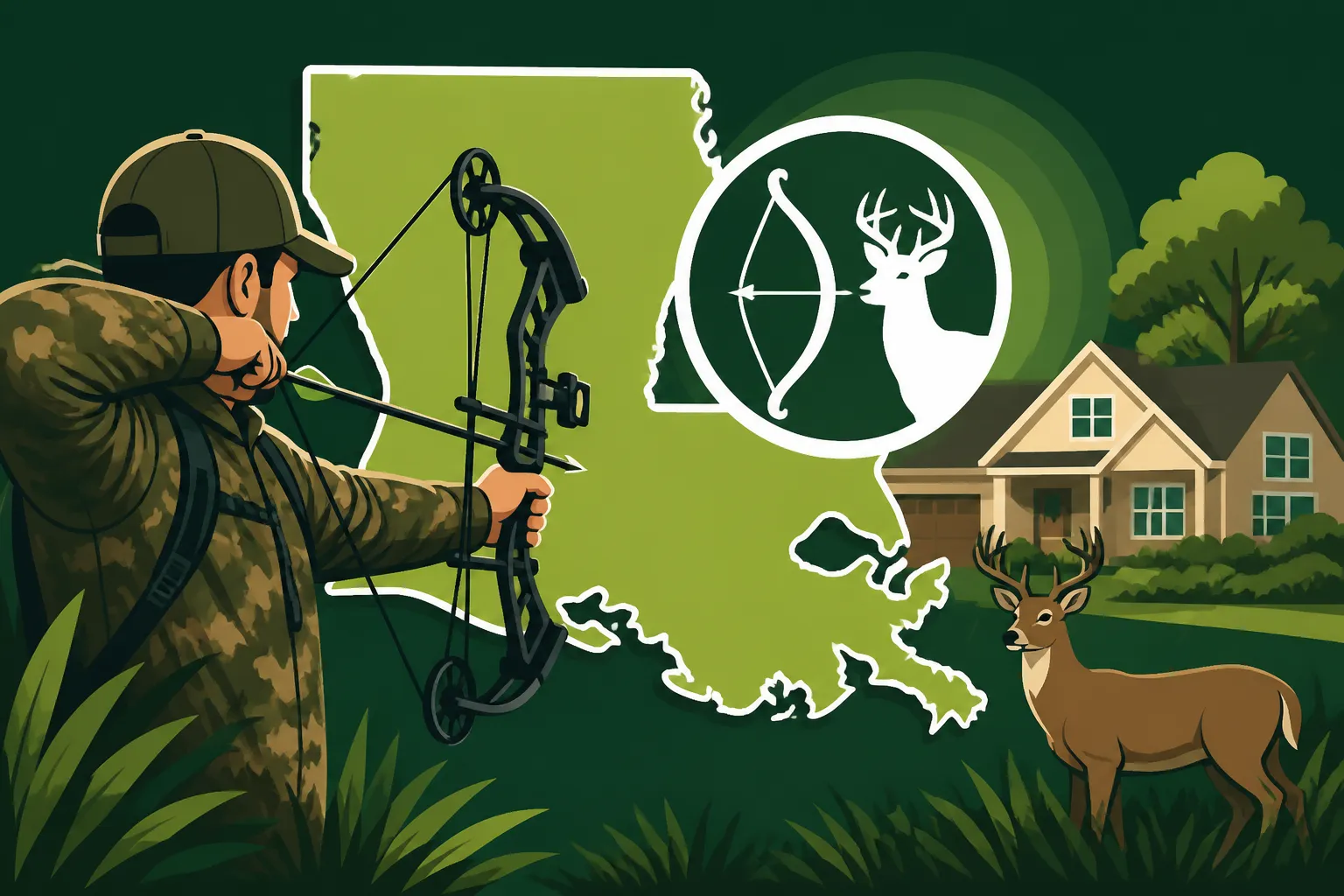
It can feel incredibly frustrating when you live in or near a Louisiana city and the thought of deer hunting seems miles away, both literally and figuratively. You might feel penned in, watching suburban deer munch on landscaping while prime hunting land feels out of reach, or worse, you think you need to travel hours just to find an opportunity. But what if I told you that unique opportunities exist closer to home, within carefully designated Louisiana suburban archery-only zones, offering a chance to pursue whitetails without leaving the parish? This guide is going to walk you through everything you need to know about these special zones, from understanding the rules to mastering the tactics that make them a viable and exciting option for dedicated archers.
Understanding Louisiana's Suburban Archery-Only Zones
When we talk about "suburban archery-only zones" in Louisiana, we're not just throwing around a fancy term. These are specific areas, often on the fringes of urban development or even within city limits, where the Louisiana Department of Wildlife and Fisheries (LDWF) and local municipalities have worked together to create limited hunting opportunities. The primary goal is usually population control for deer that have become accustomed to human environments, while also providing a safe recreational outlet for archers. It’s a delicate balance, and understanding the nuances is key to participating successfully and responsibly.
What Defines an Archery-Only Zone?
At its core, an archery-only zone restricts hunting to specific archery equipment—bows and crossbows. No firearms are allowed, and for very good reason: safety in densely populated areas. These zones are typically established where deer populations are thriving but traditional firearms hunting would pose an unacceptable risk to public safety due to homes, businesses, and infrastructure. This means you'll usually be limited to traditional bows, compound bows, or, as per Crossbow Rules During Louisiana Archery Season, crossbows, depending on state and local regulations for the area. The equipment choice is critical, ensuring minimal noise and maximum control over shot placement and arrow trajectory, which is paramount when houses are just beyond the tree line. The definition also often includes specific boundaries, often tied to city limits, parish lines, or even natural barriers, which you need to be acutely aware of before you ever step foot into the woods.
Where Are These Zones Typically Located?
You might be surprised to learn just how close some of these opportunities can be. While Louisiana's vast tracts of timber and swamp are legendary, deer don't just stay in those wild places. They thrive in "green spaces" within or adjacent to urban environments—think large undeveloped private tracts, expansive industrial parks with wooded borders, sprawling university campuses, or even significant private landholdings nestled among subdivisions. For instance, parishes surrounding Baton Rouge or Shreveport might have programs or landowners participating in deer management via archery. These aren't usually vast public lands like a WMA; rather, they're often fragmented pieces of private property that, collectively, can offer substantial hunting acreage. It's not uncommon to find these zones near areas experiencing high deer-vehicle collisions or where deer are causing significant damage to gardens and landscaping. It's often a collaborative effort between landowners, local government, and the LDWF to manage these localized deer populations.
Why Archery-Only?
The choice to make these zones "archery-only" is fundamentally driven by safety and population management. Imagine trying to use a high-powered rifle in an area where homes are just a few hundred yards away. The potential for a bullet to travel far beyond its intended target is simply too great, creating an unacceptable risk to human life and property. Archery, on the other hand, offers a much shorter effective range and a much lower risk of over-penetration or stray projectiles traveling long distances. This makes it a far safer and more socially acceptable method for controlling deer numbers in areas with high human density. Furthermore, the quieter nature of archery hunting minimizes disturbance to residents. It’s a practical and often necessary compromise that allows for effective deer management where traditional hunting methods would simply be impossible. It’s about leveraging a precise, discreet method to address a real problem—overpopulation of deer in suburban settings—while respecting the safety and peace of mind of residents.
Navigating the Regulations and Obtaining Access
Hunting in a suburban archery-only zone isn't like heading out to a remote WMA or a sprawling lease. The rules are often more stringent, requiring meticulous attention to detail and a keen understanding of both state law and local ordinances. Forget for a moment what you know about Louisiana's Ten Deer Hunting Areas Explained; these specific zones operate under an entirely different set of considerations, often layered on top of the general state regulations. Getting things wrong here can have serious consequences, so it's paramount to do your homework.
Key LDWF Regulations for Suburban Archery
Even in these specialized zones, you're still operating under the umbrella of LDWF regulations. This means you need all the standard licenses and tags, such as your Louisiana Resident Hunting License Options or the appropriate nonresident equivalent, along with your deer tags. You'll also need to be mindful of state-mandated Louisiana Hunter Education Requirements if you fall into the age categories that require it.
Beyond the basics, LDWF will usually have specific directives for any officially recognized suburban zones. These might include:
- Season Dates: While general archery seasons apply, some suburban zones might have extended or modified dates to maximize harvest opportunities or address specific population goals. Always check the current LDWF hunting regulations pamphlet and any local addendums.
- Bag Limits: Often, these zones will have more liberal antlerless deer bag limits, sometimes allowing for multiple antlerless deer per day, to aggressively manage herd numbers. This is a primary driver for offering these unique hunts.
- Legal Equipment: As mentioned, only archery equipment is allowed. This typically means compound bows, recurve bows, longbows, and crossbows. Always ensure your equipment meets minimum draw weight and arrow/bolt specifications.
- Deer Reporting: Just like any other harvest, deer taken in suburban zones must be reported to the LDWF. This is crucial for biologists to track harvest data and assess the effectiveness of these management programs. You can usually do this via the LDWF app or website, as outlined in Louisiana Deer Reporting Requirements.
It’s always a good idea to contact the local LDWF office for the parish you intend to hunt in, or even the municipal office, as they can provide the most up-to-date and specific information for any designated zones.
Securing Permission on Private Suburban Lands
This is perhaps the biggest hurdle for anyone looking to hunt in these zones: access. Unlike public lands, suburban archery zones are almost exclusively on private property. This means you must have explicit, written permission from the landowner. Simply having a license and knowing the zone exists isn't enough.
Here’s how to approach it:
- Identify Potential Properties: Look for larger tracts of undeveloped or lightly developed land within the designated suburban zone. Aerial maps, like those found on the GoHunt app or similar platforms, are invaluable here. You can identify wooded areas, creek bottoms, or fallow fields that might hold deer. onX Layers for Louisiana Land Status can help you identify property lines and landowner information.
- Research Landowners: Once you have potential properties, you'll need to identify the owners. Public tax assessor records, available online for most parishes, can help.
- Make Your Pitch: This is where you become an ambassador for hunting. When you approach a landowner, be polite, professional, and clear about your intentions. Explain why you want to hunt (e.g., to help control deer numbers, prevent property damage, provide venison). Emphasize safety protocols, your commitment to ethical hunting, and respect for their property.
- Focus on the Benefit: Many suburban landowners are frustrated by deer eating their gardens or posing a traffic hazard. Frame your request as a solution to their problem.
- Offer Guarantees: Assure them you will be discreet, only hunt with a bow, adhere to all safety regulations, and remove all traces of your hunt.
- Written Agreement: Always get permission in writing. This protects both you and the landowner. It should specify the dates, times, areas, and conditions of your access. For more on this, check out Do You Need Written Permission in Louisiana?.
- Networking: Sometimes, the best way in is through word of mouth. Let friends, family, and coworkers know you're looking for suburban archery access. You might be surprised who knows someone with a deer problem on their property.
Remember, you are a guest. Treat the property with the utmost respect. This not only ensures your continued access but also helps future hunters seeking similar opportunities.
Understanding Local Ordinances and Restrictions
This is the critical layer of regulation that many hunters overlook, often to their peril. While the LDWF sets statewide hunting rules, cities and parishes often have their own ordinances that can further restrict or even prohibit hunting within their boundaries, even if the state allows it.
For instance, a parish might have a blanket ban on discharging any weapon (including bows) within a certain distance of an occupied dwelling, or within city limits altogether. These local rules often supersede state regulations in terms of what you can actually do on the ground.
You need to investigate:
- Municipal Ordinances: Check the official website or contact the city clerk's office for the specific municipality you plan to hunt in. Look for sections related to weapons discharge, hunting, or wildlife management.
- Parish Ordinances: Similarly, check with the parish government. Some parishes might have more lenient rules than their constituent cities, or vice versa.
- Homeowners Associations (HOAs): If the property is within an HOA, there might be additional covenants that prohibit hunting or the discharge of weapons, even on private property. Always inquire.
- Louisiana Firearms Discharge Setback Rules: While these specifically address firearms, many local ordinances apply similar setback principles to archery equipment, requiring you to be a certain distance from homes, roads, or property lines.
The bottom line is that while Louisiana may allow archery hunting in a general sense, local jurisdictions can and do implement stricter rules. A polite phone call or visit to the local police department or sheriff's office in the area can often clarify any ambiguities and keep you out of trouble. Ignoring these local laws is not only illegal but can severely damage the public perception of hunters in these sensitive areas.
Strategies for Successful Suburban Archery Hunting
Hunting deer in a suburban archery-only zone is a completely different ballgame than stalking through a vast national forest or sitting in a traditional box stand on a big lease. Here, you're dealing with smaller, often fragmented pieces of land, constant human activity, and deer that are incredibly wary but also surprisingly acclimated to people. It requires a refined approach, focusing on stealth, precision, and understanding deer movement patterns in an urbanized landscape.
Scouting and Stand Placement in Densely Populated Areas
Effective scouting is always vital, but in suburban settings, it takes on an almost surgical precision. You're not looking for miles of travel corridors; you're looking for subtle funnels, bedding areas within small thickets, and consistent food sources that might be someone's prize-winning hostas.
- Aerial Intelligence: Start with your maps. Tools like GoHunt are invaluable for Scouting With the LDWF App and getting a bird's-eye view. Identify green spaces, wooded corridors along creeks, power lines, or drainage ditches that might serve as natural travel routes between bedding and feeding areas. Look for patches of thick cover that offer security, even if they're small. Use Finding Louisiana Property Lines to clearly delineate where you can and cannot go.
- On-the-Ground Reconnaissance: Once you have permission, walk the property discreetly before the season. Look for deer sign—tracks, droppings, rubs, and scrapes. Pay close attention to pinch points where deer are forced to travel through a narrow strip of cover. Note any natural barriers like fences, roads, or dense brush that might funnel deer movement.
- Understanding Food Sources: Suburban deer often have a diverse diet. While they'll still browse on natural forage, they're also keenly aware of ornamental plants, gardens, and even bird feeders. Identify what they're hitting most consistently.
- Stand Placement for Stealth and Safety: Your stand location must prioritize safety above all else.
- Backdrop: Always have a solid backdrop (a dense tree, a hill) to catch any potential pass-through or missed arrows.
- Discretion: Your stand should be as invisible as possible from surrounding homes or public view. Climbing stands or hang-on stands that can be removed daily might be preferable to permanent structures, depending on landowner rules and your comfort level.
- Wind: Never compromise on wind direction. Suburban deer are just as scent-sensitive as their wilder counterparts, if not more so, because their survival often depends on avoiding human contact.
- Exit/Entry Routes: Plan your entry and exit paths to be as quiet and unnoticeable as possible. Avoid walking past homes or crossing open areas if deer might be present. Consider going in well before daylight and staying until after dark.
Overcoming Pressure and Unique Challenges
Hunting in these zones comes with its own set of unique pressures and challenges that traditional hunters might not be accustomed to.
- Human Activity and Noise: Expect to hear dogs barking, cars driving by, lawnmowers, and children playing. Suburban deer are desensitized to these sounds, but you need to be able to focus through them. Don't assume noise means deer aren't present. They've learned to live with it.
- Smaller Tracts and Shorter Engagements: You'll likely be hunting smaller parcels of land, meaning your opportunities might be fewer and shots need to be taken quickly and confidently when they arise. Deer won't linger.
- "Neighborhood Deer" Mindset: These deer are often accustomed to seeing people, but they're incredibly adept at discerning between a jogger and a hunter. Any perceived threat, even a subtle one, can send them packing. This means minimizing scent, movement, and visual profile is even more critical.
- Retrieval Challenges: If you harvest a deer, the retrieval can be complicated. You might need to drag a deer through someone's yard, across a small road, or near homes. Plan your recovery route beforehand. Always consider the quick, clean handling of the animal, especially in warmer Louisiana weather, as detailed in Field Dressing a Deer in Warm Weather. Have a plan for quick processing and removal to avoid alarming neighbors or drawing unwanted attention.
Ethical Considerations and Public Perception
This is perhaps the most crucial aspect of hunting in suburban archery-only zones. Every action you take, positive or negative, reflects not just on you, but on all hunters. Poor decisions can lead to lost opportunities for others and even outright bans.
- Shot Selection: With houses and public areas nearby, shot placement is non-negotiable. Only take ethical, high-percentage shots at deer that are broadside and within your comfortable, practiced range. Know your limits, and if in doubt, let the deer walk. An injured deer that travels onto someone's property or into a public space creates a major problem.
- Respect for Neighbors: Be courteous and considerate. If a neighbor sees you, offer a friendly wave. Don't trespass, don't leave trash, and always be mindful of noise. Your behavior is under a microscope.
- Public Image: Understand that many non-hunters might not grasp the concept of hunting, especially in their backyard. Be prepared to educate respectfully if asked, emphasizing deer management and the humane aspect of archery. Avoid any behavior that could be misconstrued as aggressive or disrespectful.
- Louisiana Posted Land Rules: Even with permission, be absolutely certain of property boundaries and respect any "No Hunting" or "Private Property" signs on adjacent parcels. Misstepping here is not an option.
By adhering to the highest ethical standards, you not only ensure your own success but also help preserve these unique hunting opportunities for future generations of Louisiana archers.
Important Resources and Tools for Suburban Archery Hunters
Successful suburban archery hunting isn't just about stealth and skill; it's also about being well-informed and utilizing the right tools. Because these zones are often a mix of state regulations, local ordinances, and private property concerns, having reliable resources at your fingertips is absolutely essential. Don't just show up with your bow; show up with a plan and the intelligence to back it up.
Leveraging Technology for Zone and Property Identification
In an environment where property lines are critical and boundaries are everything, modern technology can be your best friend. Gone are the days of relying solely on paper maps and vague directions.
-
Mapping Apps (e.g., GoHunt, onX Hunt): These are non-negotiable for suburban hunting. Apps like GoHunt allow you to:
- Visualize Property Lines: Crucially, they show clear property boundaries and often landowner information, helping you identify potential areas and who to ask for permission. This is particularly useful for Finding Louisiana Property Lines.
- Identify Public vs. Private Land: While most suburban zones are private, knowing where public easements or small city parks are located can help you understand deer movement patterns around those areas.
- Mark Waypoints: Drop pins for stand locations, deer sign, potential entry/exit routes, and even sensitive areas to avoid (like a neighbor's dog kennel or a busy road).
- Offline Maps: Crucial for areas where cell service might be spotty, even near urban centers.
- Topography and Aerial Imagery: Use the high-resolution satellite imagery to identify subtle terrain features, thick cover, and potential funnels that might not be obvious on the ground.
- GoHunt's robust features, including detailed land ownership overlays and public land boundaries, make it an invaluable asset for planning and navigating these complex hunting grounds. For instance, using onX Layers for Louisiana Land Status (a feature often replicated or found in other advanced mapping apps like GoHunt) can literally save you from trespassing fines.
-
LDWF Website and App: The official Louisiana Department of Wildlife and Fisheries website is your primary source for all state-level regulations. Download the LDWF app to have direct access to regulations, season dates, and the mandatory deer reporting system, which is essential for tracking your Louisiana Deer Harvest Records. These platforms will also often highlight specific programs or special opportunities available in various parishes, including any designated suburban archery programs.
Connecting with Local Programs and Wardens
Don't underestimate the power of direct communication. Building relationships and staying informed at the local level can provide critical insights and prevent misunderstandings.
- Local LDWF Enforcement Agents (Game Wardens): These individuals are the boots on the ground. They know the local nuances, the specific landowners involved in potential programs, and any local ordinances that might affect hunting. A polite phone call to your parish's local game warden can provide invaluable advice and clarify any specific rules for a piece of property you're considering. They are there to help ensure safe and legal hunting.
- Municipal or Parish Parks and Recreation Departments: Sometimes, city or parish governments run their own deer management programs, often utilizing archery hunters. These might be on city-owned green spaces, watershed lands, or other municipal properties. Contacting these departments can reveal opportunities that aren't widely advertised.
- Local Conservation Groups: Many local chapters of conservation organizations (like the National Wild Turkey Federation or Quality Deer Management Association, or simply local sportsman's clubs) are involved in local wildlife initiatives. They might be aware of private landowners looking for hunters or specific programs in your area. They can also be a great source for mentorship and local tactics.
- Landowner Associations: If you're seeking permission on larger tracts that are part of a development or a collective of landowners, reaching out to any existing landowner associations can be a strategic move. They might have established protocols for deer management that you can tap into.
Being proactive and respectful in your communications with these local entities not only aids your personal hunting success but also fosters a positive image of hunters within the community, which is absolutely vital for the continuation of these unique suburban hunting opportunities.
| Feature | Traditional Hunting (e.g., WMA, Large Lease) | Suburban Archery-Only Zones |
|---|---|---|
| Location | Rural, remote, expansive | Near urban/suburban areas, fragmented green spaces |
| Equipment | Rifles, shotguns, muzzleloaders, bows | Strictly bows and crossbows |
| Access | Public land permits, private lease/ownership | Primarily private land with explicit permission |
| Regulations | LDWF statewide, WMA-specific | LDWF + Local municipal ordinances |
| Deer Behavior | Wary of human scent/sight | Acclimated to noise, wary of specific threats |
| Challenges | Remote access, large areas to scout | Obtaining permission, human presence, small tracts |
| Opportunity | Larger areas, diverse habitat | Convenient access, often higher deer density |
| Ethical Focus | Standard hunting ethics | Heightened safety, public perception, discretion |
Disclaimer
The information provided in this guide is for general informational purposes only and does not constitute legal advice. Hunting regulations, including those for suburban archery-only zones, can change frequently at both state and local levels. Always consult the official Louisiana Department of Wildlife and Fisheries (LDWF) regulations, local parish ordinances, and municipal codes before engaging in any hunting activities. It is your responsibility to know and follow all applicable laws and to obtain all necessary licenses and permits. Additionally, always secure explicit written permission from landowners before hunting on private property.