Louisiana Junior Hunting License Rules
It's an age-old tradition here in Louisiana: watching our kids grow up, dreaming of the day we can take them out into the woods or marshes to experience the thrill and quiet beauty of hunting. But let's be honest, navigating all the rules and regulations for junior hunters can feel like trying to track a mature buck through a cypress swamp – confusing and sometimes overwhelming. This guide is here to clear the mud, detailing everything you need to know about Louisiana's junior hunting license rules, ensuring your young hunter gets started on the right foot, safely and legally.
Getting Started: The Why and Who of Junior Hunting in Louisiana
There's nothing quite like witnessing the spark in a child's eyes as they learn to identify a duck's call, spot a deer track, or patiently wait for a gobbler to strut into view. Getting kids involved in hunting isn't just about bagging game; it's about connecting them to nature, teaching responsibility, and passing down a cherished legacy. The first step in this journey, after all the dreaming and scouting, is understanding the legal framework that welcomes them into the hunting community here in the Sportsman's Paradise.
Why Junior Licenses Matter for Young Hunters
A junior hunting license in Louisiana isn't just a bureaucratic hurdle; it's a tangible recognition of a young person's commitment to the hunting tradition. For many kids, holding that first license feels like a badge of honor, signifying they're officially part of the action. It fosters a sense of responsibility and pride, knowing they're now accountable to the same rules and ethics as adult hunters. This early engagement is crucial for developing a lifelong appreciation for wildlife management and conservation. It’s also an important teaching moment, showing them that privilege comes with adherence to regulations designed to protect both the hunter and the hunted.
Who Qualifies for a Junior License?
In Louisiana, the path to a junior hunting license is quite straightforward. Generally, anyone under the age of 16 is considered a junior hunter. Specifically, Louisiana residents aged 16 and under are eligible for a Junior Hunting License. This license is critical because it's what allows them to legally participate in hunting activities.
However, there's a vital distinction to make, especially for those just starting out: the difference between a "Junior Hunting License" and an "Apprentice Hunter License." The regular Junior Hunting License is typically for young hunters who have already completed a hunter education course. But what if your child is eager to hit the woods but hasn't had the chance to take the course yet? That's where the apprentice license comes in. The Louisiana Department of Wildlife and Fisheries (LDWF) offers an Apprentice Hunter Permit, which allows individuals of any age who have not yet completed a hunter education course to hunt legally, provided they are under the direct supervision of a licensed, hunter-education-certified adult. This permit is an excellent pathway to introduce new hunters to the sport before they commit to the full hunter education course. For a deeper dive into this initial stepping stone, you might want to read our article on Louisiana Apprentice Hunter License Rules.
| License Type | Age Eligibility | Hunter Education Required? | Supervision Required? | What It Allows (Basic) |
|---|---|---|---|---|
| Junior Hunting License | Under 16 (residents) | Usually Yes (see notes) | Yes (until minimum age for unsupervised hunting) | Hunting all legal game, often with specific youth seasons |
| Apprentice Hunter Permit | Any age (including juniors) | No | Mandatory Direct (by licensed, certified adult) | Hunting all legal game (under strict supervision) |
Note: While generally required for unsupervised hunting, minors under 16 may often hunt without hunter education if supervised by a qualified adult, but a Junior Hunting License is still needed to hunt unless participating solely under an Apprentice Permit. Always double-check current LDWF regulations.
Unpacking the Specifics: Licenses, Tags, and Special Hunts
Once you've determined who qualifies, the next step is understanding what the junior license actually unlocks. Louisiana offers a fantastic array of hunting opportunities, and many are specifically tailored to get young hunters engaged and successful. It’s not just a blanket permission slip; it often requires understanding additional stamps and permits, as well as knowing about the invaluable special seasons designed just for them.
What the Junior License Covers and Doesn't Cover
A basic Louisiana Junior Hunting License (for residents under 16) is quite comprehensive. It typically allows a young hunter to pursue most resident game species, including deer, rabbits, squirrels, and furbearers, during their respective open seasons. However, like adult licenses, it doesn't automatically cover all hunting activities.
For instance, if your junior hunter wants to pursue wild turkeys, they will need to purchase a Louisiana Wild Turkey License in addition to their basic hunting license. The same goes for migratory birds like ducks and geese; they'll need a Louisiana Migratory Bird Hunter Endorsement and a Federal Duck Stamp (if 16 or older for the federal stamp, but good to know for future reference). Always remember that a Wildlife Management Area (WMA) Access Permit might also be required if you plan to hunt on any of Louisiana's extensive public lands. The good news is that these add-ons for juniors are usually very affordable or sometimes even free, designed to encourage participation.
Beyond the general seasons, junior licenses are particularly valuable because they grant access to specialized youth hunts. Louisiana is incredibly proactive in offering these opportunities, recognizing the importance of introducing youngsters to the sport in a controlled, less pressured environment. These often include specific Louisiana Special Youth Hunt Windows for deer, waterfowl, and even turkey, usually preceding the general season opener. This allows young hunters to have a unique experience, often with less competition from adult hunters, and can significantly boost their chances of success. For example, the Louisiana Youth and Veterans Weekend Rules often provide a fantastic early opportunity for deer hunting before the main firearms season kicks off.
The Cost and How to Purchase
The cost of a Louisiana Junior Hunting License is one of the most budget-friendly aspects of getting into hunting. As of recent regulations, a resident Junior Hunting License (for hunters ages 16 and under) is quite inexpensive. This low cost reflects the state's commitment to fostering a new generation of hunters. Required stamps, like the Wild Turkey License or the Louisiana Migratory Bird Hunter Endorsement, also maintain this affordability for youth. It's truly a minimal investment for a season of potential outdoor adventures.
Purchasing a license is incredibly convenient. You can easily do it online through the Louisiana Department of Wildlife and Fisheries (LDWF) website. This is often the quickest way to get everything squared away. Simply navigate to their licensing portal, select the appropriate junior license and any necessary stamps, and follow the prompts. You’ll need some basic information for your child, so have their date of birth and social security number handy.
Alternatively, if you prefer a more traditional approach, you can purchase licenses in person at various local vendors across the state. This includes many sporting goods stores, bait shops, and even some Walmarts. They’ll have the system to print out the physical license for you. Many experienced hunters find that platforms like GoHunt can be a fantastic resource, not just for researching hunt planning and regulations, but sometimes their integrated tools can help you navigate the process or confirm requirements before you make your purchase. While you'll still buy the official license through LDWF, platforms like GoHunt provide valuable supplementary information to ensure you're getting all the right permits.
The Guardian's Role: Supervision, Safety, and Skill Building
Getting a license is just the beginning. The real heart of junior hunting lies in the mentorship and guidance provided by an experienced adult. Louisiana has very clear rules about supervision, recognizing that safety and ethical hunting practices are paramount, especially when teaching the next generation. This isn't just about following the law; it's about building a foundation of responsible outdoor stewardship.
Supervision Requirements for Young Hunters
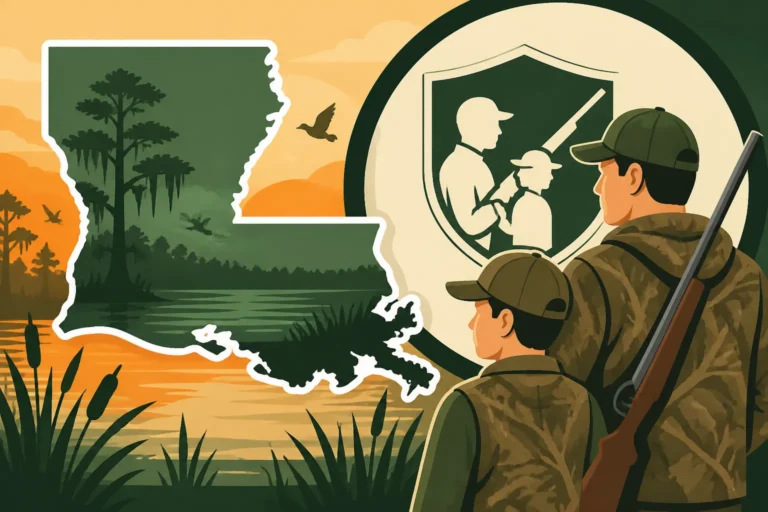
Louisiana takes the safety of its young hunters very seriously, and rightfully so. The rules regarding adult supervision are explicit and designed to ensure a safe and educational experience. For hunters 16 years of age and under, direct supervision by a properly licensed and hunter education certified adult (18 years of age or older) is generally required. What does "direct supervision" really mean? It means the supervising adult must be within normal voice communication and at all times in a position to assume immediate control of the hunting device. This isn't just about being in the same general area; it means being close enough to coach, correct, and intervene if necessary.
This close proximity is essential for teaching everything from safe firearm handling and muzzle control to shot placement and game identification. It’s also where you can impart crucial lessons about patience, understanding animal behavior, and the importance of ethical shot selection. Remember, even if a junior hunter has their own license, they are still under the umbrella of these supervision requirements until they reach the legal age for unsupervised hunting. For a definitive answer on when a young hunter can hunt independently, check out our guide on the Minimum Age for Unsupervised Louisiana Hunting.
Hunter Education and Apprentice Hunter Options
Hunter education is the cornerstone of safe and responsible hunting, and Louisiana mandates it for most hunters born on or after September 1, 1969. This means that while a younger hunter may start with an apprentice permit, they will eventually need to complete a hunter education course to hunt without strict adult supervision. The course covers critical topics like firearm safety, wildlife identification, hunting ethics, conservation, and basic first aid in the field.
The good news is that Louisiana offers several ways to complete hunter education, including in-person classes and online options, often followed by a field day. It's a comprehensive program that prepares young hunters for the responsibilities of the field. Many families find that taking the course together can be a bonding experience, reinforcing the lessons for everyone. When you're ready to look into course options or review regulations, platforms like GoHunt can be a great place to start your research, offering a centralized location to check state-specific requirements.
As mentioned earlier, the Apprentice Hunter Permit is a fantastic introductory program. It allows someone to try hunting before committing to the full hunter education course. This means an eager junior hunter can get out into the field with a mentor, gain practical experience, and decide if hunting is for them before investing time in the formal course. Just remember, the strict supervision rules are even more critical with an apprentice permit, ensuring safety while they learn the ropes. The goal is to make the entry into hunting as accessible and safe as possible, fostering a love for the outdoors from the very beginning.
Beyond the Basics: Equipment, Ethics, and Long-Term Engagement
Beyond the paperwork and the classroom, the real adventure of hunting with a junior hunter unfolds in the field. This is where practical skills are honed, character is built, and a deep appreciation for Louisiana’s wild places is cultivated. From selecting the right gear to instilling a strong ethical compass, these aspects are just as vital as understanding the license itself.
Gear Considerations for Young Hunters
Outfitting a young hunter doesn't have to break the bank, but safety and comfort should always be top priorities. For firearms, choosing a rifle or shotgun with appropriate recoil and size is crucial. Many manufacturers offer youth models that are lighter and have shorter stocks, making them easier for smaller frames to handle. A .22LR for squirrel hunting, a .410 or 20-gauge shotgun for small game and birds, or a low-recoil centerfire rifle like a .243 or 6.5 Grendel for deer are often excellent starting points. Ensure the firearm fits them well, allowing for a proper cheek weld and comfortable sight picture. For those interested in Bowhunting Louisiana's Long Archery Season, youth bows with adjustable draw weights and lengths are also readily available.
Beyond the hunting device, hearing and eye protection are non-negotiable every time they shoot. Dress them in layers appropriate for Louisiana’s often unpredictable weather – think moisture-wicking base layers, insulating mid-layers, and a waterproof outer shell. And don't forget the blaze orange! During gun seasons, Louisiana law requires wearing Hunter Orange or "Blaze Pink" for visibility. Our article on Louisiana Blaze Requirement During Gun Season can provide more specifics on this vital safety measure. Comfortable, broken-in boots are also a must for navigating our diverse terrain, from piney woods to muddy sloughs.
Instilling Conservation and Ethics
Perhaps the most important aspect of hunting with a junior hunter is teaching them the deeper meaning of the pursuit. Hunting is far more than simply harvesting an animal; it's about participating in conservation, respecting wildlife, and upholding a strong ethical code. From an early age, teach them the principles of fair chase – understanding and adhering to legal methods, respecting bag limits, and never taking advantage of an animal.
Engage them in discussions about habitat management, the role of hunters in funding conservation efforts through license fees and excise taxes on gear, and the importance of leaving no trace. Show them how to properly Field Dressing a Deer in Warm Weather or clean a squirrel, emphasizing respect for the animal and utilizing every part possible. Take them Scouting Louisiana Public Land Before Season to learn about animal sign, food sources, and travel corridors, teaching them to read the landscape. These lessons instill a lifelong appreciation for the natural world and their role in its preservation. It's about nurturing a sense of stewardship, ensuring that the hunting legacy in Louisiana continues with responsible, ethical, and passionate young conservationists.
Louisiana Junior Hunting License Overview
Here's a quick look at some key aspects of Louisiana's junior hunting license rules to help you get started:
| Category | Detail | Important Notes |
|---|---|---|
| Resident Junior License | Required for Louisiana residents under 16 years of age to hunt. | Very affordable, encourages youth participation. |
| Apprentice Hunter Permit | Allows individuals (any age, including juniors) to hunt without hunter education. | Mandatory direct supervision by a licensed, hunter-education-certified adult (18+). A great starting point. |
| Hunter Education | Generally required for hunters born after Sept. 1, 1969. | Must be completed to hunt unsupervised. Can be taken online or in-person. |
| Supervision Rules | Hunters 16 and under (without hunter education) require direct adult supervision. | Adult must be within voice communication and able to take immediate control of hunting device. |
| Special Youth Hunts | Dedicated seasons for deer, waterfowl, turkey. | Occur before general seasons, offer reduced pressure and unique opportunities. Check LDWF for dates. |
| Additional Stamps/Permits | Turkey License, Migratory Bird Endorsement, WMA Access Permit. | Purchased in addition to the basic junior license, usually low cost or free for youth. |
| License Purchase | Online via LDWF website or in-person at authorized vendors. | Have child's personal info ready. Platforms like GoHunt can help with research and regulation review. |
Disclaimer
Please remember that hunting regulations can change. While we strive to provide the most accurate and up-to-date information, it is always your responsibility to consult the official Louisiana Department of Wildlife and Fisheries (LDWF) regulations and proclamations before heading afield. This guide is for informational purposes only and should not be considered a substitute for the official legal document.