Louisiana Apprentice Hunter License Rules
It's a familiar scenario: you've always been intrigued by hunting, maybe you have friends or family who go, but you just haven't had the time or opportunity to get your hunter education certification. Or perhaps you're introducing someone new to the sport, and they're eager to get out in the woods or marsh without committing to a full course just yet. Thankfully, Louisiana understands this desire for hands-on experience, and that's exactly where the state's Apprentice Hunter License comes into play, offering a structured, safe way to try hunting under the wing of an experienced mentor.
Understanding Louisiana's Apprentice Hunter License Program
The call of the wild is strong, and for many, the sheer joy of being outdoors, learning about nature, and participating in the tradition of hunting is a powerful draw. However, the requirement for hunter education can sometimes feel like a barrier to entry, especially for adults new to the sport or those simply wanting to try it out before fully committing. Louisiana's Apprentice Hunter License program is designed to bridge this gap, allowing aspiring hunters to get their feet wet in a safe and supervised environment.
What is an Apprentice Hunter License and Who Needs It?
At its heart, an Apprentice Hunter License is a special permit that allows an individual who has not completed a hunter education course to legally hunt in Louisiana. Think of it as a provisional license. It's an incredible opportunity for anyone 16 years of age or older who wants to experience hunting firsthand but hasn't yet gone through the required Louisiana Hunter Education Requirements. For younger hunters, if they don't fall under the specific exemptions for youth hunting or haven't taken the course, this license also applies. The program acknowledges that sometimes, the best way to learn is by doing, with guidance.
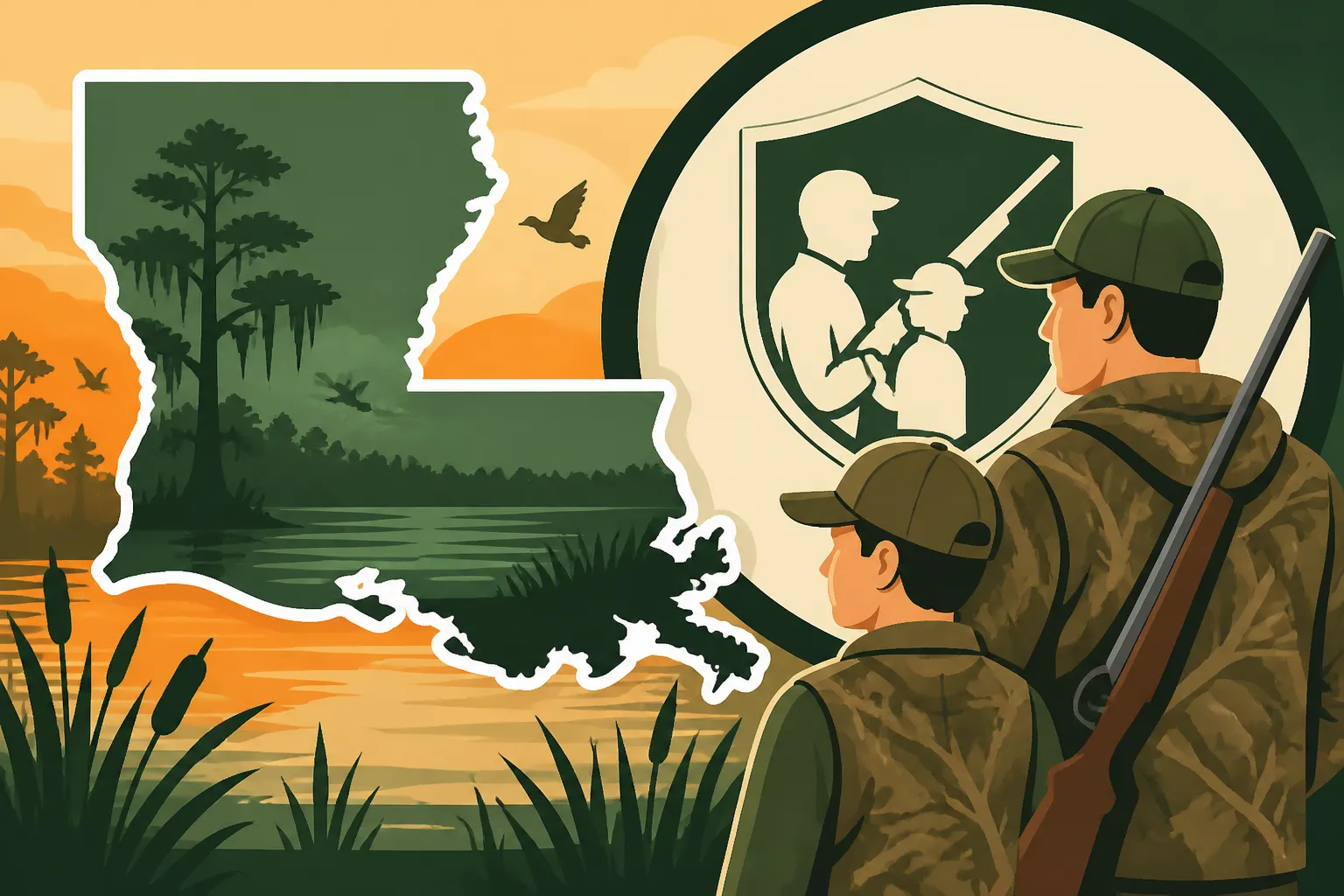
This license isn't a permanent workaround; it's a stepping stone. It's designed to give you a taste of what hunting entails, from the quiet patience of waiting in a deer stand to the camaraderie of a duck blind, all while ensuring safety remains paramount. The biggest takeaway here is that it explicitly requires you to be accompanied by a qualified, licensed, and hunter-education-certified mentor at all times while hunting. This isn't about solo adventures; it's about mentored learning.
Eligibility Requirements and Limitations
So, who can actually get one of these valuable apprentice licenses? Anyone 16 years or older who hasn't completed a hunter education course is eligible. While younger hunters might have specific youth hunting exemptions, if they're not covered by those, an apprentice license under mentor supervision would also apply. It’s important to note that this license is available to both residents and non-residents, though, as you might expect, the cost structure will differ. You'll want to check the latest Louisiana Resident Hunting License Options or Louisiana Nonresident Hunting License Options for the current fee schedule, as prices can fluctuate.
The most significant limitation, and one you absolutely cannot overlook, is the mentor requirement. An apprentice hunter must be under the direct supervision of a qualified mentor. This isn't just a suggestion; it's a legal obligation designed to protect both the apprentice and the public. The license itself typically lasts for a standard licensing year, from June 1st to May 31st, just like other Louisiana hunting licenses. It's a temporary measure, and the Louisiana Department of Wildlife and Fisheries (LDWF) hopes that this initial experience will encourage apprentices to complete their full hunter education, allowing them to eventually hunt unsupervised. Without that certification, you'll always need that mentor by your side.
The Role of the Mentor in the Apprentice Program
The mentor is truly the backbone of Louisiana's Apprentice Hunter License program. This isn't just about having another warm body in the woods; it's about passing on knowledge, instilling safety, and upholding the ethical traditions of hunting. Choosing the right mentor, and understanding their responsibilities, is critical for a successful and safe experience.
Mentor Qualifications and Responsibilities
So, who qualifies to be a mentor? According to Louisiana regulations, a mentor must be at least 21 years old, possess a valid Louisiana hunting license (or appropriate equivalent for their age/situation), and, crucially, must have successfully completed a recognized hunter education course themselves. This ensures that the mentor has a foundational understanding of safety, wildlife management, and ethical hunting practices. They've walked the path, and now they're ready to guide.
The responsibilities of a mentor are extensive and profound. Their primary duty is to provide direct supervision to the apprentice hunter at all times. This means they are responsible for the safety of the apprentice, for ensuring the apprentice understands and follows all hunting laws and regulations, and for teaching proper firearm or bow handling. They are also tasked with imparting hunting ethics, wildlife identification, and an understanding of the natural world. Imagine taking a new hunter on their first deer hunt. The mentor isn't just there to keep an eye on them; they're explaining how to read the wind, identify deer sign, and make an ethical shot. If an incident were to occur, the mentor could face legal ramifications, highlighting the seriousness of their role. It’s a significant commitment, but one that many experienced hunters find incredibly rewarding.
Mentor's Proximity and Practical Supervision
Now, let's talk about what "direct supervision" actually looks like in the field. Louisiana law specifies that the mentor must be "within normal voice and sight" of the apprentice hunter. This is a critical detail and often a point of confusion for new participants. It doesn't mean you can drop your apprentice off at one end of a large tract of land or even a Louisiana Wildlife Management Areas and pick them up hours later. It implies a much closer relationship and continuous oversight.
For deer hunting, this often means sitting together in the same treestand, ground blind, or still-hunting side-by-side. If you're on a small game hunt, like for squirrels, it means walking just a few steps behind or beside the apprentice, able to speak to them without raising your voice and see them clearly. In a duck blind, it's sharing the same blind, able to assist with calls, shot placement, and ensuring proper gun handling. The intent is that if the apprentice encounters a problem, needs advice, or makes a mistake, the mentor can immediately intervene. This isn't just about safety, though that's paramount; it's also about effective teaching. You can't truly mentor someone if you can't see what they're doing or talk them through a situation in real-time. For example, if you're trying to teach someone about Reading a Ridge for Central Louisiana Deer, being right there with them to point out subtle signs and terrain features is essential. This close supervision ensures that the apprentice is constantly learning and that potential hazards are mitigated immediately.
Acquiring and Utilizing Your Apprentice License
Getting your hands on an Apprentice Hunter License in Louisiana is a straightforward process, designed to be accessible to anyone eager to start their hunting journey. However, it's crucial to understand how this license integrates with other necessary permits and stamps.
How to Purchase Your Louisiana Apprentice License
Purchasing your Louisiana Apprentice Hunter License is pretty easy these days, thanks to modern technology. The most common and convenient way is online, directly through the Louisiana Department of Wildlife and Fisheries (LDWF) website or their Louisiana Outdoors portal. This allows you to purchase it from the comfort of your home, print it out, or save a digital copy to your phone. Remember, Carrying Proof of License on Your Phone is generally accepted, but always have a backup plan in case your battery dies.
Alternatively, you can purchase your license in person at any authorized license vendor across the state. These often include sporting goods stores, local bait and tackle shops, and even some larger retailers like Walmart that have a dedicated hunting and fishing counter. Just be prepared to provide some basic personal information. The cost will vary depending on whether you're a Louisiana resident or a non-resident. It’s always a good idea to check the current fee schedule on the LDWF website before you go, or consult a comprehensive hunting resource like GoHunt, which often provides up-to-date licensing information and links. This ensures you’re not caught off guard by any price changes.
Integrating the Apprentice License with Other Tags and Stamps
Here's an important point that new hunters sometimes miss: the Apprentice Hunter License serves as your basic hunting license. It essentially says, "I am allowed to hunt with a mentor." However, it does not automatically grant you permission to hunt all species. For many game animals, you'll need additional tags or stamps, just like any fully licensed hunter.
Let's break it down with a few examples:
- Deer Hunting: If you're planning to hunt deer, in addition to your Apprentice Hunter License, you'll need to purchase the appropriate Louisiana Deer Tag Add-On Cost. Each deer you harvest must be tagged according to LDWF regulations.
- Turkey Hunting: Similar to deer, if you're chasing longbeards in the spring, you'll need your Apprentice Hunter License plus the specific Louisiana Turkey Tag Add-On Cost.
- Waterfowl Hunting: This is where it gets a little more involved. To hunt ducks or geese, an apprentice hunter will need their Apprentice Hunter License, a Louisiana Migratory Bird Hunting License, and the crucial Louisiana Federal Duck Stamp Requirement. Furthermore, you'll need to be Louisiana HIP Certification for Bird Hunters. This comprehensive approach ensures that you're contributing to conservation efforts for migratory bird populations.
The rule of thumb is this: whatever additional stamps or tags a fully certified hunter would need for a specific species, an apprentice hunter will also need, on top of their basic Apprentice Hunter License. Always review the current Louisiana Hunting Regulations pamphlet (available online and at vendors) or use a reliable platform like GoHunt to ensure you have all the necessary permits for your target game. Being prepared means staying legal and having a stress-free hunt.
Transitioning from Apprentice to Full-Fledged Hunter
While the Apprentice Hunter License is an amazing entry point, it's truly meant to be a temporary solution. The ultimate goal for anyone serious about hunting in Louisiana should be to complete their hunter education and become a fully certified, independent hunter. This transition opens up a world of opportunities and responsibilities.
The Path to Hunter Education Certification
The apprentice license is a fantastic way to dip your toes into the hunting world, but it’s crucial to remember that it's a bridge, not a destination. The next logical and legally required step for any aspiring Louisiana hunter is to complete a certified hunter education course. This is where you gain the comprehensive knowledge and skills needed to hunt safely and ethically without constant supervision.
Louisiana offers several pathways to hunter education certification. You can attend a traditional in-person course, which often includes hands-on training and direct interaction with instructors. These courses are invaluable for practical skills and asking questions. For individuals 10 years of age or older, there's also the option of completing an online hunter education course. However, if you choose the online route, you'll still need to complete a mandatory field day portion to gain your full certification. This field day focuses on practical skills like firearm handling, safe zones of fire, and treestand safety, ensuring you get that critical real-world experience. The LDWF website provides a schedule of upcoming courses and field days, making it easy to plan your certification.
Benefits of Completing Hunter Education
The benefits of completing your hunter education and moving beyond the apprentice license are numerous and significantly enhance your hunting experience. First and foremost, you gain the freedom to hunt unsupervised. This means no longer needing a mentor constantly by your side, giving you the flexibility to hunt when and where you choose, provided you adhere to all other regulations. This is a huge step towards true independence in the field, and it also means you've passed the Minimum Age for Unsupervised Louisiana Hunting and are deemed competent by the state.
Beyond the legal aspect, the comprehensive knowledge gained from hunter education instills a deeper confidence. You'll have a stronger understanding of wildlife conservation principles, game laws, firearm safety, and ethical decision-making. This knowledge not only makes you a safer hunter but also a more effective and responsible one. Furthermore, a Louisiana hunter education certification is recognized in all other states and Canadian provinces, opening up possibilities for hunting adventures beyond our state's borders. It's a universal credential that signifies your commitment to safe and ethical hunting practices. Think of it this way: the apprentice license lets you try the water, but hunter education teaches you how to swim, and how to safely navigate the currents of hunting regulations and practices, with services like GoHunt helping you keep track of season dates and specific rules for different areas.
| Feature | Apprentice Hunter License | Full Hunter Education Certification (Basic License) |
|---|---|---|
| Hunter Education Required? | No (Primary purpose is to bypass this initially) | Yes |
| Mentor Required? | Yes, 21+ and Hunter Ed certified, within voice & sight | No |
| Age Eligibility (16+) | Yes | Yes |
| Duration | Annual (standard license year) | Lifetime (once certified, can buy annual basic licenses) |
| Supervision | Direct, immediate supervision by mentor | No supervision required |
| Permits & Tags | Requires additional species-specific tags/stamps | Requires additional species-specific tags/stamps |
| Reciprocity | Not typically recognized out-of-state | Recognized by all states/provinces (most require proof) |
| Intent | Introductory, temporary learning experience | Independent, lifelong hunting privilege and responsibility |
Disclaimer
Please remember that hunting regulations, license requirements, and fees are subject to change. While we strive to provide the most accurate and up-to-date information, it is always your responsibility to consult the official Louisiana Department of Wildlife and Fisheries (LDWF) website or current hunting regulations pamphlet before heading into the field. This guide is for informational purposes only and should not be considered legal advice.