Areas 5, 6 and 9’s Long Either-Sex Window
It's incredibly frustrating when deer season feels like it's over before it even truly begins, leaving you scrambling for those precious few either-sex days. Many hunters across Louisiana face the challenge of short windows to fill their tags, especially when they're hoping to put some venison in the freezer. But what if there were areas that offered a significantly longer, more flexible hunting opportunity? This guide is here to illuminate the unique advantages of Louisiana's Deer Hunting Areas 5, 6, and 9, which stand apart with their remarkably long either-sex seasons, providing ample time and opportunity for a truly rewarding hunt.
Understanding Louisiana's Deer Hunting Areas
Louisiana is a diverse state, not just in its culture and cuisine, but also in its incredible range of habitats. From the sprawling coastal marshes to the rolling pine hills and dense river bottomlands, each region presents its own unique challenges and opportunities for deer hunting. To effectively manage the state's white-tailed deer population and balance hunter opportunities, the Louisiana Department of Wildlife and Fisheries (LDWF) divides the state into ten distinct deer hunting areas.
The Rationale Behind Area Divisions
The division of Louisiana into ten deer hunting areas isn't arbitrary; it's a carefully considered approach based on several key factors. Habitat types, deer densities, hunter pressure, and specific biological characteristics like local rut timings all play a crucial role. For instance, some areas might have dense populations in need of more harvest, while others might have lower numbers or specific trophy management goals that require more restrictive regulations.
This strategic zoning ensures that deer populations remain healthy and sustainable across the state, even as hunting pressure and environmental conditions vary wildly from one parish to the next. For many hunters, especially those in areas with very short primitive firearms seasons or limited either-sex days, the thought of a longer, more flexible season can feel like a dream. But for those who hunt in Areas 5, 6, and 9, this dream is a reality. The regulations are designed to allow for a more substantial harvest, recognizing the robust deer populations and specific management needs of these regions. If you're looking for an overview of all the different zones and what makes them unique, diving into Louisiana Deer Hunting Area by Area can provide even more context.
A Deep Dive into Areas 5, 6, and 9 Geographies
While distinct, Areas 5, 6, and 9 share a common thread: extensive habitat that supports thriving deer populations, allowing for a more liberal hunting framework.
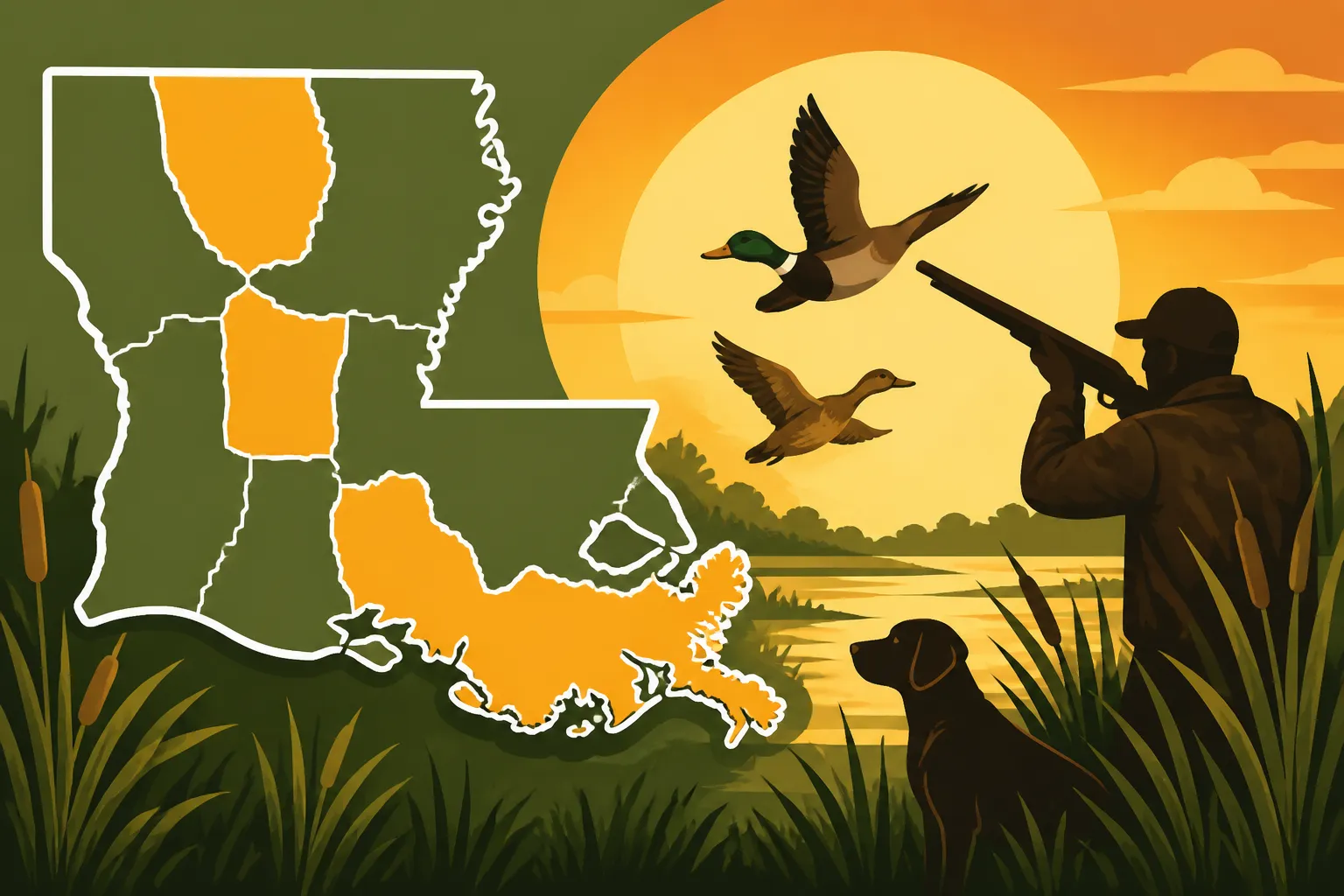
Area 5: This area encompasses a significant portion of southwest and south-central Louisiana. Geographically, it's a mix of coastal marsh, open prairies, and extensive agricultural lands, particularly rice and sugarcane fields. You'll find a lot of low-lying terrain, dotted with isolated hammocks of higher ground and dense thickets of brush and small trees. This unique landscape often presents challenges with water levels but provides incredible cover and food sources for deer. The sheer amount of undeveloped marsh and agricultural fringe means deer have vast areas to roam and feed, leading to a healthy and often high-density population.
Area 6: Situated more centrally within the state, stretching into west-central and parts of south-central Louisiana, Area 6 is a diverse blend. Hunters here will encounter everything from pine uplands and mixed pine-hardwood forests to agricultural fields and bottomland corridors along rivers and bayous. This varied terrain offers a mosaic of food and cover, allowing deer to utilize different resources throughout the year. The transition zones between these different habitat types are often hotspots for deer movement and provide excellent hunting opportunities.
Area 9: This area covers a large swath of southeast Louisiana, predominantly characterized by extensive bottomland hardwoods, swamps, and river systems like the Pearl River. Agricultural plots often punctuate the edges of these vast wet forest systems. Think cypress and tupelo swamps, towering oaks, and dense undergrowth. Deer here are adapted to the unique conditions of a wetland environment, often utilizing higher ground ridges and island-like features when water levels rise. The rich soil of the bottomlands provides abundant forage, contributing to a healthy deer herd capable of sustaining a longer harvest window.
These varied but productive habitats are precisely why the LDWF has granted these areas such generous seasons, including an extended either-sex opportunity. The sheer amount of available food and cover, coupled with population dynamics, makes these regions prime spots for longer hunting pressure.
The Advantage of an Extended Either-Sex Window
For many hunters, the phrase "either-sex window" is music to their ears. It represents a significant departure from the often restrictive buck-only regulations that dominate much of the early season in other parts of the state. This extended opportunity in Areas 5, 6, and 9 fundamentally changes how you can plan and execute your deer hunts, offering unparalleled flexibility and a higher likelihood of success.
Maximizing Hunting Opportunities
The most immediate and obvious benefit of an extended either-sex window is the sheer increase in hunting days. Instead of trying to squeeze your hunts into a handful of specific dates, you have a much broader timeframe, often stretching for months, to pursue deer regardless of their sex. This is a game-changer for folks with busy work schedules, family commitments, or those who travel from out of state. You no longer have to dread missing "the" either-sex weekend because you're busy; there's always another opportunity right around the corner.
Think about it: how many times have you sat in a stand on a buck-only day, watching does and fawns parade by, knowing full well you couldn't pull the trigger? It's a common frustration, and one that the generous regulations in Areas 5, 6, and 9 largely alleviate. Whether you're focused on filling your freezer with venison or patiently waiting for a mature buck, the flexibility to harvest a doe on any given day means your hunting efforts are far more likely to yield results. This extended window also significantly benefits younger hunters or those new to the sport, providing more chances to learn, build confidence, and experience the thrill of a successful harvest.
Strategic Hunting During the Rut
One of the most exciting aspects of an extended either-sex season in these areas is the incredible overlap it provides with various phases of the rut. Louisiana's rut timing can be a bit of a moving target, varying not just by area, but sometimes even within a parish. However, in Areas 5, 6, and 9, the long window often ensures that hunters are present for the pre-rut, peak rut, and even the post-rut periods, offering distinct strategic advantages. If you're curious about how deer behavior shifts, you might want to look into Hunting the Rut in the Long-Window Areas for more specific insights.
During the pre-rut, bucks are actively scraping and rubbing, scent-checking doe bedding areas, and becoming more visible during daylight hours. This is a prime time for calling tactics and hunting near fresh sign. As the peak rut kicks in, typically from late October through November and even into December in some parts of these areas, bucks become almost entirely focused on breeding. They are less cautious, more mobile, and often seen chasing does, making them vulnerable to hunters. The ability to harvest a doe during this period can sometimes bring a buck right into range, or simply provide you with a meat animal without impacting your trophy aspirations.
Even after the main breeding push, the post-rut offers unique opportunities. Bucks are often worn down and focused on replenishing lost energy, making food sources critically important. The extended either-sex window allows hunters to adapt their strategies, moving from rut-focused tactics to targeting late-season food sources like remaining acorns, green fields, or agricultural waste. Understanding Late-Season Food Sources for Louisiana Whitetails is crucial for capitalizing on these later opportunities. This adaptability is invaluable, transforming your hunt from a hopeful gamble into a strategic endeavor where you can truly respond to deer behavior as the season progresses.
Tactics for Success in Areas 5, 6, and 9
Hunting in Louisiana, especially within the diverse landscapes of Areas 5, 6, and 9, demands a flexible and informed approach. The success of your hunt often hinges on how well you adapt to the specific conditions of these regions, from their unique terrain to their unpredictable weather patterns.
Scouting and Stand Placement
Effective scouting is the bedrock of any successful hunting season, but it takes on an even greater importance in Areas 5, 6, and 9 due to their varied and often challenging environments. Forget last year's hotspots; deer patterns can shift dramatically with changes in water levels, food availability, and even hunting pressure. Using modern tools like the GoHunt app or the official Scouting With the LDWF App can provide invaluable aerial imagery, property boundaries, and WMA maps, helping you pinpoint potential bedding areas, travel corridors, and food sources before you even step foot in the woods. Pay close attention to subtle elevation changes in bottomlands and marshes – even a slight rise can become a significant deer highway when water is up.
When it comes to stand placement, the specific habitat dictates your strategy. In the vast coastal marsh areas of Area 5, you might be looking at elevated blinds overlooking a natural gas pipeline right-of-way, or even floating blinds designed to adapt to changing water levels. In the mixed pine and hardwood forests of Area 6, focus on natural funnels, saddlebacks between ridges, or the edges of clear-cuts where new growth provides both cover and browse. For the dense bottomland hardwoods and swamps of Area 9, look for ridges, old logging roads, and crossings over sloughs and ditches. These features act as natural travel routes for deer. Always consider wind direction and access routes to and from your stand, ensuring minimal disturbance. Remember, deer are creatures of habit, but they are also opportunists; understanding their behavior in response to the environment is key.
Adapting to Weather and Habitat Changes
Louisiana's weather is notoriously warm, especially during the early portions of the deer season. This can significantly impact deer movement, often relegating peak activity to the cooler hours of dawn and dusk. Developing a Warm-Weather Sitting Strategy in Louisiana is essential. This might involve hunting tighter to bedding areas in the mornings, or focusing on water sources and shaded cover during the midday lull. Hydration for yourself and minimizing scent are even more critical in these conditions.
However, a sudden cold front can completely change the game. Deer, especially mature bucks, often become much more active when temperatures drop, making these cold snaps prime hunting opportunities. Understanding how to capitalize on Hunting Deer After a Cold Front by focusing on fresh food sources and traditional travel routes can turn a slow season into a memorable one.
Beyond temperature, habitat changes play a huge role. A good acorn crop in the bottomlands can pull deer away from agricultural fields, while a poor mast year might push them towards planted green fields or supplemental feed sites (where legal). Water levels in the swamps and marshes are another critical factor; high water can concentrate deer on limited high ground, while low water opens up vast new areas for them to browse.
Finally, don't underestimate the utility of ground blinds, especially on public land or in areas with thick cover. They offer concealment, break up your silhouette, and provide a degree of protection from the elements. Knowing the Ground Blind Rules on Louisiana WMAs and how to effectively brush in a blind on a field edge or along a thicket can significantly increase your chances, particularly when treestand options are limited or difficult to deploy in specific terrains.
Navigating Regulations and Ethical Considerations
Hunting is not just about the pursuit of game; it's also about upholding a strong ethical code and adhering strictly to the regulations set forth by the Louisiana Department of Wildlife and Fisheries (LDWF). In Areas 5, 6, and 9, with their extended seasons, understanding these rules is paramount to ensuring a legal and responsible hunt.
Understanding Bag Limits and Reporting
Even with a long either-sex season, bag limits are in place to manage the deer population sustainably. It's crucial to consult the current Louisiana hunting regulations annually, as they can change. Generally, hunters in Areas 5, 6, and 9 will have a generous seasonal bag limit, often allowing for multiple deer, with specific daily limits. Always confirm the exact number of antlered and antlerless deer you can harvest for your specific area.
Perhaps one of the most critical aspects of compliance is reporting your deer harvest. Louisiana mandates that all harvested deer be reported within 72 hours via the LDWF's online system or mobile app. This data is vital for wildlife biologists to monitor herd health, track harvest trends, and make informed management decisions. Don't overlook this step; neglecting to report your harvest can lead to penalties. The LDWF has made it incredibly convenient, so learn more about Louisiana Deer Reporting Requirements to ensure you're always in compliance.
Furthermore, hunters must be acutely aware of Chronic Wasting Disease (CWD) zones. While Areas 5, 6, and 9 may not be directly within a CWD Positive Zone, they could be adjacent to or in a Buffer Zone, which comes with its own set of rules regarding carcass movement and mandatory testing. Knowing the boundaries of Louisiana's Chronic Wasting Disease Zones and understanding the regulations for transporting deer out of these areas is essential to prevent the spread of this devastating neurological disease. Hunters often rely on resources like GoHunt to stay updated on these crucial zone boundaries and regulations, ensuring they don't inadvertently violate any rules. Always get your deer tested if you are in or near a CWD zone.
Public Land Access and Hunter Pressure
Louisiana offers a significant amount of public hunting land within Areas 5, 6, and 9, including Wildlife Management Areas (WMAs) and portions of Kisatchie National Forest. While these public lands provide invaluable access, they can also experience higher hunter pressure, especially on opening weekends or during peak rut. Even with an extended season, smart public land hunting often means going where others won't. This might involve walking further, utilizing boat access in marsh and swamp WMAs, or hunting during weekdays when crowds thin out. Learning strategies for Finding Ground Others Walk Past can make all the difference in these popular hunting spots.
Regardless of where you hunt, respecting private land boundaries is non-negotiable. Many areas in Louisiana, particularly those with mixed agricultural and timber land, consist of a patchwork of private and public parcels. It's your responsibility to know where you are at all times. Using GPS apps with property line overlays (like GoHunt) is highly recommended. Always be familiar with Louisiana Trespass and Permission Law, which clearly outlines what constitutes trespassing and the requirements for obtaining permission to hunt private land. This often means securing written permission from landowners to avoid any legal issues, even if you're just tracking a wounded animal that crosses a property line. Ethical hunting extends beyond regulations; it encompasses respecting the land, wildlife, and fellow hunters, whether on public or private ground.
Benefits Beyond the Hunt
While the thrill of the chase and the satisfaction of a successful harvest are primary motivations for hunters, the extended either-sex window in Areas 5, 6, and 9 offers a ripple effect of benefits that reach far beyond an individual's game bag. These longer seasons contribute significantly to broader conservation efforts and foster a healthier hunting community for generations to come.
Encouraging Hunter Recruitment and Retention
One of the biggest challenges facing hunting today is declining participation. Short, highly restrictive seasons can be incredibly discouraging for new hunters, who may struggle to find success and feel overwhelmed by limited opportunities. The generous windows in Areas 5, 6, and 9 act as a powerful antidote to this trend. By providing ample time to hunt, these areas allow novices more chances to get out, learn the ropes, and ultimately experience the satisfaction of a successful harvest. This hands-on experience is crucial for building confidence and a lifelong passion for hunting.
Moreover, these extended seasons are a boon for youth hunters. Getting kids involved in the outdoors often requires flexibility, and having several months to take them afield, rather than just a few specific days, makes it much easier for parents and mentors. It alleviates the pressure of "making it happen" on a single weekend, allowing for a more relaxed and educational experience. The LDWF even offers specific initiatives like the Louisiana Youth and Veterans Weekend Rules which further enhance these opportunities. By offering more chances for success and less pressure, Areas 5, 6, and 9 play a vital role in recruiting new hunters and retaining experienced ones, ensuring the future of Louisiana's hunting heritage.
Contributing to Deer Management Goals
The LDWF's decision to implement extended either-sex seasons in Areas 5, 6, and 9 isn't just about hunter satisfaction; it's a carefully calculated strategy to achieve specific deer management goals. In areas with robust and often high-density deer populations, an extended either-sex harvest is an effective tool for maintaining ecological balance and herd health.
Overpopulation can lead to a host of problems, including over-browsing of habitat, increased disease transmission, and more deer-vehicle collisions. By encouraging the harvest of does, these seasons help to control population growth, maintain a healthy buck-to-doe ratio, and ensure that the available forage can support the remaining animals. In many parts of these areas, particularly those bordering agricultural zones, deer can cause significant crop damage. The extended season provides farmers and landowners with more opportunities to mitigate this damage through regulated harvest, which in turn helps foster better relationships between hunters and landowners.
Ultimately, every reported deer harvested in these areas contributes valuable data to the LDWF's ongoing scientific research. Hunters are not just consumers of wildlife; they are active participants in its management. Through their hunting efforts, particularly during these extended either-sex windows, they provide crucial information and directly assist the state in maintaining a thriving, healthy white-tailed deer population for everyone to enjoy.
| Feature / Area | Area 5 (SW/SC Louisiana) | Area 6 (W/C Louisiana) | Area 9 (SE Louisiana) |
|---|---|---|---|
| Primary Habitats | Coastal Marsh, Prairies, Ag Fields | Pine, Hardwood, Ag, Bottomland | Bottomland Hardwood, Swamps, Ag Edges |
| Season Length | Extended (Multiple Months) | Extended (Multiple Months) | Extended (Multiple Months) |
| Either-Sex Window | Very Long & Flexible | Very Long & Flexible | Very Long & Flexible |
| Typical Rut Timing | Varies widely, often Nov-Dec | Mid-November to Early December | Late Oct to Early Dec |
| Topography | Low-lying, Flat, Marsh | Rolling Hills, Flat River Basins | Flat, Wet, Cypress Swamps |
| Hunting Challenges | Water levels, Thick cover | Variable terrain, Pressure | Water levels, Dense cover |
| Hunter Opportunity | High – Meat & Trophy | High – Meat & Trophy | High – Meat & Trophy |
Disclaimer
Please remember that hunting regulations, season dates, and specific area boundaries can change annually. Always consult the most current Louisiana Department of Wildlife and Fisheries (LDWF) hunting regulations pamphlet or their official website before planning any hunt to ensure compliance. This guide is for informational purposes only and should not be considered a substitute for official regulations.