Louisiana Youth and Veterans Weekend Rules
Hunting in Louisiana can sometimes feel like you need a law degree to understand all the different seasons, bag limits, and special opportunities. It's especially frustrating when you want to introduce a young person to the outdoors or honor our veterans, but the regulations feel like a maze. This comprehensive guide is here to untangle the specifics of Louisiana's Youth and Veterans Weekend, ensuring you understand who qualifies, what you can hunt, and how to make the most of this special time.
Understanding the Special Opportunity
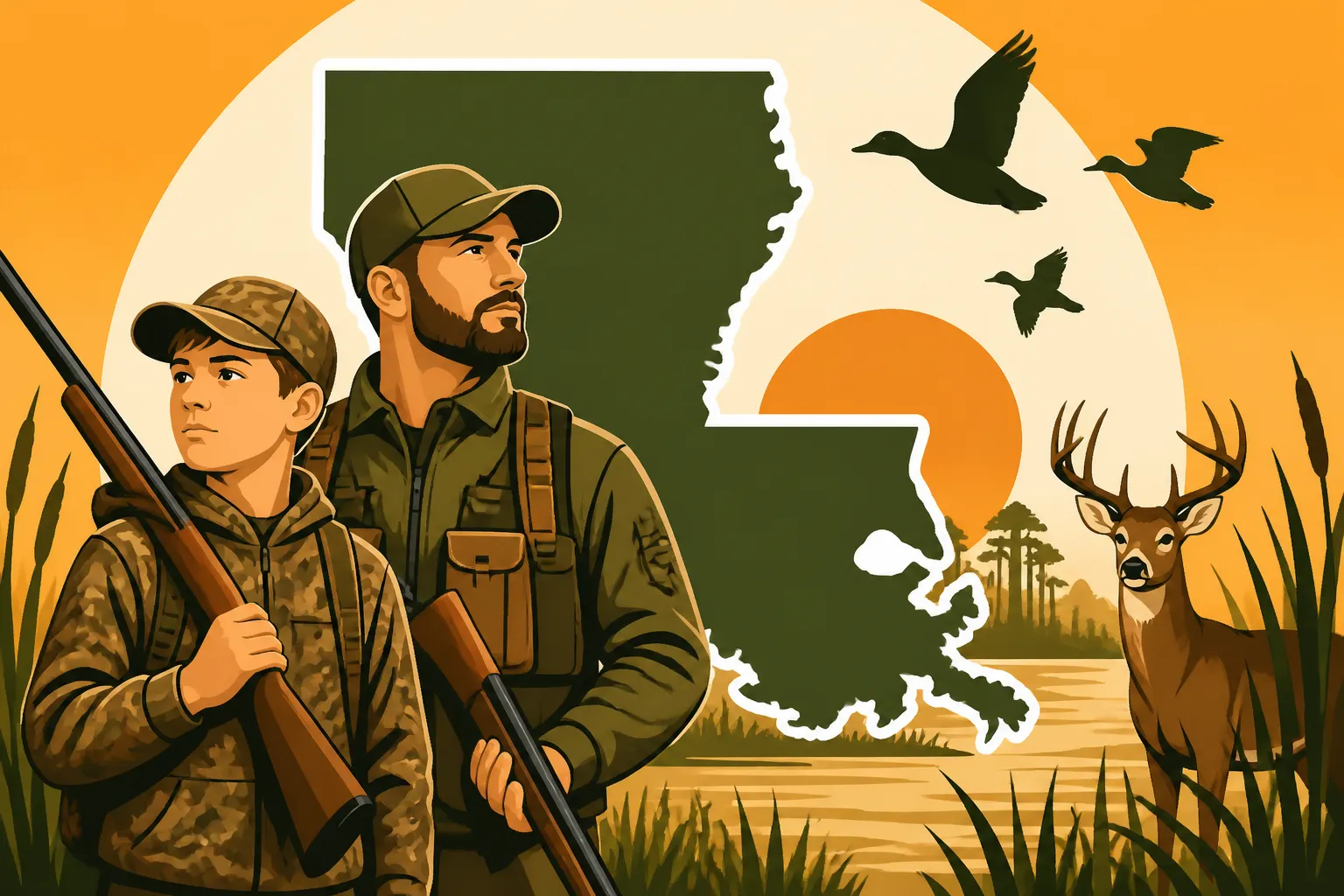
The Louisiana Department of Wildlife and Fisheries (LDWF) instituted the Youth and Veterans Weekend to achieve a couple of really important goals. First and foremost, it’s about nurturing the next generation of hunters, giving kids a dedicated, less pressured environment to learn the ropes. Beyond that, it's a heartfelt recognition and thank you to the men and women who have served our country in the armed forces. It’s a way to provide them with an exclusive opportunity to enjoy the outdoors.
The Purpose Behind the Weekend
Think about it: regular opening weekends can be a madhouse. Public lands are packed, pressure is high, and a young hunter trying to learn the patience and skill required might get overwhelmed. The Youth and Veterans Weekend aims to reduce that pressure significantly. By restricting participation to specific groups, it creates a calmer, more focused hunting experience. This allows mentors to spend quality time teaching safety, ethics, and the finer points of hunting without the added stress of competing with large crowds. It's a chance to build skills and create memories that last a lifetime, fostering a deep connection to conservation and responsible outdoor recreation.
For our veterans and active military personnel, it's about providing a token of appreciation. Many service members find solace and healing in the quiet solitude of the woods. This special weekend grants them exclusive access, recognizing their sacrifice and giving them a well-deserved opportunity to reconnect with nature, often in a more relaxed setting than during the general season. It’s a small way to say thank you and facilitate a much-needed break from the demands of daily life, whether they are active duty or have served our nation already.
Key Dates and Deer Areas Covered
The Youth and Veterans Weekend typically kicks off earlier than the general firearms deer season, usually in late October or early November. The exact dates can shift slightly year to year, so it's absolutely crucial to double-check the current LDWF hunting regulations pamphlet or their official website. This special weekend is generally open statewide for deer hunting, across all of Louisiana's ten deer hunting areas, provided the area is open for firearms deer hunting. This means you’ll want to be familiar with how Louisiana's Ten Deer Areas Differ to understand the specific season structure in your chosen hunting spot. This broad coverage means whether you're in the piney hills of North Louisiana or the bottomland hardwoods of the Basin, you'll likely have an opportunity to participate.
The beauty of this widespread availability is that it caters to diverse hunting traditions across the state. In some areas, this weekend might be the first real crack at deer with a firearm, offering a unique early-season advantage. In other places, it might simply extend the opportunities already available, but with the added benefit of reduced pressure. Always confirm the specific dates and which deer areas are included, as regulations, especially concerning public lands like Wildlife Management Areas (WMAs), can sometimes have additional nuances.
Eligibility and License Requirements
Understanding who can actually participate in the Youth and Veterans Weekend is key. It’s not just a free-for-all; there are specific criteria for youth, veterans, and active military personnel, along with the necessary licenses that everyone, regardless of age or service, must possess. Getting these details right upfront will save you a lot of headaches later on.
Defining "Youth" for Louisiana Hunting
When it comes to the youth portion of this special weekend, the LDWF has a clear age bracket: hunters must be 17 years of age or younger. This age limit is designed to encompass those still typically under the guidance of a parent or guardian, allowing for that crucial mentorship experience. The law is quite explicit about the role of adult supervision during this time. Any youth hunter participating must be accompanied by an adult 18 years of age or older. This isn't just a suggestion; it's a strict requirement. The accompanying adult doesn't even need to possess a hunting license themselves, but they cannot carry a firearm and are strictly there as a supervisor, ensuring safety and compliance with regulations.
This mentorship aspect is vital. It’s about more than just pulling a trigger; it's about teaching respect for wildlife, understanding hunting ethics, and safe firearm handling. For a lot of families, this weekend is their traditional kickoff to the deer season, a chance to pass down traditions. Even if the adult doesn't actively hunt during this weekend, their presence is indispensable for teaching and guiding the younger generation. It's a fantastic way to foster a love for the outdoors in a controlled and educational environment. Remember that the Minimum Age for Unsupervised Louisiana Hunting is generally 16 for basic activities, but for this special youth hunt, the mentorship rule is explicit.
What Qualifies as a Veteran or Active Military
For our service members, the eligibility criteria cast a wider net to be inclusive of those who have dedicated themselves to our nation. A "veteran" for this hunt is defined as any person who has served in the active military, naval, or air service and was discharged or released therefrom under honorable conditions. This includes retired service members and those who have completed their service. "Active military" means current members of the United States Armed Forces, including the National Guard and Reserves, on active duty. To participate, veterans and active military personnel must possess proof of their service.
This proof can take several forms, such as a valid military ID card, a veteran's designation on a Louisiana driver's license, a DD Form 214 (Certificate of Release or Discharge from Active Duty), or a Veterans Health Identification Card (VHIC). It's always best to carry this documentation with you while hunting, just in case you're asked to present it by an LDWF agent. This specific recognition is a small but meaningful way for the state of Louisiana to express gratitude and provide a dedicated hunting opportunity for those who have served.
Essential Licenses and Permits
Even with the special nature of this weekend, everyone participating, regardless of age or service status, still needs to have the appropriate licenses and permits in hand. For Louisiana residents, this typically means a Basic Hunting License and a Big Game/Deer Tag. Non-residents will need a Nonresident Annual Hunting License or a Nonresident Five-Day License, along with the appropriate deer tag. Children under 16 generally don't need a basic hunting license, but they do need the deer tags if they are actively hunting deer. For those 16 and older, even if hunting during this special weekend, a valid license combination is a must.
Navigating Louisiana Hunting Licenses and What They Cost can sometimes feel overwhelming, but it's crucial. You can often purchase these licenses online through the LDWF website, or via their mobile app, which is super convenient when you're out in the field. Always make sure to check if you need any additional permits for specific Wildlife Management Areas (Louisiana Wildlife Management Areas) or if you plan to hunt other species if they are also open. Remember, just because it’s a special weekend, it doesn’t waive the fundamental requirement of being properly licensed. Carrying Proof of License on Your Phone is often acceptable, but having a physical copy or a screenshot can be a good backup, especially in areas with spotty cell service.
Here's a quick reference table for general licensing:
| Participant Type | Basic License Required | Deer Tag Required | Supervision Required (for youth) | Proof of Status Required |
|---|---|---|---|---|
| Youth (Under 16) | No | Yes | Yes (Adult 18+) | N/A |
| Youth (16-17) | Yes | Yes | Yes (Adult 18+) | N/A |
| Veteran (Resident) | Yes | Yes | No | Yes (DD214, VA ID, etc.) |
| Active Military (Resident) | Yes | Yes | No | Yes (Military ID) |
| Veteran (Non-resident) | Yes (Non-resident) | Yes | No | Yes (DD214, VA ID, etc.) |
| Active Military (Non-resident) | Yes (Non-resident) | Yes | No | Yes (Military ID) |
| Accompanying Adult (Youth) | No (if not hunting) | No (if not hunting) | N/A | N/A |
Rules and Regulations During the Hunt
While the Youth and Veterans Weekend offers special access, it's not a free-for-all. Hunters must still adhere to specific rules regarding what can be harvested, the types of weapons allowed, and the crucial mentorship requirements for younger participants. Ignorance of these rules is never an excuse, so paying close attention to the details is paramount for a safe and legal hunt.
Species Available and Bag Limits
For this special weekend, the primary focus is typically white-tailed deer. This means that youth, veterans, and active military members can hunt deer during this designated period. However, it's essential to understand that all standard season regulations, including bag limits and antler restrictions (if any are in place for that particular deer area), still apply. For example, if you're in an area with a specific antler point restriction, youth and veterans are not exempt from those rules. You need to know your Louisiana Deer Hunting Area by Area and its specific regulations. Always check the current year's LDWF hunting guide for precise details on the number of deer, and specifically bucks or does, that can be harvested.
Sometimes, other small game species might also be open during this weekend, but deer remain the main draw. It's important not to assume; always verify the regulations for any additional species you might be interested in pursuing. The goal is to provide a quality deer hunting experience, so straying from the deer focus without checking other species' seasons could lead to an unfortunate violation. After a successful harvest, remember that Louisiana Deer Reporting Requirements still apply, and you'll need to check your deer through the LDWF system, whether online or via the app.
Weapon Restrictions and Considerations
One of the big advantages of the Youth and Veterans Weekend for deer hunting is that it generally allows for the use of any legal firearm. This typically includes centerfire rifles, shotguns loaded with slugs or buckshot (though slugs are usually preferred for deer), and muzzleloaders. This broad allowance gives hunters flexibility, especially for youth who might be more comfortable with a specific firearm type they’ve practiced with. However, it's still crucial to ensure the firearm meets the general legal requirements for deer hunting in Louisiana. For instance, there are minimum caliber requirements for rifles and maximum gauges for shotguns.
While firearms are generally permitted, it's important to be aware of any exceptions, particularly on specific WMAs or other public lands which might have more restrictive weapon rules. Always consult the WMA-specific regulations. Crossbows are also typically legal during this special weekend, falling under the broader "any legal firearm" allowance, though it's always good to refresh on Crossbow Rules During Louisiana Archery Season to understand general limitations. The main takeaway here is that you're usually good to go with your preferred deer rifle or shotgun, but a quick check of the LDWF pamphlet for any specific nuances related to the particular WMA you're hunting is a smart move.
Mentorship Requirements for Youth Hunters
This is perhaps the most critical rule for youth participants: strict adult supervision is mandated. As mentioned earlier, any youth hunter (17 years old or younger) must be accompanied by an adult who is 18 years of age or older. This adult mentor is crucial not just for legal compliance, but for the safety and ethical development of the young hunter. The mentor cannot carry a firearm or bow, essentially dedicating their full attention to the youth hunter. Their role is to provide guidance, ensure safety, and help with all aspects of the hunt, from scouting to tracking.
This requirement really underscores the educational aspect of the weekend. It’s about teaching proper shooting techniques, understanding animal behavior, ethical shot placement, and even the importance of Field Dressing a Deer in Warm Weather. The adult is responsible for making sure the youth understands and follows all hunting laws, including harvest reporting and adherence to bag limits. It’s an amazing opportunity for parents, grandparents, or other trusted adults to bond with a young hunter and instill a lifelong appreciation for the outdoors. If you're looking into being a mentor, understanding the Louisiana Apprentice Hunter License Rules might give you more context on how the state encourages new hunters.
Preparing for a Successful Experience
A successful Youth and Veterans Weekend hunt isn't just about showing up; it’s about preparation. Just like any other hunt, doing your homework and ensuring you're ready for the field will dramatically increase your chances of success and, more importantly, create a safer, more enjoyable experience for everyone involved.
Scouting and Location Selection
You wouldn't head into a big job interview without researching the company, right? The same goes for hunting. Scouting beforehand is absolutely paramount. Whether you're taking a youth hunter out or you're a veteran looking for some peace in the woods, knowing your hunting area intimately will make all the difference. This means identifying potential bedding areas, food sources, and travel corridors. Look for fresh deer sign like tracks, rubs, and scrapes. If you're hunting public land, using tools like the GoHunt app or other mapping software can help you identify property lines, topography, and potential access points. This kind of pre-season work is where you really start to piece together the deer's patterns.
For this special weekend, consider areas that might typically see less pressure during general season. If you're on a WMA, look at maps to find those spots that are a bit harder to reach, requiring a longer walk or boat access. These areas often hold deer that are less wary. Remember, the goal is a quality experience, not just a kill. A well-scouted location means less wandering around and more time actually observing nature, which is a huge part of the learning process for a young hunter. Consider reading up on Scouting Louisiana Public Land Before Season for more in-depth tips.
Safety First: Education and Practices
Safety is non-negotiable in hunting, especially when a youth is involved. Before you even set foot in the woods, both youth and adult mentors should be thoroughly refreshed on firearm safety rules. This includes the four cardinal rules: treat every firearm as if it's loaded, always point the muzzle in a safe direction, keep your finger off the trigger until ready to shoot, and be sure of your target and what's beyond it. For youth hunters, completing a Louisiana Hunter Education Requirements course is mandatory, though the apprentice license allows an exemption if they are supervised.
Beyond firearm safety, consider things like proper blaze orange requirements – the Louisiana Blaze Requirement During Gun Season applies during this special weekend, ensuring visibility to other hunters. Everyone in the hunting party should wear sufficient blaze orange, often referred to as "hunter orange." Discuss hunting plans, including entry and exit routes, where each person will sit, and what to do if someone gets separated. Practice with the firearm before the hunt to ensure familiarity and accuracy, and to build confidence, especially for younger or less experienced shooters. A safe hunt is a good hunt, regardless of whether a deer is harvested.
Gear Essentials for the Weekend
Having the right gear makes the experience much more comfortable and productive. Beyond the obvious firearm and ammunition, think about the Louisiana climate. Even in late October or early November, it can still be quite warm, so dressing in layers is crucial. You might start early in the morning needing a jacket, but by midday, a long-sleeve shirt might be all you need. Good quality binoculars are a must for spotting deer and identifying legal targets, especially when trying to judge antlers. Don't forget bug spray – mosquitoes and other biting insects are often still active in Louisiana during this time.
A comfortable backpack with water, snacks, a first-aid kit, and a small flashlight are always good to have. If you're planning on using a treestand, make sure it's safely set up and you're using a safety harness. For ground blind hunting, ensure you know the rules for Using a Ground Blind on Louisiana Public Land. A good knife, game bags, and gloves are essential for field dressing. For navigating, a reliable GPS or a mapping app like GoHunt on your phone can be invaluable, especially on public lands where it’s easy to get turned around. The more comfortable and prepared you are, the more you can focus on the hunting experience itself.
Maximizing the Special Weekend's Potential
This isn't just another hunting weekend; it's a unique opportunity. By understanding its true value and approaching it with the right mindset, hunters—both young and seasoned—can truly maximize the potential of the Youth and Veterans Weekend, creating memories and honing skills that will last far beyond the season.
Creating Lasting Memories and Skills
The harvest is certainly a thrilling part of hunting, but for the Youth and Veterans Weekend, the emphasis should really be on the entire experience. For young hunters, this is often their first meaningful introduction to the tradition. Focus on teaching them patience, observation skills, and the importance of ethical behavior. Point out squirrels scurrying, birds singing, and the subtle movements of deer in the distance. Talk about wildlife management and conservation efforts in Louisiana. These conversations build character and a deeper appreciation for the natural world.
For veterans, it's about reconnecting, finding peace, and perhaps sharing their own experiences with a new generation. This weekend is a fantastic time for storytelling, reflection, and simply enjoying the camaraderie of fellow hunters, or the quiet solitude that only the woods can provide. Whether a deer is harvested or not, the memories forged from shared experiences in the Louisiana outdoors – from the crisp morning air to the sight of a beautiful sunrise over a swamp – are what truly make this weekend special. It's an investment in the future of hunting and a nod to our past defenders.
Expanding Hunting Opportunities Beyond Deer
While deer hunting is undoubtedly the main event for the Youth and Veterans Weekend, it's worth noting that other small game seasons might overlap, presenting additional opportunities. Depending on the specific dates and your chosen hunting area, you might find that squirrel or rabbit seasons are also open. This can be a fantastic way to keep a young hunter engaged if deer activity is slow, or for a veteran to enjoy a more active hunt. Always verify the current Louisiana Small Game Season Rules to ensure compliance.
For instance, if you're set up in bottomland hardwoods, you might hear squirrels cutting acorns or spot rabbits scurrying through thickets. Having a small game license and being aware of these possibilities can add an extra layer of enjoyment to your outing. Just remember to adhere to all specific regulations for each species, including bag limits and legal methods. This flexibility means that even if the deer aren't moving, the day can still be filled with productive and exciting hunting action, broadening the experience beyond just waiting for a whitetail.
Leveraging Technology for the Hunt
In today's hunting world, technology can be a powerful ally, and the Youth and Veterans Weekend is no exception. Using mapping applications like GoHunt on your smartphone or a dedicated GPS unit can greatly enhance your scouting and navigation capabilities. These tools allow you to pinpoint stand locations, mark deer sign, track your movements, and understand property boundaries, which is particularly vital on public land. They can help you revisit productive spots year after year, building a valuable knowledge base.
Beyond navigation, trail cameras can provide invaluable intelligence on deer movement patterns, helping you determine when and where deer are most active in your chosen area. Checking these cameras before the special weekend can give you a significant edge. Weather apps are also essential for planning your hunt, helping you anticipate temperature changes, wind direction, and potential rain, allowing you to dress appropriately and adjust your strategy. Remember, while technology is a great tool, it should complement your traditional hunting skills, not replace them. It's still about understanding the deer and their habitat, but with a little digital help along the way.
Disclaimer
Please note that hunting regulations, seasons, and licensing requirements are subject to change. Always consult the most current Louisiana Department of Wildlife and Fisheries (LDWF) official regulations pamphlet or website before planning any hunting trip to ensure compliance with all state laws. This guide is for informational purposes only and should not be considered legal advice.