Louisiana Deer Reporting Requirements
Oh, the satisfaction of a successful deer hunt in Louisiana! But let's be real, that triumphant feeling can quickly turn to a bit of a head-scratcher when you remember all the administrative stuff that comes after the shot. You've field-dressed, maybe dragged that buck a good long way out of the swamp, and now you're wondering, "What exactly do I need to do to officially report this deer to the state?" It’s a crucial step that many find a bit confusing, but failing to do it can lead to bigger headaches. This guide is here to walk you through every aspect of Louisiana’s deer reporting requirements, making sure you understand the 'why' and the 'how' so you can stay legal and contribute to responsible wildlife management.
Why Deer Reporting Matters in Louisiana
When you take a deer, it’s not just a personal victory; it’s a data point that contributes to the broader health of Louisiana's deer herd. The Louisiana Department of Wildlife and Fisheries (LDWF) relies heavily on hunter-reported harvest data to make informed decisions that impact all of us. Without accurate reporting, they'd be flying blind, and that's not good for the deer or the hunters.
Tracking Population Health and Harvest Trends
Every reported deer, whether it's a mature buck from the piney hills or a doe from the rich river bottom, paints a clearer picture for wildlife biologists. They use this information to estimate the overall Louisiana Deer Population Estimate and understand trends in herd health. For example, if harvest numbers suddenly drop in a specific area, it might signal a localized issue like disease, habitat loss, or even increased predation. Conversely, consistently high harvest numbers, especially of older age-class bucks, can indicate a thriving, well-managed population.
Consider a scenario where a particularly harsh winter or a widespread EHD (Epizootic Hemorrhagic Disease) outbreak impacts deer in a certain region. Without hunters consistently reporting their harvests, the LDWF wouldn't have the real-time data to identify the severity and scope of such issues. This data allows them to track the state’s overall Louisiana Deer Harvest Records, looking at factors like success rates, the ratio of bucks to does taken, and even the average age and antler development of harvested animals. This isn't just bureaucratic red tape; it's essential science that underpins the future of hunting in our state.
Informing Future Season Structures and Regulations
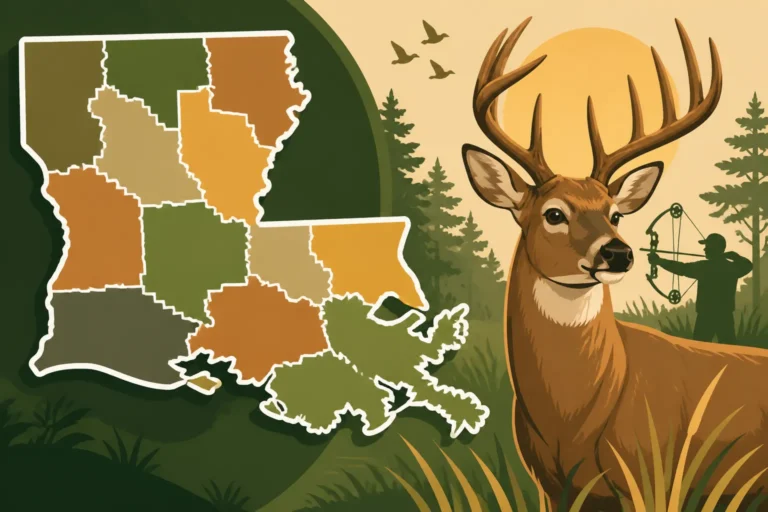
The data collected from deer reporting directly influences the hunting seasons and regulations that are put in place each year. Biologists analyze harvest numbers from previous seasons to determine if existing bag limits, either-sex days, or season lengths are appropriate for maintaining a healthy and balanced deer herd in each of Louisiana's Ten Deer Hunting Areas Explained. For instance, if reporting shows that a particular deer area is seeing an imbalance with too many does and not enough mature bucks, the LDWF might adjust either-sex days to encourage more doe harvest in that zone.
Conversely, if a region's herd is struggling, they might shorten seasons or restrict antlerless harvest to allow the population to rebound. This dynamic management ensures that we have sustainable hunting opportunities for generations to come. Your act of reporting a deer isn't just about compliance; it's a direct contribution to sound wildlife management that protects the very resource we cherish. Without this critical feedback loop from hunters, future regulations might not accurately reflect the on-the-ground realities of the deer herd, potentially leading to overharvest or underharvest, both of which can be detrimental.
The Nuts and Bolts of Louisiana Deer Reporting
So, you've got a deer down. Congratulations! Now, let's talk about the essential steps to make sure you report it correctly and legally. It’s simpler than you might think, but there are specific details you need to be aware of.
Mandatory Reporting for Every Deer Harvested
This is a non-negotiable rule in Louisiana: every single deer you harvest must be reported. This applies whether it's a monster buck, a modest spike, or a doe. It doesn't matter if you're hunting on private land with a high fence, on a vast Wildlife Management Area (WMA), or a small family tract. If you shoot it, you report it. This universal requirement ensures that the data collected is as comprehensive and accurate as possible, truly reflecting the total Louisiana Deer Herd Size and hunter success across the state.
This mandatory reporting is tied directly to your hunting license and deer tags. When you purchase your Louisiana hunting licenses and what they cost, you'll receive deer tags as part of the package (or as an add-on). These tags are assigned to you and are how the LDWF tracks individual harvests. Immediately after harvesting a deer and before moving it from the kill site (unless otherwise specified for certain WMAs where a check station is required), you must validate your deer tag by notching or otherwise marking the appropriate sections as directed by LDWF regulations, and then attach it to the deer. This ensures proper tracking from the moment of harvest until it's officially reported.
Methods for Reporting Your Deer
The LDWF has made it relatively easy to report your deer, understanding that hunters are often in remote locations. You have two primary methods, both digital, to choose from:
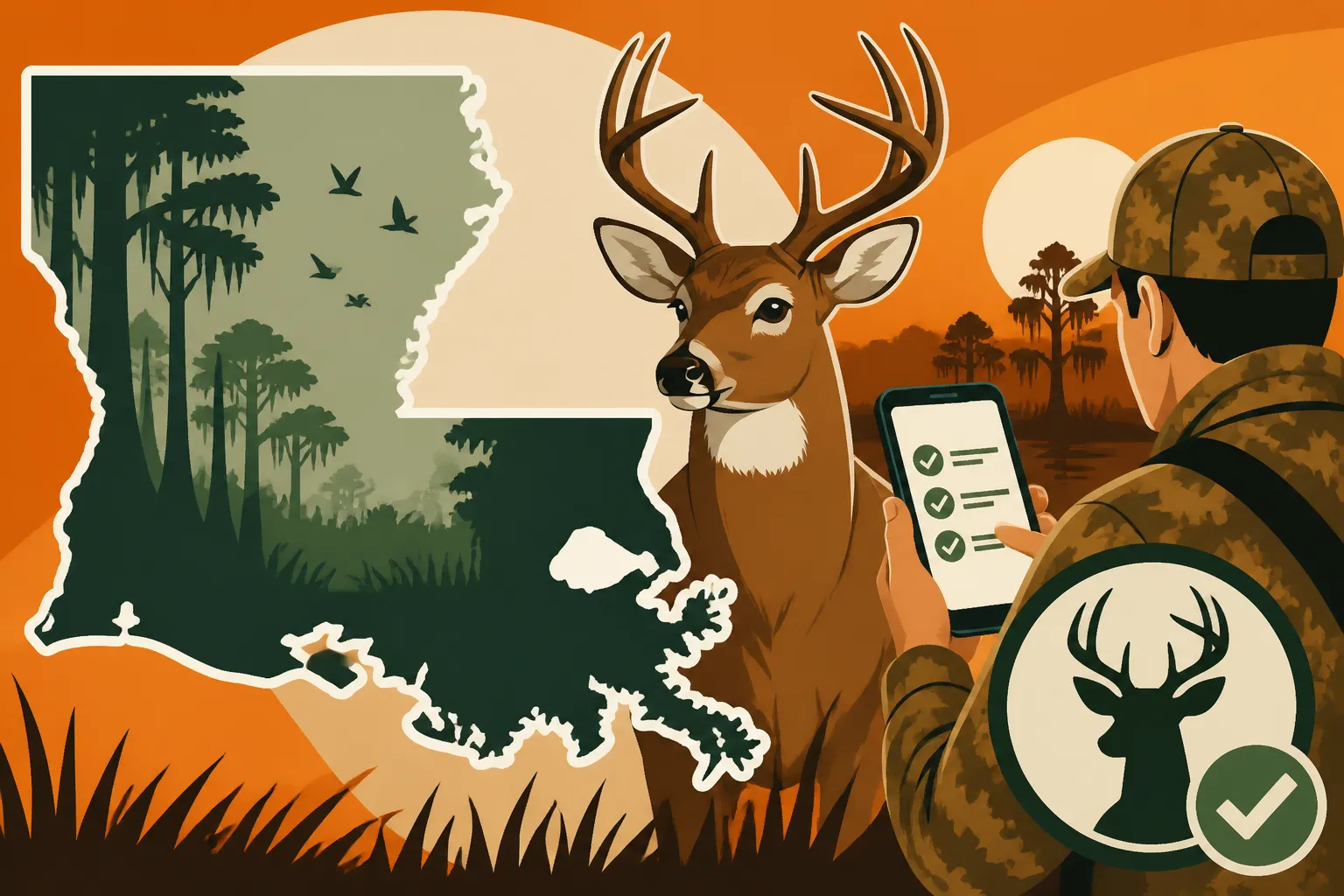
- The Official LDWF WLF Mobile App: This is probably the most convenient method for most hunters these days. Many of us already have our phones with us in the field. The app is available for both Apple and Android devices and allows you to report your harvest right from your stand or truck. It's designed to be user-friendly, even in areas with spotty cell service, sometimes allowing you to enter data offline and submit it once you regain signal. Think of it as your digital hunting companion, and it’s a great tool for Scouting With the LDWF App too, not just reporting.
- The LDWF Online Harvest Report System: If you prefer using a computer or don't have the app on your phone, you can access the online reporting system through the LDWF website. This is a robust web portal where you log in with your license information and submit your harvest details. It offers the same functionality as the app but from the comfort of your home or camp. Many hunters find this useful if they’re processing multiple deer or had an issue with mobile service in the field.
It’s worth noting that while some older hunters might remember physical check stations or phone-in options, those are largely a thing of the past for deer. The digital reporting system is now the standard, making it efficient for both hunters and the LDWF.
Key Information Needed for a Successful Report
Before you start punching buttons, make sure you have all the necessary information at hand. This will make the reporting process quick and smooth, preventing errors that could cause issues later. Here's a quick rundown of what you'll typically need:
| Information Category | Details Required | Why It's Needed |
|---|---|---|
| Hunter Identification | Hunter's License Number (or LDWF ID), Date of Birth | To link the harvest to your personal hunting record. |
| Harvest Details | Date of Harvest, Time of Harvest (approximate) | For chronological tracking and peak activity analysis. |
| Deer Information | Sex of Deer (Buck/Doe), Number of Antler Points (if a buck), Approximate Weight (optional but helpful), Antler Spread (optional for data analysis). | Crucial for population dynamics, age structure, and trophy quality monitoring. |
| Location | Parish of Harvest, Deer Area (e.g., Area 2, Area 4), Type of Land (Private/WMA/Federal) | Pinpoints specific herd segments and management zones. |
| Method of Take | Archery, Primitive Firearms, Modern Firearms | Helps assess the impact of different hunting methods. |
| Tag Number | The specific deer tag number used for this harvest | Links the physical tag to the digital report. |
Having your hunting license handy, along with a quick count of antler points and a mental note of the parish, will make the process incredibly efficient. Some hunters even jot this info down on a small card in their pack as soon as they tag the deer, so it’s fresh in their mind. This meticulous data collection, supported by tools like those offered by GoHunt for pre-season planning and mapping, helps LDWF paint a clearer picture of hunter effort and success.
Navigating the LDWF Deer Reporting App and Website
Getting comfortable with the digital reporting tools is key to a hassle-free experience. Whether you prefer the convenience of your phone or the larger screen of your computer, the LDWF has systems in place to make reporting straightforward.
Step-by-Step Guide to Using the LDWF App
The LDWF WLF app is a fantastic resource, and reporting a deer through it is quite intuitive. Here’s a typical flow:
- Download and Log In: First, ensure you have the latest version of the "LDWF WLF" app downloaded from your smartphone's app store. When you open it, you’ll be prompted to log in using your LDWF license number and date of birth. This verifies your identity and links your harvest to your official record. Make sure to do this before you head into the field if possible, especially if you anticipate poor cell service.
- Select "Harvest Report": Once logged in, you'll see various options. Look for one that says "Harvest Report" or something similar. Tap on it.
- Choose "Deer Harvest": The app might offer different harvest types (deer, turkey, alligator, etc.). Select "Deer Harvest" to proceed.
- Enter Details: This is where you input all the information we discussed earlier:
- Date and Time of Harvest: Use the calendar and clock functions.
- Parish and Deer Area: Select from the dropdown lists.
- Type of Land: Specify Private, WMA (you might then select the specific WMA like Richard K. Yancey Wildlife Management Area), or Federal Land.
- Sex: Buck or Doe.
- Antler Points (if buck): Enter the total number of points, including both sides.
- Method of Take: Archery, Primitive Firearm, or Modern Firearm.
- Tag Number: Crucially, enter the specific tag number that you physically attached to the deer. This ensures proper reconciliation.
- Review and Submit: Before hitting "Submit," carefully review all the entered information for accuracy. Double-check the tag number and the parish. Once you're confident, tap "Submit."
- Confirmation: The app should provide a confirmation message, often with a unique harvest report ID. It's a good idea to screenshot this or make a mental note of the ID for your records. This process is essential for Checking a Louisiana Deer Harvest Online later on to ensure it was properly recorded.
Even if you’re in a low-service area, the app often allows you to save the data and will upload it automatically once you get a signal. This feature is a lifesaver for hunters deep in the woods or the Atchafalaya Basin. Many hunters, especially those using mapping tools like GoHunt, will appreciate how streamlined the reporting process is after marking their harvest location.
Reporting Through the Online Portal
If the app isn't your preference, the LDWF's online portal is just as effective:
- Access the Website: Open your web browser and navigate to the official Louisiana Department of Wildlife and Fisheries website. Look for a section related to "Hunting" or "Harvest Reporting."
- Login: You'll need to log in using your LDWF license number and date of birth, just like with the app.
- Find the Reporting Tool: Once logged in, there's usually a clear link or menu item for "Deer Harvest Reporting" or "Submit a Harvest."
- Complete the Form: The online form will mirror the questions in the app, asking for the date, time, parish, deer area, land type, sex, antler points, method of take, and the specific tag number used. The interface is generally very clear, often with dropdown menus to guide you.
- Review and Submit: Take a moment to verify all your entries. Typos or incorrect selections can skew data, so a quick double-check is always worth it. Click "Submit."
- Confirmation: You'll receive a confirmation message on screen, often with a transaction ID. This confirms your report has been successfully submitted.
Using the online portal can be particularly useful if you're helping a less tech-savvy hunting buddy report their deer (with their permission and all their information, of course), or if you're managing reports for a hunting club where you want to keep organized records.
Common Pitfalls and Troubleshooting Tips
Even with user-friendly systems, sometimes things go wrong. Here are some common issues and how to troubleshoot them:
- No Cell Service: This is the most frequent culprit. As mentioned, the app often allows offline entry. If not, don't panic. Drive to an area with service, use the app or online portal, and report it as soon as possible. The key is timeliness.
- Incorrect License Number/Date of Birth: Double-check your license card or confirmation email. A single digit or wrong birth year will prevent login. If you recently renewed, ensure you're using the most current information.
- Forgetting Which Tag Was Used: This is why it’s critical to affix the physical tag immediately and note the number. If you forgot, try to deduce it from remaining tags or any records you keep. Guessing can lead to issues.
- Technical Glitches: Apps and websites sometimes have bugs or undergo maintenance. If you encounter a persistent error, try refreshing the page, restarting the app, or even switching from the app to the website (or vice-versa). If problems persist, contact LDWF customer service. Take screenshots of error messages to help them troubleshoot.
- Reporting Deadline Approaching: If you're close to the deadline and experiencing technical issues, it’s best to call LDWF directly. They can guide you or provide an alternative reporting method in urgent cases. Remember, ignorance is not an excuse for missing the deadline.
Understanding Reporting Deadlines and Consequences
Knowing how to report is one thing, but knowing when to report and what happens if you don't is just as vital. Louisiana takes harvest reporting seriously, and for good reason.
The Importance of Timely Reporting
The deadline for reporting your deer harvest in Louisiana is 72 hours after the harvest occurs. This three-day window is pretty standard and is designed to ensure that the LDWF receives data promptly. Prompt reporting is critical for several reasons:
- Accurate Real-Time Data: Wildlife management is a dynamic process. Biologists need relatively current data to monitor harvest pressure, particularly during peak hunting periods or in specific zones. Late reports can skew these real-time analyses.
- Resource Allocation: If, for example, a CWD zone has mandatory testing, knowing harvest numbers quickly helps the LDWF allocate staff and resources for sample collection effectively.
- Fairness to Other Hunters: When everyone reports on time, the system works efficiently for all. Hunters rely on accurate data to understand herd dynamics, and timely reporting contributes to that shared knowledge.
- Legal Compliance: Simply put, it's the law. Adhering to the 72-hour window is a condition of your hunting license.
Imagine a situation where multiple hunters wait weeks to report their deer. The accumulated data would suddenly surge, making it look like a massive, sudden harvest rather than a spread-out season. This can lead to misinterpretations by biologists and potentially misguided decisions for future seasons. Tools like those provided by GoHunt often include features that remind hunters of critical deadlines, helping them stay compliant.
Penalties for Non-Compliance
Louisiana takes its hunting regulations seriously, and failing to report a harvested deer within the 72-hour window is a violation. The penalties can range depending on the specific circumstances and whether it's a first offense or a repeat issue.
Generally, you could face:
- Fines: Monetary penalties are common. These can vary but are designed to be a deterrent.
- Loss of Hunting Privileges: More severe or repeated offenses could lead to the suspension or revocation of your hunting license, meaning you wouldn't be able to hunt in Louisiana for a specified period.
- Confiscation of Game: In some cases, illegally harvested or unreported game might be confiscated.
It's important to understand that ignorance of the law is generally not a valid defense. As a licensed hunter, it's your responsibility to know and follow all regulations, including those related to Louisiana Deer Reporting Requirements. Always prioritize reporting your harvest promptly to avoid these unwelcome consequences. After all, the joy of the hunt should never be overshadowed by a preventable legal issue.
Exceptions and Special Circumstances
While the 72-hour rule is generally firm, there are occasional nuances or situations that might present exceptions.
- LDWF Check Stations: On some Wildlife Management Areas (WMAs) or during specific quota hunts, the LDWF might require physical check-in and check-out at a manned station. In these cases, the WMA's specific rules on reporting at the station take precedence over the 72-hour digital reporting rule. Always consult the specific WMA regulations for any Louisiana Wildlife Management Areas you plan to hunt.
- Special Permits: If you are hunting under a specific permit (e.g., a landowner deer damage permit or a special CWD management zone permit), there might be different or additional reporting requirements. Always read the conditions of any special permit carefully.
- Youth and Physically Challenged Hunts: While the reporting itself is still mandatory, sometimes the adult mentor is responsible for ensuring the youth hunter's harvest is reported correctly. During the Hunting the Youth and Veterans Weekend, it’s crucial for the supervising adult to ensure all reporting is handled properly.
When in doubt about a specific situation, the best course of action is always to contact your local LDWF office or wildlife agent. They are there to help clarify regulations and ensure compliance. It's much better to ask a question beforehand than to face penalties later.
Beyond the Basics: Advanced Reporting Considerations
Deer reporting isn't just a simple checkbox; it contributes to critical conservation efforts, especially in the face of emerging wildlife challenges. Understanding these broader implications adds another layer of responsibility and importance to your role as a hunter.
CWD Zone Reporting and Mandatory Testing
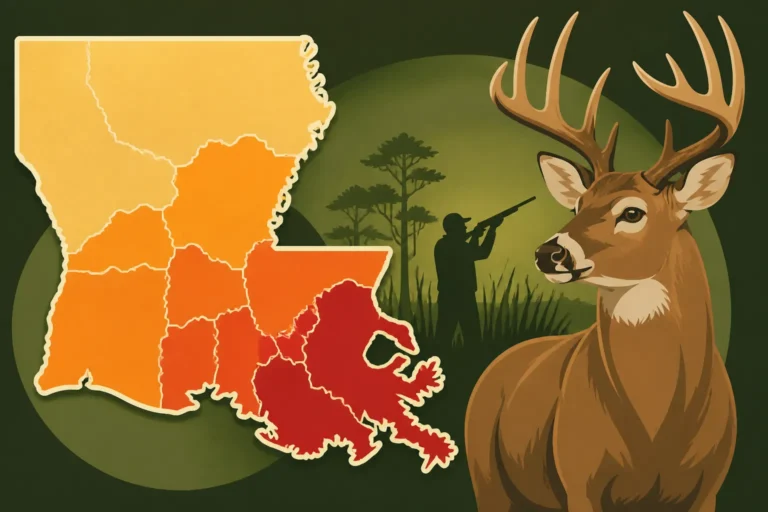
One of the most significant developments in Louisiana deer management is the emergence of Chronic Wasting Disease (CWD). This neurological disease is fatal to deer and elk and poses a serious threat to deer populations. In response, the LDWF has established Louisiana's Chronic Wasting Disease Zones. If you harvest a deer within one of these CWD management zones, your reporting process might have additional, mandatory steps.
For instance, in some CWD zones, hunters may be required to submit their deer for mandatory CWD testing. This usually involves dropping off the deer's head at a designated sampling station within a specific timeframe. The reporting app or online portal will often guide you through these additional requirements if your harvest location falls within a CWD zone. It is absolutely critical to understand and adhere to these rules, as they are designed to track the spread of the disease and protect the wider deer herd. This means being aware of the parish you're hunting in and checking the latest LDWF advisories, especially concerning Louisiana's New CWD Management Zone Law and Handling Venison From a CWD Management Zone. These regulations are constantly being updated based on scientific findings and disease prevalence, so staying informed is paramount.
What Happens to Your Data After Reporting
Once you hit that submit button, your harvest data doesn't just disappear into a digital black hole. It becomes a valuable piece of a much larger puzzle. Here’s a glimpse of what happens next:
- Data Aggregation: All individual harvest reports are collected and aggregated into massive datasets. This allows biologists to see trends across parishes, deer areas, and even individual WMAs.
- Biological Analysis: Wildlife biologists then analyze this data. They look at things like harvest rates (deer taken per hunter), buck-to-doe ratios, average antler points, and historical comparisons. This analysis helps them assess population health, determine reproductive success, and identify potential issues.
- Public Reporting: Much of this aggregated data is eventually shared with the public. The LDWF typically releases annual harvest summaries that detail total deer taken, success rates by area, and other key metrics. This transparency helps hunters understand the resource they are part of managing.
- Future Regulation Development: The findings from these analyses are then used to inform recommendations for future hunting season structures, bag limits, and other regulations. Your report directly influences the seasons and opportunities you'll have in upcoming years.
In essence, your individual harvest report contributes to the collective scientific knowledge that ensures sustainable hunting for all. Without this hunter participation, effective wildlife management would be severely hampered.
Reporting Roadkill or Injured Deer
What if you're not hunting, but you encounter a deer that has been hit by a vehicle or is severely injured outside of hunting season? While this isn't a "harvest report" in the traditional sense, it's still important information for the LDWF.
- Roadkill: If you hit a deer with your vehicle, you should contact local law enforcement (sheriff's office or state police). They will often handle the immediate disposition of the animal. If you wish to keep the deer, you may need to obtain a possession tag from law enforcement or LDWF, depending on local ordinances and state regulations. It's generally illegal to possess game animals without proper tagging or authorization.
- Injured Deer: If you find a live, but severely injured, deer outside of hunting season or where hunting is not permitted, it's best not to intervene directly. Contact the LDWF or your local wildlife agent. They have the training and authority to assess the situation and determine the appropriate course of action, which might include humane euthanasia or rehabilitation if possible (though rehabilitation for adult deer is rare due to stress and disease transmission risks).
These situations fall under different reporting protocols than a typical hunting harvest, but the principle remains: when wildlife is involved in an unusual incident, reporting it to the proper authorities helps maintain data integrity and ensures the animal is handled legally and humanely.
Pro Tips for Seamless Deer Reporting in Louisiana
We all want our hunting experience to be as smooth as possible, and that includes the administrative tasks. A little preparation and smart use of available tools can make deer reporting a breeze.
Pre-Season Preparation and Account Setup
Don't wait until you have a deer on the ground to think about reporting. Get ahead of the game!
- Download the App Early: Before the season even starts, download the "LDWF WLF" app to your smartphone. Log in with your license information to ensure everything works and your account is active. This avoids fumbling with login details in the excitement of a harvest.
- Familiarize Yourself with the Interface: Play around with the app or browse the online portal. Understand where the harvest reporting section is, what information it asks for, and how the dropdown menus work. A quick dry run can save time and stress later.
- Keep License Info Handy: Always have your Louisiana hunting licenses and what they cost or your LDWF license number (and date of birth) easily accessible. While the app remembers your login, having a physical copy or a screenshot stored on your phone can be a backup. Remember, the Louisiana License Year Start Date is July 1st, so make sure your license is current!
- Use Tools for Planning: Incorporate your reporting responsibilities into your overall hunt planning. Digital mapping platforms, like those offered by GoHunt, not only help you scout and locate potential stand sites but can also serve as a mental checklist for post-harvest duties. Knowing exactly which parish and deer area you're in before you even go afield is a huge help.
Taking these small steps before the season opener can prevent a lot of frustration when the moment of truth arrives.
Using Technology to Your Advantage
Modern technology isn't just for finding deer; it's also a powerful ally in ethical and legal hunting practices.
- Offline Mapping and Data Entry: Many hunting apps, including the LDWF app, allow for offline functionality. Download maps of your hunting area beforehand, and take advantage of the ability to enter harvest data even without a cell signal. The app will usually hold the data and submit it automatically once you're back in range.
- Camera Integration: Some hunters take a photo of their tagged deer, with the tag clearly visible. This serves as a personal record and can also help you recall the tag number if you momentarily forget it during the reporting process. Just be sure not to rely solely on this for your tag number, as the physical tag attached to the animal is paramount.
- Automated Reminders: If your hunting app or a calendar tool allows, set up a recurring reminder for "Deer Reporting" during hunting season. This little nudge can be invaluable, especially if you're busy or distracted after a successful hunt.
Leveraging these technological aids not only streamlines the reporting process but also enhances your overall hunting management, ensuring compliance and contributing to better data collection.
The Role of Landowners and Hunting Clubs
While individual hunters are responsible for reporting their own harvests, landowners and hunting clubs often play a significant supporting role in promoting compliance and accurate data.
- Educating Members/Guests: Responsible hunting clubs and landowners make it a point to educate their members or guests about Louisiana's reporting requirements. They might include this information in club rules, welcome packets, or pre-hunt briefings.
- Providing Connectivity: Some camps, especially those in more remote areas, might have Wi-Fi hot spots available. This is a huge convenience for hunters who need to report their deer but have no cell service at their individual stand locations.
- Keeping Club Records: Many hunting clubs keep their own detailed harvest records, sometimes even requiring members to report to the club in addition to the LDWF. This internal data can be cross-referenced with LDWF data and helps the club manage its own deer population more effectively. This is particularly useful for clubs monitoring deer age structures and antler growth, especially for those looking at how to manage a herd for bigger bucks as discussed in Louisiana Deer Antler Restrictions Debate or Louisiana Buck Age Structure.
- Facilitating CWD Testing: In CWD zones, landowners and clubs might help facilitate mandatory testing by coordinating drop-off points or providing information on local sampling stations.
By working together, individual hunters, landowners, and hunting clubs can ensure that every harvested deer is properly reported, contributing to the long-term health and sustainability of Louisiana's cherished deer herd.
Disclaimer
Please remember that hunting regulations, seasons, and reporting requirements can change. Always consult the most current Louisiana Department of Wildlife and Fisheries (LDWF) hunting regulations pamphlet or their official website before heading afield. This guide is for informational purposes only and should not be considered a substitute for official LDWF publications.