Louisiana Squirrel Daily Bag Limit
One of the great joys of hunting in Louisiana is the abundance of small game, and few critters offer as much fun and challenge as our lively squirrels. However, a common frustration, especially for new hunters or those just returning to the woods, is remembering all the specific rules and regulations. This guide will walk you through the precise daily bag limit for squirrels in Louisiana, ensuring you stay legal, ethical, and make the most of your time chasing these bushy-tailed dynamos.
Decoding Louisiana's Daily Squirrel Bag Limit
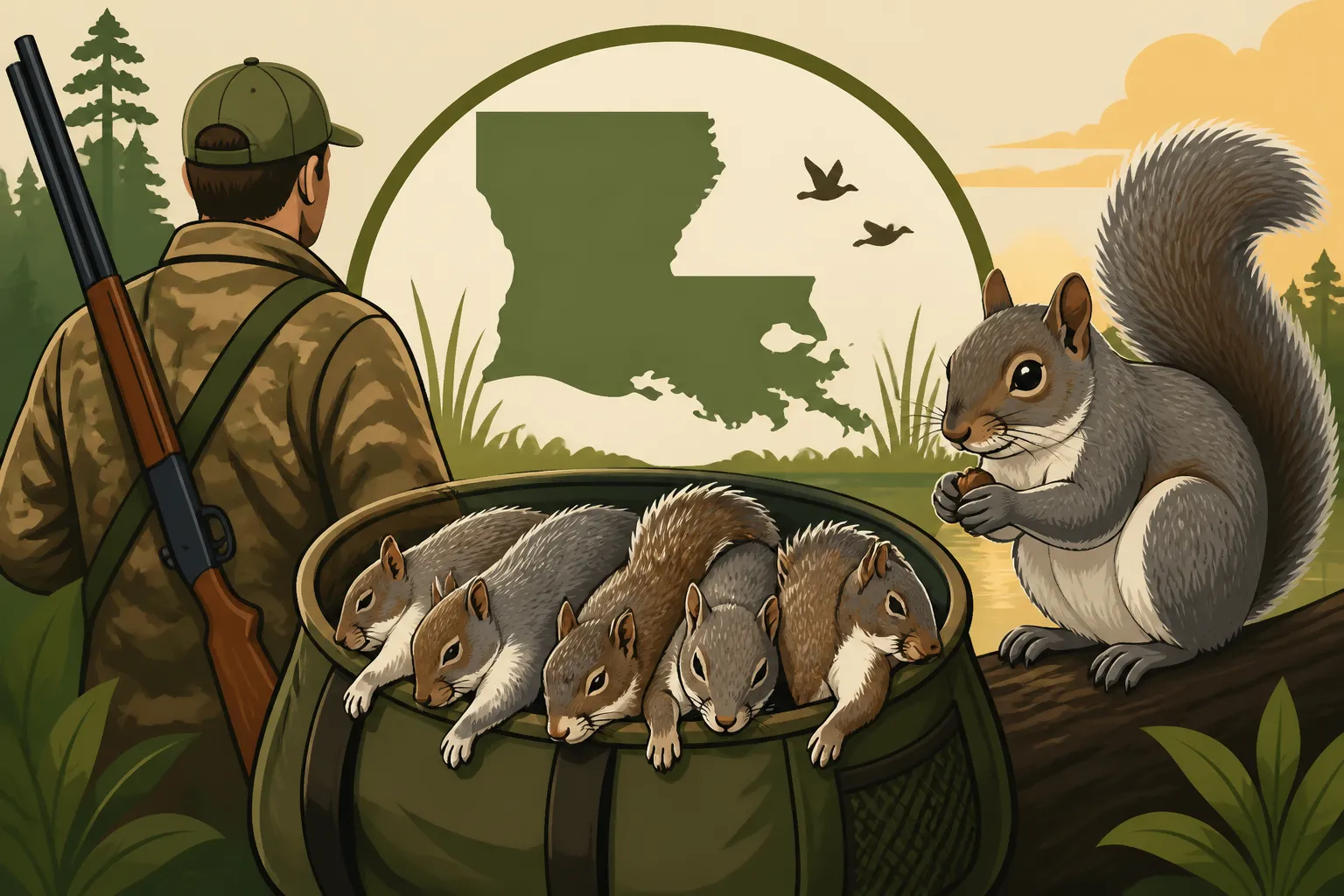
Let's cut right to the chase, because nobody wants to spend a beautiful morning in the woods only to realize they've accidentally crossed a line. In Louisiana, the daily bag limit for squirrels is 10 per person. This means that in any single calendar day, no matter how good the hunting is, you cannot legally harvest more than ten squirrels. This regulation is pretty straightforward, thankfully, which helps keep things simple when you're focusing on the hunt itself.
Understanding what "daily bag limit" truly means in a practical sense is crucial. It’s the maximum number of a particular species you can take from the wild and possess at any one time while in the field or immediately after leaving the field during a single day. Some states have a separate "possession limit" which dictates how many you can have stored at home or in your freezer, usually double the daily bag. However, for squirrels in Louisiana, the in-field daily bag limit often functions as the practical possession limit you need to worry about right after the hunt. You don't want to get home and realize you have more than double the daily limit if you hunted two days, but for squirrels, it rarely gets that complicated in a single trip. The key is that 10 squirrels is your hard cap for any given day's outing. Exceeding this limit, even by one, can lead to citations, fines, and potentially even loss of hunting privileges, which is a headache no one wants, especially over a couple of extra squirrels. It’s always best to be absolutely sure of the rules.
The Louisiana Department of Wildlife and Fisheries (LDWF) sets these limits with conservation and sustainable harvesting in mind. They manage populations to ensure that there are plenty of squirrels for everyone to enjoy for years to come. These limits aren't arbitrary; they are based on biological surveys, harvest data, and population health assessments. So, when you're out there, every squirrel you take contributes to that data, and sticking to the limit helps maintain the integrity of their management efforts. For the most up-to-date and official regulations, always consult the current Louisiana Hunting Regulations pamphlet provided by the LDWF or their official website. Knowing these details is a fundamental part of Louisiana Small Game Season Rules.
Navigating Squirrel Season Dates and Species in Louisiana
While the daily bag limit for squirrels remains constant at 10, the actual hunting season dates can shift slightly each year, and it’s critical to know when you can legally pursue these animals. Generally, Louisiana's squirrel season tends to open around October 1st and runs through late February. This long season provides ample opportunity to get into the woods, whether you prefer the crisp air of early fall or the colder, quieter days of winter. However, these dates can vary by specific hunting areas, especially on Wildlife Management Areas (WMAs), so always double-check the current regulations for the particular zone or WMA you plan to hunt. Remember, you can find specific details regarding Louisiana Squirrel Season Opening Day and closing dates in the official LDWF regulations.
In Louisiana, you'll primarily encounter two species of squirrels: the gray squirrel (sometimes called cat squirrel) and the fox squirrel. Both species count towards your 10-squirrel daily bag limit; there's no separate quota for each. This simplifies things for hunters, as you don't need to worry about identifying the species before pulling the trigger if your goal is just to fill your bag. However, it's still fascinating to learn the differences. Gray squirrels are typically smaller, with sleek gray fur, a white belly, and a prominent bushy tail. They are often found in dense forests, especially bottomland hardwoods, where they scurry through the canopy. Fox squirrels, on the other hand, are larger, often with reddish-brown or yellowish-gray fur, sometimes with black patches, and a more robust build. They tend to prefer more open, mature woodlands and pine forests, and often spend more time on the ground. Understanding these nuances can help you anticipate where you might find them, whether you're hunting Squirrel Hunting Louisiana Hickory Groves or more open piney woods. You can dive deeper into the specific characteristics of these animals by reading about Gray Versus Fox Squirrels in Louisiana.
It's also important to note that while private land generally follows the statewide season dates, public hunting lands like Wildlife Management Areas often have their own specific seasons, which can be shorter or have different opening and closing days. For instance, some WMAs might close early or have specific days designated for small game hunting only. Before heading out to any WMA, always consult the LDWF's official WMA regulations booklet or their website. This is crucial because failure to do so could result in an unintended violation. You can learn more about hunting public lands by reviewing Louisiana Wildlife Management Areas and their specific rules. Always be aware of your location and the specific regulations that apply there to ensure a legal and enjoyable hunt.
Strategies for a Legal and Productive Squirrel Hunt
Successfully filling your 10-squirrel bag limit, while staying within the law, requires a blend of good scouting, appropriate gear, and mindful hunting practices. Let's break down some strategies that can help you achieve a productive hunt without running afoul of the regulations.
Effective Scouting and Location Selection:
Before the season even opens, or at least before your hunt, spend some time scouting. Squirrels are food-driven, so look for areas with abundant mast crops like acorns, pecans, and hickory nuts. Creek bottoms and areas with mature hardwood trees are often squirrel magnets. Pay attention to signs of activity: chewed nuts, squirrel nests (dreys) high in the trees, and even mud prints near water sources can indicate a thriving population. Apps like GoHunt or the official LDWF app can be incredibly helpful for scouting, allowing you to identify public land boundaries, topography, and even aerial views to spot prime habitat. These tools can save you a lot of guesswork and ensure you're hunting in a legal spot. You might also want to read about Scouting With the LDWF App for more digital assistance.
Choosing the Right Gear and Techniques:
For squirrel hunting, popular firearms include .22 caliber rifles, .17 HMR rifles, and small-gauge shotguns like a .410 or 20 gauge. Each has its advantages; rifles offer precision for headshots, preserving more meat, while shotguns are excellent for fast-moving targets in thick cover. Air rifles are also gaining popularity for their quiet operation and accuracy. When hunting, still-hunting (moving slowly and quietly through the woods) and sitting (finding a good spot near a food source and waiting) are common techniques. Listen for the tell-tale chatter, the rustling of leaves, or the sound of nuts being chewed. Sometimes, a simple squirrel call can coax a cautious squirrel into view. Don't forget safety essentials; if you're hunting during an overlap with deer season, remember Louisiana's Louisiana Blaze Requirement During Gun Season rules.
Keeping Track of Your Harvest:
This is where the "10-squirrel limit" comes into sharp focus. It’s surprisingly easy to lose count, especially if you’re hunting with a group or having a particularly good day. A simple trick is to keep a small counter in your pocket, or just use your fingers to tally each squirrel as you bag it. If you're hunting with a buddy, assign one person to be the "official counter" for the group's combined harvest, ensuring neither of you goes over your individual limit. Once you reach your limit, it’s time to pack up, even if you see more squirrels. Ethical hunting means respecting the regulations, not just avoiding getting caught. Proper field dressing, even for small game, is also important to preserve the meat, similar to techniques discussed for Field Dressing a Deer in Warm Weather. Make sure you know how to properly care for your harvest to get the most out of your efforts. For those just starting out, taking a hunter education course can provide invaluable information on ethical practices and regulations, like those covered in Louisiana Hunter Education Requirements.
The Importance of Adhering to Squirrel Regulations
Adhering to the daily squirrel bag limit isn't just about avoiding a ticket; it's a fundamental aspect of responsible hunting and conservation. These regulations are in place for several crucial reasons that benefit both the wildlife and the hunting community as a whole.
Ensuring Sustainable Populations:
The primary goal of bag limits is to ensure the long-term health and sustainability of squirrel populations. Squirrels, while abundant, can be sensitive to environmental changes, food availability, and hunting pressure. By limiting the number of animals a hunter can take in a day, the LDWF helps prevent overharvesting, especially during years with lower reproduction rates or scarce food resources. This ensures that breeding populations remain robust, allowing future generations of squirrels to thrive and future hunters to enjoy the same opportunities we have today.
Promoting Fair Chase and Ethical Hunting:
Bag limits contribute to the principle of fair chase. They encourage hunters to value each animal taken and to engage in the challenge of the hunt rather than simply trying to harvest as many as possible. It fosters a respect for the game and the natural world, reinforcing the idea that hunting is not just about taking, but also about appreciating the resource. Ethical hunters understand that their actions impact the broader ecosystem and the perception of hunting among the general public.
A Foundation for New Hunters:
Squirrel hunting often serves as an excellent entry point for new hunters, especially youth. The relatively low barrier to entry, active nature of the hunt, and the abundance of game make it an ideal way to learn hunting skills, firearm safety, and, critically, the importance of following regulations. Starting with small game helps instill responsible habits that will carry over if they move on to bigger game like deer or turkey. It teaches patience, observation skills, and the satisfaction of a successful harvest, all while operating within a clear and manageable regulatory framework. The annual Louisiana Squirrel Harvest Numbers highlight the continued popularity and importance of this species to our hunting heritage.
Maintaining Ecosystem Balance:
Squirrels play a vital role in Louisiana's ecosystems, particularly in seed dispersal, which aids in forest regeneration. Over-harvesting could disrupt this delicate balance. By managing harvest levels, the LDWF helps ensure that squirrels continue to fulfill their ecological duties, contributing to the overall health and biodiversity of our forests. Every time you enjoy a successful squirrel hunt and adhere to the daily bag limit, you are actively participating in the conservation efforts that keep Louisiana's wild places vibrant and healthy.
| Species | Daily Bag Limit (Per Hunter) | Typical Season Dates (Private Land) | Notes |
|---|---|---|---|
| Squirrel | 10 | Oct. 1 – Feb. 28 (approx.) | Includes both Gray and Fox Squirrels. Check WMA rules for variations. |
Disclaimer
Please note: This article provides general information about Louisiana's squirrel hunting regulations. Hunting laws and seasons are subject to change. Always consult the official Louisiana Department of Wildlife and Fisheries (LDWF) regulations pamphlet or their website before heading into the field to ensure you have the most current and accurate information. The author and publisher are not responsible for any inaccuracies or outdated information.