Louisiana Blaze Requirement During Gun Season
Navigating Louisiana's hunting regulations can sometimes feel like trying to track a deer through a dense cane thicket – confusing, with a lot of twists and turns, especially when it comes to something as critical as blaze orange requirements. It's not just about safety; it's about legality, and misunderstanding the rules can quickly turn a great day afield into a frustrating encounter with a game warden. This guide aims to clear up all that confusion, helping you understand exactly when, where, and why you need to wear blaze orange during gun season in the Pelican State.
Understanding Louisiana's Blaze Orange Mandate
The requirement for wearing blaze orange isn't just an arbitrary rule; it's a vital safety measure designed to prevent hunting accidents, particularly during periods of high hunter density and increased firearm use. When the woods are alive with deer hunters, ensuring everyone is highly visible is paramount. Louisiana's specific regulations are laid out to achieve this, but they do have nuances depending on the season and the type of land you're hunting.
Who Needs to Wear Blaze Orange?
In Louisiana, the general rule is quite clear: if you are hunting deer with a firearm during the open gun season, you and anyone hunting with you (including those not actively hunting but accompanying a firearm deer hunter) must wear hunter orange. This isn't just a suggestion; it's a legal obligation that helps distinguish humans from game animals, significantly reducing the risk of misidentification, especially in varying light conditions or dense cover.
This mandate applies to all hunters, regardless of age or experience, when they are pursuing deer with a gun. It also extends to any person accompanying a deer hunter during these periods. So, if your buddy is carrying a rifle and you're just walking along for the company, you still need to be decked out in blaze orange. It's about collective safety within the hunting party and for other hunters in the area. Remember, even if you’re just crossing a piece of property to get to your duck blind, if it’s during gun season for deer, and you’re in an area where deer hunting is common, wearing blaze orange is a smart move, even if not strictly mandated for your specific activity. It's always better to be seen.
What Counts as "Blaze Orange" in Louisiana?
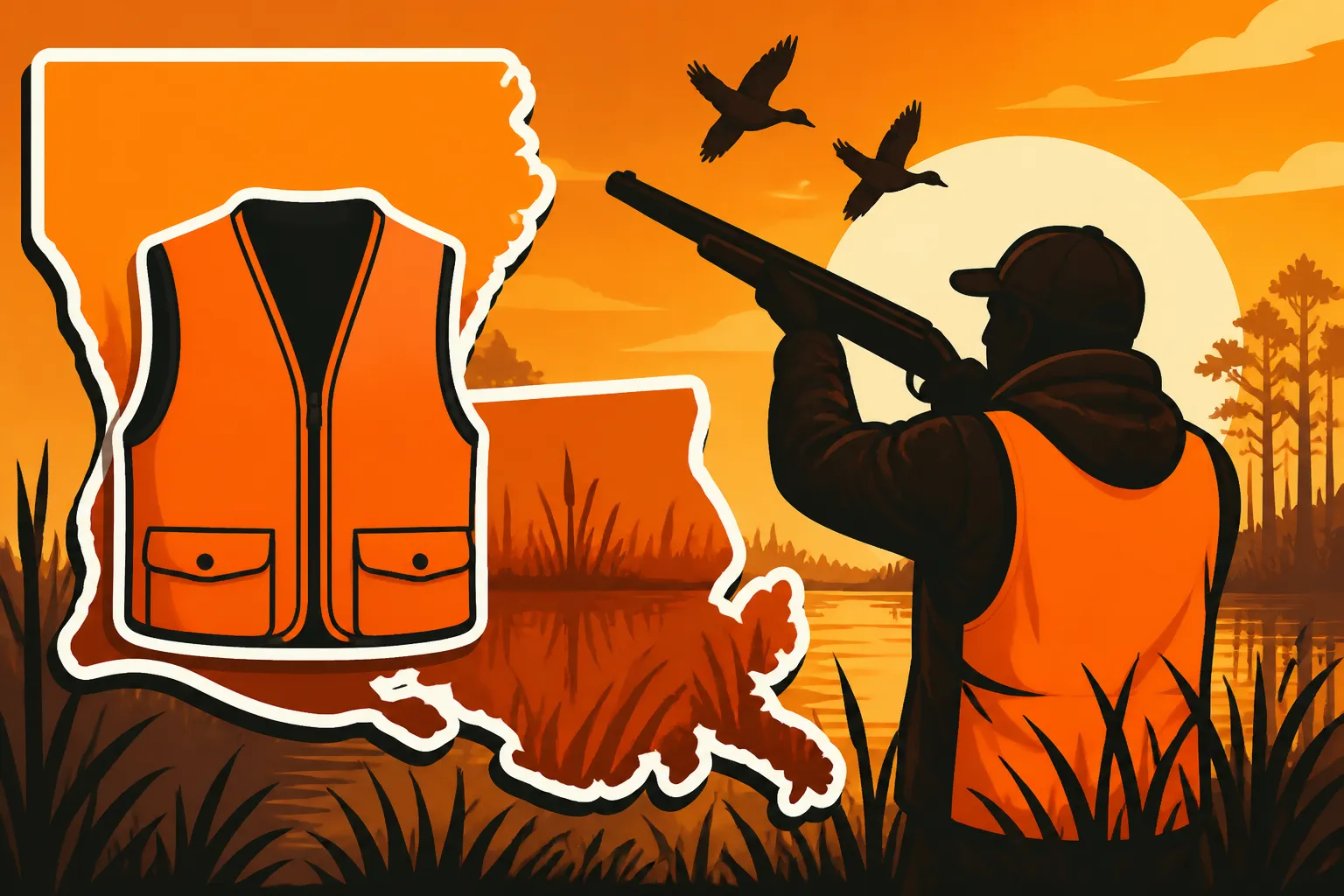
Louisiana has specific requirements for what constitutes legal hunter orange. It's not just any orange garment you pull out of your closet. The law specifies that you must wear at least 400 square inches of "hunter orange" or "blaze orange" material on your outer garments. This material must be visible from 360 degrees, meaning it should cover your torso and be unobstructed from all angles. On top of that, you need to wear a hunter orange cap or hat.
Let's break down what this means in practice:
- Solid vs. Camouflage: While some states allow certain camouflage patterns that incorporate blaze orange, Louisiana's regulations emphasize solid, unobstructed material. This means a blaze orange vest and a blaze orange hat are your most common and compliant choices. Don't rely on a camo jacket with small orange accents; it likely won't meet the 400 square inch requirement or provide the necessary 360-degree visibility.
- Visibility: The 360-degree rule is crucial. Your vest shouldn't be covered by a backpack, and your hat shouldn't be hidden by a hoodie. The point is to be easily seen from any direction, whether you're walking through timber, sitting in a stand, or dragging a deer out of the woods.
- Material: The material itself should be brightly colored and not faded. Sunlight and repeated washing can dull the vibrancy of blaze orange, making it less effective. Regularly inspect your gear to ensure it still meets the high visibility standard. A good rule of thumb is, if you question it, it's probably time to replace it.
Knowing these specific details is vital for staying legal and, more importantly, safe. When planning your hunt, especially if you're exploring new areas like those described in Louisiana Deer Hunting Area by Area, always double-check the local WMA rules, as they can sometimes have additional requirements beyond statewide mandates.
Specific Scenarios and Exceptions to the Rule
While the general rule for firearms deer season is clear, Louisiana's diverse hunting opportunities mean there are several important exceptions and specific scenarios where the blaze orange requirement either differs or doesn't apply at all. It's these nuances that often trip up hunters, so let's delve into them.
Archery, Primitive Firearms, and Turkey Season Differences
This is where the distinction becomes critical.
- Archery Season: During the state's lengthy Bowhunting Louisiana's Long Archery Season, hunter orange is generally not required when hunting deer with a bow or crossbow. The reason is that archery hunting is typically a much more stealthy pursuit, requiring concealment to get within close range of game. However, if you are archery hunting during an overlap with an open gun season for deer in the same area, it becomes a little more complicated. While the regulations might not explicitly require it for the archer, it is highly recommended to wear blaze orange for safety, especially if you are on public land or in an area with high hunter traffic. It’s always better to err on the side of caution.
- Primitive Firearms Season: Louisiana's Primitive Firearms Deer Hunting in Louisiana season often overlaps with portions of the general firearms season or occurs when deer hunting pressure is still high. The regulations state that hunter orange is required when hunting with primitive firearms during any open gun season for deer. If you are primitive firearms hunting outside of the established gun seasons, such as during an "archery-only" period where primitive firearms are also allowed, then hunter orange might not be legally required. But again, for safety, consider wearing it if other firearm hunters are in the vicinity, or if you're moving through areas with other hunting activity. This is one of those times where using tools like GoHunt can really help you visualize the different season overlaps on public lands, making it easier to decide on your gear.
- Spring Turkey Season: When you're out chasing gobblers during Spring Turkey Hunting in Louisiana, hunter orange is not required. Turkey hunting, much like archery deer hunting, relies heavily on camouflage and concealment. Wearing blaze orange would negate the hunter's ability to remain hidden from the sharp eyes of a wild turkey. However, remember that you are still sharing the woods, potentially with other turkey hunters or even squirrel hunters, so always exercise extreme caution and positive identification of your target.
Public Land vs. Private Land Distinctions
For the most part, the blaze orange requirements apply consistently whether you're hunting on public or private land during the relevant seasons. The safety principles don't change based on land ownership. However, there are some practical considerations:
- Public Land: On Louisiana Wildlife Management Areas (WMAs) and other public hunting grounds, hunter density is often higher. This makes strict adherence to blaze orange rules even more critical. Always review the specific regulations for the WMA you plan to hunt, as some areas might have unique rules or extended periods where blaze orange is encouraged even outside the strict legal mandate. Before heading out, consulting resources like Louisiana Wildlife Management Areas or using a mapping tool like GoHunt to scout the terrain and check for specific WMA rules can be invaluable.
- Private Land: While the legal mandate remains, landowners or hunting clubs on private land may implement their own, stricter rules regarding hunter orange for added safety. Always clarify these rules with the landowner or club manager before your hunt. It’s a matter of courtesy and safety. You don't want to show up on a hunt club property without the right gear only to be told you can't hunt.
Special Hunts and Specific Game Species
Beyond deer, turkey, and primitive weapons, other game species and special hunts have their own rules:
- Youth and Veterans Weekend: Louisiana often has special seasons, such as the Hunting the Youth and Veterans Weekend. During these hunts, if firearms are being used for deer, the blaze orange requirements remain in effect to ensure the safety of young and veteran hunters.
- Small Game Hunting: When hunting small game like squirrels and rabbits, hunter orange requirements can vary. Generally, during the small game season that overlaps with gun season for deer, anyone hunting small game with a firearm on a WMA is required to wear hunter orange. On private land, if you are only hunting small game and it's not deer gun season, blaze orange might not be required. However, many experienced small game hunters will still wear a blaze orange vest or hat, especially if there's any chance of encountering deer hunters or other firearm users. It’s a common-sense safety practice.
- Waterfowl and Other Migratory Birds: For species like ducks, geese, and doves, hunter orange is not required and would be counterproductive, as these hunts rely on concealment.
- Hogs: Feral hog hunting is popular year-round in Louisiana. If you are hunting hogs with a firearm during the open deer gun season, the blaze orange requirement applies. If you are targeting hogs outside of deer gun season, particularly at night (where legal), then blaze orange is not required.
| Hunting Scenario | Blaze Orange Required? (Statewide) | Notes |
|---|---|---|
| Deer Hunting (Firearms – Gun Season) | YES | At least 400 sq. inches on outer garments, visible 360 degrees, plus a blaze orange cap/hat. Applies to all accompanying hunters. |
| Deer Hunting (Archery) | NO | Not required unless during an overlap with firearms deer season, then highly recommended for safety. |
| Deer Hunting (Primitive Firearms) | YES (during gun season) | Required during any open gun season for deer. If primitive firearms allowed during archery-only season, not legally required but good practice. |
| Turkey Hunting (Spring) | NO | Concealment is key. Not required. |
| Small Game Hunting (Firearms – on WMA) | YES (during deer gun season) | Required if small game hunting with a firearm on a WMA during an open deer gun season. Recommended on private land too. |
| Small Game Hunting (Firearms – private) | NO (outside deer gun season) | Not legally required if only hunting small game outside of deer gun season, but wearing it is a very wise safety precaution. |
| Waterfowl/Migratory Bird Hunting (Ducks/Geese/Doves) | NO | Concealment is key. Not required. |
| Feral Hog Hunting (Firearms) | YES (during deer gun season) | Required if hunting hogs with a firearm during open deer gun season. Not required if hog hunting outside deer gun season, or at night. |
Practical Tips for Staying Safe and Legal
Beyond just knowing the rules, applying them practically and adopting a safety-first mindset is what truly keeps everyone safe in the woods. These practical tips will help you not only comply with Louisiana's blaze orange regulations but also enhance your overall hunting safety.
Choosing the Right Gear
Selecting the correct blaze orange gear is more than just grabbing the first orange thing you see. It's about functionality, comfort, and compliance.
- Vests: A good blaze orange vest should be lightweight, durable, and offer maximum coverage. Look for vests that are designed to fit over your existing hunting clothes without being too bulky or restrictive. Some vests come with extra pockets, which can be surprisingly handy for calls, licenses, or small snacks. Ensure it's large enough to comfortably accommodate layers of clothing, especially if you're hunting in colder weather.
- Hats/Caps: A blaze orange hat or cap is mandatory during gun season for deer. Choose one that fits well and won't easily blow off in the wind. Opt for a baseball cap style or a beanie, depending on the weather. Make sure it's a solid blaze orange, not a camouflage pattern with just a splash of orange.
- Material Quality: Invest in quality gear that will withstand the elements and repeated washings. Faded blaze orange is less effective. Some hunters even keep a dedicated "deer season" vest and hat to ensure they are always bright and compliant. When you're using tools like GoHunt to plan your hunts, consider what terrain you'll be in—thick brush might snag cheaper materials, reducing their lifespan.
Maximizing Visibility
Simply wearing blaze orange isn't enough; you need to ensure it's actually visible.
- Unobstructed Views: Make sure your 400 square inches of blaze orange, and your hat, are always unobstructed from every angle. This means not draping your jacket over your vest, not wearing a backpack that completely covers your back, and not pulling a camouflaged hood over your orange hat. If you use a backpack, consider adding blaze orange strips or covers to it.
- Cleanliness: Mud, blood, and dirt can significantly reduce the visibility of your blaze orange. Keep your gear clean. A quick wash after each hunt, or at least before the next trip out, will ensure it remains vibrant and effective.
- Strategic Placement: When sitting in a stand, particularly a ladder stand or climber, be mindful of how your blaze orange is presented. Are you silhouetted against the sky? Is a tree trunk blocking your visibility from a certain direction? Adjust your position to maximize your exposure to other hunters without compromising your hunting strategy. This is especially important if you've been doing extensive Scouting Louisiana Public Land Before Season and know certain areas see more hunter traffic.
The Importance of Situational Awareness
Blaze orange is a tool, but it's not a substitute for good judgment and constant situational awareness.
- Positive Identification: Always, always positively identify your target and what's beyond it before taking a shot. This is the golden rule of firearm safety, and it's paramount regardless of what other hunters are wearing.
- Communicate: If hunting with a group, communicate your positions and movements. If you’re still-hunting or stalking, be extra vigilant.
- Know Your Surroundings: Be aware of other hunters in the area, even if you don't see them. Listen for distant shots, voices, or vehicle sounds. Remember that you’re sharing the woods, and not everyone is as diligent about safety as you might be. This is particularly true on popular WMAs or public lands near populated areas.
- Stay Informed: Keep up-to-date with Louisiana's hunting regulations, which can change. Review the current year's hunting digest from the Louisiana Department of Wildlife and Fisheries (LDWF) before each season. Understanding Louisiana Hunting Licenses and What They Cost and other associated rules is part of being a responsible hunter.
By taking these steps, you not only fulfill your legal obligations but also actively contribute to a safer hunting environment for yourself and everyone else enjoying Louisiana's incredible outdoors. Whether you're in the Hunting the Atchafalaya Basin or the Hunting North Louisiana's Piney Hills, safety should always be your top priority.
Disclaimer
Please remember that hunting regulations can change. Always consult the most current Louisiana Department of Wildlife and Fisheries (LDWF) hunting regulations pamphlet or website before heading afield to ensure you are fully compliant with all state and local laws. This guide is for informational purposes only and should not be considered legal advice.