Blaze Pink Options Under Louisiana Law
It's no secret that choosing hunting apparel can sometimes feel like navigating a maze of regulations, personal preferences, and the ever-present question of what really works in the field. For years, "hunter orange" has been the undisputed champion of safety colors, but as times change and more diverse groups take to the woods, alternatives have emerged. If you've ever wondered about adding a splash of pink to your hunting wardrobe in Louisiana, or if it's even allowed, you're not alone. This guide is here to cut through the confusion and explain exactly what Louisiana law says about blaze pink, so you can hunt safely and legally, making informed decisions about your gear.
The Evolution of Visible Safety Apparel in Louisiana Hunting
For decades, the standard for hunter visibility has been "hunter orange," often referred to simply as "blaze orange." This isn't just a fashion statement; it's a critical safety measure designed to prevent hunting accidents, particularly those involving misidentification. The idea is simple: make hunters highly visible to other humans, without spooking deer or other game that largely perceive colors differently than we do. Most deer, for instance, are essentially red-green colorblind, meaning they struggle to distinguish orange from the greens and browns of the natural environment, but they can detect the bright contrast of blaze orange against a dull background.
The introduction of blaze orange was a game-changer, dramatically reducing "shoot-don't-shoot" errors and ensuring hunters could confidently share public and private lands. States across the country adopted various requirements, from full garments to minimum square inches of material. Louisiana, like many southern states with dense foliage and varied hunting traditions, has its own specific rules that hunters must adhere to, especially during firearms seasons.
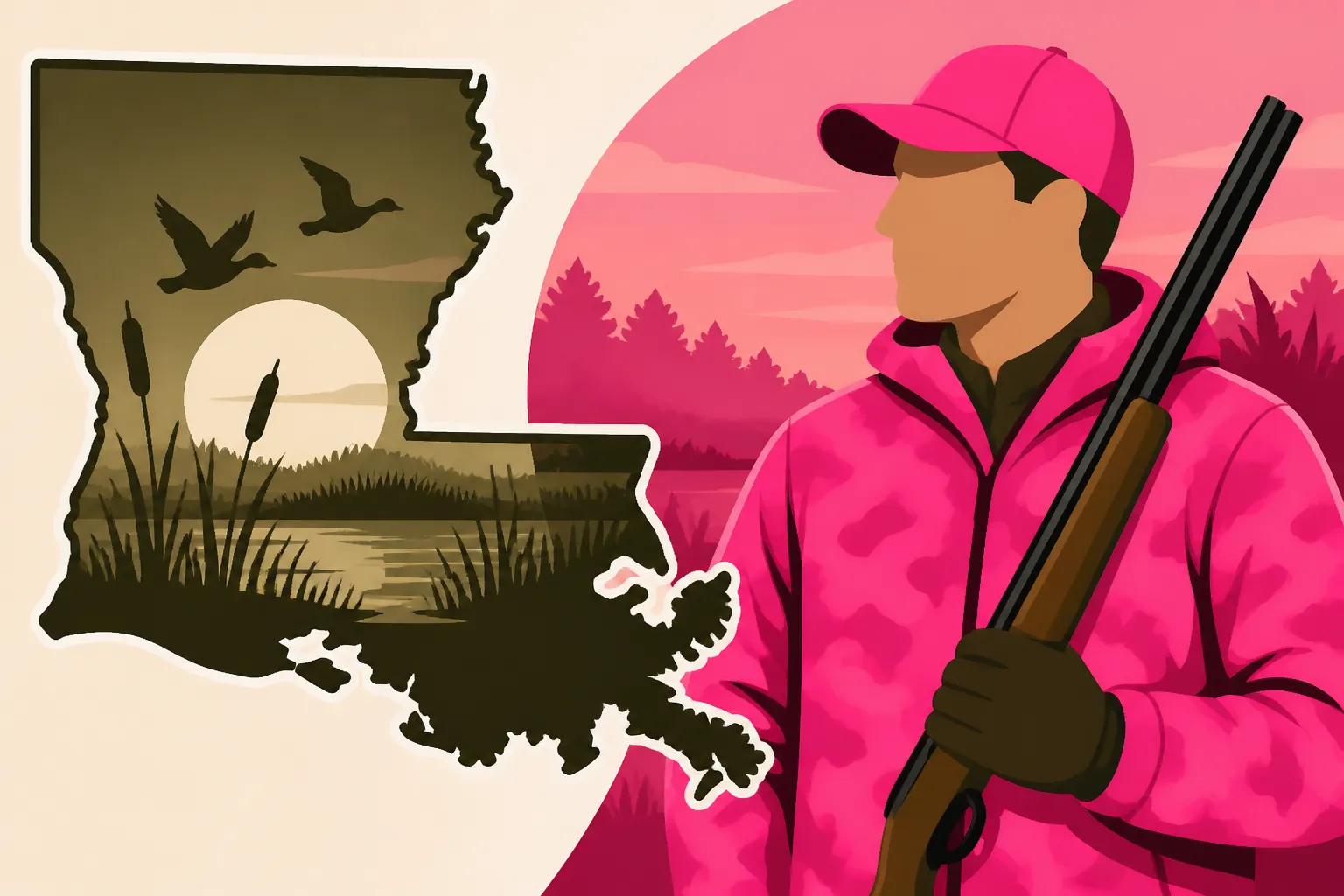
However, as hunting demographics began to shift, and more women and younger hunters joined the ranks, a conversation started brewing. Why only orange? Could another highly visible color offer similar safety benefits while perhaps appealing to a broader audience? This dialogue led to legislative efforts in several states, including Louisiana, to introduce blaze pink as a legal alternative. It wasn't about replacing blaze orange, but about providing an option that maintains the same level of safety and visibility.
The move to include blaze pink reflects a growing understanding that hunter safety is paramount, but accessibility and choice can also play a role in encouraging participation. For many, having the option for blaze pink means not only meeting legal requirements but doing so with a personal touch. It’s a small change, but for some, it represents a significant step forward in feeling more connected and comfortable in the hunting community.
Understanding Louisiana's Blaze Pink Regulations
Navigating the specifics of hunting regulations can sometimes feel like trying to untangle a stubborn fishing line, but when it comes to visible safety apparel like blaze pink, the rules in Louisiana are fairly straightforward once you know where to look. The Louisiana Department of Wildlife and Fisheries (LDWF) is the governing body for all hunting and fishing activities in the state, and their regulations outline precisely when and how blaze pink (or blaze orange) must be worn.
The core principle behind these regulations is public safety. When firearms seasons are open, especially during peak times like the deer gun opener, the woods can be bustling with hunters. Ensuring everyone is clearly visible drastically reduces the risk of accidents. This is why you'll often see the requirement tied directly to the use of firearms for deer and other game, or during specific events like youth hunts.
Louisiana law specifies that during certain firearms seasons, hunters (and anyone accompanying them) must wear specific amounts of visible safety apparel. This usually means a minimum of 400 square inches of solid hunter orange or blaze pink material, worn on the head, chest, and/or back. The key is that it must be worn in a manner that is clearly visible from all directions. This isn't just about throwing on a vest; it's about making sure that if someone is looking at you from any angle in the woods, they can clearly see that bright color.
Let's break down the primary scenarios where this is most relevant:
When Blaze Pink (or Orange) is Mandatory
The most common time you’ll need to wear blaze pink or orange is during any gun season for deer. This includes both private lands and Wildlife Management Areas (WMAs). It's not just the person actively carrying the firearm; anyone hunting alongside them, even if they're bowhunting during a concurrent gun season, needs to abide by these rules. This applies whether you're hunting white-tailed deer across Louisiana or even during the special Primitive Firearms Deer Hunting in Louisiana season.
Another critical time is during special youth or veteran hunts. For example, during the annual Hunting the Youth and Veterans Weekend, which often serves as an early opportunity for young hunters and veterans, blaze orange or pink requirements are strictly enforced to ensure the safety of all participants.
It's worth noting that while blaze pink is a legal alternative, the total amount required (400 square inches) and the visibility from all directions remain the same as for blaze orange. This consistency ensures that the safety standard isn't compromised by offering an alternative color. It's not about being less visible, but about having a choice in how you achieve that visibility.
Exemptions and Specific Scenarios
While the general rule is to wear your blaze apparel during gun seasons, there are some important exceptions and specific scenarios to be aware of:
- Archery-Only Seasons: If you are hunting solely with archery equipment during an archery-only season (meaning no firearms are allowed for deer in that area at that time), blaze orange or pink is generally not required. This is because the risk profile for archery hunting is different, and the primary concern for misidentification by firearms isn't present. However, check the regulations for your specific hunting area and time, as concurrent seasons (like archery during a primitive firearms hunt) might still trigger the requirement. For those interested in Bowhunting Louisiana's Long Archery Season, understanding these nuances is crucial.
- Small Game Hunting: For certain small game species, like squirrels and rabbits, during times when deer gun season is not open, blaze orange or pink might not be required. However, it's always a good practice to wear some form of highly visible clothing when sharing the woods with other hunters, regardless of legal mandates. When considering Squirrel and Small Game Hunting in Louisiana, always refer to the specific season dates and overlapping regulations.
- Turkey Hunting: During spring turkey season, the emphasis shifts away from high visibility and towards camouflage, as turkeys have excellent eyesight and can detect movement and color keenly. Therefore, blaze pink or orange is generally not required, and in fact, would be counterproductive for successful turkey hunting. Consult the Louisiana Spring Turkey Season Rules for precise details.
- From an Enclosed Blind: If you are hunting from a completely enclosed ground blind, the blaze apparel requirement might be waived, as you are not directly exposed. However, when entering or exiting the blind, or moving about the area, you must still comply with the visibility rules. This is a common tactic for Using a Ground Blind on Louisiana Public Land, and awareness of your visibility before and after settling in is key.
To make things a little clearer, here’s a quick overview of the visibility requirements:
| Scenario | Blaze Orange/Pink Required? | Minimum Square Inches | Visibility Requirement |
|---|---|---|---|
| Deer Gun Season (Private Land) | Yes | 400 | Visible from all sides |
| Deer Gun Season (WMA) | Yes | 400 | Visible from all sides |
| Youth/Veterans Deer Hunt | Yes | 400 | Visible from all sides |
| Archery-Only Deer Season | No* | N/A | N/A |
| Small Game (Deer Gun Season Open) | Yes | 400 | Visible from all sides |
| Spring Turkey Season | No | N/A | N/A |
| Inside Enclosed Blind | No* | N/A | N/A |
*Always double-check current LDWF regulations as rules can change annually or for specific WMAs.
The important takeaway here is to always consult the most current Louisiana hunting regulations pamphlet or the LDWF website before heading into the field. Regulations can sometimes have specific nuances based on parish, WMA, or even particular hunt dates. Tools like GoHunt can be excellent resources for planning and scouting, but always ensure you verify local and state regulations directly through official LDWF channels.
Practical Considerations for Hunting with Blaze Pink
So, you've checked the regulations, and blaze pink is a legal, viable option for your next hunting trip in Louisiana. That's fantastic! But beyond the letter of the law, there are some practical aspects to consider when choosing and using blaze pink gear in the field. After all, safety is about more than just checking a box; it's about making smart choices that enhance your experience and keep everyone secure.
One of the biggest questions people often have is how deer perceive blaze pink compared to blaze orange. The good news is, from a deer's perspective, there's likely little to no difference. As mentioned, deer are dichromatic, meaning their color vision is limited, similar to a human with red-green colorblindness. They primarily see in shades of blue and yellow, and struggle to differentiate between red, orange, and green. This means both blaze orange and blaze pink appear as shades of grey or yellowish-grey to them, effectively blending into the background as far as color detection goes. What they do detect is movement and contrast against the environment. So, wearing blaze pink offers the same optical stealth against game as blaze orange.
However, the human eye is a different story. Blaze pink is indeed a distinct color from blaze orange. Some hunters might even argue that in certain lighting conditions, or against specific backdrops, one might be more visible to human eyes than the other. For instance, a bright, sunny day might make both colors pop, but perhaps a cloudy, overcast day in a dense green bottomland could favor one's contrast slightly over the other. This is largely subjective, but the key is that both colors are designed to be highly conspicuous to other humans, a fact supported by the legal recognition of blaze pink.
Durability and Material Choices
Just like any hunting gear, the durability and material of your blaze pink apparel are crucial. You’re not just wearing it for safety; you’re wearing it in the challenging Louisiana environment, whether that’s the thick palmetto bottoms of the Florida Parishes or the swampy terrain of the Atchafalaya Basin.
Look for materials that are:
- Tear-resistant: Branches, briars, and rough terrain can quickly shred flimsy fabric.
- Quiet: If you’re still-hunting or trying to move stealthily, noisy material will give you away.
- Weather-appropriate: Louisiana hunting often means warm, humid conditions. Opt for breathable fabrics, perhaps even mesh vests, that won’t cause you to overheat. If hunting later in the season during a cold front, ensure your blaze layer can go over heavier insulated clothing without being too bulky or restrictive.
- Easy to clean: Mud, blood, and sweat are part of the hunting experience. Your safety gear should be able to withstand regular washing.
Consider what type of garment suits your hunting style. A simple vest that goes over your regular camouflage is a popular and versatile choice. Many companies also offer blaze pink hats or baseball caps, which are an easy way to meet the headwear requirement. For colder weather, you might find jackets or hoodies with integrated blaze pink panels. The most important thing is that whatever you choose, it meets the 400 square inch minimum and is visible from all angles.
Layering and Visibility
When you’re layering up for a hunt, especially during cooler mornings that turn into warm afternoons, remember that your blaze pink layer needs to be on the outside and fully visible. Don't hide it under a backpack or an outer jacket that isn't blaze. If you're carrying a large pack, ensure the blaze material wraps around your sides or that you have sufficient material on your front and back to compensate.
Think about how you're using your gear. If you’re Hanging a Stand on a Kisatchie Ridge or navigating dense brush, your movements might temporarily obscure parts of your blaze apparel. The 400 square inch rule, visible from all directions, is designed to account for these movements and provide a margin of safety. It's a simple, yet critical, detail that many hunters overlook in their excitement.
Ultimately, choosing blaze pink is a personal decision that offers the same safety benefits as blaze orange. It allows hunters to express themselves while adhering to essential safety protocols, contributing to a more inclusive and secure hunting environment for everyone enjoying Louisiana's bountiful game.
Sourcing and Choosing Your Blaze Pink Gear
Now that you're well-versed in Louisiana's blaze pink regulations and the practical considerations, the next step is actually finding the gear! While blaze orange has saturated the market for decades, blaze pink is still a relatively newer offering, which means selection might vary. However, as its popularity grows, more brands are recognizing the demand and expanding their lines. You shouldn't have too much trouble finding suitable options, both online and in local sporting goods stores.
When you're ready to start looking, keep a few key things in mind to ensure you're getting effective and compliant gear.
Where to Find Blaze Pink Hunting Apparel
The availability of blaze pink gear has expanded significantly in recent years. Here are some of the best places to start your search:
- Major Sporting Goods Retailers: Stores like Academy Sports + Outdoors, Bass Pro Shops, and Cabela's often carry a selection of blaze pink hunting vests, hats, and occasionally jackets, especially closer to deer season. They're usually found alongside the blaze orange apparel.
- Online Outdoor Retailers: Websites dedicated to hunting and outdoor gear, such as midwayusa.com or opticsplanet.com, often have a wider selection of brands and styles than brick-and-mortar stores. Searching specifically for "blaze pink hunting vest" or "women's blaze pink hunting jacket" should yield good results.
- Specialty Women's Hunting Brands: A growing number of brands are focusing specifically on hunting gear for women, and many of these were early adopters of blaze pink options. Companies like DSG Outerwear, Prois, and Girls with Guns are great places to check for dedicated lines that are designed to fit and perform well for female hunters, often including blaze pink.
- Independent Local Shops: Don't overlook your local mom-and-pop outdoor shops or smaller hunting supply stores. They might have a more curated selection or be able to order specific items for you. Supporting local businesses is always a plus!
When browsing, be sure to read product descriptions carefully to verify the material composition, sizing, and specific features. A crucial detail is to ensure the product explicitly states it meets hunter visibility requirements, or that you can visually confirm it provides ample coverage.
What to Look For in Quality Blaze Pink Gear
Beyond just being the right color, the quality and design of your blaze pink gear matter for both safety and comfort in the field.
- Fabric Weight and Breathability: Louisiana weather can be notoriously hot and humid, even during deer season. A heavy, insulated blaze pink jacket might be perfect for a crisp November morning up north, but it could be unbearable in the sweltering lowlands of the Tensas River Basin. Look for lightweight, breathable mesh vests for warmer days, or shell jackets that can be layered over lighter clothing. If you're heading out for Warm-Weather Sitting Strategy in Louisiana, breathability is paramount.
- Durability and Snag Resistance: You'll be pushing through brush, climbing into stands, and perhaps even Dragging a Deer Out of a Swamp. Your gear needs to hold up. Reinforced stitching, ripstop fabrics, and sturdy zippers are indicators of good quality.
- Fit and Functionality: Your blaze pink layer should fit comfortably over your other hunting clothes without restricting your movement or interfering with shooting. Look for features like ample pockets for small essentials, adjustable closures, and an overall design that doesn't feel bulky or cumbersome.
- Easy Maintenance: As mentioned, hunting can be messy. Opt for materials that are easy to wash and quick to dry, so your safety gear is ready for every outing.
- Compliance with Square Inch Requirements: While most purpose-built blaze apparel will meet the 400 square inch minimum, it's always good to be mindful, especially if you're combining multiple smaller pieces (e.g., a hat and a small vest). Ensure the total visible area is sufficient.
Remember, the goal of blaze pink is the same as blaze orange: to be highly visible to other hunters for safety. By choosing quality gear that meets Louisiana's legal requirements, you're not just making a style choice; you're making a responsible and safe one that allows you to fully enjoy your time in the beautiful Louisiana outdoors. Using resources like GoHunt can help you plan your hunts more effectively, and knowing your gear is legal and effective is a foundational part of that preparation.
Disclaimer
This article provides general information regarding blaze pink hunting regulations in Louisiana based on current understanding. Hunting laws and regulations are subject to change, and specific rules may vary by season, hunting area (such as Wildlife Management Areas), or special circumstances. Always consult the official Louisiana Department of Wildlife and Fisheries (LDWF) website or their most current hunting regulations pamphlet before engaging in any hunting activity. The author and publisher are not responsible for any actions taken based on the information provided herein.