Bowhunting Louisiana’s Long Archery Season
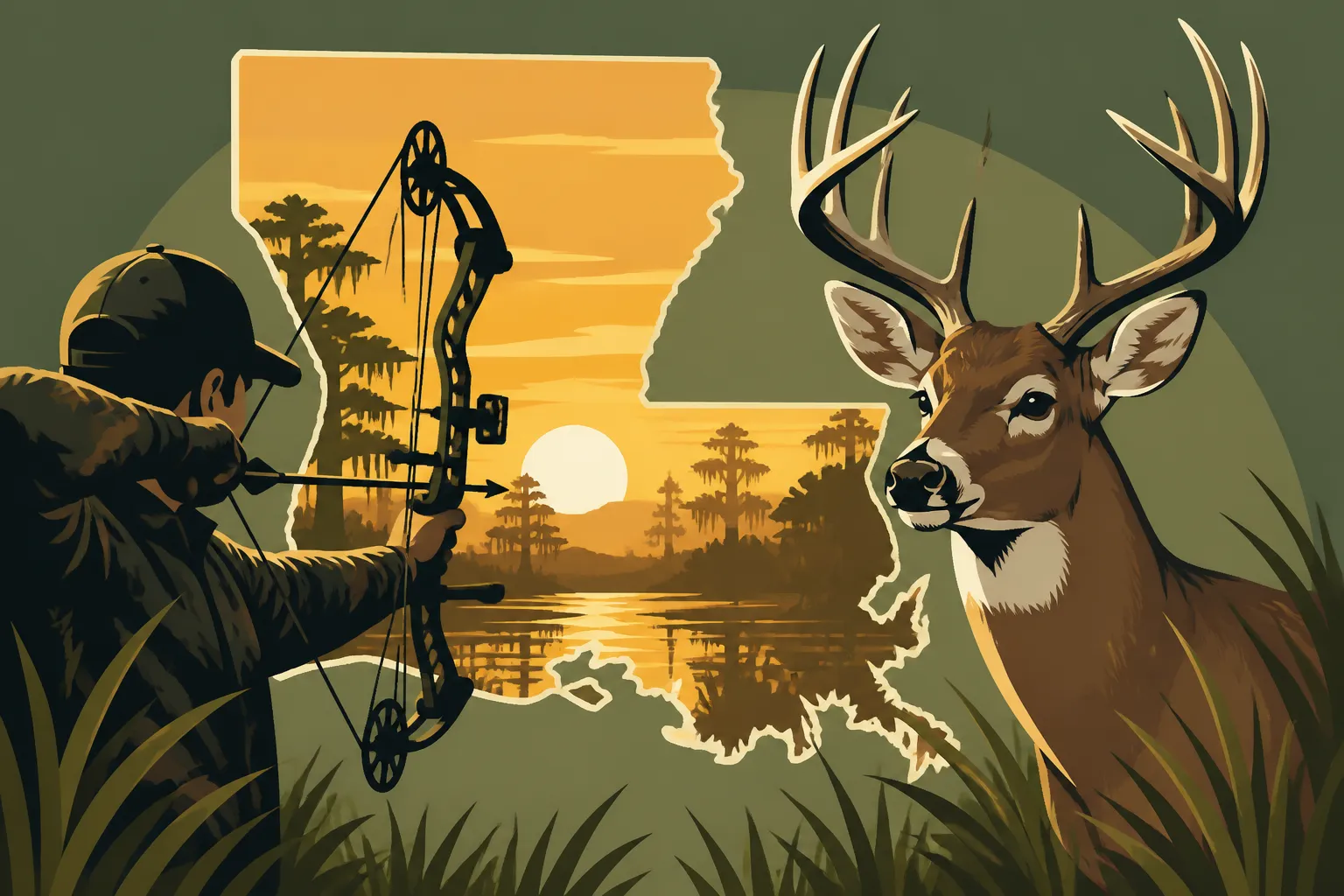
The thought of chasing whitetails with a bow across Louisiana's incredibly long archery season often brings a mix of excitement and apprehension for many hunters. While the extended season offers abundant opportunity, the unique challenges of our state's humid climate, dense cover, and varied terrain can quickly turn anticipation into frustration if you're not properly prepared. This comprehensive guide is designed to cut through the confusion, offering practical strategies, essential gear advice, and crucial preparation tips to help you confidently navigate the bayous, piney woods, and farmlands, ensuring a successful and rewarding bowhunting season from its muggy start to its chilly finish.
Understanding Louisiana's Archery Season Structure
Louisiana's archery season is a hunter's dream in terms of length, often stretching from early October all the way through January in many areas. This generous timeframe provides ample opportunity to be in the woods, but it also means adapting your tactics as the season progresses and conditions change dramatically. Understanding the nuances of these dates and the specific rules for your chosen hunting area is the first step toward a successful hunt. It’s not just about knowing when you can hunt, but how the length impacts deer behavior and your strategy.
The Generous Timeframe and Why It Matters
Unlike some states where archery season is a short prelude to firearms season, Louisiana offers a truly expansive window for bowhunters. This extended period means you'll be hunting through everything from early-season heat and thick vegetation, to the peak rut, and then into the cooler, sparser conditions of late season. This isn't just a calendar fact; it fundamentally changes how deer behave and what strategies you'll employ. Early season often finds bucks still in their summer patterns, focusing on food and shade, whereas the rut brings aggressive seeking and chasing behavior. Late season, post-rut, deer are primarily focused on available food sources and recovering from the breeding season. Each phase demands a different approach to scouting, stand placement, and calling. The sheer duration of the season also allows for flexibility; if one hunt doesn't pan out, you've got plenty more opportunities to learn, adapt, and get back out there. It minimizes the "one shot" pressure and encourages a more patient, analytical approach to bowhunting.
Varying Zone Regulations and Dates
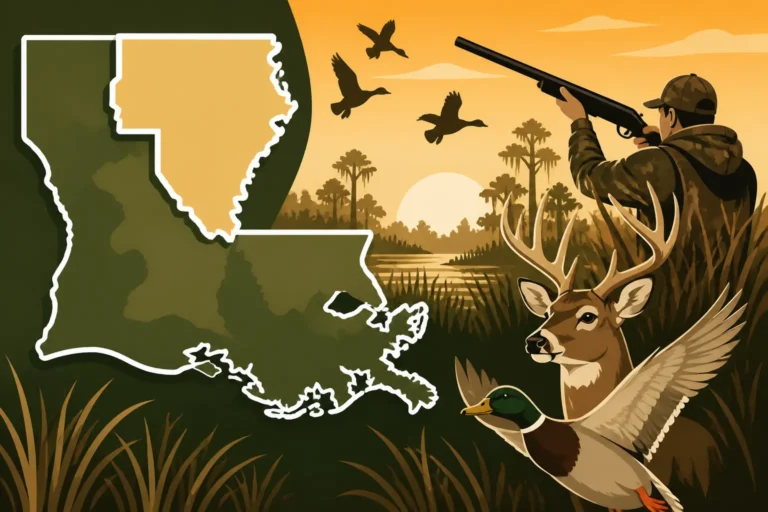
Louisiana isn't a "one-size-fits-all" state when it comes to deer seasons. The state is divided into 10 different Deer Management Areas, and each area can have slightly different archery opening and closing dates, as well as varying either-sex days. For example, areas like 5, 6, and 9 are known for their incredibly Hunting the Long Either-Sex Window in Areas 5, 6 and 9, which often means nearly five months of bowhunting! This means that a hunter in the Florida Parishes might have a different season structure than someone hunting the piney hills of North Louisiana or the vast Atchafalaya Basin. Before you even think about setting up a stand, you absolutely must consult the current Louisiana Department of Wildlife and Fisheries (LDWF) regulations pamphlet or their website. Pay close attention to the specific parish and Deer Area you plan to hunt, noting the exact archery dates and any special restrictions. Failing to do so could lead to a disappointing hunt or, worse, a violation. This level of detail in planning is where digital mapping tools, like the one offered by GoHunt, truly shine, allowing you to overlay season boundaries with property lines, ensuring you're always legal.
Youth and Primitive Firearms Overlaps
Another critical aspect of Louisiana's long archery season is its overlap with other hunting opportunities, particularly youth hunts and primitive firearms seasons. While primitive firearms usually kick off after a significant portion of the archery season, there are often youth-only weekends that precede the general gun season. These events can bring increased pressure to public lands or even alter deer patterns on private tracts. For archers, it's vital to be aware of these overlaps. For instance, if you're bowhunting a specific block of public land during a youth weekend, expect more orange in the woods and potentially more disrupted deer movement. Deer might go nocturnal or shift their bedding areas. Likewise, once the primitive firearms season begins, the woods, especially on weekends, can become considerably more active with hunters. This pressure often pushes deer into thicker cover, making bowhunting even more challenging but also potentially concentrating deer in less accessible areas. Understanding these periods allows you to adjust your strategy, perhaps targeting weekdays or less-pressured pockets of woods, or simply acknowledging that deer behavior will change.
Crossbows are legal in Louisiana during the entire archery season for all hunters. This is a common point of confusion for those coming from other states, but it means you don't need a special permit or disability exemption to use one. You can read more about the specifics of Crossbow Rules During Louisiana Archery Season in our detailed guide.
Gear Essentials for Louisiana Bowhunting
Hunting in Louisiana presents unique challenges that directly impact your gear choices. The heat, humidity, and often rugged terrain demand equipment that is not only reliable but also suited to withstand these conditions. From your bow setup to your clothing, every item in your arsenal should be selected with the Louisiana environment in mind. Skimping on quality or overlooking climate-specific needs can quickly lead to discomfort, equipment failure, and a ruined hunt.
Bow and Arrow Setup for Humid Conditions
The relentless humidity in Louisiana can be tough on gear, and your bow is no exception. Bowstrings can stretch, cams can get gunked up, and sights can fog. It's crucial to have a bow that's well-maintained and tuned specifically for the conditions you'll encounter. Consider synthetic string materials that are less prone to stretching in high humidity. Ensure your peep sight is clear and your pins are bright, as low light conditions, especially in our dense swamps and bottomlands, are common. For arrows, a slightly heavier arrow might be beneficial, as it can help retain energy and penetrate better through potential brush, which is abundant here. Broadheads need to be razor-sharp and durable. Mechanical broadheads are popular for their flight characteristics, but ensure they deploy reliably after passing through thick hide and bone, especially on larger-bodied Louisiana deer. Fixed-blade broadheads offer ultimate reliability and are a favorite for many veteran swamp hunters who prioritize penetration over all else. Always carry a small multi-tool for field adjustments and a string wax applicator to keep your string in top shape.
Clothing and Scent Control in the Heat
Let's be honest, bowhunting in early October in Louisiana often feels more like a summer endeavor than a fall one. Temperatures can easily soar into the 80s, coupled with stifling humidity. This heat and sweat are your biggest enemies for scent control. Forget heavy, insulated camo; you need lightweight, breathable, moisture-wicking materials. Synthetics are generally better than cotton, which holds moisture and odor. Consider layering light pieces that you can shed as the day warms up. Investing in high-quality scent-control clothing, even if it's just a base layer, is paramount. More importantly, a meticulous scent-control regimen is non-negotiable. Shower with scent-free soap, use scent-free deodorant, wash your hunting clothes in scent-free detergent, and store them in airtight bags or containers. Dress at the truck, not at home, to minimize picking up household odors. Even with all these precautions, you'll still sweat. A small towel treated with a scent-eliminating spray to wipe down exposed skin can make a difference. Remember, a deer's nose is its primary defense, and in Louisiana's often still, humid air, your scent hangs heavy.
Must-Have Accessories for the Stand
Beyond your bow and arrows, a few key accessories can make or break your Louisiana bowhunt. First and foremost, a quality treestand or Using a Ground Blind on Louisiana Public Land is essential. Given the dense undergrowth and frequent water crossings, a lightweight, packable climbing stand or a hang-on stand with sturdy climbing sticks is often preferred. Safety is paramount: always use a full-body harness, and always be attached to the tree from the moment your feet leave the ground until you're back down. A rangefinder is indispensable for accurately gauging shot distances in varying terrain and cover. A good pair of binoculars, even 8x32s, can help you identify deer in thick cover or at last light. A headlamp with a red-light option is critical for navigating to and from your stand in the dark without spooking game. Don't forget bug spray – mosquitoes, ticks, and gnats can drive you absolutely crazy in Louisiana's woods. Look for formulations specifically designed for hunters, and remember to apply it away from your clothes if it's not scent-free. Finally, a small but comprehensive first-aid kit should always be in your pack, ready for any minor scrapes or bites.
| Item Type | Louisiana-Specific Considerations | Recommended Features |
|---|---|---|
| Bow Setup | Humidity, dense cover, potential for long waits. | Durable strings, reliable cams, sharp broadheads. |
| Clothing | Extreme heat, high humidity, mosquitoes, ticks. | Lightweight, breathable, moisture-wicking, scent-controlled. |
| Scent Control | High sweat rate, stagnant air. | Scent-free everything: soap, detergent, spray, storage. |
| Treestand/Blind | Swamp access, dense timber, portability. | Lightweight climber/hang-on, sturdy ground blind. |
| Optics | Low light in dense woods, varying shot distances. | Clear binoculars (8x), reliable rangefinder. |
| Navigation | Complex terrain, public land boundaries. | GPS device or reliable phone app (GoHunt), compass, map. |
| Essentials | Bugs, hydration, minor injuries, low light. | Bug spray, water, first-aid kit, headlamp. |
Scouting and Pre-Season Preparation
Success in Louisiana bowhunting is rarely a matter of luck; it's almost always a direct result of diligent scouting and meticulous pre-season preparation. With our state's diverse habitats, understanding deer movement patterns, identifying key resources, and knowing how to adapt to conditions before the season even starts gives you a significant edge. This means getting out into the woods long before opening day and leveraging all the tools at your disposal.
Reading the Landscape: Sign and Terrain Features
Louisiana's landscapes are a mosaic of dense bottomland hardwoods, cypress-tupelo swamps, piney uplands, and vast agricultural fields. Each offers unique challenges and opportunities. When scouting, you're essentially reading a deer's diary. Look for well-worn trails, especially those that connect bedding areas (often thickets, dense palmetto patches, or small islands in swamps) to feeding areas (acorn flats, agricultural fields, or greenbriar patches). Scrapes and rubs indicate buck activity, but remember that early season scrapes might just be "conditioning" scrapes, not necessarily hot rutting sign. Focus on transitions: where a pine forest meets a hardwood bottom, where a swamp edge gives way to higher ground, or where a clear-cut meets standing timber. These "edges" are natural travel corridors. Look for pinch points, funnels, and natural barriers like creeks, sloughs, or logging roads that force deer into predictable paths. Understanding Reading a Basin Chute for Deer Movement or how deer use subtle elevation changes in the piney woods is crucial. A simple topographical map or a good app on your phone can reveal these features, helping you pinpoint potential stand locations even before you step foot in the woods.
Trail Camera Strategies for Early Season
Trail cameras are invaluable tools for bowhunters, especially in Louisiana's long season. For early season, set them up strategically around known food sources like active persimmon trees, white oak flats, or agricultural field edges where deer are consistently feeding. You're trying to establish patterns: what time are deer moving, which deer are in the area, and what entry/exit routes are they using? Don't just slap a camera on a random tree. Place them on trails leading to food, near active scrapes (even early ones), or along pinch points. Consider mineral sites or mock scrapes to draw deer in, but be mindful of baiting regulations, especially on public land or in CWD zones. Cellular cameras can be a game-changer, allowing you to monitor activity remotely and save precious time and effort, especially in areas with limited access. Remember to place cameras at deer height, slightly angled down, and clear any brush or limbs that might trigger false positives or obscure the view. Checking your cameras every week or two will give you a dynamic picture of deer movement as patterns shift with food availability and increasing pressure.
E-Scouting Tools and Digital Maps
In today's bowhunting world, e-scouting has become an essential part of pre-season preparation, especially for navigating Louisiana's often vast and challenging terrain. Tools like GoHunt, which integrates multiple map layers, satellite imagery, and public/private land boundaries, can save you countless hours of tromping through mosquito-infested woods. Start by analyzing satellite imagery to identify potential bedding areas (dense, dark green spots), feeding areas (agricultural fields, open hardwoods), and natural travel corridors (creek beds, logging roads, timber changes). Use topographical maps to find subtle elevation changes, ridges, and saddles that deer often utilize for travel or bedding, even in seemingly flat areas. Mark potential stand locations, access routes, and egress paths, paying close attention to wind direction. The ability to see property lines clearly is invaluable, especially when trying to gain Getting Private Land Permission in Louisiana or ensuring you're not trespassing on public lands. Many of these apps also allow you to mark observations like rubs, scrapes, and tracks, building a comprehensive digital record of deer activity over time. The LDWF also provides excellent resources, and learning how to effectively use Scouting With the LDWF App is another layer of digital knowledge that can pay dividends. By doing your homework from home, you can significantly narrow down productive areas, making your boots-on-the-ground scouting much more efficient.
Effective Bowhunting Tactics for Louisiana's Diverse Habitats
Louisiana's diverse ecosystems—from expansive swamps to rolling pine hills and open farmlands—demand a versatile approach to bowhunting. What works in one area might be completely ineffective in another. A successful Louisiana bowhunter is one who can adapt their tactics to the specific habitat they're hunting, understanding the nuances of deer behavior in each unique environment.
Basin and Swamp Tactics
Bowhunting the swamps and river basins of Louisiana, like the Atchafalaya, is a truly unique experience that often means dealing with water, thick cover, and challenging access. Deer in these areas are masters of navigating the dense vegetation and water features. Focus your scouting on subtle high ground – small ridges, old levees, cypress heads, or slightly elevated islands where deer will bed to stay out of the water and mud. Look for trails leading to and from these bedding areas, often along the edges of sloughs, bayous, or breaks in the palmetto and cane. Food sources here can include acorns (water oaks, willow oaks), greenbrier, and woody browse. Stand placement is crucial; you often need to get higher than you might in other areas to see over the dense undergrowth. Utilizing boats, kayaks, or even wading can provide stealthy access to otherwise unreachable pockets. Pay close attention to wind direction and thermals, which can be tricky in low-lying, often humid conditions. Hunting a Funnel Between Two Sloughs can be incredibly effective, as these natural bottlenecks force deer into predictable paths, increasing your shot opportunities. Be prepared for a tough recovery when Recovering a Deer From a Basin Slough; it's not for the faint of heart!
Piney Woods and Upland Strategies
Moving north or to areas like Kisatchie National Forest, you'll find yourself in piney woods and rolling uplands, a stark contrast to the swamps. Deer here still rely on thick cover for bedding, but food sources are more varied and often include acorns (especially white and red oaks), natural browse, and sometimes planted food plots. Look for pine thickets, clear-cuts, or areas with dense sapling growth for bedding. Focus on ridges, saddles, and drainages as primary travel corridors. Deer will often travel just below ridge lines to use thermals and avoid detection. Funnels between bedding and feeding areas are key. Public lands in these areas, such as Kisatchie, can see significant Hunting Pressure on Louisiana Public Land, so getting away from main roads and trails is essential. E-scouting tools are excellent for identifying natural funnels and terrain features in these areas. Pay attention to bedding areas adjacent to recent timber thins or clear-cuts, as the new growth offers both food and cover. Ground blinds can be effective in areas with good cover, allowing you to set up quickly in response to fresh sign.
Farm Country Field Edge Ambush
In the agricultural regions of Louisiana, deer patterns are heavily influenced by crop cycles and food availability. Standing corn, soybeans, winter wheat, and even fallow fields can all be major draws. For bowhunters, field edges are prime ambush points, especially during the early season when deer are still heavily reliant on summer food sources. Identify primary entry and exit points deer use to access fields from nearby woodlots or cover. Look for trails where they funnel through narrow strips of timber or brush. Setting up on a Setting Up on a Coastal Prairie Field Edge or a wooded fencerow adjacent to a standing crop offers excellent shot opportunities at deer leaving cover in the evening or heading back to bed in the morning. Wind direction is critical when hunting field edges; ensure your scent is blowing away from the likely deer approach. As crops are harvested, deer patterns will shift, forcing them to find new food sources or move into remaining standing cover. Adjust your tactics accordingly; sometimes, the unharvested corners or isolated patches of cover within a field can hold deer, making Hunting a Standing Cornfield in Farm Country a viable, albeit challenging, strategy. For late season, focusing on a Working a Fencerow for Late-Season Deer that connects remaining food sources can be highly productive.
Navigating Public vs. Private Land for Archery
Louisiana offers a mix of public and private land opportunities for bowhunters, each with its own set of advantages and challenges. Deciding where to hunt often comes down to personal preference, access, and how much effort you're willing to put into scouting and preparation. Understanding the rules and realities of both types of land is crucial for a successful and ethical archery season.
Challenges and Rewards of Public Land Bowhunting
Public lands in Louisiana, including Wildlife Management Areas (WMAs) and portions of Kisatchie National Forest, offer incredible opportunities for bowhunters who are willing to work for it. The biggest challenge, especially during the long archery season, is often hunting pressure. Areas close to access points or popular trails can be heavily hunted. To find success, you'll often need to put in extra effort to get away from the crowds. This might mean walking further, utilizing a boat for access, or finding obscure pockets of cover that other hunters overlook. Public land deer can be more wary, often becoming nocturnal or moving into the densest cover available. However, the rewards can be immense. Public lands provide access to large, diverse tracts of land, often with excellent habitat. The deer that call these areas home are truly wild and earned, making a successful harvest incredibly satisfying. Scouting on public land is paramount; you'll need to learn how to find Finding Ground Others Walk Past and adapt to constantly changing conditions. Using mapping apps to analyze satellite imagery, topography, and public land boundaries (like those provided by GoHunt) can help you identify remote areas and potential hotspots that see less pressure.
Gaining Access to Private Land
For many Louisiana bowhunters, private land offers the best chance at consistent success, often with less pressure and potentially better deer management. However, gaining access can be a significant hurdle. The most direct route is often through personal connections, but don't underestimate the power of simply asking. Farmers and landowners are often open to granting permission, especially if they have deer causing crop damage or are looking to manage their deer herd. When Asking a Louisiana Farmer for Permission, always be polite, respectful, and prepared to offer something in return, whether it's helping with chores, sharing game meat, or simply being a responsible and trustworthy hunter. Emphasize that you're a bowhunter, as they might be more receptive to quieter, lower-impact hunting than firearms. Always get clear instructions on property boundaries, access points, and any specific rules they might have. Offer to share trail camera photos or observations of their deer herd. Another option is joining a hunting club or leasing land. Louisiana Hunting Lease Costs can vary widely, but they offer guaranteed access and often better-managed properties. Remember, whether you're asking for permission or leasing, respect the land and the landowner above all else.
Understanding WMA Regulations and Quota Hunts
Louisiana's Wildlife Management Areas (WMAs) are fantastic resources for bowhunters, but they come with their own specific set of rules and regulations that often differ from statewide private land regulations. Before hunting any WMA, you must consult the current LDWF WMA regulations pamphlet or the WMA-specific rules online. These rules can dictate everything from specific season dates (which might differ from the Deer Area general season), legal methods of take, vehicle access, camping, and even the type of stands or blinds allowed. Many WMAs also utilize a quota hunt system for some periods, especially during firearms season, which requires an application and drawing for a limited number of slots. While archery seasons are often open to general access, always double-check. Some WMAs might have special archery-only areas or restrictions on trail cameras. Additionally, you'll need a WMA Access Permit, which is an add-on to your basic hunting license. Ignorance of WMA rules is not an excuse, so do your homework! Hunting Pressure on Louisiana Public Land can be intense on WMAs, so scouting thoroughly and using tools like the LDWF app to understand boundaries and access points is crucial.
Safety and Ethics in the Louisiana Bowhunting Woods
Bowhunting in Louisiana is an exhilarating pursuit, but it's not without its risks. The unique environmental factors—intense heat, humidity, diverse terrain, and abundant wildlife—demand that hunters prioritize safety and adhere to the highest ethical standards. A responsible bowhunter not only ensures their own well-being but also respects the game and the environment.
Dealing with Heat, Humidity, and Insects
Louisiana's climate, especially during the early and mid-archery seasons, can be brutal. Intense heat combined with high humidity is a recipe for heat exhaustion or worse. Always carry plenty of water and stay hydrated throughout the day. Avoid overexertion, especially during midday. Dress in light, breathable clothing that wicks moisture away from your skin, even when the forecast suggests cooler temperatures later in the day, as our mornings can still be warm. Take breaks when needed. Insect pressure, particularly from mosquitoes, ticks, and gnats, is another significant concern. Mosquitoes are not just annoying; they can carry diseases like West Nile Virus. Ticks are abundant and can transmit Lyme disease or Rocky Mountain Spotted Fever. Use effective insect repellents, wear long sleeves and pants (even if it's hot), and perform thorough tick checks after every hunt. A Thermacell can be a lifesaver in a stand. Be aware of venomous snakes like cottonmouths and rattlesnakes, especially when walking through thick cover or near water. Watch where you step and where you place your hands when climbing into a stand. A small first-aid kit with sting relief, antiseptic wipes, and bandages should always be in your pack.
Treestand Safety Protocols
Treestand hunting is arguably the most common method for bowhunters, and it is also the leading cause of hunting accidents. Complacency is your biggest enemy. Every single time you climb, you must follow strict safety protocols. Always use a full-body harness that is properly fitted and attached to the tree from the moment your feet leave the ground until you are safely back on the ground. Never climb without being connected. Inspect your stand and climbing sticks before each use for any signs of wear, rust, or damage, especially after leaving them exposed to Louisiana's weather for extended periods. Ensure your tree is healthy and capable of supporting your weight. Clear any obstacles around your stand site that could interfere with climbing or shooting. Use a haul rope to pull up your bow, backpack, and other gear after you are securely in your stand. Never climb with anything in your hands. Practice climbing and descending in daylight, especially with your harness on, to build muscle memory. Remember, a fall from even a relatively low height can result in serious, life-altering injuries. Your life is not worth the risk of a shortcut.
Ethical Shot Placement and Tracking
As bowhunters, we carry a unique responsibility to ensure a quick and humane harvest. Ethical shot placement is paramount. Aim for the "vitals" – the heart and lungs – which offer the largest kill zone and the highest probability of a swift, clean kill. Practice regularly at various distances and angles, including from an elevated position if you'll be treestand hunting, to ensure you can consistently hit this kill zone under pressure. Avoid risky shots at quartering-to or extreme quartering-away angles unless you are absolutely confident in your ability to hit the vitals without striking major bone. After the shot, be patient. Even a well-hit deer rarely drops instantly. Give the deer time – typically 30 minutes to an hour for a suspected heart/lung shot, and at least 3-4 hours (or longer, up to 6-8 hours, especially in warm weather) for a suspected liver or gut shot. This waiting period allows the deer to bed down and expire, rather than being pushed further by immediate pursuit. When you begin tracking, move slowly and deliberately, looking for blood, broken branches, and disturbed leaf litter. Mark the last known blood trail to help you stay oriented. Blood Trailing After Dark in Louisiana can be challenging, but a good headlamp and careful methodical searching can yield results. If you lose the trail, consider calling in a trained tracking dog to help recover your deer. Leaving a wounded animal in the woods is a failure of our ethical responsibility as bowhunters.
Post-Harvest Considerations for Louisiana Archers
Successfully putting a deer on the ground with a bow is just the first part of the experience. What happens next is equally, if not more, critical for ensuring the meat is high quality and you remain compliant with Louisiana's hunting regulations. The warm climate of Louisiana adds an extra layer of urgency to post-harvest game care.
Field Dressing and Game Care in Warm Weather
One of the biggest challenges for Louisiana hunters, particularly during the early and mid-archery seasons, is managing game meat in warm weather. Temperatures can quickly spoil venison if not handled properly. As soon as you recover your deer, you need to begin the field dressing process. This involves removing the internal organs to allow the carcass to cool down rapidly. Get the deer gutted quickly, even if it means doing it in the field far from your vehicle. Once field dressed, try to get the deer out of the woods and to a cooler environment as fast as possible. If you're a long way from the truck, you might need to quarter the animal in the field to make it more manageable. Pack the body cavity with ice, especially if you have a long drive home or if temperatures are still high. Don't simply throw it in the bed of a truck in direct sunlight. A cool, shady spot at camp or a well-ventilated garage is better than direct sun. For more detailed instructions, our guide on Field Dressing a Deer in Warm Weather offers specific steps to ensure your venison stays fresh and delicious.
Louisiana Deer Reporting Requirements
Louisiana has mandatory deer harvest reporting, and it's a critical part of our state's deer management program. After you harvest a deer, you are required to report it within 72 hours of harvest and prior to the deer being transported out of state. This can be done through the free Louisiana Sportsman's Paradise app on your smartphone, or through the LDWF website. When reporting, you'll need details like the date and time of harvest, the parish and deer area, the sex and age of the deer (antlered buck, button buck, adult doe, or fawn), and whether it was harvested on private or public land. It's a quick and simple process, but it's often overlooked by excited hunters. Failing to report your harvest can result in a fine. This data is incredibly important for wildlife biologists to monitor herd health, harvest numbers, and to make informed management decisions for future seasons. Always carry your license and tags with you, and be ready to report your harvest promptly. You can find more information about the process in our guide on Louisiana Deer Reporting Requirements.
Processing Your Harvest: At Home or Commercial
Once you've field dressed and transported your deer, you have a couple of options for processing the meat: do it yourself or take it to a commercial processor. Many experienced hunters prefer to process their own deer at home. This allows them to control how the meat is cut, what cuts they receive, and to ensure cleanliness throughout the process. It's also a great way to save money and connect more deeply with the harvest. You'll need some basic tools: sharp knives, a cutting board, a meat grinder (for burger and sausage), and a vacuum sealer or freezer paper. If you choose this route, ensure you have a clean, cool workspace.
Alternatively, if you're short on time, don't have the equipment, or simply prefer to have a professional handle it, there are many excellent commercial deer processors across Louisiana. These processors can turn your deer into steaks, roasts, ground meat, and various types of sausage (often with pork added). They can also prepare specialty items like jerky or boudin. When choosing a processor, ask for recommendations, inquire about their turnaround time, and get a clear price list. Be sure to specify exactly how you want your meat cut and packaged. While it costs money, a good processor can save you a lot of time and effort, ensuring you get the most out of your venison without the hassle. Always remember to check if the processor has any special requirements, especially if you are hunting in one of Louisiana's Chronic Wasting Disease (CWD) zones.
Disclaimer
Please note: Hunting regulations and seasons can change annually. Always consult the latest official Louisiana Department of Wildlife and Fisheries (LDWF) regulations pamphlet or website before planning your hunt to ensure you are compliant with all current laws and safety guidelines. This guide is for informational purposes only and should not be considered legal advice.