Working a Fencerow for Late-Season Deer
When the chill finally settles into Louisiana, and the regular deer season is winding down, many hunters start to feel the pressure. Food sources are depleted, cover is thinner, and those once-predictable deer patterns seem to vanish, leaving you scratching your head about where the bucks have gone. But don't despair – that seemingly insignificant strip of brush, often called a fencerow, can actually be a late-season deer magnet if you know how to work it. This guide will help you unlock the potential of fencerows for those elusive late-season whitetails.
Understanding Fencerow Dynamics in Late Season
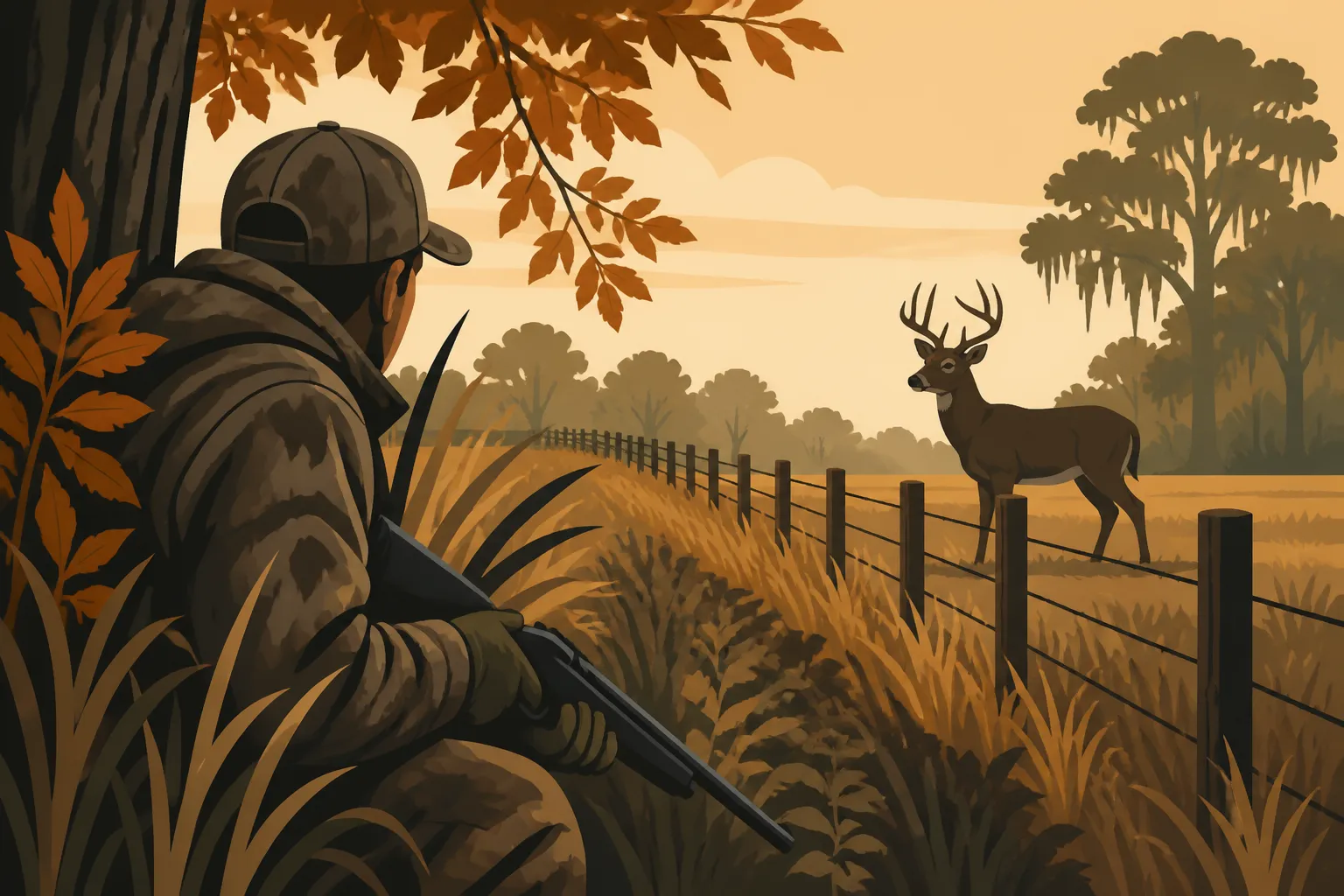
Fencerows, those lines of trees, shrubs, and weeds that often mark property lines or field edges, might seem like minor features on the landscape. However, as winter deepens and the landscape changes, these unassuming strips become increasingly vital to deer, offering refuge and travel routes when other options disappear.
Why Deer Use Fencerows When Other Cover is Gone
By late season in Louisiana, especially after a few hard frosts, the lush green world of early fall has withered significantly. Think about those vast soybean or cornfields that once offered impenetrable cover; they're likely cut down, leaving open stubble. Hardwood bottoms might be bare of leaves, exposing deer to the naked eye. This is where fencerows truly shine.
Deer are constantly seeking security. A dense fencerow, even if it's just a few yards wide, provides a visual barrier against predators (including hunters) and some degree of thermal protection from cold winds. They can bed down in the thicker brush, feeling hidden and safe. More importantly, these linear features act like highways, allowing deer to travel between different areas – say, a bedding thicket and a remaining food source – without exposing themselves in open fields. It’s their equivalent of a covert tunnel system in a drastically altered landscape. A buck that would never cross a wide-open field in daylight during October might now sneak along a fencerow for hundreds of yards, knowing it offers his best chance at concealment. Sometimes, they're the only remaining travel corridor between two larger blocks of cover, effectively creating a funnel.
Identifying Productive Fencerows in Different Habitats
Not all fencerows are created equal, and their value can vary greatly depending on the surrounding habitat in Louisiana. You've got to put on your detective hat and really scout these areas.
In farm country, particularly across North and Central Louisiana where agriculture is prevalent, fencerows are prime real estate. Imagine a long row of scrub pines, briars, and young hardwoods separating a picked cornfield from a cattle pasture. This offers deer a perfect hidden corridor. Look for fencerows that connect two major bedding areas, or a bedding area to a late-season food source like a standing green field or a patch of unharvested pecans. These are high-traffic routes. If you see a fencerow that runs parallel to a major road, it might get overlooked by other hunters but could still serve as a crucial travel path for cautious deer.
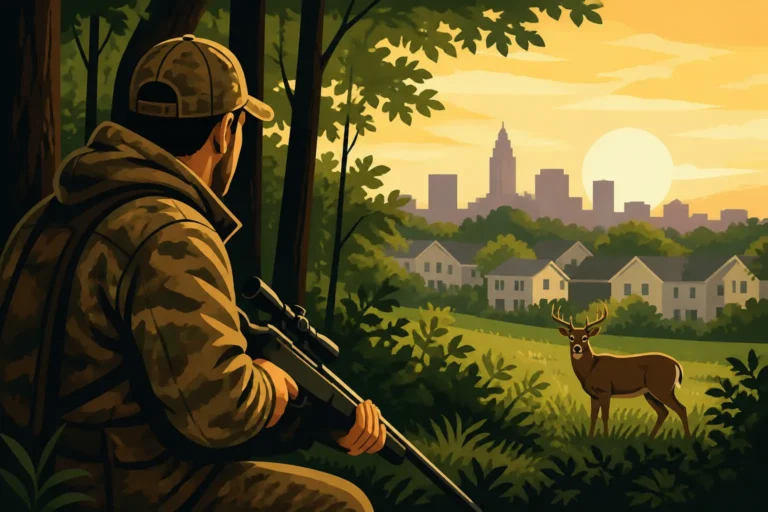
Even in more suburban edges or areas near small towns, where development butts up against rural land, fencerows can be surprisingly productive. These might be overgrown property lines between a sprawling subdivision and a smaller woodlot or a creek bottom. Deer in these areas become incredibly nocturnal and adept at using any sliver of cover. A thick fencerow here can be the difference between a deer crossing a homeowner's backyard at night and moving through a concealed lane in broad daylight.
In marsh fringes or transitional areas between wetlands and higher ground, fencerows can be less distinct but just as important. These might be slightly elevated strips of dense cane, willow, or wax myrtle that separate different marsh ponds or higher hammocks. Here, they provide not only cover but also crucial dry ground during periods of high water. Understanding how to read Louisiana mud for fresh deer movement along these subtle fencerow equivalents can be key to success. The deer here are often moving from high-tide refuge to exposed low-tide feeding areas, and these narrow strips of higher, denser vegetation are their preferred pathways.
When you're out scouting, pay close attention to the density and length of the fencerow. A longer, thicker fencerow that offers continuous cover for hundreds of yards will be much more attractive to deer than a short, patchy one. Consider using tools like the GoHunt app or aerial photos to identify these linear features on the landscape and how they connect different types of cover and food sources. This digital scouting can save you a lot of boot leather and help you pinpoint the most promising areas before you even set foot in the woods.
Strategic Scouting and Setup for Fencerow Hunts
Once you’ve identified potential fencerows, the real work begins: detailed scouting and planning your setup. Late-season deer are incredibly wary, and any mistake in your approach or stand placement can send them packing.
Reading Sign Along Fencerow Edges
Even in late season, deer leave calling cards, and learning to interpret these signs along fencerow edges is paramount. You're looking for fresh activity, not just historical evidence from early fall.
- Tracks: Look for fresh tracks in the soft ground or mud along the fencerow, especially where deer might cross into an open field or parallel the edge. Pay attention to track size – a big, dragging buck track is a dead giveaway. Since the ground might be harder or covered in leaves, really scrutinize those subtle depressions. After a rain, tracks become much more evident, giving you a clear picture of recent movement.
- Droppings: Fresh droppings are another excellent indicator of recent activity. They’ll be dark, moist, and typically in small piles. Dispersed droppings might suggest a deer feeding, while a concentrated pile could indicate a bedding area within the thickest part of the fencerow.
- Rubs and Scrapes: While the rut is generally over in most of Louisiana by late season, you might still find an occasional, active scrape or a fresh rub, especially from a buck feeling a secondary estrus doe. However, most rubs you find will be older. The key is to look for new rubs, perhaps on smaller saplings along the fencerow, which can indicate a buck is still using that travel corridor, even if not actively breeding. More often, you're just looking for evidence of consistent travel.
- Trail Cameras: Deploying trail cameras along key points of a fencerow can be incredibly insightful. Place them where a fencerow meets a field corner, where it crosses a small ditch, or where a slight break in the cover might force deer to a specific point. This allows you to monitor deer movement patterns without disturbing the area, confirming if those tracks are truly from a mature buck and what time of day they're moving. Remember to check cameras discreetly, ideally midday, and minimize your scent.
By piecing together these clues, you can start to form a picture of how deer are using the fencerow. Are they traveling mainly at night? Is a particular section seeing more activity? This information is critical for deciding your next move.
Optimal Stand Placement and Concealment
Putting up a stand or setting up a ground blind along a fencerow requires careful consideration of several factors, especially wind and thermals. Louisiana's often unpredictable wind and warmer winter days mean thermals can play a significant role.
- Wind Direction: This is your number one priority. You absolutely must hunt with the wind in your favor, blowing your scent away from where you expect deer to approach or travel. Since fencerows are linear, deer often travel into the wind. This means your ideal setup often puts you downwind of their anticipated travel path, but crosswind to the fencerow itself.
- Sun Position: Think about the sun's angle, especially during morning and evening hunts. You don't want to be silhouetted by the rising or setting sun, nor do you want the sun directly in your eyes when deer are most active. Try to position your stand so the sun is behind you or to your side.
- Entry and Exit Routes: This is often overlooked but can make or break a fencerow hunt. Your approach and departure must be as quiet and scent-free as possible. Use existing ditches, field edges, or other natural features to stay hidden. Avoid walking directly down the fencerow itself, as you'll contaminate the deer's travel corridor. Sometimes, you might need to park a considerable distance away and walk a long, circuitous route just to avoid blowing deer out of their late-season sanctuary.
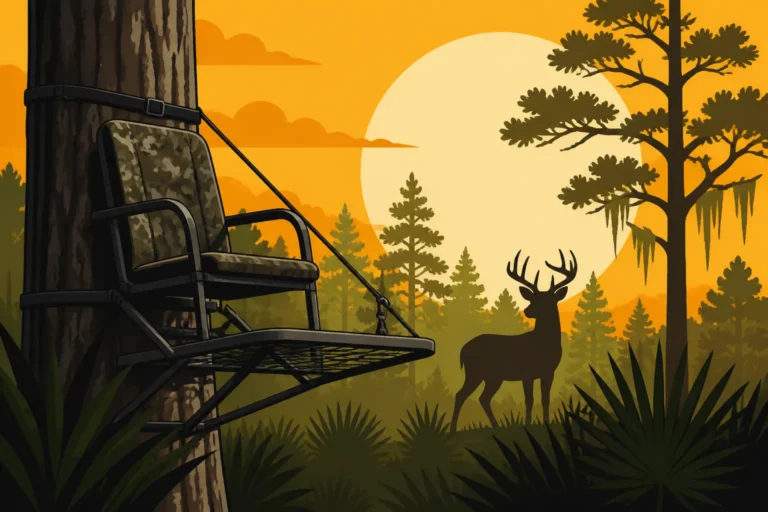
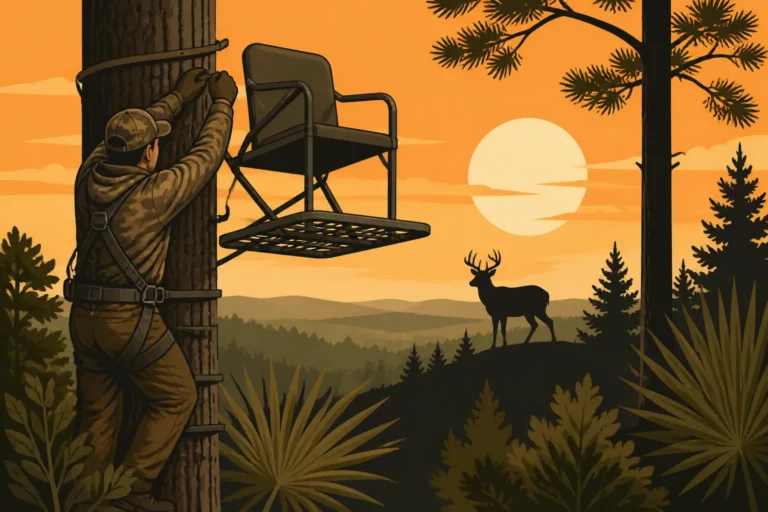
- Using Existing Cover: Whether you're in a treestand or a ground blind, maximize concealment. For a treestand, look for a tree with good limb structure or a clump of vines to break up your outline. Along a fencerow, you might find a larger tree or even a cluster of smaller trees that provides excellent cover. If you opt for a ground blind, brush it in thoroughly with local vegetation. Remember, late season means less natural foliage, so you might need to bring in extra camouflage or even burlap to make your setup disappear. On public lands, make sure you understand the rules for using a ground blind on Louisiana public land.
The goal is to become an invisible, scent-free part of the landscape. A well-placed stand or blind along a busy fencerow can put you right in the deer’s living room, giving you the upper hand when they finally decide to move in daylight.
Tactics for Hunting Fencerows Effectively
Once your stand is set and you've scouted diligently, it's time to consider the actual hunting tactics. Late-season deer, especially older bucks, are incredibly smart and will take the path of least resistance and greatest security. Your approach needs to reflect that wariness.
Employing Still-Hunting or Stand Hunting Strategies
How you hunt a fencerow often depends on its length, density, and the amount of hunting pressure in the area. Both still-hunting and stand hunting have their merits.
Stand Hunting: This is often the most effective method for fencerows, especially if you've identified a specific pinch point or high-traffic area. Once you're in your stand or ground blind, you become part of the environment, letting the deer come to you.
- Patience is key: Late-season deer movement can be sporadic. You might sit for hours without seeing anything, then suddenly, a buck materializes. Be prepared for long sits, especially during the colder parts of the day. A warm-weather sitting strategy in Louisiana might involve focusing on early mornings or late evenings when temperatures are cooler.
- Targeting specific movement: If your trail cameras or scouting indicate deer are moving along the fencerow between a bedding area and a food source at a particular time, focus your efforts on those windows. For example, if deer are hitting a green field late in the evening, set up where the fencerow provides the last bit of cover before they enter the field.
- Entry/Exit discipline: As mentioned, your approach and departure must be meticulous. If you're busting deer on your way in or out, you're training them to avoid that fencerow during daylight.
Still-Hunting: For longer, winding fencerows or those that connect larger blocks of cover, still-hunting can be an exciting and effective strategy. This involves moving slowly, deliberately, and quietly, taking a few steps, then stopping to observe and listen.
- Slow and steady: Think in terms of yards per hour, not miles. Your goal is to move so slowly that you spot deer before they spot you. Stop frequently, scan with binoculars, and listen intently for the subtle sounds of deer moving through thick cover.
- Wind awareness: Always be mindful of the wind. If you're still-hunting, you want the wind in your face or quartering. This allows your scent to blow behind you and gives you the best chance to hear deer ahead.
- Using the cover: Hug the densest part of the fencerow, using the vegetation to break up your outline. Move from tree to tree, or clump of brush to clump of brush, always staying concealed. This method is particularly effective if you're trying to find ground that sees fewer hunters, as you can cover more territory and adapt to fresh sign on the fly.
Incorporating Calls and Scents
Late-season deer are generally not as vocal as during the peak rut, but calls and scents can still play a role, especially if used judiciously.
- Grunt Calls: A soft, inquisitive grunt can sometimes pique the curiosity of a cruising buck, especially if he thinks it's another deer. Don't overdo it. A single, short grunt every 20-30 minutes might be enough. During the late season, bucks are often on the hunt for the last few does that didn't get bred, so a grunt from a "rival" could still draw them in. For louder, more mature timber settings, you might increase your grunt calls in mature Louisiana timber slightly.
- Rattling: Aggressive rattling is usually a rut tactic, but subtle rattling or "tickling the horns" can sometimes work, especially if you suspect there's a buck nearby that might be curious. Again, use sparingly. Think more about soft antler contact to simulate two bucks sparring lightly, rather than a full-blown fight. The rattling volume in thick cover needs to be adjusted; too loud and it sounds unnatural.
- Estrus Scents: While the primary rut is over, there can be a secondary rut or late-cycling does. Using a quality estrus scent on a wick or dispenser near your stand might entice a buck still looking for a receptive doe. Place it downwind of your position so any buck investigating it will be in front of you. Combine it with a mock scrape if you're feeling ambitious, but focus on keeping it fresh.
The key to all these tactics is subtlety and observation. Watch how deer react (or don't react) and adjust your strategy accordingly. Late-season deer are survivors, and they’ve earned their stripes by avoiding hunters for months. It takes precision and patience to outwit them.
Navigating Challenges and Adapting to Conditions
Hunting fencerows in the late season isn't always easy. These deer have survived months of hunting pressure, and conditions can be tough. Understanding these challenges and knowing how to adapt is crucial for success.
Dealing with Hunting Pressure and Spooked Deer
One of the biggest hurdles in late season, especially on public land or smaller private tracts, is hunting pressure. Those deer have heard every grunt call, smelled every hunter, and seen every blaze orange vest since October. They are on high alert.
- Hunt Early Morning and Late Evening: These are often your best bets. Deer are most likely to move during low light conditions when they feel safest. Getting into your stand well before first light and staying until dark can drastically increase your odds. This also allows you to catch deer that might be moving to or from a bedding area along the fencerow.
- Unusual Approach Routes: Don't take the obvious path. If everyone else is walking the main logging road to get to the fencerow, find a different, less-used entry route through standing soybeans or along a drainage ditch. Even if it means a longer, more difficult walk, it could put you on unpressured deer.
- Focus on Sanctuary Areas: Look for the densest, nastiest parts of a fencerow that other hunters might avoid. This could be an area with thick briars, flooded sections, or extremely heavy brush. Deer will gravitate to these sanctuaries when pressure is high. Remember, finding ground others walk past is a huge advantage.
- Patience and Persistence: Spooked deer don't just disappear; they often become entirely nocturnal or move to areas where they feel less threatened. If you spook deer from a fencerow, give it a few days to settle down before returning. Sometimes, waiting for a significant weather change, like a cold front, can reset their patterns.
Adjusting for Weather Changes
Louisiana's late-season weather can be fickle, swinging from mild, muggy days to biting cold fronts. Each condition requires a different approach.
- Cold Fronts: A strong cold front bringing a significant drop in temperature can trigger increased deer activity. Deer will need to feed more to maintain their body temperature. This is often the best time to be in your fencerow stand, especially if the fencerow leads to a good late-season food source for Louisiana whitetails. Movement might be more pronounced throughout the day, not just at dawn and dusk.
- Rain and Drizzle: Light rain or a steady drizzle can be excellent hunting weather, as the precipitation mutes human sound and washes away scent. Deer often move during these conditions, especially if it's not accompanied by high winds. Use the opportunity to still-hunt slowly along the fencerow, as you'll be able to move much quieter.
- High Winds: Strong winds are generally challenging. Deer tend to hunker down in thick cover to escape the wind, or they'll move but will be extremely jumpy due to the reduced ability to hear. If it's very windy, try to find a fencerow that offers significant windbreaks, or hunt on the downwind side of the fencerow itself, looking into the windbreak where deer might be sheltered. The wind and thermals in swamp bottomland can be especially tricky, so understanding how air currents move through cover is critical.
By carefully observing the weather and adapting your strategy, you can turn challenging late-season conditions into opportunities. Remember, every day in the woods is a learning experience, and the more you understand how deer use fencerows, the better your chances of punching that late-season tag.
Fencerow Types and Late-Season Deer Appeal
Here’s a quick overview of different fencerow types and their appeal for late-season deer in Louisiana:
| Fencerow Type | Typical Location | Late-Season Deer Appeal | Best Hunting Method |
|---|---|---|---|
| Dense Brush & Briar | Field edges, property lines | Excellent bedding, dense security cover, thermal protection | Stand hunting, still-hunt |
| Scattered Trees & Shrubs | Between fields or pastures | Travel corridor, limited bedding, good visibility for deer | Still-hunt |
| Creek Bottom/Ditch Edge | Along waterways or drainage | Water access, often thicker cover, natural funnel | Stand hunting, still-hunt |
| Old Growth/Mixed Forest | Transitional zones, forest edges | Strong travel route, some bedding, food (if oaks present) | Stand hunting |
| Marsh Edge/Cane Thickets | Coastal parishes, wetland fringes | Crucial dry ground, dense security, travel during tide swings | Stand hunting |
Disclaimer
Hunting is an inherently dangerous activity. Always prioritize safety, understand and follow all Louisiana Department of Wildlife and Fisheries (LDWF) regulations, and obtain proper licenses and permits before heading afield. The information provided here is for educational purposes and should not replace professional guidance or official regulations.