Hunting the Long Either-Sex Window in Areas 5, 6 and 9
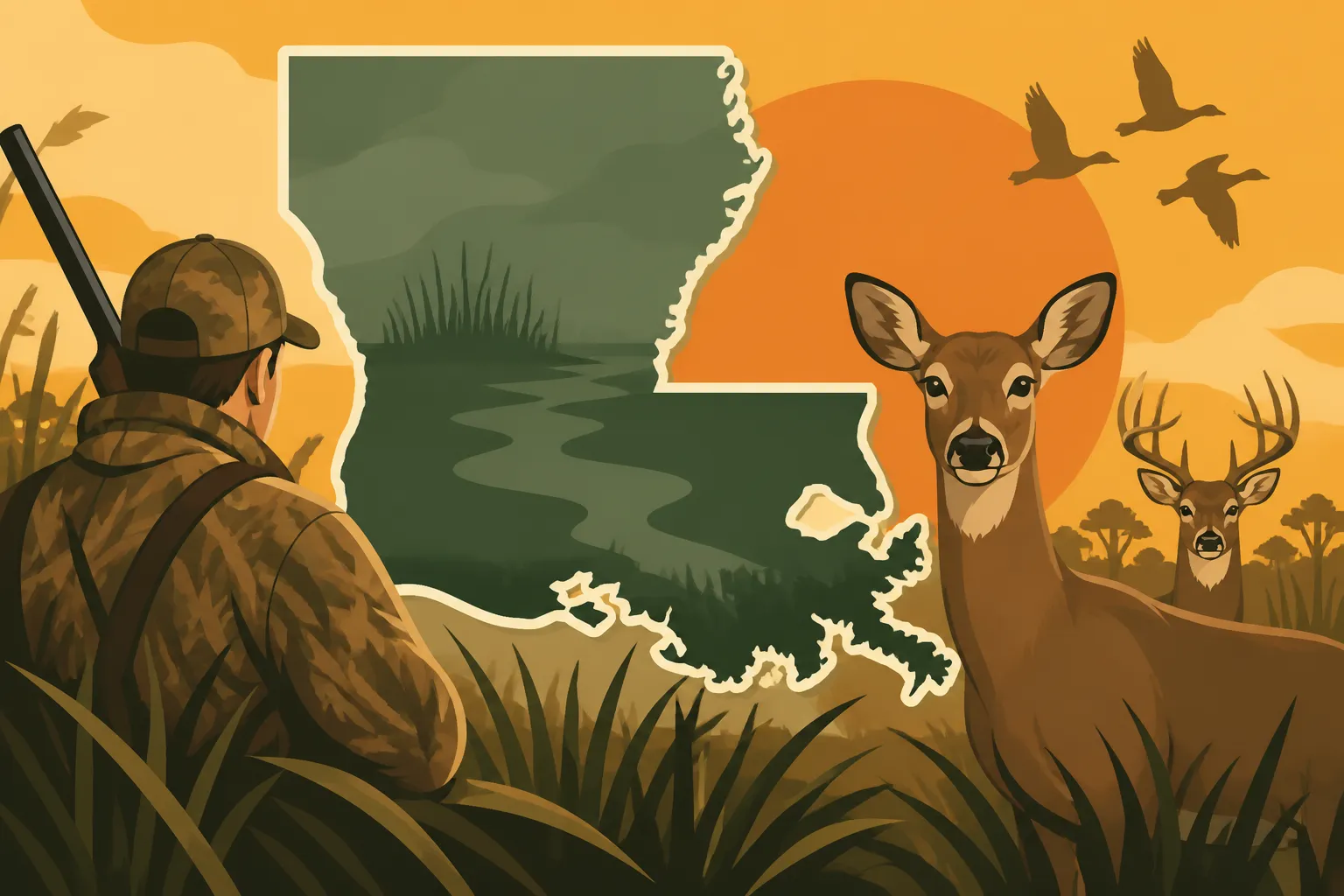
Many Louisiana deer hunters know the familiar frustration: those precious either-sex days, often limited to a weekend or a short, specified period, leaving you feeling rushed to fill a doe tag or pass on a smaller buck. It can be a real challenge to align your schedule with such tight windows, and it often feels like you're fighting the clock more than hunting. But in Deer Areas 5, 6, and 9, the game changes entirely, offering a significantly extended either-sex window that unlocks unparalleled flexibility and opportunity. This guide is all about diving deep into what makes these areas so special and how you can leverage their unique season structure for a truly rewarding deer season.
Understanding Louisiana's Deer Areas 5, 6, and 9
If you've spent any time looking at the Louisiana Department of Wildlife and Fisheries (LDWF) regulations, you'll know that our state is divided into various deer areas, each with its own specific rules and season dates. This system is designed to manage deer populations effectively based on regional habitat, herd health, and local pressures. Areas 5, 6, and 9 stand out dramatically from the rest, especially when it comes to antlerless harvest opportunities.
The Unique Season Structure
Unlike many other areas that might have a few scattered either-sex days, Areas 5, 6, and 9 typically boast a general deer season that runs for an incredibly long duration, often extending from early archery through the entirety of the firearms season, allowing for the harvest of either-sex deer. This isn't just a handful of extra days; we're talking about a season that can stretch nearly five months long, offering constant flexibility. Imagine the difference this makes! You're not scrambling to hunt a specific Saturday; you have the entire season to evaluate deer, manage your time, and fill your tags without undue pressure. It's a game-changer for folks who work busy schedules or travel frequently, making a successful deer season far more attainable. This extended period is a stark contrast to the more restrictive limits found in other parts of the state. If you're looking for an overarching view of how these regions fit into the bigger picture, a deep dive into Louisiana's Ten Deer Hunting Areas Explained can provide a comprehensive understanding of the state's management zones.
Geographical Characteristics and Habitat
Areas 5, 6, and 9 primarily encompass the unique landscapes of southwest and south-central Louisiana. We're talking about vast expanses of coastal marsh, sprawling flatwoods, mixed pine and hardwood forests, and significant agricultural areas like rice and soybean fields. Area 5, for instance, covers parishes like Calcasieu, Cameron, and parts of Jefferson Davis, characterized by a mix of marsh, timber, and agricultural lands. Area 6 extends into parishes like Acadia, Vermilion, and Lafayette, dominated by agricultural fields, coastal prairie, and some bottomland. Area 9, further east, includes areas like Assumption, St. Martin, and Iberville, deeply intertwined with the Atchafalaya Basin, dense swamp, and more agricultural ground. This diverse habitat, from the brackish marsh edges to the rich agricultural plains, supports a robust deer population, albeit with some regional differences in deer size and density. Understanding these distinct environments is crucial for successful scouting and hunting. These diverse regions mean that hunting techniques will vary significantly, whether you're stalking a swamp edge or sitting a field.
Why These Areas Have Longer Either-Sex Seasons
The primary reason for the extended either-sex windows in Areas 5, 6, and 9 boils down to deer population management. Historically, and continuing to this day, these areas tend to have high deer densities relative to the carrying capacity of the land, especially when considering the widespread agricultural damage caused by burgeoning herds. Too many deer can lead to overbrowsing, reduced fawn survival rates, and increased disease transmission. By allowing hunters to harvest antlerless deer throughout a prolonged season, the LDWF aims to keep the population in check, promoting a healthier herd overall and mitigating conflicts with landowners, particularly farmers. Additionally, the rut in these southern areas can sometimes be more drawn out or less defined than in the northern piney hills, making fixed either-sex dates less effective for herd control. This flexible approach empowers hunters to become integral parts of wildlife management, giving them the tools to help balance the ecosystem. For a general overview of game populations across the state, consider reading about White-Tailed Deer Across Louisiana.
Strategic Advantages of an Extended Either-Sex Window
Having a long either-sex season is more than just convenience; it's a strategic advantage that allows for a much more nuanced and effective approach to deer hunting. It changes your mindset from a hurried "must-kill" mentality to a thoughtful, observant hunter focused on the overall health of the herd and maximizing opportunities for quality meat and, yes, even mature bucks.
Maximizing Opportunity and Flexibility
The sheer length of the either-sex season in Areas 5, 6, and 9 means you have countless more hours afield to pursue deer. This isn't just about showing up on opening day; it means you can hunt during prime weather conditions, when deer movement is highest, or when your personal schedule finally aligns with a free afternoon. Cold fronts, which are relatively rare but impactful in South Louisiana, can be capitalized on without the pressure of a ticking clock. If you miss a weekend, there's always next week. This flexibility also allows for experimentation with different hunting styles, from still-hunting to setting up on field edges, giving you the chance to refine your techniques throughout the season. Furthermore, it encourages hunters to spend more time observing deer behavior, learning patterns, and understanding their local herd dynamics, making them better, more informed hunters in the long run. When planning your trips, a solid mapping application like GoHunt can be invaluable for pinpointing public access points and understanding land contours, helping you maximize your time in the woods.
Targeting Does for Herd Management and Meat
One of the most impactful benefits of this long window is the ability to strategically target does. Removing antlerless deer is crucial for maintaining a healthy buck-to-doe ratio, which can lead to better fawn recruitment, stronger deer, and improved antler growth among the bucks. Instead of simply shooting the first doe you see on a limited either-sex day, you can observe groups, identify older, less productive does, or simply wait for the perfect shot opportunity on a healthy animal. This translates directly into quality venison for the freezer. A full either-sex season means you can fill multiple doe tags at your leisure, providing plenty of meat for your family and friends. This responsible harvest isn't just about numbers; it's about making a tangible difference in the local deer population's health and ensuring a sustainable hunting future. It's an active form of conservation that benefits everyone involved, from the deer to the deer hunter.
Increased Chances for Mature Bucks During the Rut
While you might think an extended either-sex season is all about does, it significantly impacts your chances of encountering mature bucks, especially during the rut. The rut in these areas, like much of South Louisiana, often occurs later in the year, generally peaking in November and December. With a long either-sex window, you can hunt throughout this critical period, knowing you can harvest any legal deer you encounter. This means when a big buck is hot on the trail of a receptive doe, he's more vulnerable and less cautious. You don't have to worry about accidentally shooting a doe that's with him and then being out of luck. The ability to hunt any legal deer during the peak of the rut, whether you're actively rattling and grunting or just patiently waiting, creates more opportunities for trophy animals. This is where strategic thinking comes into play; focusing your efforts during the peak of the rut is key to Hunting the Rut in the Long-Window Areas.
Essential Tactics for Success During the Long Window
A long either-sex window offers flexibility, but true success still hinges on solid hunting tactics. You can't just expect deer to walk by; you need a strategy that adapts to the changing phases of the season and the specific behaviors of deer in Areas 5, 6, and 9.
Early Season Scouting and Stand Placement
Before the season even kicks off, meticulous scouting is paramount. In these southern areas, often characterized by dense cover, swampy terrain, and agricultural fields, understanding deer movement patterns is crucial. Pay attention to early season food sources like persimmons, acorns (when available), and tender browse along field edges or timber cuts. Look for active trails, rubs, and scrapes, even if they're not intense yet. Use tools like aerial maps, and consider using scouting apps like GoHunt, to identify pinch points, funnels, and potential bedding areas adjacent to feeding grounds. Pay particular attention to areas where different habitat types converge, such as where a cypress swamp meets a hardwood ridge, or a pine plantation borders an agricultural field.
Once you've identified key locations, strategic stand placement becomes vital. With the early part of the season often being warm, think about prevailing wind directions and thermals, especially in bottomland or marshy areas where air currents can be tricky. Ground blinds can be highly effective in dense cover or along field edges, offering concealment and scent control. If using treestands, position them for multiple shot opportunities given the long season, allowing you to adapt to deer moving from various directions. Remember, deer patterns can shift as food sources change and hunting pressure increases, so don't be afraid to move your setup if it's not producing. For detailed preparation tips, consider reviewing Scouting Louisiana Public Land Before Season.
Mid-Season Rut Strategies
As the season progresses into the late fall and early winter, the rut takes center stage in Areas 5, 6, and 9. This is the time when buck movement intensifies, and bucks are less cautious as they search for does. During this period, shift your focus from primary food sources to travel corridors, pinch points, and traditional scrape lines. Hunting funnels between bedding and feeding areas, especially those near thicker cover or water, can be incredibly productive. Bucks will often cruise these areas scent-checking for receptive does.
Calling strategies, such as rattling and grunting, can also be highly effective. Adjust the intensity of your calls based on the habitat; in dense swamp or thick brush, a more aggressive approach might be needed to carry sound, while in more open timber, subtle calls can be enough. Don't be afraid to spend long hours on stand during the rut, especially during the early morning and late afternoon hours, as buck activity can be erratic. Observing does is also critical; if you see does being chased or acting nervous, you know a buck is likely nearby. A resource like Reading Louisiana Mud for Fresh Deer Movement can help you interpret recent activity.
Late-Season Food Source Focus
By the late season, typically from late December through January, deer have faced significant hunting pressure, and natural food sources may be dwindling. Their primary focus shifts back to dependable, high-energy food sources. In Areas 5, 6, and 9, this often means agricultural fields, especially those with remaining waste grain like corn or soybeans, or late-dropping acorns in untouched pockets of timber. Green food plots, if present on private land, will also be magnets for deer.
During this colder period, deer will often conserve energy, moving primarily between bedding areas and these crucial food sources. Hunt the edges of these fields, focusing on transition zones where deer feel safe entering and exiting the open. Consider using ground blinds brushed into field edges for maximum concealment. As the weather gets colder, thermal currents will play an even more significant role, so approach your stand carefully to avoid spooking deer. The long either-sex window here means you can capitalize on these late-season patterns, picking off does or a mature buck that's been pressured earlier in the season. Learning about Late-Season Food Sources for Louisiana Whitetails can give you an edge.
Gear and Preparation for Extended Hunts
Hunting over an extended period in the diverse environments of Areas 5, 6, and 9 demands versatile gear and thorough preparation. You'll likely encounter a wide range of weather conditions and require equipment that can adapt to changing tactics.
Versatile Archery and Firearm Considerations
With the flexibility of a long either-sex season, you might find yourself hunting with various weapons. Archery season opens early, allowing you to get into the woods before firearms pressure begins. A reliable compound bow or crossbow, paired with sharp broadheads, is essential for these early hunts. As the season progresses and firearms become legal, consider the terrain you'll be hunting. In dense swamp or thick timber, a lever-action rifle chambered in a cartridge like .30-30, or a powerful shotgun with slugs, might be more maneuverable. For open agricultural fields or power line cuts, a flat-shooting rifle like a .308 or .270 offers better range and accuracy.
The key is versatility and comfort with your chosen weapon. Spend ample time at the range, practicing shots from various positions that mimic real-world hunting scenarios. Ensure your scope is sighted in perfectly for the distances you anticipate shooting. Carrying a rangefinder is also a smart move, especially when hunting across varying topography or open fields, to ensure ethical shot placement. Remember, the goal is a clean, quick harvest, regardless of the deer's sex.
Mapping and Navigation Tools
In the expansive and often confusing landscapes of Areas 5, 6, and 9 – from featureless marsh to dense bottomland – reliable navigation is non-negotiable. A high-quality GPS unit or a robust mapping app on your smartphone, like GoHunt, is absolutely essential. These tools allow you to pinpoint your location, mark stand sites, track deer signs, and navigate confidently, even in unfamiliar territory. Download offline maps before you head out, as cell service can be spotty in remote areas.
Beyond simply knowing where you are, these tools are invaluable for strategic planning. Use satellite imagery to identify subtle terrain features, potential funnels, hidden food sources, and access routes that might not be obvious from the ground. Public land boundaries are clearly marked on many mapping apps, which is critical for staying legal, especially when hunting near private parcels. Familiarize yourself with how to use these features to their full potential, because knowing your hunting area intimately is a huge advantage. Understanding how to interpret maps, like those detailed in Reading Aerial Photos for Central Louisiana Deer, can greatly enhance your scouting efforts.
Comfort and Durability for Long Stays
Hunting a five-month season means you'll spend a lot of time exposed to the elements. From warm, humid early season days to potentially chilly, wet late-season hunts, your clothing and gear need to be adaptable and durable. Invest in a layering system for clothing that allows you to add or shed layers as temperatures fluctuate. Waterproof outer layers are a must for dew-soaked mornings or unexpected rain showers. Good quality, waterproof boots are critical, especially in the often-soggy conditions of South Louisiana.
Comfort on stand also contributes directly to your success; the longer you can sit comfortably and quietly, the more opportunities you'll have. Consider a comfortable treestand seat cushion or a portable chair for ground blinds. Carry enough water, snacks, and perhaps even a small stove for a warm drink on cold days. Headlamps, game bags, field dressing supplies, and a robust first-aid kit should always be in your pack. Thinking about the long haul rather than just a single day hunt will significantly improve your experience and chances of success.
Navigating Regulations and Public Land Access
While the long either-sex window in Areas 5, 6, and 9 offers incredible opportunities, it's vital to stay informed about all regulations and respect land access rules. Louisiana hunting regulations are dynamic, and staying current is a hunter's responsibility.
Checking Specific WMA Rules and Quotas
Many prime hunting grounds in Areas 5, 6, and 9 are located on Wildlife Management Areas (WMAs) or other public lands. While the general either-sex season is long, specific WMAs often have their own unique regulations that can differ significantly from statewide rules. These might include different season dates, weapon restrictions, youth-only hunts, or special quota hunts requiring permits. Always check the individual WMA's regulations pamphlet or the LDWF website before you plan a hunt.
For instance, a WMA might open later than private land, or it might have specific days designated for still-hunting only, or even antler restrictions. Some WMAs, particularly those with higher pressure, might require daily check-ins or have limits on the number of hunters allowed. Neglecting to check these area-specific rules can lead to fines, loss of hunting privileges, or worse. Take the time to do your homework; it's well worth the effort to ensure a legal and enjoyable hunt. This level of detail is something you can often find within sections like Louisiana Deer Hunting Area by Area.
Respecting Private Land Boundaries
Even in areas with vast public lands, private land ownership is prevalent, and respecting property lines is paramount. Trespassing, even accidentally, can lead to serious legal consequences and gives all hunters a bad name. Use your mapping tools (like GoHunt) to clearly identify private property boundaries, and be extra vigilant when hunting near these lines. Look for posted signs, painted trees, and other markers.
If you are fortunate enough to have permission to hunt private land, always carry written proof of permission, if possible, and adhere strictly to the landowner's rules. Leaving gates as you found them, avoiding unnecessary damage, and respecting their property are essential for maintaining a positive relationship. If you're on public land and your game crosses onto private property, Louisiana law generally allows for retrieval if you make a reasonable effort to contact the landowner first. Always know the local laws regarding game retrieval from private property. For more on this, check out Getting Private Land Permission in Louisiana.
Understanding Deer Reporting and CWD Rules
Louisiana has mandatory deer harvest reporting requirements, which are crucial for wildlife management. All deer harvested, regardless of sex or location, must be reported to the LDWF through their website or mobile app within 72 hours of harvest or prior to processing or leaving the state. This data helps biologists monitor deer populations, harvest rates, and herd health, informing future season structures and management decisions. You can learn more about this by referring to Louisiana Deer Reporting Requirements.
Furthermore, hunters in Areas 5, 6, and 9, like anywhere else in the state, must be aware of Chronic Wasting Disease (CWD) regulations. While these areas are not currently primary CWD zones, the disease is present in Louisiana. This means understanding carcass movement restrictions and mandatory or voluntary CWD testing rules, especially if you harvest a deer near or within a designated CWD management zone. Always check the latest LDWF CWD information, as these regulations can change. It's vital for all hunters to do their part in preventing the spread of this devastating disease. A good resource for understanding this complex issue is Louisiana's Chronic Wasting Disease Zones.
Here's a quick reference table for Areas 5, 6, and 9:
| Deer Area | Primary Geographical Features | Typical Deer Habitat Mix | General Rut Timing (Peak) | Notes on Either-Sex Season |
|---|---|---|---|---|
| Area 5 | Coastal Marsh, Flatwoods, Agricultural Fields | Cypress/Tupelo Swamp, Mixed Pine/Hardwood, Pasture, Rice Fields | Mid-November to Mid-December | Long, extended window |
| Area 6 | Agricultural Prairies, Coastal Prairie, Some Timber | Vast Rice & Soybean Fields, Coastal Wet Prairie, Scattered Woodlots | Early to Late December | Long, extended window |
| Area 9 | Atchafalaya Basin, Cypress Swamp, Agriculture | Deep Swamp, Bottomland Hardwoods, River Levees, Cane Fields | Mid-December to Early January | Long, extended window |
Navigating Licenses and Permits
Before you even step foot in the woods, ensure all your licensing is up-to-date and correct. Every hunter, resident or nonresident, needs a valid Louisiana hunting license. Depending on what you're hunting and where, you might also need specific tags, such as a deer tag. Public lands like WMAs often require a WMA Access Permit in addition to your basic hunting license. Don't overlook the simple stuff, as a missing license can quickly ruin a hunt and lead to penalties. The LDWF website is the best place to purchase and verify your licenses, or you can use their handy mobile app. Staying on top of these requirements is fundamental to a responsible and successful hunting season. For details on various options, see Louisiana Hunting Licenses and What They Cost.
Wind and Thermals in Swamp and Bottomland
Hunting in the low-lying, often humid environments of Areas 5, 6, and 9, especially in the swampy and bottomland sections, means you need to pay extra attention to wind and thermals. Unlike hilly terrain where thermals generally rise in the morning and fall in the evening, swamp and basin areas can be far less predictable. Dense canopy cover can hold thermals low to the ground longer, and water bodies can create their own localized air currents.
Always approach your stand site against the wind. Pay attention to how your scent might travel, especially if you're hunting near a water feature or a slough, where air can get trapped or funnelled. A puff bottle or milkweed seeds can be invaluable for constantly checking micro-currents. Understanding how these factors influence deer movement and your scent dispersion is critical for avoiding detection and ensuring ethical shot opportunities. For more on this, a resource like Wind and Thermals in Swamp Bottomland can provide deeper insights.
Conclusion
Hunting the long either-sex window in Louisiana's Deer Areas 5, 6, and 9 is truly a unique and exceptional opportunity for hunters. It removes much of the pressure associated with limited harvest days, offering unparalleled flexibility to pursue deer throughout a significant portion of the hunting season. From early archery encounters to late-season food plot action, and especially during the peak of the rut, these areas allow you to become a more strategic, patient, and successful deer hunter. By understanding the unique season structure, adapting your tactics to the diverse habitats, preparing with the right gear, and always adhering to regulations, you'll be well on your way to a rewarding experience in the field. So, take advantage of this generous offering, plan your hunts wisely, and enjoy the extended opportunities that Areas 5, 6, and 9 provide.
Disclaimer
Please be aware that hunting regulations, season dates, and specific WMA rules are subject to change. Always consult the most current Louisiana Department of Wildlife and Fisheries (LDWF) official regulations pamphlet or their website before planning and executing any hunting activity. This guide is for informational purposes only and does not supersede official state regulations. It is the hunter's responsibility to know and follow all applicable laws.