Building and Freshening a Hog Bait Site
Feral hogs are perhaps the most frustrating, destructive, and elusive game animal we deal with in Louisiana, and if you’ve ever seen the damage a sounder can do to a food plot or backyard in a single night, you know the struggle is real. These intelligent, prolific invaders wreak havoc on our agricultural lands and native wildlife. This guide is all about giving you the practical, down-to-earth strategies you need for effectively building and consistently freshening a hog bait site to help manage these persistent pests.
Understanding Feral Hog Behavior for Effective Baiting
Before you even think about throwing out a bucket of corn, you've got to get inside the head of a feral hog. These aren't your typical deer; they're incredibly intelligent, adaptable, and their survival instincts are finely tuned. Understanding their patterns and preferences is the bedrock of any successful baiting operation. If you try to bait them like deer, you’re often going to come up short, wasting time and money. The key lies in consistent attraction and exploiting their natural tendencies.
The Lure of an Easy Meal
Feral hogs are opportunistic omnivores, meaning they'll eat just about anything, and they're always on the lookout for the easiest calories available. This makes baiting a highly effective method for bringing them into a predictable location. While they love to root for tubers and grubs, or munch on acorns when they're falling, a readily available, concentrated food source is a powerful draw. Think about it: why work hard digging when there’s a buffet laid out? This natural inclination for an easy meal is what we exploit.
Their keen sense of smell is legendary. Hogs can detect food buried several feet underground or scent carried on the wind from a considerable distance. This means a strong-smelling bait will get their attention much faster than something bland. Many hunters swear by fermented corn, often called "sour corn," because the fermentation process amplifies its natural aroma, making it practically irresistible to passing hogs. The trick is to find that balance between attraction and keeping them interested without making them completely dependent.
Scouting for Hog Hotspots
You can't just pick a random spot in the woods and expect hogs to magically appear. Effective baiting starts long before the first kernel of corn hits the ground. It demands thorough scouting to identify areas where hogs are already active or likely to frequent. Look for fresh rooting, distinct tracks in the mud, wallows (muddy depressions where they cool off), and rub marks on trees from them scratching. These signs tell you where hogs are moving, feeding, and bedding.
Creek bottoms, natural funnels between bedding and feeding areas, and the edges of dense cover are often prime locations. If you're near agricultural fields, especially those with corn, soybeans, or sugarcane, you're likely in a hog travel corridor. You might even use a trail camera during your scouting phase, set up near fresh sign, to confirm hog presence and get a sense of their travel times and group sizes. This initial reconnaissance is critical for placing your bait site where it will have the highest chance of intercepting hungry hogs. Remember, How Many Feral Hogs Louisiana Has is a huge number, so finding their sign shouldn't be too hard in most areas.
Essential Components for Building Your Bait Site
Once you’ve got a good idea of where you want to set up shop, it’s time to gather your supplies. Building an effective bait site isn't just about dumping food on the ground; it involves selecting the right bait and having a system to deliver it consistently. The goal is to establish a routine that hogs come to expect, making your site a reliable food source in their minds.
Choosing the Right Bait
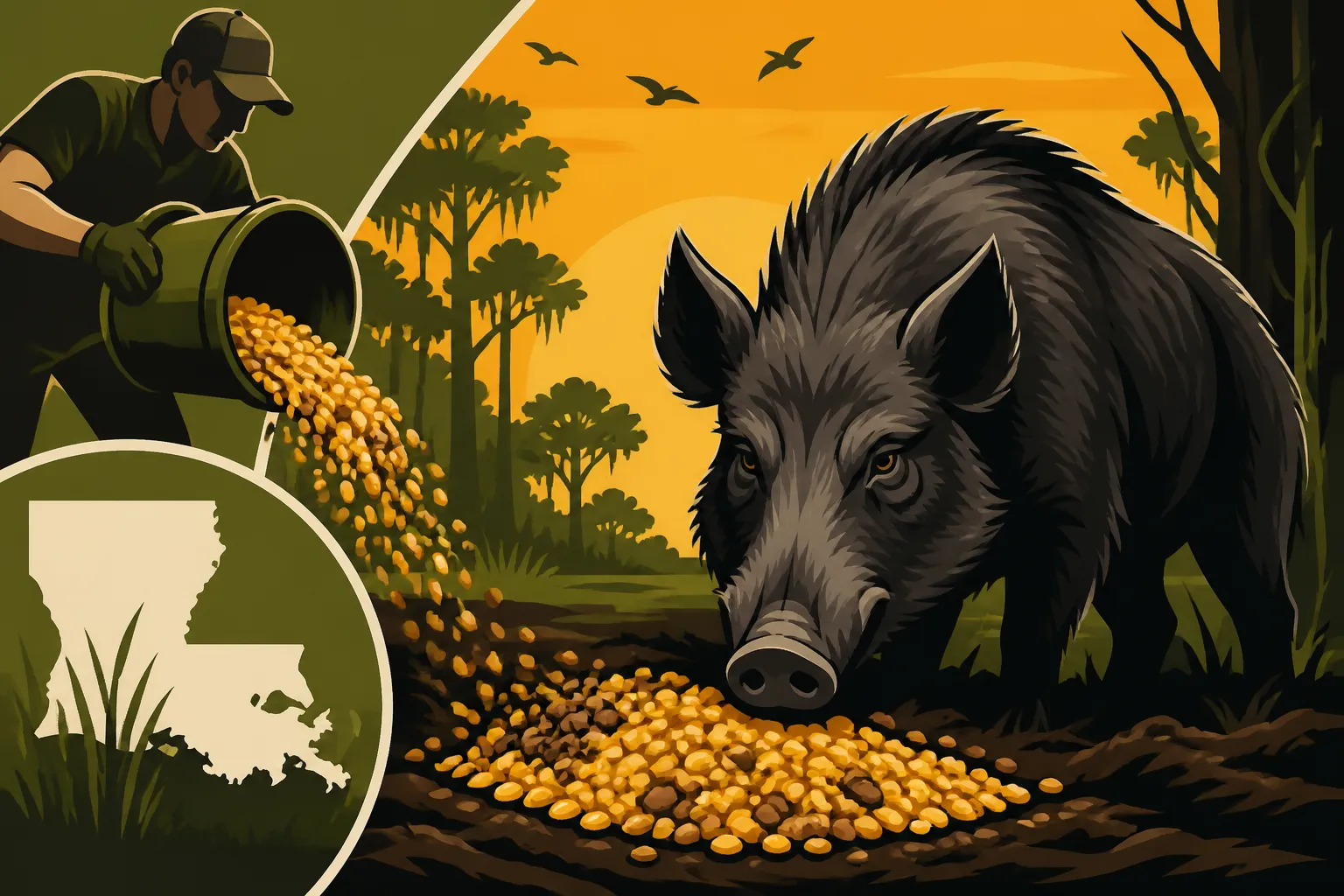
While hogs are not picky eaters, some baits are definitely more effective than others. Corn is undoubtedly the most popular choice, and for good reason—it’s relatively inexpensive, widely available, and hogs absolutely love it. As mentioned, fermenting the corn can significantly boost its drawing power. To ferment corn, simply soak it in a sealed container with water for a few days, allowing it to get nice and pungent. Some hunters add a packet of yeast or even a cheap beer to speed up the process. The smell carries farther and seems to drive them wild.
Beyond corn, there are other excellent options. Commercial hog attractants, often containing molasses, anise, or other strong scents, can be poured over corn or directly onto the ground to enhance the site. Old pastries, stale bread, or even overripe fruits and vegetables can work in a pinch, though they tend to spoil faster. The key is finding something with a potent smell that lasts long enough for hogs to find it and that they’ll consume readily. Many hunters find that a mix of fermented corn with a drizzling of commercial attractant creates a one-two punch that few hogs can resist. You want something that will draw them in from a distance, especially if you're trying to attract new sounders to your area.
Containment and Delivery Systems
Just as important as the bait itself is how you present it. Simply scattering corn on the ground works, but it can be quickly consumed by deer, squirrels, raccoons, and other non-target animals, defeating your purpose and costing you more in bait. This is where containment and delivery systems come into play. A simple, cost-effective method is a PVC pipe feeder. Cut a length of large-diameter PVC, cap one end, and drill several small holes near the bottom. Bury the capped end and fill the pipe with corn; hogs will root at the bottom, and corn will slowly dispense. This keeps the bait contained and makes them work for it a little, which can extend the life of your bait.
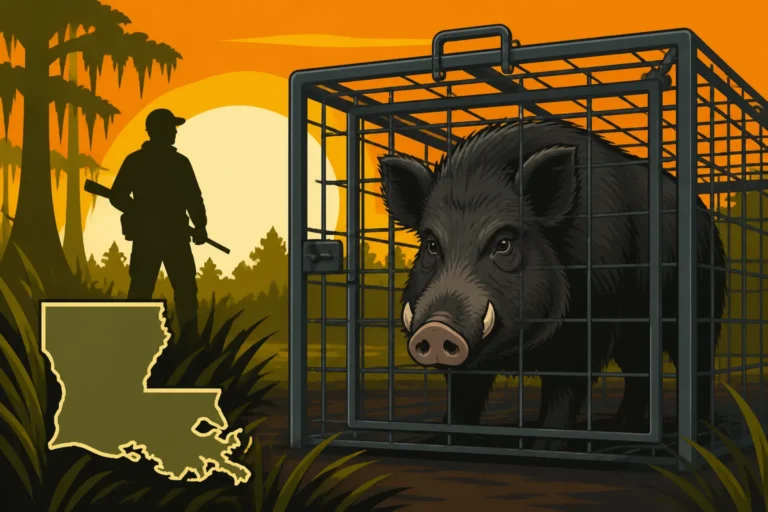
Automated gravity or spin feeders are another excellent option, especially if you can't visit your site daily. These allow you to dispense a set amount of bait at specific times, which can condition hogs to visit at predictable intervals. Just be sure to set them up securely, as hogs are notorious for trying to knock feeders over. For those serious about large-scale control, especially when trying to eradicate entire sounders, consider incorporating a live trap. Baiting the trap with a consistently fresh supply of irresistible food is paramount to success. Trapping Louisiana Feral Hogs can be incredibly effective when combined with a well-maintained bait site. Using a quality app like GoHunt can help you mark your feeder locations and track hog activity, allowing you to optimize your baiting schedule based on observations.
Freshening and Maintaining Your Hog Bait Site
Setting up a bait site is only half the battle; the real work, and the real success, comes from consistent and strategic maintenance. Hogs are smart, and if a food source dries up, they'll quickly move on to the next opportunity. Your goal is to make your bait site the most reliable and attractive spot in their home range. Regular attention keeps the scent fresh and the hogs coming back for more.
The Art of Consistency
Consistency is the single most important factor in bait site maintenance. Hogs operate on patterns, and they quickly learn when and where to expect food. If your bait site is sporadic—sometimes full, sometimes empty—hogs will become wary and less likely to visit regularly. Ideally, you want to replenish your bait every 1-3 days, depending on how quickly it's being consumed and how active the hogs are. This constant availability reinforces your bait site as a dependable food source.
When you replenish the bait, take a few moments to freshen the area. Scuff up the ground around the feeder to release more scent. If you're using commercial attractants, add a fresh pour. This isn't just about adding more food; it's about renewing the olfactory appeal of the site, making it obvious to any passing hog that there's a fresh meal to be had. A consistent routine helps establish the bait site as a safe and rewarding place to visit, making hogs less skittish and more comfortable spending time there. Using mapping tools like those offered by GoHunt can help you remember your baiting schedule and track success.
Adapting to Hog Pressure and Weather
Baiting isn't a "set it and forget it" operation, especially with the wily nature of feral hogs. You need to be ready to adapt your strategy based on several factors, primarily hog pressure and weather conditions. If you notice a particular sounder becoming wary or shifting their visitation times, it might be a sign of increased hunting pressure or that they're getting too comfortable being targeted. You might need to change up your approach, perhaps altering your hunting times or even temporarily backing off the site to let them regain confidence. In areas with high hog populations, like some of our central Louisiana parishes, Why Basin Hogs Reproduce So Fast means you'll have constant pressure, so consistency is even more crucial.
Weather plays a huge role too. Rain can wash away bait and dilute scents, making it necessary to replenish more frequently. Hot, humid weather can cause bait to spoil faster, particularly fermented corn or other organic matter. In these conditions, you might want to use smaller quantities more often, or switch to a drier bait that holds up better. Conversely, during dry spells, the strong scent of fermented bait can carry much further, drawing in hogs from a wider area. Pay attention to how the hogs are responding to your site and be willing to adjust your methods to keep them engaged. Remember, the goal is to keep them coming back, even when conditions are less than ideal.
Legalities and Ethical Considerations for Baiting Hogs in Louisiana
While feral hogs are considered a nuisance species and can be hunted year-round in Louisiana, there are still important regulations and ethical considerations to keep in mind when baiting. Ignorance of the law is no excuse, and responsible hunting practices benefit everyone. Always make sure you're operating within the legal framework to avoid any unwelcome surprises or fines.
Louisiana Hog Hunting Permit Requirements
The good news is that for most hog hunting on private land in Louisiana, you don't need a special "hog permit" beyond a standard valid hunting license. However, the rules can vary depending on whether you're hunting private land or a Wildlife Management Area (WMA), and whether you're hunting at night or using certain methods. On private land, you can hunt feral hogs year-round during daylight hours with a basic hunting license. Night hunting for hogs on private land is also permitted, but it does have specific regulations regarding lights and methods, which you should absolutely look into if that's your plan. You can find detailed information about Night Hunting Hogs With Lights on Private Land through the Louisiana Department of Wildlife and Fisheries (LDWF) resources.
Hunting hogs on WMAs or other public lands is a different ball game entirely. These areas often have specific open seasons for hog hunting, which may coincide with deer or other game seasons, and they can have strict regulations on baiting, weapon types, and even times of day you can hunt. Many WMAs prohibit baiting altogether, so always check the specific WMA regulations before setting up a bait site on public ground. It’s also important to remember that if you're trapping hogs, there are specific Louisiana Feral Hog Trapping Rules to follow regarding trap types, signage, and checking frequency. Before you ever put out bait, ensure you understand all current Louisiana Hog Hunting Permit Requirements for your specific location and method.
Responsible Baiting Practices
Ethical baiting goes beyond just following the law; it's about being a good steward of the land and respecting other wildlife. While baiting for hogs is effective, it can also attract non-target species like deer, raccoons, and even bears in certain parts of Louisiana. To minimize impact on deer populations, consider using feeders or systems that require rooting, making it harder for deer to access the bait. You can also mix in baits that are less appealing to deer, although this can sometimes reduce hog interest as well.
Another important consideration is the spread of disease. Feral hogs are known carriers of various diseases, and concentrating them at a bait site can increase the risk of transmission to other wildlife or even livestock. While this is a broader issue, being mindful of the health of animals you observe at your bait site is part of responsible management. Finally, always clean up your bait sites regularly. Remove any spoiled bait, empty containers, or trash. A clean bait site is not only more appealing to hogs but also prevents unnecessary littering and potential harm to other animals that might ingest non-food items. The goal is responsible management and control, not creating an environmental mess.
Here’s a quick overview of some common hog bait options:
| Bait Type | Primary Attractant | Pros | Cons |
|---|---|---|---|
| Fermented Corn | Strong Scent, Sweet | Highly attractive, cost-effective, long-lasting scent | Requires prep time, can attract other animals, spoils in heat |
| Sweet Feed | Molasses, Grains | Easy to use, immediate attraction, good energy source | More expensive than corn, attracts deer, spoils in rain |
| Commercial Attractants | Anise, Fruit, Smoke | Potent scents, designed specifically for hogs, long-range | Can be pricey, synthetic smell might not appeal to all hogs |
| Pastries/Bread | Sugar, Yeast | Quick attraction, repurposes waste, often free | Spoils very quickly, messier, attracts many non-target species |
| Sour Milk/Yogurt | Dairy, Fermented | Strong unique scent, inexpensive | Spoils extremely fast, very messy, attracts insects |
Remember, successful hog baiting is a continuous learning process. Observe the hogs, adapt your methods, and always prioritize ethical and legal practices.
Disclaimer
The information provided in this guide is for informational purposes only and is not intended as legal advice. Hunting regulations and laws are subject to change. Always consult the most current Louisiana Department of Wildlife and Fisheries (LDWF) regulations and local ordinances before engaging in any hunting or baiting activities. The author and publisher are not responsible for any actions taken based on the information presented herein.