Why Basin Hogs Reproduce So Fast
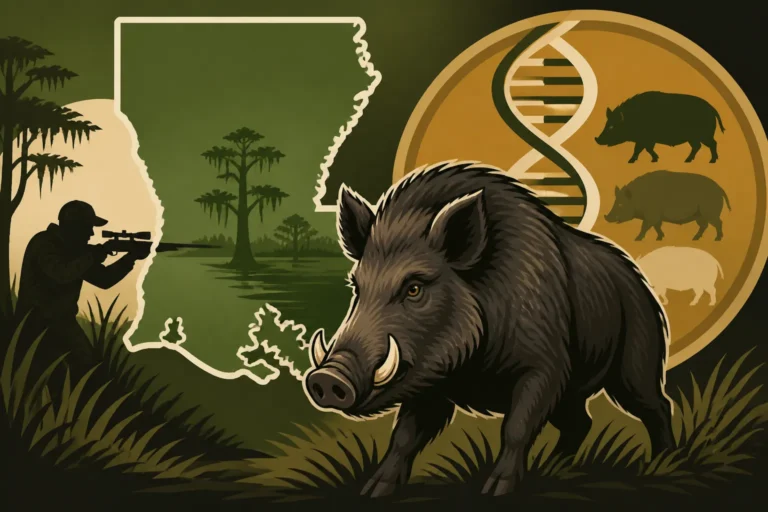
Anyone who's spent time hunting the dense, watery expanse of Louisiana's Atchafalaya Basin knows the sheer, unyielding presence of feral hogs. They're everywhere, a constant, pervasive force that seems to defy all hunting efforts. If you've ever wondered why these animals are such a persistent problem, seemingly multiplying faster than you can blink, you're not alone. This guide will dive deep into the biological and environmental factors that make the Basin a literal hog breeding ground, explaining why these resilient creatures reproduce at such an astonishing rate.
The Incredible Reproductive Engine of Feral Hogs
The first step to understanding why feral hogs are so numerous, especially in a habitat like the Atchafalaya Basin, is to grasp their biological capabilities. Unlike many other game animals in Louisiana, hogs are built for rapid population expansion. Their reproductive cycle is nothing short of astounding, allowing them to bounce back from intense hunting pressure with remarkable speed.
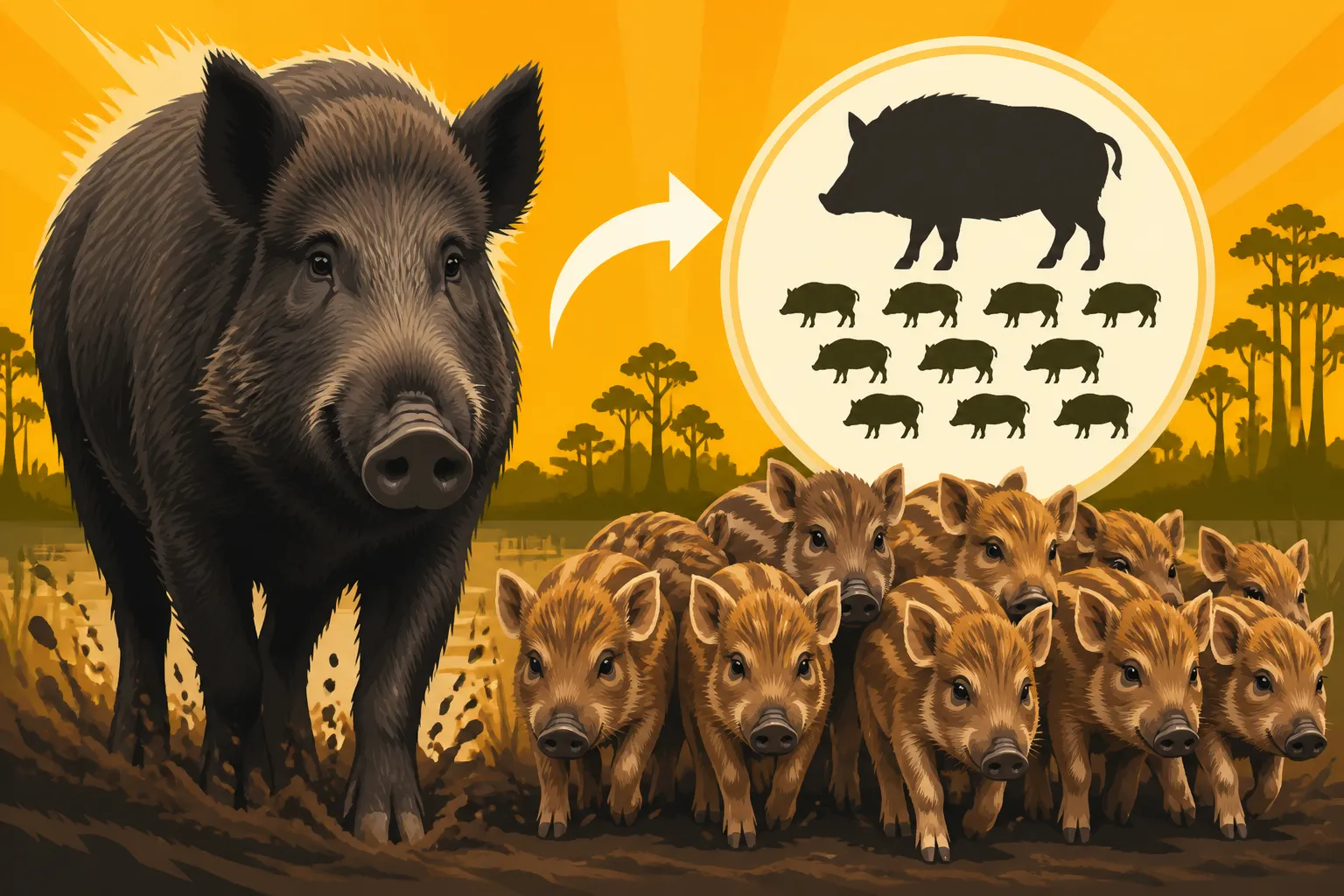
Sows (female hogs) can reach sexual maturity at an incredibly young age, often as early as six months old, if conditions are favorable. This means a hog born in spring could, theoretically, be breeding by late fall. Compare that to a white-tailed deer, where a doe typically won't breed until she's at least a year and a half old, usually closer to two. This early onset of reproductive capability is a massive accelerator for population growth. Once mature, a sow can have multiple litters in a single year. While two litters per year is common, under ideal conditions with abundant food and minimal stress, some can even manage three. Each litter, often referred to as a sounder, can consist of anywhere from four to twelve piglets, though five to eight is a typical average. Do the math on that: even if a sow only has two litters of five piglets a year, that's ten new hogs from one female. Many of those piglets will then begin breeding themselves within months.
The gestation period for a sow is also remarkably short, usually around 114 days, or roughly three months, three weeks, and three days—often remembered as "three months, three weeks, three days." This quick turnaround means a sow isn't out of the breeding cycle for long. She can breed, farrow (give birth), nurse her young, and then be ready to breed again within a few weeks of weaning. This relentless cycle, combined with large litter sizes, is the biological foundation for the overwhelming hog populations seen across Louisiana, and particularly in the fertile Basin. Understanding this inherent reproductive drive is crucial for any hunter or land manager looking to make a dent in their numbers. This is why consistent, year-round pressure is often emphasized, because even if you remove a significant number, the remaining population can replenish itself surprisingly quickly.
Why the Atchafalaya Basin is a Perfect Nursery
While feral hogs possess an incredible biological capacity for reproduction, it's the environment of the Atchafalaya Basin that truly turns that capacity into overwhelming reality. The Basin isn't just a place where hogs can reproduce; it's a place designed by nature to help them thrive and multiply without significant checks.
First and foremost, the Basin offers an almost endless supply of diverse and nutritious food sources. From the moment acorns drop in the fall, providing a protein and fat-rich feast, to the year-round availability of native grasses, roots, tubers, and aquatic vegetation, hogs rarely face food scarcity. The edges of the Basin often border agricultural lands, offering them easy access to corn, soybeans, and other crops—a true hog buffet. This consistent caloric intake is vital, as it allows sows to maintain peak physical condition, enabling them to breed at younger ages, have larger litters, and recover quickly between farrowing cycles. Without ample food, a sow's reproductive output would naturally decrease.
Secondly, the dense and sprawling cover found throughout the Basin provides unparalleled protection. Imagine miles of cypress and tupelo swamps, palmetto thickets, impenetrable briar patches, and vast areas of tangled undergrowth. These areas are perfect for bedding, raising young, and escaping detection. Sows can farrow their piglets in secluded spots, safe from the eyes of predators and humans. This cover significantly increases the survival rate of piglets, which are vulnerable to predators like coyotes and even alligators. The sheer scale and complexity of this habitat make it nearly impossible for hunters or natural predators to effectively control the population, even for seasoned outdoorsmen who meticulously scout new areas and use tools like GoHunt to analyze satellite imagery for hidden pockets of cover.
Finally, the abundant water resources in the Atchafalaya Basin are a hog's dream. Hogs love water for cooling off, wallowing in mud to protect against insects and sun, and often finding food. The countless bayous, sloughs, and flooded timber areas provide constant access to water, which is essential for their overall health and well-being. This combination of food, cover, and water creates an environment where every aspect of a hog's life cycle, especially reproduction, is optimized. It's a true haven for them, and understanding these factors helps explain why the numbers often seem insurmountable. Hunting the Atchafalaya Basin can be a truly unique experience, but it also means facing game that is exceptionally well-adapted to its surroundings.
The Compounding Challenge: Environmental Support Meets Biology
The staggering reproductive potential of feral hogs, when combined with the near-perfect environmental conditions of the Atchafalaya Basin, creates a compounding challenge that has significant implications for the ecosystem and for anyone attempting to manage their numbers. It's a feedback loop where favorable conditions fuel rapid breeding, which in turn leads to even more hogs impacting the environment.
Let's look at it through a comparison to our beloved white-tailed deer:
| Reproductive Trait | Feral Hog | White-Tailed Deer |
|---|---|---|
| Sexual Maturity (Sows/Does) | 6-10 months | 1.5-2 years |
| Gestation Period | ~114 days (3 months, 3 weeks, 3 days) | ~200 days (6.5-7 months) |
| Litters/Fawns Per Year | 2-3 litters | 1 litter |
| Average Litter/Fawn Size | 4-12 piglets | 1-3 fawns (usually 2 for mature does) |
| Total Offspring/Year | 8-30+ (per breeding sow) | 1-3 (per mature doe) |
As you can clearly see, the numbers for hogs are exponentially higher. This biological advantage means that even if a significant percentage of the hog population is removed through hunting or trapping, the remaining animals can quickly repopulate the area. The dense cover and constant food in the Basin ensure that these surviving hogs and their offspring have everything they need to continue the cycle.
This rapid reproduction isn't just an inconvenience for hunters; it has profound ecological impacts. Feral Hogs Across Louisiana describes how these animals cause extensive damage to sensitive wetland habitats through rooting and wallowing, destroying native vegetation, consuming acorns vital for deer and squirrels, and even preying on ground-nesting birds and their eggs. The sheer biomass of hogs, constantly growing due to their fast breeding, puts immense pressure on the Basin's delicate ecosystems. This is why agencies and landowners consider them such a pervasive and damaging invasive species. For hunters, it means that despite year-round hunting opportunities—thanks to liberal Louisiana Feral Hog Regulations—the problem persists, demanding continuous effort. Even with all the scouting tools available on platforms like GoHunt, locating and reducing enough hogs to see a true impact remains an uphill battle in such a productive environment. The challenge isn't just finding a hog; it's about reducing the population.
Implications for Hunters and Land Managers in the Basin
Given the impressive reproductive capabilities of feral hogs and the ideal environment the Atchafalaya Basin provides, hunters and land managers face a unique and ongoing challenge. The implications of this rapid reproduction extend beyond just having more animals to pursue; it requires a strategic and often multi-faceted approach to management.
For hunters, the silver lining is that hog hunting is almost always in season, with liberal bag limits on private land. This means you can pursue them year-round, making it a great way to stay active in the woods when deer or turkey seasons are closed. However, the sheer numbers mean that individual efforts, while enjoyable, often don't make a significant dent in the overall population. To be truly effective, particularly for landowners or hunting clubs, consistent pressure is key. This might involve setting up regular bait sites where hogs congregate, like outlined in Building and Freshening a Hog Bait Site, and consistently hunting them. For those with access, methods like Trapping Louisiana Feral Hogs or even Running Dogs on Louisiana Feral Hogs can be incredibly effective at removing larger groups of animals at once.
Land managers, whether on private property or public lands, grapple with the economic and ecological damage hogs inflict. The constant rooting and wallowing degrade valuable timber resources, destroy planted food plots, and compete directly with native wildlife for forage. This is why many actively encourage hunting and trapping. Utilizing technology, such as the detailed mapping and scouting features found on platforms like GoHunt, can help identify key travel corridors, bedding areas, and feeding zones within the vastness of the Basin, optimizing hunting and trapping efforts. Understanding areas of high hog density allows for more targeted strategies.
Ultimately, dealing with the rapid reproduction of Basin hogs is a long-term commitment. It's not about eradicating them entirely, which is an unrealistic goal in such a sprawling and productive environment. Instead, it's about continuous population management to mitigate their damaging effects. Every hog removed is a small victory, preventing future litters and reducing immediate environmental impact. It’s a battle of attrition, but one that Louisiana hunters are well-equipped and often eager to fight, knowing the challenge is constant and the rewards are plentiful.
Disclaimer
This article is for general informational purposes only and does not constitute professional advice. Laws, prices and regulations vary by location and change over time. Consult a qualified professional for guidance on your specific situation.