Game You Cannot Hunt in Louisiana
It's frustrating when you're gearing up for a hunting season, poring over maps and gear, only to realize that the rules around what you can and cannot hunt can be surprisingly complex. Louisiana is teeming with incredible wildlife, but not every creature that scurries, swims, or flies is fair game. This guide is here to untangle those regulations, helping you understand which species are strictly off-limits and why, so you can hunt responsibly and within the bounds of the law.
The Core Principle: Why Some Species Are Off-Limits
Louisiana is a hunter's paradise, no doubt about it. We've got deer, turkeys, hogs, alligators, a rich tapestry of waterfowl, and small game galore. But for every huntable species, there are dozens more that are protected by state and federal laws. Understanding why these animals are off-limits is key to being a responsible outdoors person, not just to avoid penalties, but to contribute to the health of our ecosystems.
Conservation Status and Legal Protections
At the heart of why some animals are un-huntable is their conservation status. Many species, both across the nation and right here in Louisiana, have faced significant population declines due to habitat loss, pollution, or historical overhunting. Federal laws like the Endangered Species Act (ESA) and the Migratory Bird Treaty Act (MBTA) cast a wide net of protection. State-specific protections by the Louisiana Department of Wildlife and Fisheries (LDWF) further safeguard local populations.
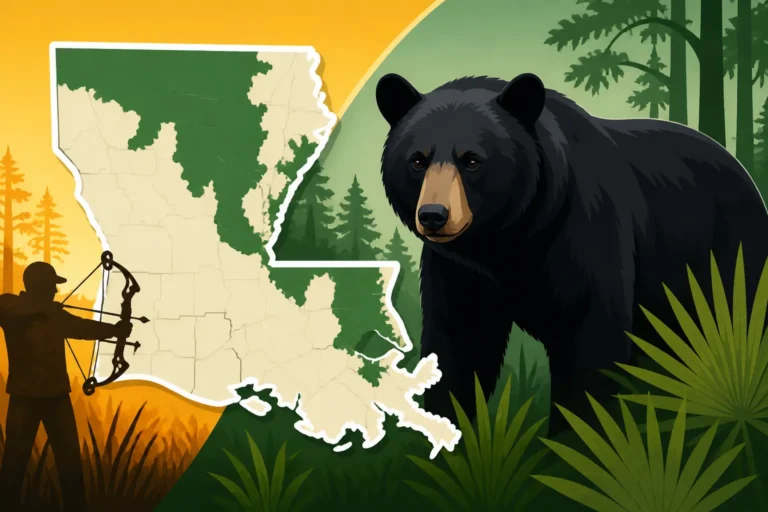
Think about it this way: certain songbirds, for instance, aren't hunted because they play vital ecological roles (like insect control or seed dispersal) and because their populations might be vulnerable. Raptors like eagles and hawks, once persecuted, are now fiercely protected and represent incredible conservation success stories. Our very own Louisiana's Recovering Black Bear is a prime example of a species that was protected for decades before a carefully managed lottery hunt was reinstated, highlighting how conservation can eventually lead to sustainable harvest opportunities. These laws aren't just arbitrary; they're the bedrock of ensuring our wildlife heritage endures for future generations.
Game vs. Non-Game Designations
The distinction between "game" and "non-game" animals is fundamental to hunting regulations. Game species are those designated by wildlife agencies as suitable for hunting, typically because they have robust, sustainable populations that can withstand regulated harvest. Deer, turkey, rabbits, squirrels, and ducks fall into this category. For these species, agencies like LDWF manage populations through season lengths, bag limits, and specific hunting methods.
Non-game species, on the other hand, are not managed for hunting purposes. This category includes everything from common backyard birds and lizards to rare and endangered creatures. While some non-game species may be trapped for fur (like certain furbearers during specific seasons, which isn't generally considered "hunting"), the vast majority are simply protected from any form of recreational take. It’s crucial for hunters to be able to identify the difference, especially when afield, to avoid inadvertently harming a protected animal. This often means going beyond just knowing your target species and understanding what other similar-looking animals might be in the area.
The Regulatory Framework
Who decides what's huntable and what's not? It's a complex dance between federal and state agencies, relying heavily on scientific research, population surveys, and habitat assessments. The U.S. Fish and Wildlife Service, for instance, manages migratory birds in coordination with state agencies, setting frameworks for seasons and bag limits that states then adopt. For resident game, the LDWF conducts extensive research to monitor populations, assess health, and make informed decisions on hunting seasons. They track data like Louisiana Deer Harvest Records and Louisiana Turkey Population Trends to ensure sustainable management.
These agencies employ biologists, enforcement agents, and policymakers who constantly review data, listen to public input, and adjust regulations. This dynamic approach ensures that wildlife populations remain healthy and that hunting opportunities are sustainable. As hunters, it's our responsibility to respect this framework, not just to stay out of trouble, but because these rules are designed to protect the very resource we cherish. Using tools like the GoHunt app can be incredibly useful for quickly referencing regulations and species information while in the field.
Identifying Louisiana's Un-Huntable Wildlife
Knowing the rules is one thing, but knowing the animals is another. Louisiana is incredibly biodiverse, and many of its beautiful creatures are off-limits to hunters. Here’s a closer look at some of the categories and examples of what you absolutely cannot hunt in the Pelican State.
Federally Protected Migratory Birds
Louisiana lies on the Mississippi Flyway, making it a critical wintering ground and migration corridor for countless bird species. While we're famous for our duck and goose hunting, a huge number of migratory birds are protected by federal law, primarily the Migratory Bird Treaty Act. This act makes it illegal to hunt, capture, kill, or possess any part of protected migratory bird species without a specific permit.
This category includes nearly all songbirds you see in your backyard, various shorebirds, wading birds (like herons and egrets), and most raptors. Bald eagles, for example, are a magnificent sight in Louisiana, especially along our waterways and marshes, but they are fully protected. Similarly, while we hunt ducks, other waterbirds like swans are off-limits. Even certain species of waterfowl, like Mottled Ducks (our resident ducks), have specific management plans that can differ from migratory species. The general rule of thumb: if it’s not explicitly listed in the LDWF hunting regulations as a game bird with an open season and bag limit, it's almost certainly protected. Always consult the current regulations for specific dates and species, which can vary from season to season, but most common birds like robins, cardinals, blue jays, and woodpeckers are never legal to hunt.
Protected Mammals and Their Habitats
Beyond game mammals like deer and hogs, Louisiana is home to a variety of other furry creatures, many of which are protected. The American black bear, as mentioned earlier, only recently became a huntable species again under a very specific, limited lottery system, demonstrating how species can transition from protected status to managed game after significant recovery. Other mammals, however, remain fully protected.
For instance, several bat species in Louisiana are federally protected, including the federally endangered Northern long-eared bat and the pallid bat, which are vital for insect control. Manatees, those gentle "sea cows" that occasionally venture into our coastal waters and bayous, are also federally protected and absolutely cannot be hunted or harassed. Even certain small, less noticeable mammals like the Louisiana Pine Snake or various rodent species with very specific habitat requirements can be protected under state or federal endangered species acts. When you're out scouting, especially in more remote areas, it's good practice to be aware of your surroundings and avoid disturbing any wildlife you're unsure about. You might even use a feature in the GoHunt app to help identify unknown species if you encounter them.
Reptiles, Amphibians, and Other Critters
While Louisiana is famous for its alligators, which are a managed game species with a recreational season, most other reptiles and amphibians are not huntable. Many snake species, lizards, frogs, and salamanders are considered non-game animals. A prime example of a protected reptile in Louisiana is the gopher tortoise, a state-threatened species found in the longleaf pine habitats of our piney hills. It's illegal to harass, harm, or possess gopher tortoises or their eggs.
Even turtles, beyond the specific legal take of snapping turtles for consumption (which again, is not typically classified as recreational "hunting" in the traditional sense), are generally protected. This includes rare species like the ringed map turtle or the razorback musk turtle. The emphasis here is on understanding that the vast majority of creatures you encounter in the Louisiana wilderness are there to be observed and appreciated, not pursued as game. If you're targeting something specific like frogs for a meal, ensure you know the specific regulations for those non-game harvests, as they operate under different rules than traditional hunting seasons.
Navigating Accidental Encounters and Ethical Practices
Even the most careful hunter can have an unexpected encounter with wildlife. Knowing how to react when you come across a protected species, or how to avoid issues altogether, is a crucial part of ethical hunting in Louisiana.
Encountering Injured or Orphaned Protected Wildlife
It’s heartbreaking to find an injured or seemingly orphaned animal, especially one you know is protected. Your first instinct might be to help, but often, the best thing you can do is to leave it undisturbed and contact the appropriate authorities. Handling wild animals, particularly those that are injured or stressed, can be dangerous for both you and the animal, and it can also be illegal if it's a protected species. For example, if you find an injured bald eagle or a manatee stranded in a shallow bayou, you should immediately contact the LDWF or a licensed wildlife rehabilitator. They have the expertise and permits to handle these situations safely and legally.
Remember that "orphaned" animals often aren't orphaned at all. Mother deer, rabbits, and birds frequently leave their young unattended for extended periods while they forage, returning periodically. Interfering can do more harm than good by removing the young from their natural environment and their parent's care. When in doubt, observe from a distance and make a call. Reporting a Sick Animal in Louisiana is a specific guide that delves into what to do in these situations, which can be very helpful.
Avoiding Misidentification and Upholding Laws
The cardinal rule of hunting is "Know your target." This isn't just about species, but also about sex and age where applicable (like antlered bucks versus antlerless deer). Mistaking a protected species for a legal game animal can have severe consequences, ranging from hefty fines to license revocation, and more importantly, it undermines conservation efforts. Before you even head afield, dedicate time to thoroughly studying the species you intend to hunt and any similar-looking species that share the same habitat.
For example, when Waterfowl Hunting the Louisiana Coastal Marsh, you must be absolutely certain of your duck identification before shooting. Some ducks have very strict bag limits, and others (like certain sea ducks or protected species) are completely off-limits. Using reliable field guides, online resources, and even apps like GoHunt that provide detailed species information and photos can greatly reduce the risk of misidentification. Attend hunter education courses, even if you’re an experienced hunter, to refresh your knowledge and learn about specific nuances in identification. It's not just about what you can hunt, but what you can't that truly defines a responsible hunter.
Reporting Violations and Maintaining Integrity
Part of being a responsible steward of Louisiana's wildlife is reporting illegal activities. Poaching, baiting where prohibited, hunting out of season, or taking protected species are serious offenses that steal resources from all law-abiding hunters and harm conservation efforts. If you witness a wildlife violation, or come across evidence of one, it's your ethical duty to report it.
The LDWF has a dedicated hotline and online reporting mechanisms for this very purpose. When reporting, provide as much detail as possible: date, time, location, description of individuals or vehicles involved, and the nature of the violation. You can often remain anonymous. While it might feel uncomfortable, standing up for wildlife conservation and the integrity of hunting is paramount. The consequences for violations can be significant, as outlined in guides like Louisiana Wildlife Violation Penalties, reinforcing the importance of adhering strictly to the law and reporting those who do not.
Staying Informed: Regulations and Resources
Wildlife management is not static; it's a dynamic field that constantly adapts to new scientific findings, environmental changes, and population trends. What was true last year might not be entirely true this year, making ongoing education essential for every hunter.
The Dynamic Nature of Wildlife Laws
Louisiana’s hunting regulations are reviewed and updated annually. This means that season dates, bag limits, specific legal methods, and even which species are huntable can change from one year to the next. Factors like weather patterns, disease outbreaks (such as CWD, which influences Louisiana's Chronic Wasting Disease Zones), habitat changes, and population surveys all play a role in these adjustments. For example, a severe drought could impact breeding success for certain species, leading to reduced bag limits the following year. Or, successful conservation efforts could lead to expanded hunting opportunities, as we've seen with the limited bear season.
Never assume that because a rule was in place last season, it's still current. This is particularly true for migratory birds, where federal frameworks are constantly being tweaked. Staying current means actively seeking out the most recent regulations before each hunting season, for every species you plan to pursue.
Essential Resources for Hunters
The Louisiana Department of Wildlife and Fisheries (LDWF) is your primary and most authoritative source for all hunting regulations. They publish annual hunting and fishing guides that detail season dates, bag limits, legal methods, and special regulations for all game species, including Louisiana Feral Hog Regulations and Louisiana Waterfowl Zones and Seasons. These guides are available online, often as downloadable PDFs, and in print at license vendors and LDWF offices.
In addition to the official printed guides, the LDWF website is a treasure trove of information. You'll find sections dedicated to specific game species, public hunting lands, hunter education schedules, and licensing information. The LDWF also offers a mobile app, which is a fantastic resource for checking regulations, reporting harvests, and even finding public land boundaries right from your phone. Tools like the GoHunt app are also excellent for accessing maps, public land data, and often current regulations in a user-friendly format, helping you stay informed while scouting or in the field. Don't forget that completing Louisiana Hunter Education Requirements is also a fundamental step, teaching you not only safety but also the ethical and legal framework of hunting.
The Broader Impact of Hunter Ethics
Understanding which animals you cannot hunt, and respecting those regulations, is a cornerstone of hunter ethics. It reflects a commitment to conservation, responsible outdoor behavior, and the preservation of hunting as a respected tradition. When hunters meticulously follow regulations, avoid misidentification, and report violations, they contribute to the public's perception of hunting as a legitimate and valuable wildlife management tool.
Beyond simply following the law, ethical hunting means making conscious choices that support wildlife. This includes respecting private property, leaving no trace, and helping to maintain healthy habitats. Every decision you make in the field, from identifying your target to retrieving game, reflects on the entire hunting community. By upholding these standards, we ensure that Louisiana's incredible wildlife resources are protected and managed for generations to come, allowing future hunters to enjoy the same abundant opportunities we do today.
Disclaimer
This article is for general informational purposes only and does not constitute professional advice. Laws, prices and regulations vary by location and change over time. Consult a qualified professional for guidance on your specific situation.