Red Wolf History in Louisiana
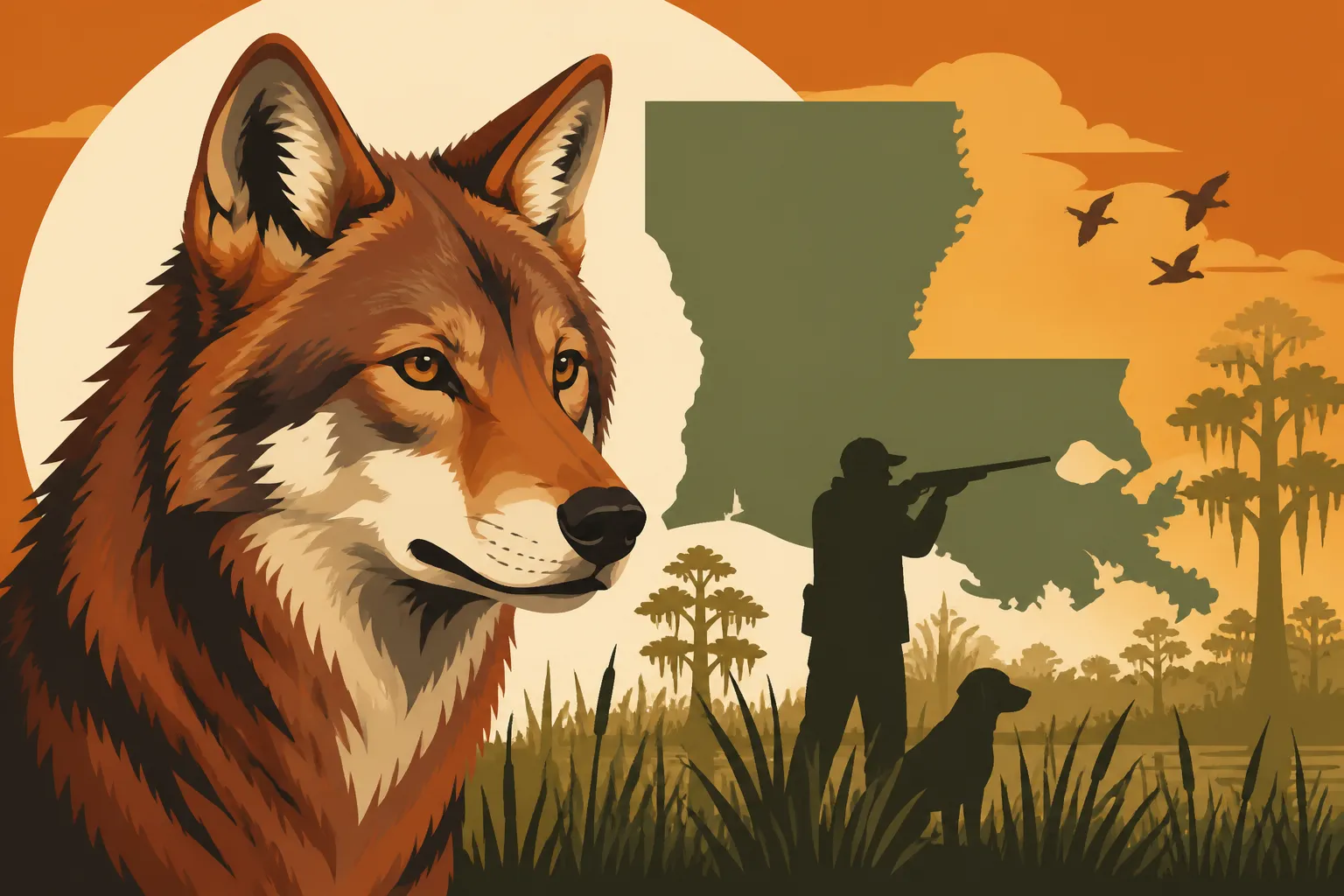
It’s easy to focus on the game animals we pursue today in Louisiana – the deer, the ducks, the hogs – and forget that our wild places once held even more incredible creatures. The story of the red wolf in Louisiana is a poignant one, a stark reminder of what can be lost and the complex challenges of coexistence, offering a deep dive into the historical presence, tragic decline, and lingering legacy of this magnificent native predator in the Bayou State.
The Historical Presence of Red Wolves in Louisiana
Before the arrival of European settlers, Louisiana's diverse landscapes, from the bottomland hardwood forests to the coastal prairies and piney uplands, were home to a rich tapestry of wildlife. Among the most enigmatic and vital of these creatures was the red wolf, a truly North American canid, distinct from its larger gray wolf cousin. Its presence here wasn't just incidental; it was deeply interwoven into the ecological fabric of the state for millennia.
Early Range and Habitat
The red wolf (Canis rufus) historically roamed across a vast expanse of the southeastern United States, with a significant portion of its range encompassing Louisiana. Picture the dense, towering cypress and tupelo swamps of the Atchafalaya Basin, the expansive longleaf pine forests of the Kisatchie National Forest, and the fertile river bottoms of the Tensas River Basin. These weren't just prime hunting grounds for early Native Americans; they were also the red wolf's kingdom. Unlike the gray wolf, which prefers vast, open wilderness, the red wolf was more adaptable, thriving in mixed forest, swamp, and coastal prairie environments, often described as an "edge" species. This adaptability allowed them to exist in areas that, while wild, weren't necessarily remote in the same way as their northern counterparts' territories. Their presence acted as a key predator, helping to regulate populations of deer, rabbits, and other smaller mammals, contributing to the overall health and balance of these ecosystems. Understanding their former territories gives us a clearer picture of the biodiversity that once defined our state. If you're exploring areas like Kisatchie National Forest today, imagine these subtle, reddish-hued canids moving through the underbrush.
Their habitat wasn't confined to one specific type of Louisiana terrain. They were just as at home in the thickets of the Pearl River Wildlife Management Area as they might have been along the edges of agricultural clearings, adapting their hunting strategies to the available prey. Historical accounts and early scientific observations place them across much of the state, suggesting they were widespread, though perhaps never as numerous as the deer populations they preyed upon. This wide distribution highlights their ecological importance, indicating they were a critical component of healthy food webs from the northern pine hills down to the coastal fringes.
Interactions with Native American Cultures
For thousands of years before European colonization, Native American tribes coexisted with the red wolf. Unlike the often fear-driven narratives that later emerged, many indigenous cultures held deep respect for wolves, viewing them as powerful spirits, teachers, or kin. The relationship was complex, often reflecting a keen understanding of the wolf's role in maintaining healthy prey populations. Tribes like the Tunica-Biloxi, Chitimacha, and Choctaw, who lived within the red wolf's range, undoubtedly observed these animals closely. While direct historical records specifically detailing red wolf interactions from Louisiana tribes are rare, general Native American folklore and practices across the Southeast suggest a reverence for these predators.
It's likely that wolves were sometimes hunted for their fur or in response to predation on village dogs or early livestock, but this was generally done within a framework of ecological awareness, not systematic eradication. The true balance was disrupted much later, with the arrival of European settlers who brought different land use practices and a widespread fear of predators. For modern hunters, reflecting on this past offers a valuable perspective on humanity's evolving relationship with wildlife and the long-term consequences of our actions. Today, as we discuss topics like hunting ethics and wildlife management, remembering these ancient connections can help us foster a deeper respect for all species, even those we no longer share the landscape with.
The Decline and Near Extinction
The story of the red wolf in Louisiana, much like elsewhere in its range, is one of rapid decline, driven primarily by human expansion and a devastating biological threat. It wasn't a sudden event but a gradual erosion of their world, culminating in their almost complete disappearance from the wild by the mid-20th century.
Habitat Loss and Human Expansion
As European settlers moved into Louisiana, the landscape began to transform dramatically. Forests were cleared for timber and agriculture, swamps were drained for development, and vast tracts of natural habitat were fragmented. Imagine the immense tracts of bottomland hardwoods that once stretched across the state being converted into cotton fields or rice paddies. This relentless habitat destruction directly impacted the red wolf, shrinking its hunting grounds and isolating populations. As deer and other prey species diminished in these altered landscapes, red wolves faced increasing competition and pressure.
Compounding this, the perception of wolves as varmints, a threat to livestock, led to widespread and often indiscriminate extermination campaigns. Government-sponsored bounty programs, predator poisoning, and trapping efforts were commonplace. This wasn't just happening in Louisiana; it was a regional and national phenomenon. Ranchers and farmers, desperate to protect their livelihoods, saw the wolf as a pest, and there was little understanding of its ecological value. The cumulative effect of habitat loss, persecution, and shrinking prey bases pushed the red wolf population to the brink, making it one of the most endangered mammals in North America. This period saw a dramatic shift in how humans viewed and interacted with predators, a shift that had dire consequences for species like the red wolf.
Hybridization with Coyotes
Perhaps the most insidious threat to the pure red wolf population wasn't direct killing but the arrival and rapid expansion of the coyote. As gray wolves were extirpated from the west and red wolves declined in the Southeast, coyotes began to fill the ecological niche left vacant. The construction of roads and clearing of forests, ironically, facilitated the coyote's eastward spread into Louisiana, a phenomenon that truly picked up speed in the mid-20th century. This movement is a fascinating aspect of wildlife migration, which you can learn more about in resources discussing the "Coyotes and Predators in Louisiana".
When coyotes moved into areas where red wolf numbers were already critically low, the remaining red wolves often struggled to find mates of their own species. This led to interbreeding, or hybridization, between red wolves and coyotes. The offspring of these pairings were fertile, leading to a genetic dilution of the pure red wolf lineage. Essentially, the pure red wolf genome was being absorbed by the more numerous and adaptable coyote gene pool. This biological phenomenon posed a unique conservation challenge: how do you save a species when its very genetic identity is being diluted out of existence? By the 1970s, it was recognized that virtually all wild canids identified as "red wolves" were, in fact, hybrids. This forced a radical shift in conservation strategy, leading to the capture of the last remaining genetically pure red wolves to save the species from total extinction. It's a sobering reminder of how interconnected our ecosystems are and how quickly one species' struggle can lead to another's demographic boom, as seen with the rapid increase in the "Louisiana Coyote Range and Density".
| Factor of Decline | Description | Impact on Red Wolf |
|---|---|---|
| Habitat Loss | Extensive clearing of forests for agriculture, timber, and urban development; draining of wetlands. | Reduced available territory, fragmented populations, decreased prey availability, increased human-wildlife conflict. |
| Human Persecution | Government-sponsored bounty programs, indiscriminate trapping, poisoning, and shooting driven by fear and protection of livestock. | Direct reduction in numbers, pushing populations to critical levels, fostering a negative public image of the species. |
| Coyote Expansion | The eastward migration of coyotes into traditional red wolf range, facilitated by human-altered landscapes. | Introduced a new, more numerous competitor and mate, leading to widespread hybridization and genetic dilution of the pure red wolf lineage. |
| Prey Depletion | Overhunting of deer and other large prey species by humans, combined with habitat loss. | Reduced food sources for red wolves, forcing them to seek alternative, often livestock-based, food sources, exacerbating conflict. |
| Lack of Conservation Focus | Early 20th-century conservation efforts largely focused on game species, with little attention or funding for predators viewed as pests. | Delayed recognition of the red wolf's plight, allowing populations to dwindle to near-extinction levels before intervention. |
Conservation Efforts and the Species Survival Plan
Recognizing the dire situation of the red wolf, a monumental effort was launched to save the species from the brink. This was not an easy undertaking, fraught with challenges and requiring innovative approaches to wildlife conservation. The focus shifted from managing a wild population to building one from scratch.
The Role of the US Fish and Wildlife Service
By the 1960s and early 1970s, the US Fish and Wildlife Service (USFWS) recognized that the red wolf was critically endangered, potentially facing extinction within years. They embarked on a desperate mission to save the species. The plan was audacious: capture the last remaining pure red wolves from the wild, where they were rapidly hybridizing with coyotes, and establish a captive breeding program. Between 1973 and 1980, biologists intensely surveyed the last stronghold of wild red wolves, a small area along the Texas-Louisiana border.
Out of hundreds of canids captured, only 14 were deemed genetically pure enough to become the founders of the captive breeding program. These individuals were brought into zoos and wildlife facilities, becoming the literal last hope for the species. This incredible intervention was an all-or-nothing gamble, as it meant completely removing the species from its natural environment. The USFWS also played a crucial role in developing the Species Survival Plan, a detailed management strategy to ensure genetic diversity and the long-term viability of the captive population. This systematic approach, developed for the red wolf, has since become a model for saving other critically endangered species worldwide, showcasing the critical importance of dedicated government agencies in preventing extinctions.
Captive Breeding and Reintroduction Attempts
With the founder population secured, the next phase was captive breeding. This involved carefully managing genetics to avoid inbreeding and maintain a healthy, diverse gene pool within the confined population. Over several decades, zoos and conservation centers across the country successfully bred red wolves, slowly increasing their numbers. Once the captive population was robust enough, the ultimate goal was reintroduction into suitable wild habitats.
The first major reintroduction effort began in 1987 in eastern North Carolina, specifically at the Alligator River National Wildlife Refuge. This site was chosen because it lacked coyotes and offered large tracts of suitable habitat. These early efforts showed promise, with captive-bred wolves successfully reproducing in the wild. Subsequent reintroduction attempts were made in other areas, including some in the Great Smoky Mountains National Park, though these proved more challenging. The process of reintroduction is incredibly complex, involving acclimating animals to the wild, monitoring their movements, and managing human-wildlife interactions. While none of these efforts directly involved reintroducing wolves to Louisiana, the entire program's success or struggle resonates deeply with the state's historical connection to the species. Understanding these reintroduction dynamics is key to appreciating the global efforts to save endangered species, and something one might even research using advanced mapping tools like those offered by GoHunt, to understand the historical and proposed ranges for various species, even if not specifically for red wolves.
Why Red Wolves Vanished From Louisiana
Despite the broader conservation efforts for the species, the red wolf ultimately disappeared from the wild landscapes of Louisiana. This wasn't due to a lack of individual animals at one point, but a combination of overwhelming pressures that made recovery within the state's borders incredibly difficult.
Specific Challenges in the Louisiana Landscape
Louisiana's unique geography and demographics presented particularly tough challenges for red wolf survival. While the state once offered extensive habitat, the rapid pace of development and the high density of human population, especially in agricultural regions, meant that large, contiguous tracts of truly wild, undisturbed land became increasingly rare. Even in seemingly wild areas like the Atchafalaya Basin, human activity, including trapping, logging, and extensive recreation, created constant pressure.
Furthermore, Louisiana's climate and terrain were ideally suited for the rapid expansion of coyotes. The mixed woodlands, open fields, and numerous waterways provided excellent dispersal corridors for this highly adaptable canid. This meant that even if a few pure red wolves managed to persist, they would inevitably encounter and interbreed with coyotes, further diluting their genetic purity. The relentless process of hybridization, combined with continuous persecution from humans who often couldn't differentiate between a red wolf and a coyote, made establishing any self-sustaining pure red wolf population in Louisiana an insurmountable task. It's a stark contrast to areas designated as "Louisiana Wildlife Management Areas" today, where efforts are made to manage specific populations, but at the time, such comprehensive management strategies for predators were practically non-existent. The state was simply too fragmented and too full of coyotes for the red wolf to make a last stand.
Lessons Learned for Future Conservation
The unfortunate extinction of the red wolf in the wild from Louisiana, and indeed from much of its historic range, offers crucial lessons for modern conservation efforts. Firstly, it underscores the devastating impact of habitat fragmentation and human intolerance towards predators. When we view predators solely as threats to be eliminated, we disrupt delicate ecological balances. Secondly, the red wolf's demise highlights the insidious threat of genetic swamping through hybridization. This is a unique challenge for conservationists, as it's not just about protecting animals from direct harm, but also safeguarding their genetic integrity.
Looking forward, this history informs how we approach the conservation of other vulnerable species in Louisiana. It emphasizes the need for large, interconnected protected areas, greater public education about the ecological role of predators, and careful management of invasive or expanding species like the coyote. While the red wolf itself may not return to the wild Bayou State in the foreseeable future, its story serves as a powerful reminder of our responsibility to protect the biodiversity we still have. From the management of "Louisiana's Recovering Bobcat Population" to discussions about the long-term health of our deer herds, the shadow of the red wolf's absence reminds us of the interconnectedness of all living things. The challenges faced by the red wolf can also inform how we approach larger wildlife health issues, such as those covered under "Louisiana Wildlife Disease Monitoring".
The Legacy of Red Wolves in Louisiana Today
Even though the red wolf no longer roams wild in Louisiana, its legacy persists, both genetically and culturally. The species' dramatic history continues to influence conservation thinking and reminds us of the rich wildlife heritage our state once boasted.
Genetic Traces and Ongoing Research
While pure red wolves were removed from the wild for captive breeding, the widespread hybridization with coyotes means that some local coyote populations in Louisiana and across the Southeast may still carry small amounts of red wolf DNA. These "coy-wolves" or coyote-red wolf hybrids are a fascinating area of ongoing scientific research. Biologists use genetic analysis to trace these ancient lineages, offering insights into the past distribution and interbreeding patterns of these canids.
These genetic studies are not just academic curiosities; they help us understand the dynamic evolutionary processes at play and provide clues about the adaptability and resilience of canid populations. It's a complex picture: while pure red wolves are gone from our wild places, their genetic ghost may still be barking in the distance, a subtle echo of a time when Louisiana's forests and swamps resonated with their unique calls. This research is crucial for understanding current predator dynamics, including topics like "How Many Coyotes Louisiana Has" and "When Louisiana Coyotes First Arrived" in the state, offering a deeper context to their presence. Modern tools and platforms like GoHunt provide resources for hunters and researchers to track and understand wildlife data, which, while not specifically for historical red wolf genetics, reflects the modern approach to wildlife information dissemination.
Remembering the "Ghost of the South"
For many, the red wolf is simply a forgotten chapter in Louisiana's natural history. But for conservationists, wildlife enthusiasts, and those who appreciate the wildness of our state, the red wolf remains a powerful symbol. It's often referred to as the "ghost of the South," a silent reminder of what was lost. Its story is woven into discussions about ecosystem health, the balance of nature, and the ongoing challenges of human encroachment on wild spaces.
Remembering the red wolf means acknowledging that Louisiana's ecosystems were once even richer and more complex than they are today. It encourages us to look at our current game species, our public lands, and our remaining wild areas with renewed appreciation and a sense of stewardship. The story of the red wolf serves as a cautionary tale, but also an inspiring one, demonstrating humanity's capacity to both devastate and meticulously restore. As we enjoy the diverse hunting opportunities Louisiana still offers, from deer in the bottomlands to ducks in the marsh, let's carry a piece of the red wolf's legacy with us, understanding that true conservation means protecting all species, even those we "Game You Cannot Hunt in Louisiana", because they are simply no longer here. Perhaps one day, the call of a pure red wolf will once again echo through some protected corner of the Southeast, a testament to enduring hope and the lessons learned from Louisiana's past.
Disclaimer
This article is for general informational purposes only and does not constitute professional advice. Laws, prices and regulations vary by location and change over time. Consult a qualified professional for guidance on your specific situation.