Louisiana Squirrel and Rabbit Populations
It can be incredibly frustrating to head into the woods, especially on public land, hoping for some fast-paced small game action, only to find the woods eerily quiet. You scouted, you got up early, and yet the squirrels are nowhere to be seen, and the rabbits seem to have vanished into thin air. Understanding the health and habits of Louisiana's squirrel and rabbit populations is key to turning those quiet hunts into successful outings, and this guide is here to break down exactly what you need to know.
Understanding Louisiana's Squirrel Populations
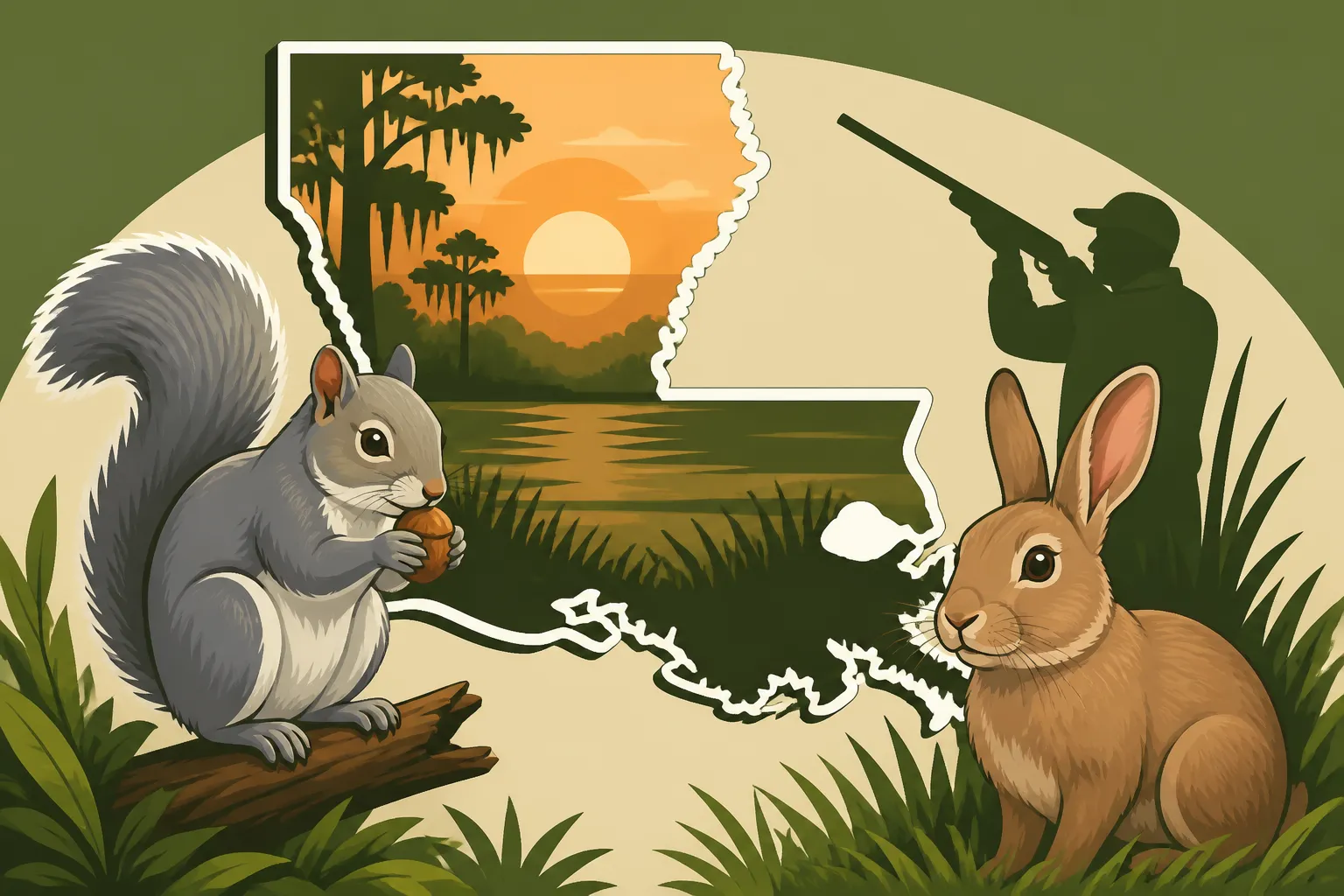
Squirrels are a staple of Louisiana small game hunting, providing endless hours of enjoyment and some of the finest wild game meat around. But they aren't just everywhere, all the time. Knowing your squirrels and where they like to hang out is fundamental. Louisiana is home to a couple of distinct squirrel species that hunters commonly pursue, each with its own preferences and habits.
Gray Squirrels: The Bayou Bushytails
The gray squirrel, often simply called the "cat squirrel" down here, is probably the most commonly encountered squirrel across Louisiana. These agile, medium-sized squirrels are perfectly adapted to the dense hardwood forests, swamp bottoms, and suburban woodlots that define much of our state. They're quick, constantly on the move, and possess an uncanny ability to disappear into the canopy the moment they sense danger.
You'll find gray squirrels thriving in areas with a rich diversity of mature hardwoods, particularly oaks, hickories, and pecan trees. These trees aren't just shelter; they're their grocery store. The mast crops from these trees – acorns, hickory nuts, and pecans – are critical food sources that dictate where you'll find healthy populations. After a good mast year, you can expect to see a boom in gray squirrel numbers. Their reliance on these food sources makes scouting for their presence a matter of looking for fresh cuttings under nut trees. For more on finding these prime spots, check out our guide on Squirrel Hunting Louisiana Bottomland Hardwoods.
Fox Squirrels: The Larger Cousins
While gray squirrels are numerous, the larger, often more brilliantly colored fox squirrel holds a special place in the hearts of many Louisiana small game hunters. These robust squirrels come in a variety of color phases, from rusty orange to silver-gray, and are noticeably larger and often a bit slower-moving than their gray squirrel counterparts. They tend to be a bit more solitary, too, and are often found in more open, mature pine forests or mixed pine-hardwood stands, rather than the deep, dense bottomlands where gray squirrels dominate.
Fox squirrels prefer habitats where mature trees offer ample den sites and food, often integrating open understories where they can forage for pine cones, seeds, and even fungi. You might spot them on the edge of a field bordering a pine stand, or along a fencerow that provides a travel corridor. Their dietary preferences are a bit broader than gray squirrels, but they still heavily rely on mast. If you're specifically targeting these bigger bushytails, focus your efforts on those classic piney woods and mature timber stands.
Squirrel Habitat and Food Sources
Understanding habitat is non-negotiable for consistent squirrel hunting success. Squirrels, regardless of species, need three things: food, water, and cover. In Louisiana, these are often found in abundance, but knowing where those elements converge is the trick. For gray squirrels, this usually means bottomland hardwood forests, particularly those rich in a variety of mast-producing trees. They'll also frequent smaller woodlots and creek bottoms, especially if those areas connect to larger timber.
Fox squirrels, as mentioned, lean towards more open pine or mixed pine-hardwood forests. Both species, however, will gravitate heavily toward areas experiencing a good mast crop. A strong acorn year, for instance, means the squirrels will be concentrated in those oak groves. During lean mast years, they might spread out more, foraging on buds, mushrooms, or even agricultural crops if available. Keep an eye on the ground for cut-up nuts and discarded husks – that's a direct sign of active feeding, and often a good indicator for where to start hunting. You might also want to read up on Squirrel Hunting Louisiana Hickory Groves to understand how to pinpoint those specific food sources.
Diving Into Louisiana's Rabbit Populations
Rabbits offer another fantastic small game opportunity in Louisiana, known for their explosive flushes and challenging shots. Just like squirrels, understanding where they live and what they eat is crucial for a productive hunt. Our state is home to two primary species that hunters pursue, each with its unique characteristics and preferred haunts.
Cottontail Rabbits: Abundant Across the State
The eastern cottontail is the quintessential rabbit of Louisiana, found in nearly every parish where suitable habitat exists. These energetic creatures are smaller than their swamp rabbit cousins and prefer drier, brushier cover. You'll find cottontails in a wide variety of habitats: overgrown fields, fencerows, briar thickets, clear-cuts regenerating with dense scrub, and the edges of agricultural fields. Basically, if it's thick and offers both concealment and forage, a cottontail is likely calling it home.
Cottontails are prolific breeders, and their populations can fluctuate dramatically based on weather, food availability, and predation. A mild winter followed by a wet spring can lead to booming numbers. They feed on a wide array of vegetation, from grasses and clover to forbs, shoots, and even the bark of young trees in winter. Their adaptability makes them a common sight, and a rewarding quarry for hunters willing to brave the thick stuff. Hunters often find great success when exploring Rabbit Hunting Thick Louisiana Brush.
Swamp Rabbits: The Water Lovers
For hunters seeking a larger, more robust rabbit, the swamp rabbit, often called a "cane cutter" or "swamper," is the prize. These rabbits are significantly larger than cottontails, with a more yellowish-brown coat and a preference for wet, low-lying habitats. True to their name, you'll find swamp rabbits in the dense cane breaks, cypress-tupelo swamps, and flooded bottomlands that are so characteristic of much of Louisiana's landscape. They are surprisingly adept swimmers, a trait that sets them apart from their cottontail relatives.
Swamp rabbits thrive in areas where dense, often impenetrable vegetation provides both cover and food, with easy access to water. Cane thickets along bayous, palmetto patches in low-lying forests, and dense briar patches in saturated ground are prime locations. They feed on aquatic plants, sedges, and the lush vegetation found in wetlands. Hunting swamp rabbits often involves navigating challenging terrain, but the reward of a larger rabbit makes it worthwhile for many.
Rabbit Habitat and Preferred Cover
Like squirrels, rabbits have distinct habitat needs. For cottontails, think edge habitat: where fields meet woods, where old clear-cuts are growing up thick, or along overgrown ditches and fencerows. They need dense, thorny cover to escape predators and open patches for feeding. The key is finding that mosaic of cover and food. A field of winter wheat adjacent to a briar patch is a cottontail magnet, for example.
Swamp rabbits, on the other hand, are strictly wetland dwellers. They need wet feet, or at least damp ground, and extremely dense cover that often includes standing water. When scouting, look for those low-lying areas with cane, palmettos, or thick briars, especially those adjacent to a slough or bayou. Their tracks in soft mud or droppings on logs can be telltale signs of their presence. Remember, both species need escape cover nearby whenever they are feeding, so focus on the transition zones.
Factors Influencing Small Game Populations
Understanding the pulse of small game populations means looking beyond just a single year's harvest. Several large-scale factors are constantly at play, dictating whether you'll have a banner year or a more challenging one in the squirrel and rabbit woods. These aren't always things we can control, but recognizing their impact can help you adjust your expectations and strategies.
Habitat Loss and Fragmentation
Perhaps the biggest overarching threat to small game in Louisiana, and frankly, across the country, is habitat loss and fragmentation. As forests are cleared for development, agriculture expands, or natural areas are altered, the continuous tracts of prime squirrel and rabbit habitat shrink. This doesn't just mean less space; it means isolated pockets of animals that can't easily interbreed, leading to reduced genetic diversity and making them more vulnerable to local extinctions.
Even seemingly small changes, like widening a road through a woodlot or converting a field edge from diverse brush to manicured lawn, can have a ripple effect. This fragmentation makes it harder for small game to find adequate food sources, escape cover, and safe travel corridors. It's a constant battle, and it means that finding those truly pristine or well-managed pockets of habitat, especially on public lands, becomes even more important. Understanding how Louisiana's public lands are managed for small game is vital, and resources like Louisiana Wildlife Management Areas can be invaluable.
Weather Patterns and Reproduction Cycles
Weather plays a huge role in the boom and bust cycles of both squirrel and rabbit populations. For squirrels, the mast crop of the previous year is king. A severe drought during nut development, or an untimely late frost that kills off budding flowers, can devastate the food supply, leading to lower survival rates and reduced reproduction the following year. Conversely, a bumper mast crop often translates to a thriving squirrel population a year later.
Rabbits, being prolific breeders, are especially sensitive to wet and cold springs. Prolonged periods of heavy rain or unseasonably cold temperatures during nesting season can significantly reduce fawn survival rates. Conversely, mild winters and warm, moderately wet springs create ideal conditions for multiple successful litters, leading to high numbers by fall. This is why some years just feel more productive than others in the rabbit fields. Tracking the Louisiana Cottontail Population Trend can give you insights into these fluctuations.
Predation and Disease
While often overlooked by the casual hunter, predation and disease are constant forces shaping small game populations. Everything from hawks, owls, and coyotes to bobcats and even domestic cats and dogs exert pressure on squirrels and rabbits. A healthy predator-prey balance is natural, but an imbalance, perhaps due to a local explosion in coyote numbers or a decline in alternative prey, can put significant pressure on small game.
Diseases, though less visible, can also sweep through populations. Rabbits, for instance, are susceptible to diseases like tularemia and fibroma, which can cause localized die-offs. Squirrels can also be affected by various parasites and pathogens. While rare to encounter widespread epidemics, localized outbreaks can drastically reduce numbers in a specific area. A general understanding of Louisiana Wildlife Disease Monitoring can help hunters stay informed about any significant concerns.
Scouting and Identifying Productive Areas
You can't just stumble into success with small game; well, not consistently, anyway. Effective scouting is the backbone of any good hunting trip, and it's especially true for squirrels and rabbits. Knowing what to look for, and where to look for it, saves you countless hours of walking through unproductive cover.
Reading the Landscape for Squirrels
When scouting for squirrels, you're essentially looking for food and shelter. Start by identifying stands of mature hardwoods – think oak ridges, hickory bottoms, and pecan groves. Look for signs on the ground: fresh cuttings from acorns, pecan shells, or hickory nuts. These tell you squirrels are actively feeding there. The fresher the cuttings, the more recently the squirrels were present. Also, scan the canopy for leaf nests and den trees – hollows in large trees that provide shelter.
Pay close attention to changes in elevation, creek bottoms, and areas with diverse tree species. Squirrels love travel corridors that connect different food sources or provide escape routes. When you find a promising area, spend some time just listening. Squirrels are noisy eaters; you can often hear the distinct sound of them cutting nuts or rustling through leaves. Using a tool like onX Layers for Louisiana Land Status can help you pinpoint these promising tree lines and woodlots, especially on public ground.
Finding Rabbit Sign and Cover
Rabbits leave plenty of clues if you know how to read them. Their droppings, small pellets often found in concentrated piles, are a dead giveaway. Look for them along trails, under thick cover, or near feeding areas. Another key sign is fresh browse – clipped vegetation, especially on tender shoots or bushes. If you see clean cuts, you know rabbits have been feeding recently.
The most critical element for rabbits is dense cover. Walk the edges of overgrown fields, through briar patches, along fencerows, and into regenerating clear-cuts. Don't be afraid to push into the thick stuff; that's where they live. Look for tunnels or runs through the vegetation. These are highways for rabbits, and knowing where they travel can help you position yourself for a shot. Early mornings when dew is present can sometimes reveal fresh tracks in soft ground, a fantastic indicator of recent activity. For focused efforts, remember to prioritize areas mentioned in Rabbit Hunting Thick Louisiana Brush.
Using Technology for Scouting
In today's hunting world, technology can be a massive asset, even for small game. While you're certainly not going to hang trail cameras for rabbits (though some do for squirrels!), mapping apps and aerial imagery are indispensable. Platforms like GoHunt offer detailed satellite imagery that allows you to identify prime habitat without ever stepping foot in the woods. You can pinpoint those dense briar thickets, locate mature oak stands, and find the edges where fields meet forest—all from your computer or phone.
I use GoHunt constantly to mark potential spots, identify property lines (critical for private land or public land adjacent to private), and plan my access routes. It helps you visualize the terrain, spot those subtle changes in vegetation that indicate prime rabbit cover, or locate creek drainages that funnel squirrels. Don't underestimate the power of these tools to give you an edge, especially when scouting larger tracts of Public Hunting Land in Louisiana where covering ground physically can be daunting.
Seasonality and Hunting Strategies
The beauty of small game hunting in Louisiana is its long and often generous seasons. But just because you can hunt them for months doesn't mean every day is equally productive. Understanding seasonality and adapting your strategies can drastically improve your success rate.
Best Times to Hunt Squirrels
Louisiana's squirrel season typically kicks off in the fall, often overlapping with the early deer archery seasons. Early season hunting can be a blast, but it comes with its own challenges. The leaves are still on the trees, making visibility tough, and the weather can still be quite warm. During this time, squirrels are often concentrated on mast crops like acorns and pecans. Focusing on the sound of them cutting nuts is often your best bet. Morning and late afternoon are generally the most active periods. For early-season tactics, you might find tips in How Early Season Squirrels Give Themselves Away.
As the season progresses into late fall and winter, the leaves drop, significantly improving visibility. This is often when still-hunting or sitting near a productive den tree or food source becomes incredibly effective. Colder weather can also make squirrels more predictable as they forage intensely before heading back to their den for warmth. A brisk, clear morning after a cold front can be absolutely fantastic.
Here's a quick look at how conditions might influence squirrel activity:
| Condition | Squirrel Activity | Hunting Strategy |
|---|---|---|
| Early Fall (Warm, leafy) | Active, but hard to spot. Focus on sound/cuttings. | Still-hunt slowly, listen for cutting nuts. |
| Late Fall (Cool, leaf-off) | Highly active, more visible. Concentrated on mast. | Still-hunt, sit near den trees or active feeding zones. |
| Winter (Cold, clear) | Forage intensely, then den. Active mid-morning to midday. | Focus on sunny sides of trees, den tree areas. |
| Rainy/Overcast | Often less active, may stay in dens. | Best to wait for clearer weather, or target just after. |
Optimal Conditions for Rabbit Hunting
Rabbit hunting, particularly jump-shooting or hunting with beagles, thrives in different conditions than squirrel hunting. For cottontails, crisp, cool mornings with a heavy dew are often fantastic. The moisture on the ground can make their scent more potent for dogs, and the cooler temperatures encourage them to move and feed. Overcast days without rain are also excellent, as rabbits will often be out foraging.
When jump-shooting, look for days with light breezes. This can make rabbits feel a bit more secure, but also allows you to move quietly. Avoid extremely windy days, as rabbits tend to hunker down. For swamp rabbits, post-rain conditions can be good, as they might be out browsing on fresh vegetation. However, be prepared for even wetter conditions underfoot. Always remember to check Louisiana Squirrel and Rabbit Season Rules before heading out to ensure you're in compliance.
Bag Limits and Regulations
Before every season, it's absolutely crucial to review the current bag limits and regulations for both squirrels and rabbits. While these animals are generally managed with generous limits due to their prolific breeding, rules can change. You need to know how many you can take each day and how many you can possess. These regulations are in place to ensure sustainable populations for future generations of hunters.
Always carry your valid Louisiana Hunting Licenses and What They Cost and any necessary permits. Knowing your species is important too, as there are often specific regulations for different types of small game. Pay attention to any specific Wildlife Management Area (WMA) rules if you're hunting public land, as these can sometimes differ from statewide private land regulations. A quick check of the LDWF website or app before you head out can save you a lot of grief.
Conservation and the Future of Small Game
Hunting small game in Louisiana is a rich tradition, a way to connect with the land, sharpen your skills, and put some delicious wild meat on the table. But the future of these opportunities hinges on active conservation and responsible hunting practices.
The Role of Habitat Management
Effective habitat management is the cornerstone of healthy small game populations. This isn't just about preserving existing wild areas, but actively improving them. For squirrels, this means ensuring diverse, mature hardwood stands with a mix of mast-producing trees are available and managed to prevent overcrowding and promote mast production. Timber practices that leave den trees and a varied age class of trees are beneficial.
For rabbits, habitat management often involves creating and maintaining early successional habitat – those brushy, briary areas that might look "messy" but are absolutely vital for rabbits. Controlled burns, strategic brush hogging, and encouraging native thicket-forming plants can all benefit cottontails. On public lands, like those managed by the Louisiana Department of Wildlife and Fisheries (LDWF), these practices are often implemented. Hunters can support these efforts through license purchases and by joining conservation groups. You might also be interested in how these efforts play out in wider discussions about Louisiana Small Game and Furbearers.
Sustainable Hunting Practices
As hunters, we have a responsibility to practice ethical and sustainable hunting. This includes adhering to bag limits, avoiding wasteful harvesting, and respecting the resource. Small game species, with their high reproductive rates, can often sustain significant hunting pressure, but that doesn't mean we should take them for granted. Reporting unusual observations, like signs of disease or unusually low numbers, to the LDWF can help biologists monitor populations effectively.
Introducing new hunters to the joys of squirrel and rabbit hunting is also a crucial part of conservation. It fosters an appreciation for wildlife and ensures that the tradition continues. Teaching proper shot placement, ethical retrieval, and respectful handling of harvested animals instills good habits from the start.
Louisiana's Ongoing Monitoring Efforts
The LDWF actively monitors small game populations through various surveys and harvest reports. These efforts help biologists understand population trends, assess the impact of environmental factors, and make informed decisions about season lengths and bag limits. When you report your harvest, you're contributing valuable data to these efforts. This kind of data is essential for understanding how the Louisiana Squirrel and Rabbit Populations are actually doing year to year.
The future of squirrel and rabbit hunting in Louisiana looks promising, provided we continue to prioritize habitat and practice responsible stewardship. These resilient animals offer accessible and exciting hunting opportunities, but they rely on our continued efforts to ensure their habitats remain vibrant and healthy. So, grab your .22 or your shotgun, find some thick cover or a good oak flat, and enjoy the thrill of the chase, knowing you're part of a proud Louisiana tradition.
Disclaimer
This article is for general informational purposes only and does not constitute professional advice. Laws, prices and regulations vary by location and change over time. Consult a qualified professional for guidance on your specific situation.