Louisiana Cottontail Population Trend
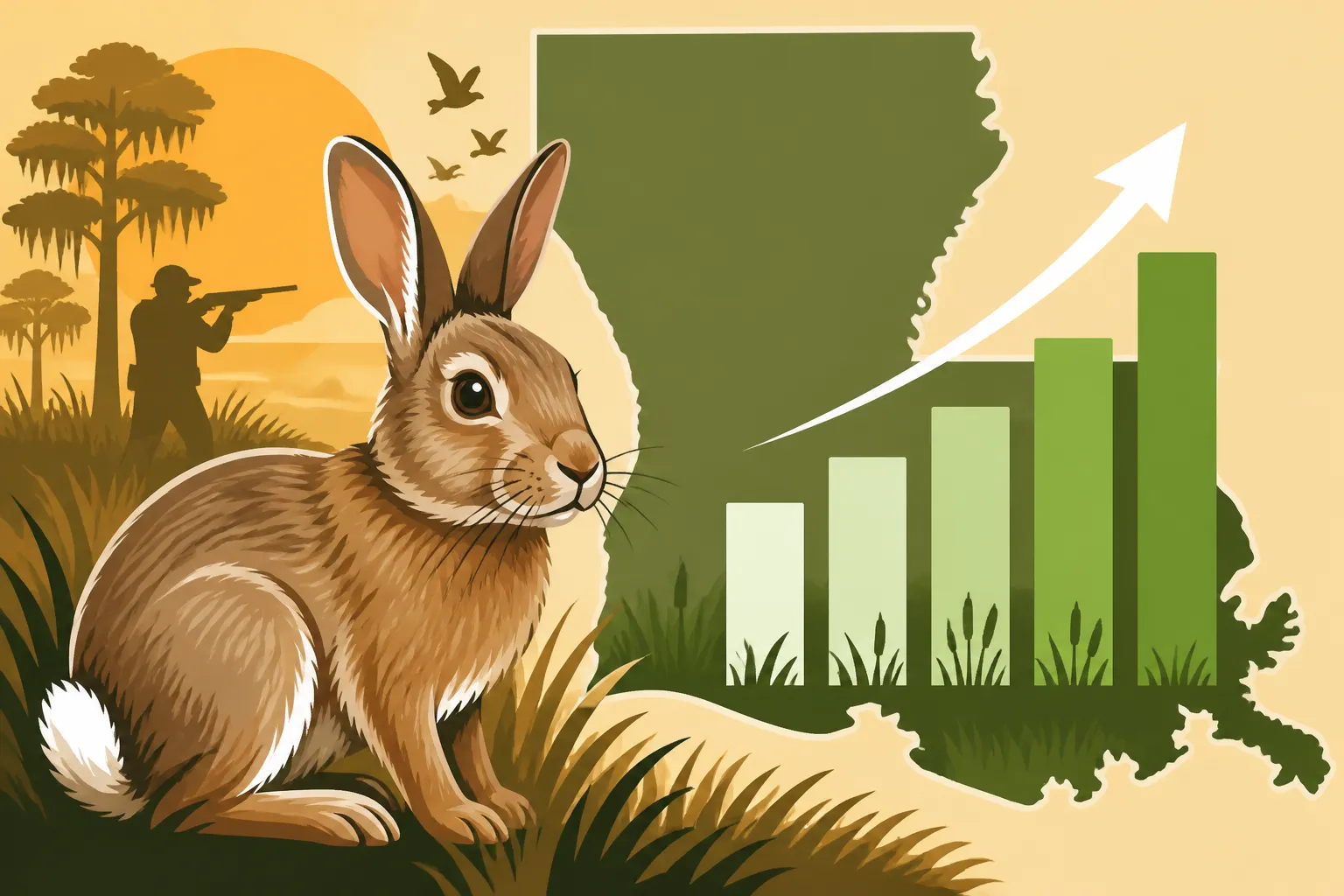
It's a question I hear often, especially from folks who've spent a lifetime in the field: "Are there as many rabbits out there as there used to be?" Or sometimes, "Man, I'm seeing more cottontails this year than I have in a decade!" The truth is, the population trends of Louisiana cottontail rabbits are rarely a straight line. They fluctuate, they surprise us, and they’re influenced by a whole host of factors that make them one of the most dynamic small game species in our state. This guide will dive deep into what drives these changes, what factors are at play, and what the future might hold for these beloved bundles of energy in the Bayou State.
Understanding the Rise and Fall of Cottontails in Louisiana
Louisiana cottontail populations are fascinating. Unlike some big game species that might see slower, more gradual changes, rabbit numbers can swing pretty dramatically from year to year, or even from one part of the state to another. It can feel like a guessing game sometimes, trying to predict where you'll find them in abundance.
Historical Context and Recent Observations
For generations, cottontail rabbits have been a staple of small game hunting in Louisiana. Grandparents taught their grandkids how to jump-shoot them from a thicket or run beagles through a cane patch. The memories are often tied to fields, brush piles, and the edges of agricultural land. Historically, rabbit populations thrived in areas with a mosaic of cover and food sources – think overgrown fence lines, fallow fields, and timber clearcuts.
In recent years, many hunters have reported what feels like a mixed bag. Some seasons, folks talk about seeing rabbits everywhere, flushing them constantly. Other years, the same areas seem quiet, almost barren. This isn't just anecdotal chatter; it reflects the inherently volatile nature of small prey animals. What appears to be a "trend" can often be a localized boom or bust cycle, heavily influenced by recent weather, local habitat changes, or even predator pressure in that specific spot. It’s why one hunting camp might be celebrating a fantastic rabbit season while another, just a few miles away, is scratching their heads wondering where all the bunnies went. Understanding these localized shifts is key to truly grasping the broader picture.
The Cyclical Nature of Rabbit Populations
Cottontail rabbit populations, like many small game species, are well-known for their cyclical patterns. They aren't always a steady, even number year after year. Instead, they often experience periods of rapid growth, sometimes called "boom years," followed by more subdued periods. These cycles are driven by a complex interplay of factors, primarily weather, food availability, and predator numbers.
During years with mild winters, ample rainfall (but not too much to cause widespread flooding), and good cover growth, rabbits can reproduce at an astonishing rate. A single doe can have multiple litters a year, with each litter boasting several kits. When conditions are just right, these numbers can skyrocket. However, this abundance can't last forever. High densities can lead to increased competition for food and cover, making rabbits more susceptible to disease. The increased prey base also often leads to an increase in predator populations. As predator numbers rise, they can put more pressure on the rabbit population, eventually leading to a decline. This natural ebb and flow is a built-in mechanism in nature, preventing any single species from overrunning its environment indefinitely. It’s a delicate dance between birth rates, survival rates, and the carrying capacity of the land.
Habitat is King: Where Louisiana Rabbits Thrive and Struggle
When it comes to cottontail rabbits, the old adage "habitat is king" couldn't be truer. They are creatures of cover, always needing a safe place to hide, breed, and feed. Without the right kind of environment, even the most robust breeding stock will struggle to maintain numbers.
Brushy Edges and Early Successional Growth
Rabbits absolutely adore what we call early successional habitat. Think about those areas that aren't quite mature forest but aren't open fields either – the transition zones. These include brushy field edges, thickets, regenerating clearcuts, overgrown pastures, and hedgerows. They need a mix of tall grasses, briars, small shrubs, and woody cover to feel secure from aerial predators like hawks and ground predators like coyotes. These spots offer both protection and a diverse food source, from tender shoots to seeds and bark.
Agricultural practices have a huge influence here. Fields that are cleanly tilled right up to the tree line, or those that get mowed down frequently, eliminate critical cover. On the other hand, farms that leave unkempt borders, old equipment piles, or strips of unharvested crops can become rabbit havens. The key is that messy, "uncultivated" look that provides an intricate network of escape routes and hiding spots. Hunters often find rabbits along these specific features. If you're out scouting, really pay attention to these areas where the field meets the woods, or where an old road bed has grown up in saplings and briars. Tools like GoHunt can be invaluable for pinpointing these transition zones on aerial maps, letting you analyze the landscape for optimal cover long before you ever step foot on the property.
The Impact of Development and Land Management
Unfortunately, suitable rabbit habitat is constantly under threat from various sources. Urban and suburban sprawl eats up valuable brushy acreage, replacing it with manicured lawns and concrete. Large-scale agricultural operations, aiming for maximum efficiency, often clear out the very fence rows and odd corners that rabbits depend on. Even timber management, while sometimes beneficial in the short term by creating clearcuts that regenerate into thick cover, can eventually lead to large tracts of mature forest that offer little for rabbits once the canopy closes.
Landowners and land managers play a crucial role in mitigating these losses. Practices like establishing native hedgerows, creating brush piles, leaving un-mowed areas, and implementing controlled burns in a mosaic pattern can significantly boost local rabbit populations. Prescribed burns, in particular, can be a game-changer, setting back plant succession and encouraging the growth of the young, tender plants that rabbits love, while also creating openings in dense cover. A well-managed property can sustain healthy rabbit numbers, even in areas experiencing broader habitat fragmentation. Hunting Small Private Tracts in Louisiana is a great resource if you're looking to make the most of limited acreage.
Predators, Disease, and Environmental Pressures on Cottontails
While habitat dictates where rabbits can live, other factors often determine how many actually do live there. Predators and disease are always lurking, and environmental extremes can wipe out populations in a blink.
Natural Predators and Their Role
Louisiana is home to a robust population of predators, and many of them view a cottontail rabbit as an easy meal. Coyotes, bobcats, foxes, owls, and various hawks all rely on rabbits as a significant food source. While it might seem counterintuitive to a hunter, a healthy predator population is actually a sign of a balanced ecosystem. Predators often target the weakest or sickest individuals, which can help keep the overall rabbit population healthy by removing less fit animals.
However, sometimes predator populations can surge, especially if other prey animals are scarce, leading to increased pressure on rabbits. This is particularly true for coyotes, which have expanded their range significantly across Louisiana. Louisiana Coyote Range and Density details how prevalent these opportunistic hunters have become. When you see a dip in rabbit numbers, it's often a sign that predator activity is high, or that habitat isn't providing enough secure escape cover. It’s a constant arms race between prey and predator, where a thick briar patch can literally be the difference between life and death for a cottontail.
Disease and Parasites
Rabbits, like all wildlife, are susceptible to various diseases and parasites that can impact their numbers. Common concerns include tularemia (sometimes called "rabbit fever"), coccidiosis, and a host of internal and external parasites like fleas, ticks, and worms. In high-density populations, diseases can spread rapidly, causing significant die-offs.
While these outbreaks are generally localized and often temporary, they can severely impact a particular area for a season or two. Stress from poor nutrition or extreme weather can make rabbits more vulnerable to disease. It's important for hunters to be aware of any unusual behavior in harvested animals, or to consult local wildlife agencies if they notice an unusual number of sick or dead rabbits in an area. Maintaining diverse and healthy habitat can help mitigate the spread of disease by reducing stress and overcrowding within the rabbit population.
Weather Extremes and Their Influence
Louisiana's weather can be a friend or foe to cottontail rabbits. Mild, wet springs are usually fantastic for reproduction and forage growth. However, extremes can be devastating. Prolonged drought can dry up critical food sources and water, making rabbits weak and vulnerable. Conversely, severe flooding, especially in low-lying areas like river bottoms and coastal marshes, can drown entire litters and force rabbits into exposed, higher ground where they are easy targets for predators.
Hurricanes, which are a regular part of Louisiana's climate, can also cause significant disruptions. While they might initially create new "edge" habitat by blowing down trees and creating openings, the immediate aftermath can be tough, with widespread flooding, loss of cover, and contaminated food and water sources. These large-scale environmental events can have lingering effects on rabbit populations, sometimes taking several seasons for numbers to recover, even if the habitat eventually bounces back. Understanding these impacts is crucial when trying to interpret why rabbit numbers might seem low in a particular year.
Hunting, Management, and Your Role in the Cottontail Future
For many, rabbit hunting is a cherished tradition, a perfect excuse to get out with family, friends, and maybe a few good dogs. But beyond the enjoyment, hunting actually plays a role in population management, and there are many ways we can contribute to healthy rabbit numbers.
Harvesting Rabbits: A Sustainable Practice
Fortunately, rabbit populations are incredibly resilient due to their high reproductive rates. This means that under normal conditions, hunting pressure typically has little long-term negative impact on the overall population trend. State wildlife agencies set Louisiana Small Game Season Rules and bag limits specifically to ensure that harvest remains sustainable. Often, hunting helps to keep populations in check, preventing overgrazing of habitat and reducing the likelihood of disease outbreaks that can occur in overcrowded conditions.
For a hunter, it's about enjoying the resource responsibly. Paying attention to local conditions – if you're just not seeing the numbers, perhaps ease up on that particular spot for a season. For those looking to improve their success, remember that rabbits are often found in very specific types of cover. Focusing on Rabbit Hunting Thick Louisiana Brush will often yield better results than just wandering through open woods. Using a detailed map from a service like GoHunt can help you identify these prime habitat zones, allowing you to maximize your time afield and ensuring you're targeting areas most likely to hold game.
Conservation Efforts and Landowner Actions
The most significant long-term impact on Louisiana cottontail populations comes down to habitat. Conservation groups and private landowners are often the unsung heroes in maintaining healthy numbers. Simple actions can make a world of difference:
- Creating Brush Piles: These are literal rabbit apartment complexes, offering immediate cover from predators and harsh weather.
- Allowing Fence Rows to Grow Up: Instead of manicuring every edge, let some natural vegetation, briars, and small trees grow along field perimeters.
- Planting Native Shrub Thickets: Species like blackberry, elderberry, or beautyberry offer both cover and food.
- Controlled Burning: As mentioned, strategic burning can rejuvenate habitat and create prime rabbit conditions.
- Leaving Unharvested Strips: For agricultural landowners, leaving a few rows of corn or soybeans unharvested along the edge can provide critical winter food and cover.
These efforts not only benefit rabbits but also a wide array of other small game and non-game species. If you own land, even a small tract, consider what small changes you can make to create or improve rabbit habitat. You might be surprised how quickly they respond!
Observing and Reporting: How You Can Help
Every time you're out in the woods, whether deer hunting, squirrel hunting, or just hiking, you're an extra set of eyes for wildlife biologists. Observing general trends in rabbit sightings, and especially reporting any unusual die-offs or sick animals, contributes valuable data to understanding Louisiana Cottontail Population Trends. Your anecdotal observations, when combined with those of hundreds of other outdoor enthusiasts, can provide a broader picture that helps wildlife agencies make informed management decisions.
You can often find ways to report observations through the Louisiana Department of Wildlife and Fisheries (LDWF) website or by contacting local biologists. The more eyes we have on the ground, the better equipped we are to understand and respond to changes in our wildlife populations. Every little bit of information helps paint a clearer picture of what's truly happening with our small game.
Here's a quick comparison of common habitat types and their general suitability for cottontail rabbits:
| Habitat Type | Description | Rabbit Density Potential | Key Features for Rabbits |
|---|---|---|---|
| Early Successional Habitat | Overgrown fields, regenerating clearcuts, thickets | High | Dense cover, diverse food, escape routes |
| Agricultural Field Edges | Unmowed borders, hedgerows, unharvested crops near cover | Medium to High | Food sources, quick access to dense cover |
| Bottomland Hardwood Forests | Mature timber with dense understory in some areas | Low to Medium | Isolated thickets, fallen logs for cover |
| Pine Plantations (young) | Newly planted pines with thick grass and brush growth | Medium to High | Excellent short-term cover before canopy closure |
| Pine Plantations (mature) | Older pines with closed canopy and sparse understory | Very Low | Limited food and cover |
| Urban/Suburban Green Spaces | Parks, large yards, utility rights-of-way with brush | Medium (localized) | Small pockets of cover, garden food sources, less hunting |
| Coastal Marsh Edges | Higher ground along marsh, interspersed with brush and cane | Low to Medium | Escape cover, food on ridges, vulnerable to flooding |
Disclaimer
This article is for general informational purposes only and does not constitute professional advice. Laws, prices and regulations vary by location and change over time. Consult a qualified professional for guidance on your specific situation.