Louisiana’s Fifty-Five Confirmed CWD Cases
The news about Chronic Wasting Disease (CWD) hitting Louisiana has been a real gut punch for hunters across the state. It's a scary prospect, thinking about what this could mean for our deer herds and the hunting traditions we hold so dear. This guide is here to break down exactly what we know about Louisiana's confirmed CWD cases, what they mean for you, and how we can all work together to manage this serious challenge.
Understanding the Threat of Chronic Wasting Disease
Let's be honest, CWD is one of those topics that sends a shiver down every deer hunter's spine. It's a terrifying disease because it's always fatal, and there's no known cure or vaccine. When you hear about cases popping up, especially in your home state, it feels personal, like a direct threat to the very fabric of our outdoor heritage.
What CWD Is and How It Spreads
CWD is a neurological disease that affects cervids – that's deer, elk, moose, and reindeer. It's caused by abnormal proteins called prions, which slowly damage the brain and nervous system of infected animals. Think of it like a slow, degenerative process that ultimately leads to death. What makes it so insidious is that it can lie dormant for a long time before symptoms appear, making it hard to detect early on.
The way CWD spreads is what makes it such a persistent problem. It's primarily transmitted through direct animal-to-animal contact, but also indirectly through contaminated environments. When an infected deer sheds prions through saliva, urine, feces, or even decaying carcasses, those prions can stick around in the soil for years, potentially infecting other deer that come into contact with the area. This environmental persistence is why it's so tough to eradicate once it's established in a new region. It's not just about one sick deer; it's about the landscape itself becoming a potential source of infection.
Why CWD is Such a Concern for Hunters
For us hunters, CWD presents multiple layers of worry. First and foremost, there's the health of the deer herd. Nobody wants to see their local deer population ravaged by a fatal disease. It directly impacts hunting opportunities, as regulations often change to address outbreaks, sometimes limiting harvest or requiring mandatory testing. Then there's the concern about food safety. While there's no direct evidence of CWD transmitting to humans, health organizations like the CDC still advise against eating meat from CWD-positive animals. This adds an extra layer of caution and responsibility for every hunter. It's not just about filling the freezer anymore; it's about ensuring what you're bringing home is safe. This makes hunting in affected areas a more complex and often anxious experience, changing how we interact with our harvest and the environment.
Louisiana's CWD Timeline and Confirmed Cases
The arrival of CWD in Louisiana was a moment many of us hoped would never come. It felt like something that happened "out there," in other states, but not in our own swamps and pine forests. When the first case was confirmed, it sent ripples of shock and concern through the hunting community, and understandably so.
The First Confirmation and Subsequent Cases
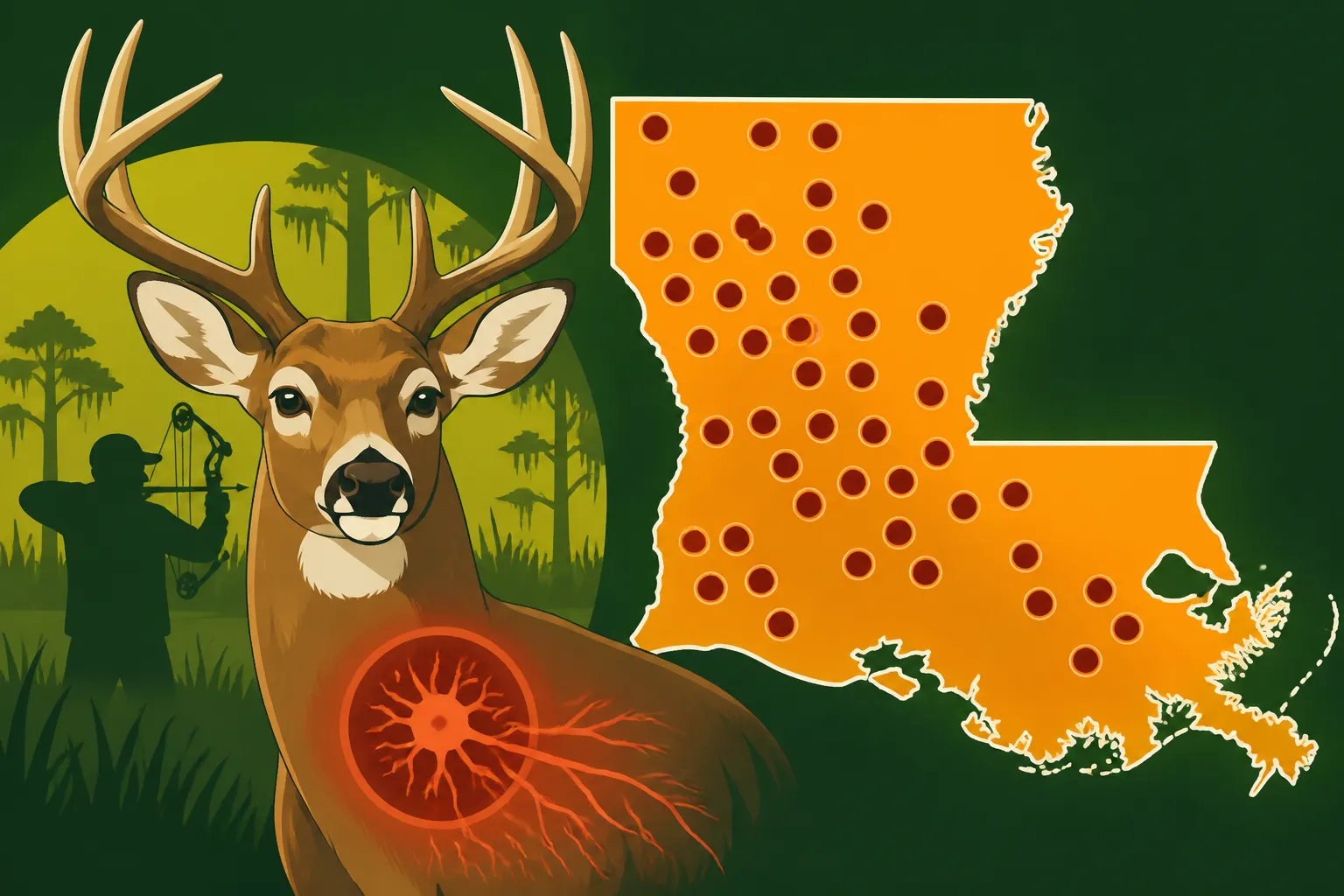
Louisiana's first confirmed case of CWD was announced in January 2022, in a deer harvested in Tensas Parish. This immediately put the entire hunting world in Louisiana on alert. For years, the Louisiana Department of Wildlife and Fisheries (LDWF) had been actively testing deer across the state, hoping to catch any sign of the disease early. When that positive test finally came back, it triggered a rapid response and ushered in a new era of deer management in the state. Since then, the number of confirmed cases has unfortunately grown. The disease has continued to be detected primarily in Tensas Parish, but has also shown up in neighboring parishes, indicating the challenges of containing its spread. As of late 2023 and early 2024, the total number of confirmed cases has indeed reached over fifty-five, concentrated heavily in the northeast part of the state. You can find out more about How CWD Reached Tensas Parish in our detailed discussion on the topic.
Geographic Concentration of Cases
The vast majority of Louisiana's CWD cases have been found within a relatively tight cluster in the northeast region, specifically centered around Tensas Parish. This concentration is both a blessing and a curse. It's a blessing because it indicates the disease isn't widespread across the entire state, allowing management efforts to be focused. However, it's also a curse because it shows the disease is stubbornly entrenched in that specific area. Adjacent parishes, particularly in the northeast, have also seen positive cases, underscoring the challenge of limiting spread in contiguous deer habitat.
The LDWF has clearly defined these areas as CWD Management Zones, which come with their own set of rules and regulations designed to slow the spread. Understanding where these zones are and Why Tensas Parish Drives Louisiana's CWD Count is crucial for any hunter in the region. This regional focus on CWD management highlights the importance of hyper-local knowledge when planning your hunts and complying with regulations. It’s a stark reminder that what happens in one parish can have significant implications for the deer herd and hunting opportunities nearby.
Navigating CWD Zones and Regulations
The moment CWD cases were confirmed, the LDWF had to spring into action, implementing new rules and regulations to try and manage the situation. These aren't just suggestions; they're legal requirements designed to protect the broader deer population, and it's essential for every hunter to understand and follow them. It can feel like a lot to keep up with, especially when you're just trying to enjoy your time in the woods.
Understanding Enhanced Mitigation and Buffer Zones
To address the CWD threat, the LDWF established specific CWD Management Zones. These zones are typically split into two categories: Enhanced Mitigation Zones and Buffer Zones. The Enhanced Mitigation Zone is the bullseye, the area where CWD has been directly detected. Here, the regulations are the most stringent, aimed at aggressively monitoring and mitigating the disease. This typically includes a ban on baiting and supplemental feeding, mandatory CWD testing for harvested deer, and strict carcass movement restrictions. The idea is to reduce deer congregation at artificial feed sites, which can increase disease transmission, and to gather as much data as possible through testing.
The Buffer Zone surrounds the Enhanced Mitigation Zone, acting as a protective perimeter. While the rules here might not be as strict as the mitigation zone, they still involve significant changes for hunters. Often, baiting might be restricted or completely prohibited, and carcass movement might still be limited, though perhaps with fewer restrictions than the core zone. The goal of the buffer zone is to prevent the disease from spreading further into unaffected areas. Knowing which zone you're hunting in is paramount, as the rules can differ significantly. Our guide to Louisiana's Chronic Wasting Disease Zones offers a deeper dive into these specifics. It can feel overwhelming, but tools like the LDWF's online maps, and even mapping apps like GoHunt, can help you visualize these boundaries clearly on your phone or computer, making it easier to plan your hunts legally and responsibly.
Carcass Movement and Baiting Restrictions
These new rules hit us hunters where it counts: how we process our deer and how we attract them. When you harvest a deer within a CWD Management Zone, particularly the Enhanced Mitigation Zone, you cannot simply take the whole carcass out of that zone. The regulations for Louisiana Carcass Movement Restrictions are designed to prevent the physical spread of prions to new areas. This means you'll likely need to debone your deer or process it down to specific cuts of meat before leaving the zone. The skull plate (for antlers) and clean hide are usually permitted, but no brain matter or spinal cord material should leave the area. This requires extra effort and preparation in the field, sometimes changing the entire logistics of a hunt, especially for those who travel from outside the CWD zones to hunt there.
Baiting and supplemental feeding restrictions are another major shift. In CWD zones, the practice of using corn, minerals, or other attractants to draw deer in is often prohibited. This is because high concentrations of deer at bait sites can accelerate the spread of CWD by increasing direct contact and contaminating the ground with prions. For many hunters, baiting has been a long-standing tradition or a key part of their hunting strategy. Adapting to these bans means rethinking how you scout and hunt, focusing more on natural food sources, funnels, and bedding areas. It's a tough pill to swallow for some, but it's a critical measure in the fight against CWD.
Here's a quick reference table for the main rules in each zone:
| Zone Type | Baiting/Feeding | Carcass Movement Out of Zone | Mandatory Testing |
|---|---|---|---|
| Enhanced Mitigation | PROHIBITED | Strictly Restricted (Deboned/Processed Only) | YES (Specific Hunts/Areas) |
| Buffer Zone | Restricted/Prohibited (Check Current Regs) | Restricted (Check Current Regs) | Voluntary (Recommended) |
| Unrestricted Area | Permitted (Check Local Ordinances) | No Restrictions (Normal Rules Apply) | Voluntary (Recommended) |
Always consult the latest LDWF regulations pamphlet or website for the most current and specific rules, as these can change.
Testing and Reporting: How Hunters Play a Role
As hunters, we're on the front lines, and our cooperation is absolutely vital in managing CWD. The LDWF relies heavily on hunters for surveillance and data collection. It can feel like an extra burden after a successful hunt, but every sample submitted is a piece of the puzzle, helping wildlife biologists understand the disease's prevalence and spread.
Mandatory and Voluntary CWD Testing
Within the Enhanced Mitigation Zone, and sometimes in specific hunts within buffer zones, CWD testing for harvested deer becomes mandatory. This means that if you're lucky enough to harvest a deer in one of these areas, you'll be required to submit a sample for CWD testing. The process usually involves taking the deer's head to an official LDWF sampling station or a designated taxidermist or processor. While it adds a step to your post-harvest routine, it's a direct way you contribute to the overall health of the deer herd. The LDWF has worked to make this process as straightforward as possible, recognizing the importance of hunter compliance.
Even outside of mandatory zones, voluntary CWD testing is strongly encouraged across the state. If you harvest a deer anywhere in Louisiana, especially if the animal looked sickly or emaciated, submitting a sample is a responsible choice. This provides valuable baseline data and helps track the disease's potential movement. You can learn more about Louisiana CWD Testing for Hunters and how to submit samples, including self-sampling options if available, by visiting the LDWF website. Tools like GoHunt can even help you pinpoint the nearest sampling station, saving you time and hassle after a long day in the field.
Submitting Samples and Checking Results
Once you've harvested a deer in a CWD zone, the process for submitting samples usually involves specific steps. You'll need to remove the deer's head and often tag it with your license information. Then, you transport it to an official LDWF sampling station, which might be a designated drop-off freezer, a wildlife office, or a participating taxidermist or meat processor. At the station, trained personnel will collect lymph node tissue from the deer's neck, which is then sent to a lab for analysis.
After submission, hunters are typically given a unique ID number that allows them to check their deer's CWD test results online. This can be a tense wait, as you hope for that "not detected" result. It's important to understand that results can take several weeks, so patience is key. While waiting for results, the LDWF often advises holding off on consuming the meat, especially from mandatory testing areas. This is a crucial part of the Louisiana Deer Reporting Requirements, ensuring that all harvested deer are accounted for and that CWD surveillance is comprehensive. The LDWF portal for checking harvest and test results is an invaluable resource for hunters in these times.
Impacts on Deer and Hunting Culture
CWD isn't just a biological issue; it's a social and cultural one. Its presence forces us to re-evaluate our long-held traditions and adapt to a new reality in the woods. The emotional toll on hunters is real, as are the practical changes to how we pursue game.
Long-Term Effects on Deer Populations
The long-term effects of CWD on Louisiana's deer populations are a serious concern. While the current number of cases is relatively small compared to the overall deer herd (which you can learn more about in Louisiana Deer Population Estimate), the experience of other states shows that CWD, if left unchecked, can lead to significant declines in deer numbers. It's a slow-moving epidemic, gradually increasing prevalence in affected areas, leading to lower fawn survival, reduced reproduction, and ultimately, fewer adult deer. This can alter the age structure and health of the herd, impacting antler quality and overall population dynamics.
The LDWF's aggressive management strategies, including depopulation efforts in certain zones and increased harvest recommendations, are all aimed at trying to limit these long-term impacts. The hope is that by acting swiftly and decisively, Louisiana can avoid the severe population declines seen in some other states with long-established CWD outbreaks. It's a delicate balance between managing the disease and preserving a healthy, huntable deer population for future generations.
Changes to Hunting Practices and Traditions
Beyond population impacts, CWD forces a significant shift in hunting practices and even our treasured traditions. For many, deer camp is more than just a place to hunt; it's a community, a time for sharing stories, meals, and the bounty of the harvest. Now, with carcass movement restrictions and the need for testing, some of those traditions become more complicated. Field dressing and butchering might now need to happen within the CWD zone, rather than transporting a whole deer back to a central camp or processor outside the zone. This can mean investing in portable processing equipment or making arrangements with local processors who are equipped to handle game within the zone.
Baiting bans also mean a return to more traditional scouting and hunting methods, focusing on natural food sources, pinch points, and bedding cover. For hunters who've relied on bait for years, this requires a learning curve and a renewed emphasis on reading the landscape. It's a call to refine our skills, but it's also a challenge to adapt deep-seated habits. The simple joy of a successful hunt now comes with the added responsibility of CWD compliance, changing the rhythm and flow of the season for many of us.
Living with CWD: Mitigation and Future Outlook
The reality is, CWD is now a part of Louisiana's wildlife landscape. While that's a tough truth to swallow, it doesn't mean we throw in the towel. Instead, it means we commit to long-term management and adaptation. The LDWF is on the job, and hunters are crucial partners in this ongoing effort.
LDWF's Management Strategies
The Louisiana Department of Wildlife and Fisheries has implemented a multi-pronged approach to CWD management, based on the best available science and lessons learned from other states. Their strategies include enhanced surveillance through mandatory and voluntary testing, strict regulations on carcass movement to prevent spread, and targeted herd management. Within the Enhanced Mitigation Zone, this might involve increased harvest opportunities, including special antlerless seasons, to help reduce overall deer density. The rationale here is that fewer deer in a confined area can slow the rate of disease transmission.
They are also actively monitoring the spread, conducting outreach to educate hunters and landowners, and collaborating with neighboring states. Their work also extends to research, constantly learning more about how CWD behaves in Louisiana's unique ecosystems. This comprehensive approach, guided by biological expertise, is our best defense against the disease escalating. The LDWF’s efforts are constant, adapting as new information and cases emerge, always with the goal of protecting Louisiana's wildlife resources.
The Hunter's Role in Long-Term Mitigation
As hunters, our role in long-term CWD mitigation cannot be overstated. We are the eyes and ears in the field, often the first to notice changes in deer behavior or health. The most important things we can do are:
- Stay Informed and Comply: Regularly check the latest LDWF regulations, especially if you hunt near or within a CWD Management Zone. Adhering to baiting bans, carcass movement restrictions, and testing requirements is non-negotiable.
- Report Sick Deer: If you see a deer exhibiting symptoms of CWD (emaciation, drooling, unusual behavior, stumbling), report it immediately to the LDWF. Don't harvest it; let the experts investigate.
- Participate in Testing: Whether mandatory or voluntary, submit samples from your harvested deer. This data is invaluable for tracking the disease. Remember, The Louisiana Deer Reporting Deadline applies to all harvested deer.
- Practice Responsible Carcass Disposal: If you process your deer at home, especially outside a CWD zone, responsibly dispose of any high-risk parts (brain, spinal cord, lymph nodes) in a landfill, not just back in the woods. This helps prevent environmental contamination.
- Clean Your Equipment: Ensure your hunting gear, especially anything that contacts deer tissue, is cleaned thoroughly after each hunt.
Living with CWD means an ongoing commitment from every one of us who cherishes Louisiana's hunting heritage. It's about being responsible stewards of our wildlife and adapting to ensure that deer hunting remains a vibrant tradition for generations to come. While it's a serious challenge, through collective effort and vigilance, we can help preserve the health of our deer herds and the future of hunting in our beloved Louisiana.
Disclaimer
The information provided in this article is for general guidance and informational purposes only. Hunting regulations, CWD management zones, and testing protocols are subject to change. Always consult the latest official regulations from the Louisiana Department of Wildlife and Fisheries (LDWF) before engaging in any hunting activities.