Louisiana Turkey Roost Tree Preferences
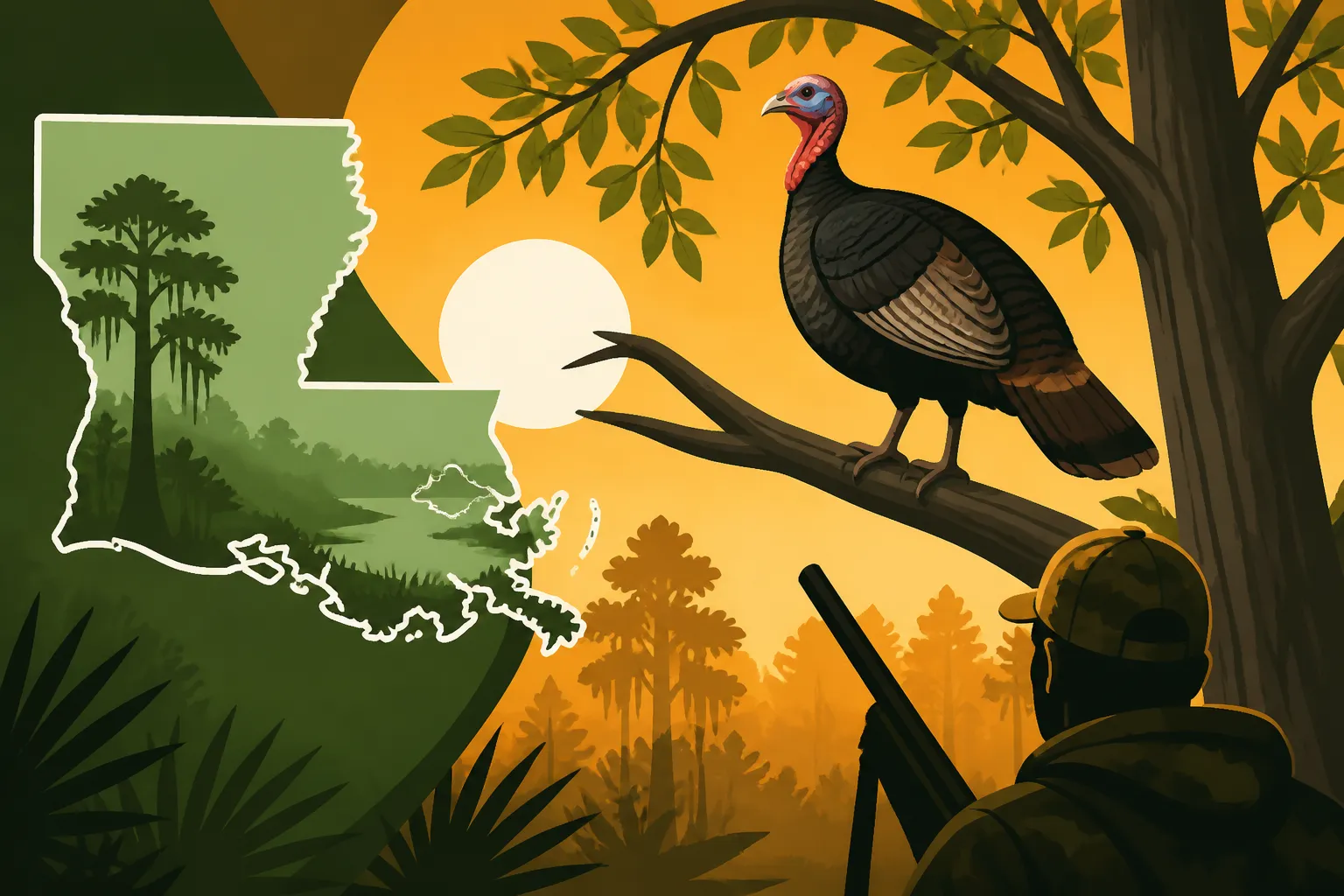
Ever spent hours tramping through the Louisiana woods, squinting at every tree, wondering where in the world those wily gobblers are roosting? It's a common struggle, and pinpointing their nighttime hideaways is often the key to getting within striking distance. This guide will walk you through the specific types of trees and environmental factors that draw Louisiana turkeys in for the night, helping you narrow down your search and boost your spring turkey hunting success.
Understanding Why Turkeys Choose a Roost
Turkeys aren't just picking any old tree to spend the night in. Their roosting choices are deeply ingrained survival strategies, honed over generations to keep them safe from predators, comfortable through the night, and ready for a quick escape at dawn. When you're scouting, thinking like a turkey can dramatically improve your chances of finding where they settle in. It's not just about finding any tree, but the right tree with the right advantages.
Safety from Ground Predators
The number one priority for a turkey choosing a roost is safety. On the ground, they're vulnerable to coyotes, bobcats, and even feral hogs that might roam the woods at night. Getting up high puts them out of reach of most terrestrial threats. They're looking for trees that allow them to ascend cleanly and without much fuss, often preferring taller trees that offer a good vantage point.
Imagine a group of hens and gobblers in a thick bottomland. They won't choose a short, bushy sapling next to a well-used game trail. Instead, they'll seek out the tallest, most accessible hardwoods or pines that give them clearance from the undergrowth and a clear view of their surroundings as they fly up. The higher they get, the safer they feel from curious noses and prying eyes below. This is particularly true in areas with dense predator populations.
Clear Fly-Up and Fly-Down Lanes
Another critical factor is the ability to easily fly up to the chosen limb and, just as importantly, fly down safely at first light. Turkeys are big birds, and while they can be powerful fliers, they need a relatively unobstructed path. This means they often avoid dense canopy areas where limbs are interwoven or trees are packed too tightly together.
Think of it like a runway for an airplane. They need a clear approach and departure. A turkey won't want to fight through a tangle of vines or brush just to get to its perch. This usually leads them to select trees with more open understories or those on the edge of a clearing, field, or water body. When they pitch down in the morning, they want to land in an area where they can quickly assess their surroundings for danger before hitting the ground. Many hunters use mapping applications like GoHunt to zoom in on aerial imagery and identify these potential "runways" and open areas near tall timber.
Thermal Regulation and Comfort
While safety is paramount, comfort plays a role too. Turkeys will often pick roosts that offer some protection from harsh weather elements like strong winds, driving rain, or cold temperatures, especially during the early spring or late fall hunts. A dense canopy might be preferred on a blustery night, offering a windbreak, while a more open canopy might be fine on a calm, warm evening.
They also need limbs that are sturdy enough to support their weight without excessive swaying. A thin, flimsy branch might work for a small songbird, but a twenty-pound gobbler needs something substantial. These limbs also tend to be horizontal, offering a broad, stable platform for them to comfortably perch, often with their heads tucked under their wings. Scouting for these thick, horizontal limbs is a major clue, even if you don't find droppings right away.
Key Tree Species for Roosting in Louisiana
Louisiana's diverse habitats mean that turkey roost tree preferences can vary significantly depending on whether you're hunting the piney uplands, the dense bottomland hardwoods, or the vast cypress-tupelo swamps. Knowing what to look for in each region is crucial for successful Spring Turkey Hunting in Louisiana.
Tall Pines and Hardwoods in Upland Areas
In the piney hills and mixed forests of North and Central Louisiana, particularly areas like Kisatchie National Forest, turkeys often gravitate towards the tallest available trees. Loblolly pines are a prime candidate, with their towering straight trunks and high, open canopies. These provide excellent elevation and visibility. You'll also find them in mature oak, hickory, and sweetgum trees, especially those standing above the general canopy height.
These majestic trees often provide those critical clear fly-up and fly-down lanes, particularly if they are on a ridge, along a field edge, or overlooking a creek bottom. The ground beneath these trees might be relatively clear of dense underbrush, making it easier for turkeys to land and walk away at dawn. When scouting these areas, look for clusters of larger, older trees that stand out from the younger timber around them. Hunters often find great success targeting these taller trees on ridges, especially when looking for gobblers in areas like the Florida Parishes.
Cypress and Tupelo in the Swamps
When you venture into the sprawling swamps and wet bottomlands of South Louisiana or the Atchafalaya Basin, the preferred roost trees shift dramatically. Here, cypress and tupelo gums become the dominant choices. These trees thrive in standing water, and turkeys utilize this to their advantage. Roosting over water provides an additional layer of protection from ground predators. A coyote might patrol the edge, but it's far less likely to swim out to the base of a cypress tree just to bother a roosting bird.
Look for isolated cypress or tupelo trees, or small clusters of them, standing in deeper water along sloughs, bayous, or ponds. Their wide, spreading branches offer excellent perches. If you're floating a boat quietly at dusk or dawn, keep an eye out for the characteristic "whitewash" of turkey droppings on the cypress knees or the water beneath a potential roost. Navigating these areas for roosting birds often involves specific tactics, which you can learn more about in Basin Tactics for Louisiana Swamp Deer, as deer and turkeys often share similar travel corridors and food sources.
Sycamores and River Birches Along Waterways
Many of Louisiana's turkey habitats are crisscrossed by rivers, creeks, and smaller drainages. Along these waterways, sycamore and river birch trees frequently become preferred roost sites. Sycamores, with their striking mottled bark and often immense size, are easily identifiable and often grow to impressive heights. River birches also offer tall, sturdy perches.
These trees are attractive for several reasons: they often stand taller than surrounding vegetation, offering good visibility, and the water itself provides a barrier to predators. The smooth bark of sycamores can also make it harder for climbing predators like raccoons or snakes to reach the roosting birds. Pay close attention to bends in rivers or creek junctions where larger, older trees might be found, as these can be natural funnels for turkey movement and ideal roosting locations. Using a tool like GoHunt to trace waterways and identify large tree signatures along their banks can be a highly effective scouting strategy.
Locating Active Roosts: The Hunter's Detective Work
Finding where turkeys actually roost requires a combination of pre-season scouting, in-season observation, and a good ear. It's detective work, really, piecing together clues to figure out their nightly habits. This is where patience and persistence truly pay off.
Scouting for Droppings and Feathers
The most undeniable sign of an active roost is the physical evidence left behind. Turkeys, like all birds, defecate regularly, and a steady stream of droppings beneath a roost tree can be quite noticeable. Look for what hunters call "whitewash" – a concentrated area of white-splattered ground or leaves directly under a favored perch. These droppings are typically elongated and can be quite distinct from deer pellets or other animal scat.
Alongside droppings, you might find shed feathers, particularly larger primary or secondary flight feathers, or body feathers that have come loose during preening. Sometimes, you'll even find broken small limbs or bark dust from their powerful take-offs and landings. These clues are often best found during the late fall or winter when leaf litter is thinner, but they can still be present in the spring. Using a handheld GPS or a mapping app like GoHunt to mark these locations is essential, as turkeys often return to the same general area, if not the exact same tree, night after night.
Using Topography and Water Sources
Turkeys are creatures of habit and often use topography to their advantage. In rolling or hilly terrain, they often roost on trees situated on ridges, points, or the upper third of hillsides. These elevated positions give them a better view of their surroundings and can offer clear flight paths. Similarly, trees on the edge of major creek bottoms or river drainages are favored because they allow the birds to fly down into a food-rich area while still having the safety of elevation.
Water sources are also critical. As mentioned, trees standing in or immediately adjacent to water bodies provide an added layer of predator protection. This is especially true in the vast marshlands or flooded timber areas. When studying maps (digital or paper), identify prominent topographical features and water sources, then look for clusters of large trees that align with these preferences. Consider how turkeys might travel to and from these roosts, often following natural contours, old logging roads, or game trails. This can give you clues for your setup when Roost Hunting Louisiana Gobblers.
Listening for Evening Gobbles and Fly-Up
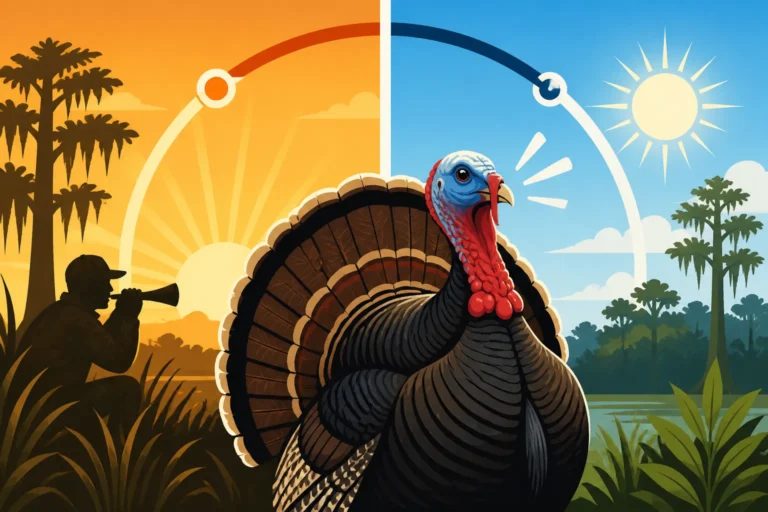
Perhaps the most direct way to locate an active roost is to be in the woods at dawn or dusk and simply listen. Turkeys are quite vocal as they prepare for bed and as they wake up. In the evening, about 30-60 minutes before dark, gobblers will often "shock gobble" from their roost before flying up. Listen for the distinctive "thump" of their wings as they ascend to their perches, followed by more soft clucking and yelping as they settle in.
Similarly, at first light, gobblers will often sound off from the limb, sometimes multiple times, before pitching down. Hens will often cluck and yelp from the roost as well. These sounds can guide you directly to the general area of the roost. The key is to be quiet and still, allowing the sounds of the woods to come to you. Once you hear them, make a mental note or mark your location, then plan your approach for the next morning or evening. Remember, when you're going in the morning, your goal is to set up within striking distance but without spooking the birds. Knowing Calling a Louisiana Gobbler Off the Roost requires understanding where they are starting their day.
Seasonal and Habitat Influences on Roosting Habits
Turkey roosting preferences aren't static; they can shift with the seasons, weather patterns, and the specific habitat you're hunting. Being aware of these dynamic factors can give you an edge in locating birds throughout Louisiana's varied turkey season.
Piney Hills Versus Bottomland Differences
The type of habitat significantly dictates roosting choices. In the dry, often pine-dominated uplands, turkeys will prioritize the tallest pines or mature hardwoods that offer height and visibility. These areas often have more consistent terrain, meaning turkeys might use similar ridge-top or hillside roosts repeatedly. Hunting North Louisiana Piney Hills often means focusing your efforts on these prominent timber stands.
Conversely, in the rich, wet bottomlands and river drainages, such as those found in the Tensas River Basin or along the Pearl River WMA, the dynamics change. Here, floodwaters can impact accessible roost sites, pushing birds to higher ground or specific trees that remain dry or are in standing water. The canopy can be much denser, forcing birds to seek out more open, individual trees or those on the edge of clearings within the bottomland. Scouting after a significant rain event can often reveal new patterns as turkeys adapt to changing water levels. The presence of water can also influence predator movement, further influencing where a turkey feels safest.
Impact of Weather and Spring Green-Up
Weather plays a major role in turkey roosting. On a cold, windy night, turkeys might seek out denser stands of evergreens or hardwoods with thicker canopies that offer better windbreaks. They might even opt for slightly shorter, but more protected, trees. On a warm, calm night, they might be less particular, perhaps choosing a more open tree on a ridge to catch a slight breeze. Heavy rains can also influence their choice, as they'll seek out limbs that offer the most shelter.
The "green-up" of spring foliage can also affect roosting. As leaves emerge, what was once a clear fly-up lane might become more obstructed. Turkeys might shift their roosts to trees with a naturally more open structure or to field edges where the forest canopy is less dense. Early in the season, before full green-up, they might use different trees than they do later in April when the woods are lush. This dynamic aspect means that scouting isn't a one-and-done affair; ongoing observation is key. If you're hunting late in the season, especially in areas with a Louisiana Turkey Area C Closing Date, consider how the dense foliage might be changing their preferred trees.
Seasonal Movement and Consistency
While turkeys are generally creatures of habit, their roosting locations can vary throughout the season based on food sources, breeding activity, and hunting pressure. Early in the season, bachelor groups of gobblers might roost together in one area, while later, as hens begin nesting, gobblers might move closer to nesting territories or roost alone, closer to where they expect to find hens at dawn. Hunting the Rut in the Early-Start Areas for deer, for example, often aligns with the period when turkeys are most actively breeding, and their roosting patterns can be more consistent as gobblers try to stay near hens.
It's rare for turkeys to use the exact same tree every single night for weeks on end, but they often utilize a small cluster of favored trees within a particular area. This means if you find one roost, it's worth checking nearby similar trees. A dedicated mapping tool like GoHunt can help you mark these potential roosting areas and track observed turkey movements, building a comprehensive picture of their seasonal habits. This kind of diligent scouting, even digitally, is a vital part of consistent turkey hunting success.
| Tree Type | Common Habitat | Why Turkeys Prefer It | Key Scouting Clues |
|---|---|---|---|
| Loblolly Pine | Upland ridges, mixed pine/hardwood forests | Extreme height, clear trunks, good visibility, sturdy | Whitewash (droppings), large feathers, broken small limbs |
| Live Oak | Transition zones, old fields, bottomland edges | Strong horizontal limbs, dense foliage for cover | Concentrated droppings, often "limb dust" on ground |
| Bald Cypress/Tupelo | Swamps, sloughs, standing water | Roosting over water for predator protection, isolated | Whitewash on cypress knees/water, distinct tree structure |
| Sycamore/River Birch | Along rivers, creeks, bayous | Tall growth, smooth bark (predator deterrent), water proximity | Droppings in/near water, distinctive bark, tall isolated trees |
| Sweetgum/Poplar | Mixed hardwoods, creek bottoms | Often taller than surrounding canopy, sturdy branches | Typical whitewash, feathers, often near food sources |
Disclaimer
This article is for general informational purposes only and does not constitute professional advice. Laws, prices and regulations vary by location and change over time. Consult a qualified professional for guidance on your specific situation.