Louisiana Wildlife Rehabilitation for Injured Game
It's truly heartbreaking to stumble upon an injured wild animal, especially one of Louisiana's magnificent game species, and feel that immediate pull to help. That instinct to care is natural, but knowing how to help responsibly, legally, and effectively can be a real challenge. This guide will walk you through the proper channels and best practices for addressing injured wildlife in our state, ensuring you do right by the animal and avoid unintended consequences.
Understanding Wildlife Rehabilitation in Louisiana
When you encounter an injured animal, it’s not always obvious what steps to take. Our hearts often tell us to rush in, but sometimes, intervention can do more harm than good, both for the animal and for you. Louisiana has specific guidelines and a network of dedicated professionals to handle these sensitive situations.
The Ethical and Legal Considerations of Intervention
First and foremost, it's vital to understand that all wild animals in Louisiana are protected by state and federal laws. This means you can't just pick one up, take it home, and nurse it back to health yourself, no matter how good your intentions. The Louisiana Department of Wildlife and Fisheries (LDWF) oversees all wildlife, and only licensed rehabilitators are legally permitted to care for injured or orphaned wild animals. This isn't just about red tape; it's about the welfare of the animal and public safety. Wild animals carry diseases that can be transmitted to humans and pets, and improper care can cause them undue stress, further injury, or even death. Trying to "rehabilitate" an animal at home often results in it becoming habituated to humans, losing its natural fear, and thus becoming unreleaseable back into the wild. This is a sad outcome for an animal that should live freely.
The ethics also lean heavily towards minimal human interference. While an animal lying on the side of the road with a broken wing or leg clearly needs help, a fawn alone in a field might not be orphaned at all. Mama deer often leave their fawns hidden for hours while they forage, returning periodically to nurse. What looks like abandonment to us is perfectly normal deer behavior. Always pause and observe from a safe distance before acting, and consider if the perceived injury is genuinely life-threatening or just a natural part of the wild lifecycle. It’s a tough balance between compassion and respecting nature’s course.
When to Contact a Rehabilitator vs. Leave Wildlife Alone
So, how do you decide when to step in? The general rule of thumb is: if an animal is clearly injured (visible broken bone, bleeding, tangled in something, hit by a vehicle), orphaned (parents clearly deceased or gone for an unusually long time, or the animal is clearly too young to survive alone and calling for parents with no response), or in immediate danger (e.g., stuck in a fence, in the middle of a busy road), then it's time to act.
However, if an animal appears healthy but is simply alone (like that fawn we talked about), or a baby bird has fallen from a nest but the nest is still accessible, it's often best to leave it be or assist only minimally (like gently placing a baby bird back in its nest if possible, watching for the parents). You should never handle an animal that could pose a threat, like a full-grown deer, a bobcat, or anything with sharp teeth or claws. Even smaller animals, when scared, can inflict painful bites or scratches. Furthermore, never approach a black bear, even if it seems injured, as they can be incredibly dangerous. Bears, though recovering in Louisiana, are wild animals. You can learn more about Louisiana's Recovering Black Bear and their range if you're out in their territory. If you believe a larger animal like a deer or bear needs help, your first call should always be to the LDWF.
Finding and Contacting a Licensed Rehabilitator
Once you've assessed the situation and determined that an animal genuinely needs help, the next crucial step is finding the right person. Louisiana has a network of licensed wildlife rehabilitators, but they are not always easy to find directly through a quick web search, especially outside of major metropolitan areas.
How the LDWF Connects Public with Rehabilitators
The Louisiana Department of Wildlife and Fisheries is your primary contact point. They maintain an updated list of licensed wildlife rehabilitators across the state. These rehabilitators are volunteers who dedicate their time, resources, and expertise to caring for injured and orphaned wildlife. When you call the LDWF, they can help you determine if an animal needs assistance and then connect you with the appropriate rehabilitator in your area who is equipped to handle that specific species. It's important to remember that not all rehabilitators can take all types of animals; some specialize in birds, others in mammals, and some in specific sizes of animals.
The LDWF often has regional offices as well, and if you're out in a less populated area, knowing which regional office covers that parish can be helpful. Many experienced outdoors enthusiasts, especially those who use tools like GoHunt to scout land and prepare for hunting seasons, might even have the local LDWF number saved in their phone contacts. If you're using a mapping application to navigate unfamiliar public land, a quick search within the app for "LDWF" might pull up relevant contact information for the nearest office. This can be crucial when you're far from a cell signal but can get a patchy connection for a call. You can find general contact information for the LDWF online, or look up their main phone numbers for wildlife emergencies. Remember, these folks are busy, so having your information ready helps them help you faster. If you're unsure about disease implications, especially with deer, calling the LDWF is critical, especially given concerns about Louisiana's Chronic Wasting Disease Zones.
Information to Prepare Before Calling
Before you even pick up the phone, take a few moments to gather some key information. This will make your call much more efficient and allow the LDWF or rehabilitator to give you the best advice.
Here's a checklist of what to know:
- Location, Location, Location: Be as specific as possible. Is it on a highway? A gravel road? A specific WMA (Wildlife Management Area)? If you have GPS coordinates from your phone or a hunting app like
GoHunt, that's incredibly helpful. Knowing the nearest town or major landmark is also crucial. - Species of Animal: Is it a deer, a squirrel, a hawk, a rabbit? Being able to identify the animal, even generally, helps determine which rehabilitator can take it.
- Description of Injury: What makes you think it's injured or orphaned? Is there visible blood, a broken limb, clear signs of distress, or does it seem disoriented? Is it a very young animal without parents in sight for an extended period?
- Time of Discovery: When did you find the animal? This helps assess how long it might have been in distress.
- Your Contact Information: Be ready to provide your name and phone number so they can reach you if needed.
- Your Availability: Can you transport the animal, or will you need assistance? Rehabilitators are often volunteers and might not be able to drop everything to pick up an animal.
Having these details on hand can make all the difference in getting timely help for the animal.
What to Do (and Not Do) When You Find Injured Game
Your immediate actions can either greatly assist an injured animal or unintentionally worsen its condition. Knowing the proper protocol for handling and temporary containment is essential for both your safety and the animal's well-being.
Safe Handling and Containment for Different Species
This is where caution becomes paramount. As tempting as it is to scoop up an injured animal, especially a small one, you must prioritize safety.
For Small Mammals (Squirrels, Rabbits, Opossums):
If the animal is small, clearly injured, and you can safely approach it without putting yourself or the animal at risk, you can attempt to contain it. Use thick gloves (gardening gloves, work gloves) to protect your hands. Gently place a box or laundry basket over the animal, then slide a piece of cardboard underneath. Or, if it's small enough, carefully scoop it into a box. The goal is to minimize stress, so avoid chasing or excessive handling. A dark, quiet box with ventilation holes is often best for transport, as it reduces visual stimulation and stress. Keep it warm, but not hot, and avoid giving food or water unless specifically instructed by a rehabilitator, as improper feeding can cause more harm.
For Birds (Hawks, Owls, Smaller Game Birds):
Similar to small mammals, containment is about minimizing stress and injury. Use gloves. For larger birds, a blanket or towel can be gently thrown over them to calm them and protect you from talons or beaks. Scoop the bird into a ventilated box. Again, darkness and quiet are key. Don't try to splint wings or force-feed. If you find a baby bird, and you're certain it's from a nest that's still reachable, gently try to return it. Otherwise, contact LDWF. You might encounter an injured bird of prey; remember they can be very dangerous, so extreme caution is advised.
For Deer (Fawns, Adults):
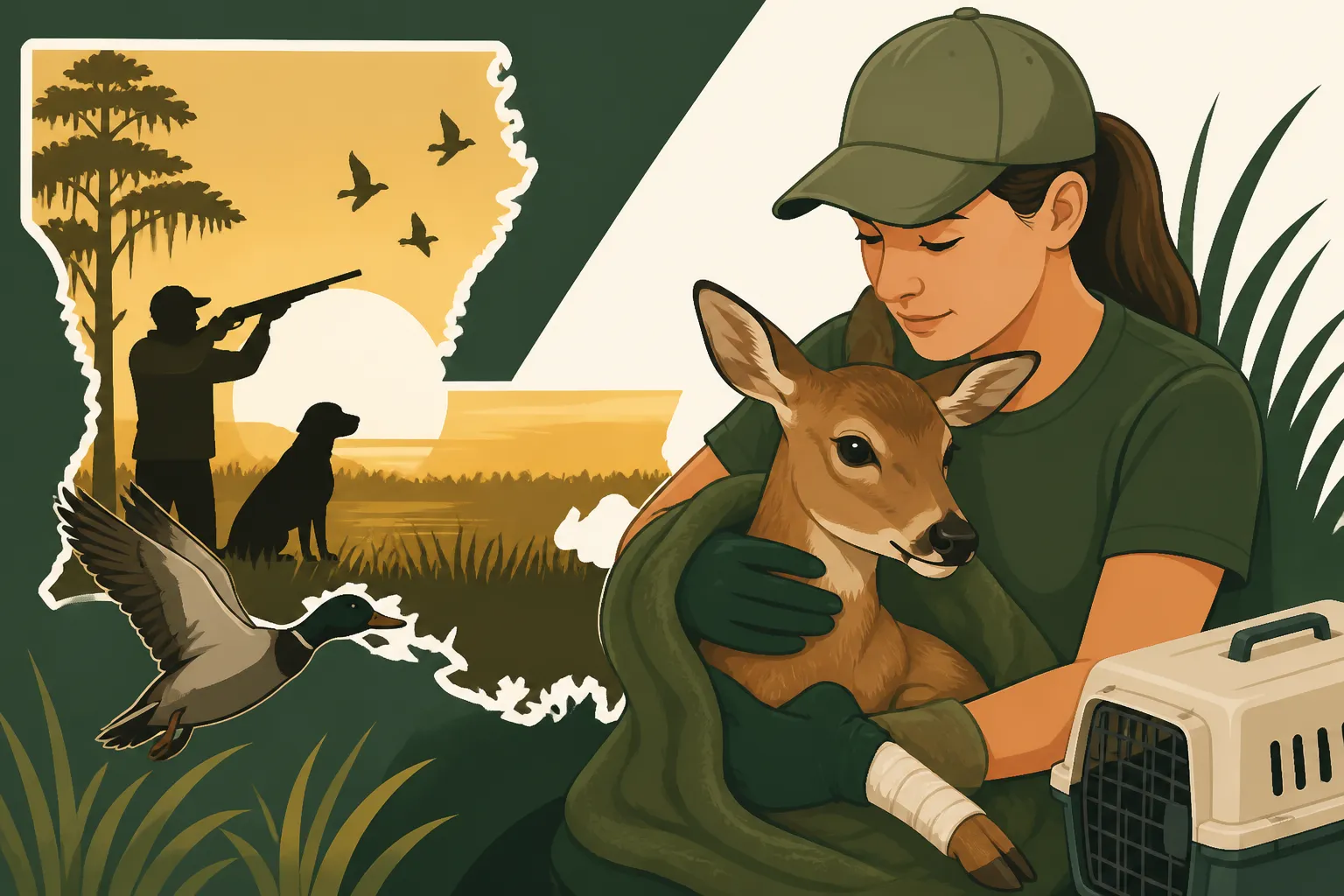
This is where the "do not intervene directly" rule is strongest. Never attempt to handle an adult deer. They are incredibly powerful, can run at high speeds even when injured, and their hooves are sharp weapons. A panicked deer can easily cause severe injury to a human. Even fawns, while seemingly delicate, can kick and struggle forcefully. If you find an injured deer, especially after a Louisiana Deer Vehicle Collisions, your only safe course of action is to contact the LDWF immediately. They will guide you on the next steps, which may involve dispatching a game warden or a rehabilitator who specializes in large animals if the injury warrants it and the animal can be safely secured. Your role here is limited to observation and reporting.
Other Game Species (Feral Hogs, Alligators):
Absolutely, under no circumstances, should you attempt to approach or handle an injured feral hog or alligator. Feral hogs are notoriously aggressive and dangerous, capable of inflicting severe wounds with their tusks. Alligators are powerful predators. If you encounter an injured animal of this nature, back away immediately and contact the LDWF. They have protocols for dealing with potentially dangerous animals. You might find yourself near an injured alligator if you're participating in Louisiana's New Recreational Alligator Season, but again, professional help is key.
Here’s a quick reference table for initial assessment:
| Animal Type | Perceived Injury/Situation | Initial Action (Do's) | Initial Action (Don'ts) | Who to Call |
|---|---|---|---|---|
| Small Mammals | Visible injury, orphaned, caught in fence | Wear gloves, gently scoop into dark, ventilated box | Give food/water, chase, excessive handling | LDWF (for rehabilitator referral) |
| Birds | Broken wing, hit window, flightless on ground, orphaned | Wear gloves, cover with towel (large birds), box | Give food/water, attempt to splint, chase | LDWF (for rehabilitator referral) |
| Deer (Fawn) | Clearly injured, deceased mother nearby | Observe from distance, avoid direct contact | Pick up if not clearly injured/orphaned, give food/water | LDWF |
| Deer (Adult) | Hit by car, visibly broken leg, tangled | Stay clear, observe from a safe distance | Approach, attempt to move or touch | LDWF, local law enforcement |
| Large/Dangerous | Alligator, feral hog, bear (any injury) | Maintain extreme distance, ensure your safety | Approach, try to contain, feed | LDWF, local law enforcement |
| Unknown Species | Animal seems sick, disoriented, or aggressive | Maintain distance, note appearance and behavior | Approach, touch, assume it's harmless | LDWF (mention potential for disease, e.g., rabies) |
Initial Care and Transport Guidelines
Once you've safely contained a small, injured animal, or determined it needs professional help and are waiting for a rehabilitator or LDWF to respond, here are some guidelines:
- Keep it Quiet and Dark: Stress is a killer for injured wildlife. A dark, quiet environment (like a covered box) helps to calm the animal and reduce further shock. Place the container in a room away from pets, children, and loud noises.
- Maintain Appropriate Temperature: Depending on the weather and the animal's condition, it might need warmth. A towel-wrapped hot water bottle or a heating pad set on low (with a towel between it and the animal) placed half under the box can provide warmth. Ensure the animal can move away from the heat if it gets too warm. Do not overheat the animal.
- No Food or Water (Unless Directed): This is critical. Many well-meaning people try to feed or water an injured animal, but this can cause aspiration, choking, or digestive issues that complicate rehabilitation. Unless a licensed rehabilitator specifically tells you what and how to offer, don't.
- Minimize Handling: Touch the animal only when absolutely necessary for containment or transport. Each interaction is a stressful event for a wild creature.
- Transport Quickly and Safely: If you are transporting the animal to a rehabilitator, drive carefully and directly. Keep the radio off or low, and avoid sudden stops or turns. Place the secured box on the floorboard of your car where it won't slide around.
Remember, your goal is to provide temporary safety until a professional can take over. Never try to be the long-term solution. If you're out in the woods and discover something concerning, using your GoHunt app to mark the location can be invaluable for directing professionals to the precise spot later. You can learn more about general hunting regulations and proper conduct from resources like Louisiana Hunter Education Requirements which emphasizes ethical behavior towards wildlife.
Common Challenges and Misconceptions
Despite our best intentions, there are many misunderstandings surrounding wildlife rehabilitation that can hinder genuine help or even lead to legal trouble. It’s important to address these head-on.
The Reality of Rehabilitation Success Rates
Many people envision a perfect scenario: find injured animal, take it to a kind rehabilitator, animal gets patched up, and then released back into the wild, healthy and happy. While this does happen, it's not always the case. Wildlife rehabilitation is incredibly challenging, and success rates, especially for severely injured animals, can be low. Rehabilitators work tirelessly, often out of their own homes and with limited funding, but they can't save every animal.
Factors affecting success include:
- Severity of Injury: A simple fracture is one thing, but internal injuries, severe trauma from vehicle collisions, or neurological damage are far more difficult, if not impossible, to overcome.
- Stress: Wild animals are not like pets. Being in captivity, even for care, is incredibly stressful for them. Chronic stress can lead to organ failure, immune suppression, and a reluctance to eat or heal.
- Species-Specific Needs: Some species are simply harder to rehabilitate than others. Highly specialized diets, unique social structures, or extreme shyness can make successful release very difficult.
- Human Imprinting: For young animals, even a short period with human caregivers can lead to imprinting, where they begin to associate humans with food and safety. This makes them unsuitable for release, as they lose their natural fear, putting them at risk from predators and humans alike.
Rehabilitators often face the agonizing decision of euthanasia when an animal's injuries are too severe, or its chances of a successful release are negligible. This isn't a failure, but a compassionate choice to prevent prolonged suffering for an animal that cannot regain a wild existence. It’s a harsh reality, but one that ensures the best outcome for the animal in a difficult situation. If you ever encounter what appears to be a sick animal, whether game or non-game, it's crucial to understand the risks and how to report it safely, as detailed in Reporting a Sick Animal in Louisiana.
Why Keeping Wild Animals as Pets is Illegal and Harmful
This might seem obvious to many, but the desire to keep a "cute" baby wild animal sometimes overrides common sense. It bears repeating: it is illegal to keep wild animals as pets in Louisiana without specific permits, which are rarely granted for common game species or even non-game wildlife. This isn't just a bureaucratic hurdle; it's a critical regulation designed to protect both the animals and the public.
Consider these harms:
- Dietary Needs: Wild animals have highly specific dietary requirements that are almost impossible to meet in a domestic setting. Feeding them inappropriate foods can lead to severe nutritional deficiencies, bone deformities, and digestive issues.
- Behavioral Problems: As wild animals mature, their natural instincts kick in. That cute baby squirrel can become an aggressive adult that bites. A "tamed" deer can become dangerous during the rut. These animals are not designed for human homes, and they will act accordingly, often with destructive or aggressive behaviors.
- Disease Transmission: Wild animals can carry parasites, bacteria, and viruses that can be transmitted to humans and domestic pets. Rabies, distemper, leptospirosis, and internal parasites are just a few examples. Protecting public health is a significant reason for these laws. You can also educate yourself on general wildlife health by reading articles such as Louisiana Wildlife Disease Monitoring.
- Legal Consequences: Getting caught with an illegally possessed wild animal can result in significant fines and legal penalties. The LDWF takes these violations seriously because of the potential harm to wildlife populations and public safety. You could face charges for Louisiana Wildlife Violation Penalties.
In summary, if you find an injured or orphaned wild animal in Louisiana, your best and only legal course of action is to contact the Louisiana Department of Wildlife and Fisheries. They are the gateway to getting the animal the professional, legal care it needs to hopefully return to its natural habitat. Respecting wildlife means giving them space and allowing professionals to handle interventions, ensuring both their safety and ours. Sometimes, the most compassionate thing we can do for wildlife is to recognize our limitations and call for help.
Disclaimer
This article is for general informational purposes only and does not constitute professional advice. Laws, prices and regulations vary by location and change over time. Consult a qualified professional for guidance on your specific situation.