How Many Alligators Live in Louisiana Marsh
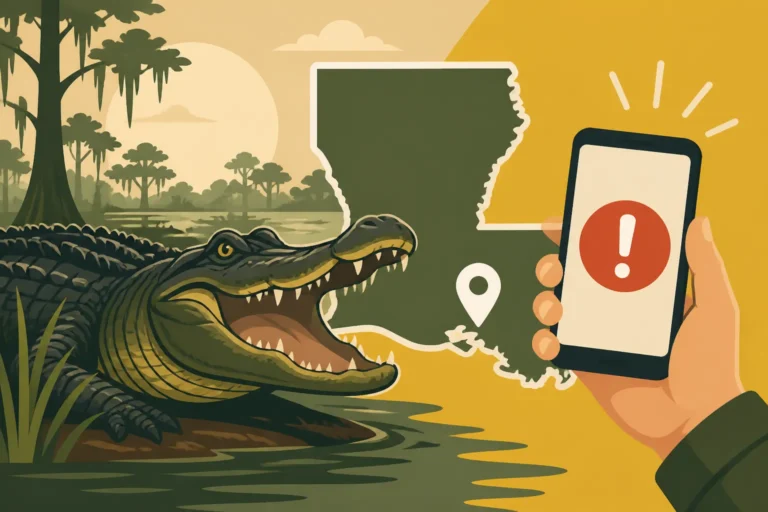
For anyone who's spent time traversing the labyrinthine waterways of Louisiana's coastal marsh, the sight of an alligator is almost as common as a cypress knee. These ancient reptiles are a quintessential part of our state's wild beauty, but have you ever stopped to wonder just how many of them truly call our vast marshlands home? It's a question many ask, and understanding these numbers helps us appreciate not only the incredible conservation success story but also the careful management that keeps this unique ecosystem thriving. This guide will delve into the methods, estimates, and factors behind the robust alligator population in our beloved marsh.
The Resurgence of the American Alligator in Louisiana's Marshes
It's hard to imagine Louisiana's marshes without the iconic alligator, but it wasn't always this way. There was a time when these magnificent creatures faced severe threats, largely due to unregulated hunting and habitat destruction. Their story is a powerful testament to what dedicated conservation efforts and thoughtful wildlife management can achieve.
A Legacy of Conservation Success
Decades ago, the American alligator was on the brink. Unrestricted hunting for their valuable hides in the early 20th century, coupled with the drainage and alteration of their natural habitats, pushed populations to dangerously low levels. Many feared the species might disappear from our bayous and marshes entirely. However, thanks to the foresight of wildlife managers and the implementation of strict protective measures, including listing them under the Endangered Species Act in the late 1960s, a remarkable turnaround began.
Louisiana was at the forefront of this recovery, pioneering sustainable management practices that combined protection with controlled harvesting once populations rebounded. This innovative approach recognized the alligator's ecological role and economic value, incentivizing landowners and communities to protect their habitat. What started as a dire conservation crisis transformed into one of the most celebrated wildlife recovery stories in North America, allowing these apex predators to reclaim their rightful place in the marsh. It really makes you proud to be a Louisianian, seeing how we managed this incredible feat. You can learn more about the broader story in American Alligators in Louisiana.
The Role of Habitat in Their Recovery
The vast, intricate network of Louisiana's coastal marsh provided the perfect stage for the alligator's comeback. This unique habitat, a mosaic of freshwater and brackish wetlands, provides everything an alligator needs: abundant prey, warm waters for thermoregulation, and dense vegetation for nesting and cover. The sheer scale and productivity of our marshlands mean there's ample room and resources to support a thriving population.
Healthy marsh ecosystems are critical for alligator survival. They rely on stable water levels, undisturbed nesting sites in higher ground areas, and a rich food web that includes fish, turtles, and smaller mammals. As conservation efforts focused on restoring and preserving these vital wetlands, alligator numbers naturally followed suit. The protection of critical areas and the implementation of sound land management practices, often in cooperation with private landowners, ensured that alligators had the prime real estate they needed to reproduce and flourish, solidifying their presence across the landscape. The health of the marsh and the health of the alligator population are inextricably linked.
Estimating Alligator Populations: More Art Than Science?
When we talk about "how many alligators" are in the marsh, it’s not as simple as doing a head count. These are wild, often elusive creatures inhabiting vast and challenging environments. Biologists employ a range of techniques, but it's important to understand the inherent difficulties in getting a precise number. It's truly more of an informed estimate than an exact tally.
Techniques for Counting These Elusive Reptiles
Wildlife biologists use several methods to estimate alligator populations. One of the most common and effective is the nocturnal spotlight survey. This involves traversing waterways by boat at night, using bright spotlights to spot the reflective eyes of alligators. The number of alligators observed, categorized by size class, is then extrapolated to estimate the population density across a given area. These surveys are often conducted along established transects year after year to track trends.
Another key component is nest surveys. Biologists locate and count alligator nests, which provides valuable data on reproductive success and the number of breeding females. This can be done via airboat or sometimes even by helicopter in very remote areas, though ground crews are still essential for detailed assessment. Hatchling counts also give insight into recruitment rates. Combining these various data points—spotlight counts, nest counts, and harvest data from the recreational and commercial seasons—allows wildlife agencies to build comprehensive population models. Programs like GoHunt often incorporate data derived from such surveys to inform their mapping and harvest strategy tools, providing valuable context for those interested in the species.
The Challenges of Marsh-Specific Surveys
Counting alligators in the marsh presents unique challenges. Unlike more open environments, the dense vegetation, intricate network of shallow bayous, canals, and ponds, and the sheer vastness of the marsh make comprehensive surveys incredibly difficult. Alligators are masters of camouflage, and large portions of their habitat are simply inaccessible by boat or even airboat. This means biologists are often surveying only a fraction of the total habitat, requiring careful extrapolation.
Furthermore, environmental conditions play a huge role. Water levels, temperature, and even lunar phases can influence alligator activity and observability during spotlight surveys. A sudden cold front or a period of high, turbid water can significantly skew results. The dynamic nature of the marsh itself—with constant changes due to subsidence, erosion, and even hurricane impacts—means that habitat quality and distribution can shift rapidly, making long-term trend analysis complex. Despite these hurdles, the dedicated efforts of the Louisiana Department of Wildlife and Fisheries (LDWF) ensure that these estimates are as robust and reliable as possible, providing the foundation for sound management. You can get a sense of how vast and challenging these areas are by looking at Hunting Louisiana's Coastal Marsh Parishes.
Diving into the Numbers: Current Population Estimates
Louisiana is undeniably the alligator capital of the world, and our marshlands are the heart of that reign. While exact numbers are impossible to pinpoint, robust estimates provide a clear picture of just how many alligators thrive in the state, particularly in our expansive coastal wetlands.
Statewide vs. Marsh-Specific Figures
The Louisiana Department of Wildlife and Fisheries (LDWF) estimates that the state is home to a staggering number of alligators, often cited in the range of 2 million wild alligators across all suitable habitats. This figure includes populations in freshwater swamps, rivers, lakes, and, most notably, the vast coastal marshes. However, it's important to understand that the majority of these wild alligators, especially the breeding populations, reside within the rich estuarine and freshwater marshes that define so much of our southern landscape.
While a precise "marsh-only" count isn't typically broken out as a standalone official number, it's widely understood that the coastal marsh accounts for the overwhelming bulk of the wild alligator population. These areas provide the ideal mix of food, water, and nesting habitat, making them prime alligator territory. The density of alligators can vary significantly from one marsh segment to another, depending on factors like salinity, vegetation type, and human activity. For a broader perspective on the species across the state, consider reading How Many Alligators Louisiana Has.
Understanding Fluctuations and Trends
Alligator populations, while generally robust, are not static. They experience natural fluctuations influenced by environmental factors. For example, severe droughts can lead to higher mortality rates for hatchlings and juveniles, as their wetland habitats dry up. Conversely, years with abundant rainfall and moderate temperatures often lead to excellent nesting success and high survival rates. Hurricanes can also have a temporary impact, dispersing alligators and altering habitats, though these animals are remarkably resilient to such events over the long term.
Long-term trends, however, show a remarkably stable and healthy population in Louisiana's marshes. This stability is a direct result of decades of proactive and adaptive management by the LDWF. Their continuous monitoring through surveys and harvest data allows them to adjust regulations as needed, ensuring that the population remains sustainable. The fact that Louisiana can support both a thriving wild population and a significant commercial alligator industry (including farming operations discussed in Louisiana's Alligator Farming Industry) speaks volumes about the health and management of these incredible reptiles.
The Marsh Ecosystem and Alligator Health
The alligator isn't just a fascinating creature; it's a keystone species in the marsh, meaning it plays a critical role in shaping its environment. The health of the alligator population is a strong indicator of the overall health of the marsh ecosystem itself.
Food Availability and Habitat Quality
A robust alligator population is a sign of a healthy and productive marsh. Alligators are opportunistic predators, and their diet reflects the abundance of prey in their habitat. They feed on a wide variety of animals, including fish, turtles, snakes, muskrats, nutria, and various birds. When these prey species are plentiful, alligators thrive. If prey populations decline, it can signal deeper ecological issues in the marsh.
Furthermore, the quality of the habitat is paramount. Alligators require specific types of marsh environments for different life stages. Nesting females need higher, drier ground in dense vegetation to build their mounds, while hatchlings and juveniles depend on shallow, vegetated waters for cover from predators, including larger alligators. Older, larger alligators often inhabit deeper pools and canals. The ongoing challenge of Louisiana Coastal Wetland Loss and Access and changes in water flow can impact these critical habitat components, emphasizing the importance of continued marsh restoration and protection efforts for all wildlife, not just alligators.
Human Interaction and Management
Human interaction with alligator populations in the marsh is multifaceted, encompassing both conservation and controlled utilization. Louisiana’s pioneering alligator management program integrates strict regulations with economic incentives. The recreational hunting season, for example, allows a limited number of hunters to pursue alligators, carefully regulated by Louisiana's New Recreational Alligator Season and specific Louisiana Alligator Zone Allocations. This not only provides a unique hunting experience but also helps manage localized populations and provides valuable data to biologists.
Commercial harvesting, which includes both wild-caught alligators and those from farms, further contributes to management by maintaining sustainable population levels and offering economic returns that support conservation. The sale of hides and meat generates revenue that is often reinvested into alligator research and habitat management. This holistic approach ensures that while humans interact with and benefit from the alligator population, the long-term health and sustainability of the species remain the top priority. It's a delicate balance that Louisiana has, arguably, perfected.
What These Robust Populations Mean for Hunters
For hunters, the sheer abundance of alligators in Louisiana's marshes is an incredible opportunity. It means that the recreational alligator season is not just a novelty but a sustainable activity, rooted in a healthy, well-managed population. This isn't about uncontrolled harvest; it's about participation in a conservation success story.
Sustaining the Recreational Alligator Season
The robust alligator population in the marsh ensures that Louisiana can continue to offer a unique and highly sought-after recreational alligator season year after year. Hunters vie for lottery tags that allow them to participate in this challenging hunt, which typically involves setting lines and later dispatching the alligator. The number of tags issued and the zones in which they are valid are carefully determined by the LDWF based on population estimates and harvest goals.
This controlled access ensures that hunting pressure remains within sustainable limits, preventing any negative impact on the overall alligator population. It’s a testament to effective wildlife management that a species once threatened can now support a thriving recreational hunt, drawing participants from across the state and beyond. For those lucky enough to draw a tag, it's an unforgettable experience that connects them deeply with Louisiana's wild marshlands. Details on how this system works can be found in resources like Louisiana Alligator Legal Methods.
Responsible Harvesting and Future Management
With such a healthy population, responsible harvesting becomes paramount. Hunters are required to adhere to strict regulations regarding legal methods, size limits, and tag use. This isn't just about following the law; it's about upholding the integrity of the conservation program. Proper tagging and reporting ensure that the LDWF collects accurate data, which is crucial for future management decisions.
Looking ahead, continued vigilance in habitat conservation and adaptive management will be key. While the alligator population is currently thriving, threats like coastal erosion and climate change constantly challenge our delicate marsh ecosystems. Maintaining healthy alligator numbers in Louisiana's marshes means continuing to invest in restoration projects, enforcing wise land use practices, and educating the public about the importance of these wetlands. Every hunter, landowner, and outdoor enthusiast plays a part in ensuring that the American alligator remains a powerful symbol of Louisiana's wild heart for generations to come. Using tools like GoHunt to understand harvest areas and regulations can make a big difference for individual hunters participating in this carefully managed process.
| Alligator Population Factors | Impact on Marsh Population | Management Consideration |
|---|---|---|
| Habitat Quality | Direct link to food, nesting, and cover availability. Optimal marsh conditions support higher densities. | Marsh restoration, wetland protection, water level management. |
| Prey Abundance | Plentiful fish, nutria, and other small game lead to healthier, more reproductive alligators. | Ecosystem health, control of invasive species like nutria. |
| Water Levels/Salinity | Affects accessibility, nesting success, and distribution. Extremes (drought/flood) can cause stress. | Monitoring environmental conditions, managing water flow in impoundments. |
| Human Activity | Hunting pressure (recreational/commercial), nuisance alligator removals, habitat alteration. | Regulated harvest seasons, educational programs, permitting systems. |
| Climate | Temperature influences hatching success and growth rates. Extreme cold can cause mortality. | Long-term climate trend monitoring, habitat resilience strategies. |
Disclaimer
This article is for general informational purposes only and does not constitute professional advice. Laws, prices and regulations vary by location and change over time. Consult a qualified professional for guidance on your specific situation.