Bears Moving Into Central Louisiana
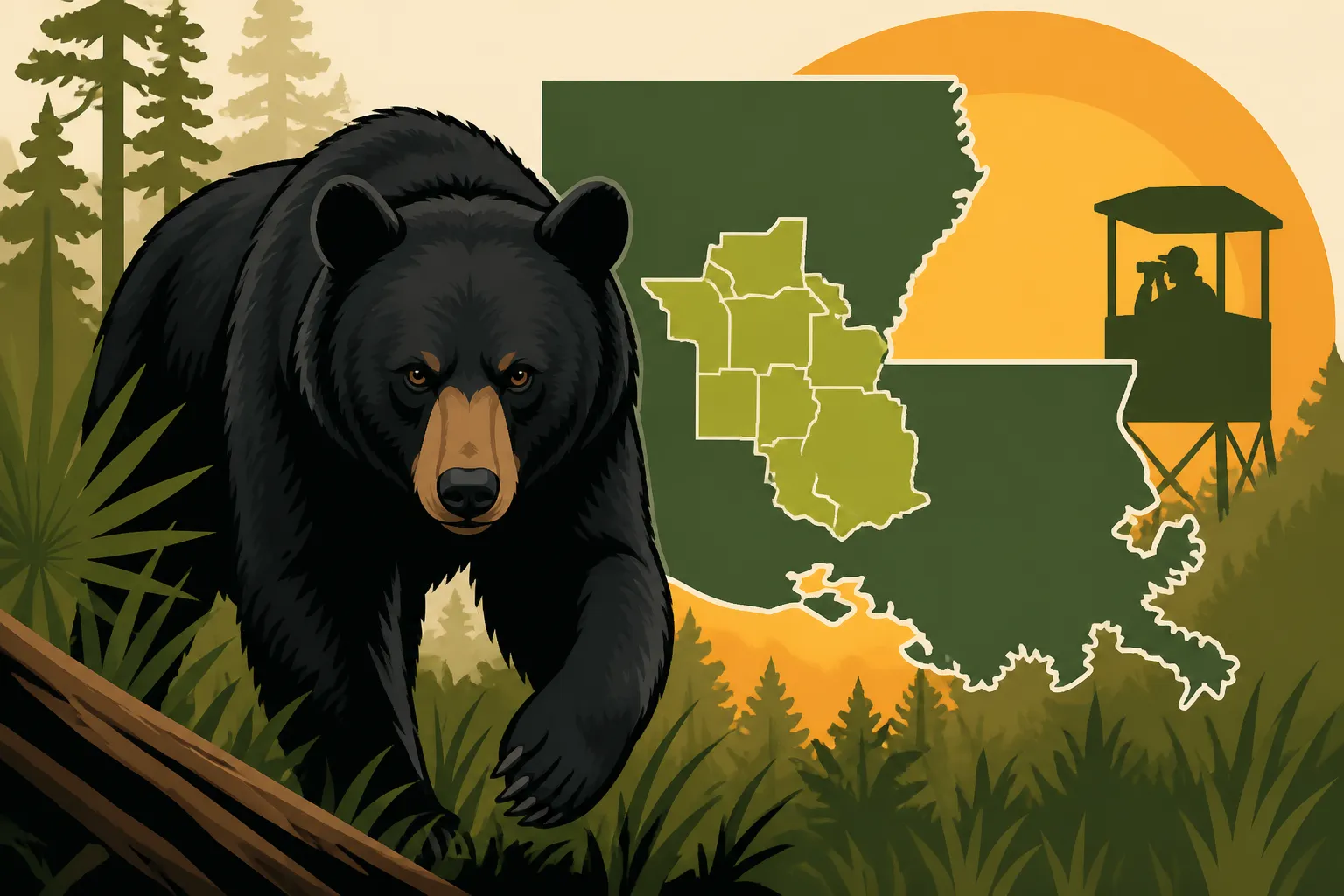
For years, encountering a black bear in Louisiana meant you were likely deep in the Atchafalaya Basin or the Tensas lowlands, true strongholds for these impressive creatures. Lately, however, folks are reporting sightings further north and west, pushing into areas like Kisatchie National Forest and even closer to settled parts of Central Louisiana. This guide will help you understand why bears are expanding their range, what signs to look for, and how to safely coexist with these magnificent animals as they reclaim more of our state.
Understanding Louisiana's Bear Comeback
It’s easy to forget that just a few decades ago, the Louisiana black bear was in dire straits, with populations dwindling to critically low numbers. Their return, and now their expansion, is a real conservation success story, but it means many residents and outdoor enthusiasts are encountering them for the first time.
Louisiana's Original Bear Range
Long before European settlement, black bears roamed almost every corner of what we now call Louisiana. They thrived in the vast bottomland hardwood forests, the cypress-tupelo swamps, and even the pine uplands. These animals were an integral part of the ecosystem, a true symbol of the wild Louisiana. However, as human populations grew, these extensive habitats were cleared for agriculture, timber, and urban development. Bears, needing large, contiguous tracts of wilderness to thrive, were pushed into smaller, more isolated pockets. This habitat loss, combined with unregulated hunting pressure, led to a dramatic decline in their numbers throughout the 20th century. By the 1980s, the Louisiana black bear was listed as a federally threatened species, a stark reminder of how close we came to losing them entirely.
You can learn more about this incredible turnaround in Louisiana's Recovering Black Bear. It’s a testament to dedicated conservation efforts that we’re even having this conversation about their expansion.
Recovery Efforts and Their Success
The designation as a threatened species kickstarted serious conservation efforts. The Louisiana Department of Wildlife and Fisheries (LDWF) worked closely with federal agencies, landowners, and conservation groups to protect existing bear populations and restore crucial habitat. This involved acquiring and managing lands, educating the public, and implementing strict regulations on any bear activity. The primary focus was on protecting the remaining bears and ensuring their breeding success. Over time, these efforts paid off. Bears began to slowly rebound in their traditional strongholds.
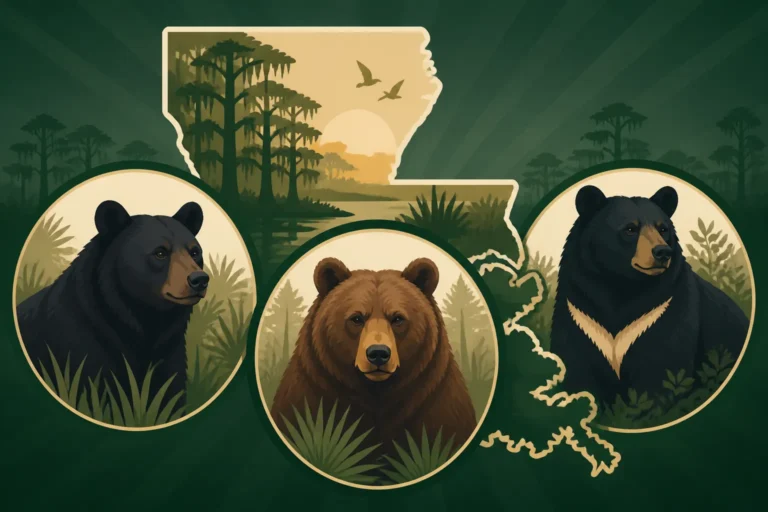
Today, Louisiana recognizes three distinct sub-populations of black bears: the Tensas River Basin population, the Atchafalaya Basin population, and a smaller, more fragmented coastal population near Terrebonne and St. Mary parishes. Each of these groups contributed to the overall recovery, and as these core populations have grown stronger, they've begun to reach their carrying capacity in certain areas. This natural process, where a thriving population begins to spread out, is a key driver for bears moving into new territories. Understanding Louisiana's Three Bear Subpopulations helps clarify the distinct groups contributing to this expansion.
Factors Driving Bear Expansion
The recent increase in bear sightings in Central Louisiana isn't just random; it's the result of several interconnected environmental and biological factors. Think of it as a natural progression once a species hits a certain population density and finds suitable pathways.
Habitat Availability and Connectivity
One of the biggest reasons for bears moving into Central Louisiana is simply that the habitat is becoming more available and, crucially, more connected. Bears are intelligent and adaptable animals, but they need large, forested areas with dense cover for bedding, foraging, and raising cubs. Central Louisiana, particularly areas bordering the Kisatchie National Forest and the many river corridors like the Red River and its tributaries, offers significant tracts of suitable woodland. These river systems act as natural travel corridors, providing cover and often rich food sources like acorns, berries, and insects.
Imagine a young male bear, perhaps two or three years old, striking out from the dense woods of the Atchafalaya Basin or the Tensas River Bottoms. He’s looking for his own territory, free from the dominant males of his birth area. If he follows a river system, he’s got cover, water, and food along the way. These natural highway systems make it easier for bears to disperse into areas that might have seemed isolated just a few decades ago. As forests recover and fragmented tracts are reconnected through conservation easements or improved land management, these "stepping stones" for wildlife become more plentiful. This is why we see them pushing into places that haven't hosted a consistent bear population in generations.
Population Growth and Dispersion
It's a simple truth of wildlife management: as a population grows and thrives, its members will naturally begin to disperse. Louisiana's core bear populations, particularly in the Tensas and Atchafalaya Basins, have seen significant growth. The Tensas Basin bear population and The Atchafalaya Basin Bear Population are vital nurseries for the species. With more bears being born and surviving, competition for food and territory increases.
Young male bears, in particular, are notorious for wandering far and wide in search of new turf or mates. They'll often travel dozens, even hundreds, of miles from where they were born. These are the bears most likely to be sighted in unexpected places, exploring new frontiers. While female bears tend to stay closer to their maternal range, a strong year of cub production can eventually lead to greater pressure on existing territories, prompting some females, or their offspring, to also seek new areas. This natural dispersion is exactly what biologists hoped for during the recovery process, even if it brings new challenges for human communities. The fact that we're seeing How Many Black Bears Louisiana Has today is a testament to the success of these efforts, and a direct reason for their spread.
Food Sources and Human Influence
Bears are opportunistic omnivores, meaning they'll eat just about anything they can get their paws on. Their diet shifts with the seasons, from fresh greens in spring to berries and insects in summer, to the all-important acorns in fall. However, bears are also incredibly smart and quick to learn where easy food can be found. And unfortunately for them (and us), human environments often present a veritable smorgasbord.
When bears venture into new areas, especially those bordering human habitation, they can quickly discover readily available food sources like unsecured garbage, pet food left outdoors, bird feeders, unpicked fruit from orchards, or even vegetable gardens. A bear's sense of smell is legendary, far superior to a bloodhound's, and a dumpster full of leftovers or a bowl of dog kibble can be an irresistible beacon. Once a bear associates humans with easy food, it can become habituated, leading to increased conflicts and, tragically, a greater risk for the bear. This makes managing attractants incredibly important as bear populations expand into Central Louisiana.
What to Expect in Central Louisiana
As these magnificent creatures reclaim more of their historic range, it’s important for residents and outdoor enthusiasts in Central Louisiana to understand what their presence means and how to adapt. This isn't just about avoiding conflict; it's about learning to share the landscape.
Signs of Bear Presence
You might not see a bear directly, especially at first. They are often shy and avoid humans. However, they leave behind plenty of clues. Learning to recognize these signs can help you be more aware of your surroundings, especially if you're hiking, camping, or hunting in areas like Kisatchie National Forest or along river bottoms.
Here's what to look for:
- Tracks: Bear tracks are distinctive. The front paw print often looks like a human foot, but with five toes and claw marks visible. The hind paw print is larger and more similar to a human foot. Look for clear impressions in soft mud or sand near waterways or game trails.
- Scat (Droppings): Bear scat varies greatly depending on their diet. It can contain berries, seeds, insect parts, or even hair if they've eaten carrion. It's often tubular and can be quite large, usually found along trails or near food sources.
- Claw Marks: Bears will often claw trees, especially pine trees, to mark territory, stretch, or access sap. Look for vertical scratches on tree trunks, sometimes quite high up. You might also find disturbed logs or stumps where they've ripped them apart looking for grubs and insects.
- Disturbed Ground: Bears are powerful diggers. They might overturn rocks, logs, or dig up roots and bulbs in search of food. Look for signs of recent disturbance on the forest floor.
- Bent Saplings: Sometimes, bears will bend or break saplings as they move through dense brush, leaving a noticeable trail.
Knowing these signs is your first line of defense in awareness. For hunters, it might inform your strategy, though remember that Louisiana Bear Season Dates are specific and limited.
Here's a quick reference table for identifying bear signs:
| Sign | Description | What it Indicates |
|---|---|---|
| Tracks | Large, five-toed prints, often with claw marks, resembling human feet. | Bear has passed through, possibly recently. |
| Scat | Varies with diet (berries, seeds, hair), tubular, can be large. | Bear is actively foraging in the area. |
| Claw Marks | Vertical scratches on trees (especially pine), disturbed logs/stumps. | Bear is using area for territory marking, foraging, or stretching. |
| Disturbed Ground | Overturned rocks, dug-up roots, ripped-apart logs. | Bear has been actively foraging for insects or vegetation. |
| Bent Saplings | Broken or bent small trees in thick cover. | Bear has recently traveled through dense vegetation. |
| Hair Rubs | Strands of coarse black hair on rough tree bark or fence posts. | Bear has rubbed against the object, possibly scent marking. |
| Active Feeding | Evidence of torn-apart beehives, raided bird feeders, or damaged cornfields. | Bear is attracted to a specific food source in the immediate vicinity. |
Increased Human-Bear Encounters
As bears move into Central Louisiana, the likelihood of encountering one increases. This isn't necessarily a bad thing, but it requires awareness and responsible behavior from both residents and visitors. Most bears want nothing to do with people and will avoid us if given the chance. However, habituated bears – those that have learned to associate humans with food – can become bolder and present challenges.
You might see bears in your backyard, especially if you live near a wooded area or a creek. They could be attracted by garbage cans, pet food, or bird feeders. Hikers, campers, and hunters in forested areas might see a bear cross a trail, or get a glimpse of one foraging in the distance. When these encounters happen, it's crucial to remain calm and follow safety guidelines. Never approach a bear, especially a sow with cubs, and always give them an escape route. Making noise as you move through dense cover can help prevent surprise encounters.
Impact on Hunting and Outdoor Recreation
For hunters and outdoor enthusiasts, the expansion of bears into Central Louisiana presents both excitement and new considerations. While it’s thrilling to know these magnificent animals are present, their hunting is very different from deer or small game. Black bear hunting in Louisiana is highly regulated and managed through a lottery system, meaning it’s not an open-season pursuit for most.
Even if you’re not planning to hunt a bear, their presence can affect other hunting activities. For instance, if you're Hunting Louisiana's Year-Round Feral Hogs, you might find bear sign at your bait site. It's important to differentiate between species and be aware of potential interactions. Hunters need to be particularly vigilant about baiting rules, as some bear management zones have specific regulations, especially regarding deer attractants. Always check current LDWF regulations for the specific area you plan to hunt. For those interested in the possibility of a bear hunt, understanding Louisiana's Reinstated Black Bear Lottery is the first step, as tags are extremely limited. Hunters also need to know important ethical considerations like Passing on a Cub or Sow With Cubs.
Coexisting with Black Bears
Living with bears in our expanding landscape requires a conscious effort from all of us. It's about taking proactive steps to minimize conflicts and ensure both human and bear safety. We want these bears to thrive, and that means being good neighbors.
Bear-Proofing Your Property
The single most effective way to avoid human-bear conflicts in residential areas is to eliminate attractants. Bears are incredibly smart and driven by their stomachs. If your property offers an easy meal, a bear will remember it and return.
Here are practical steps you can take:
- Secure Garbage: This is paramount. Use sturdy, bear-resistant garbage cans with secure lids, or store your cans in a shed, garage, or enclosed area until collection day. If you have to put them out the night before, consider bringing them in as early as possible after pickup.
- Remove Pet Food: Never leave pet food bowls outside, especially overnight. Feed pets indoors or bring bowls in immediately after feeding.
- Take Down Bird Feeders: While lovely, bird feeders are a major bear attractant, particularly during spring and summer when natural food sources might be scarcer. If you must use them, bring them in at night or use a bear-resistant design.
- Clean Grills: After grilling, thoroughly clean your grill to remove all food residue and grease. Store grills in a secure location if possible.
- Harvest Fruit/Vegetables: If you have fruit trees or a vegetable garden, harvest ripe produce regularly. Don't let rotten fruit accumulate on the ground.
- Compost Smartly: If you compost, use an enclosed, bear-resistant composter and avoid adding meat or dairy products.
- Inform Neighbors: Encourage your neighbors to also take these steps. A single unsecured food source can attract a bear to an entire neighborhood.
By implementing these measures, you make your property less appealing to bears, encouraging them to find natural food sources elsewhere and reducing the likelihood of unwanted encounters.
Safety During Outdoor Activities
Whether you're fishing, camping, hiking, or hunting in Central Louisiana, understanding how to behave in bear country is vital. Most bears will try to avoid you, but surprise encounters can happen.
- Make Noise: If you're walking through thick brush or an area with limited visibility, make noise by talking, clapping, or calling out periodically. This alerts bears to your presence and gives them time to move away.
- Store Food Properly: If camping, store all food, scented items (like toothpaste), and garbage in bear-resistant containers, hung from a tree branch (at least 10-12 feet high and 4 feet from the trunk), or in a locked vehicle. Never keep food inside your tent.
- Stay Alert: Pay attention to your surroundings. Look for bear signs, listen for unusual noises, and be aware of what’s around you, especially at dawn and dusk when bears are most active.
- If You See a Bear:
- Do NOT Run: Running can trigger a chase response.
- Stand Your Ground: Make yourself look as large as possible. Wave your arms, yell loudly, and slowly back away.
- Do NOT Make Eye Contact: This can be seen as a challenge.
- If it Charges: Most charges are bluffs. If a bear charges, stand your ground. If it makes contact, fight back. Black bear attacks are extremely rare, and they typically do not involve predatory behavior.
- Carry Bear Spray: In areas known for bear activity, carrying EPA-registered bear spray and knowing how to use it is a good precaution.
These guidelines are crucial for ensuring a safe and enjoyable experience in Louisiana's wild places, especially as we learn to share them with an increasing bear population. Always be prepared and respectful of wildlife.
Reporting Sightings and Management
If you see a bear in an unexpected area, or if you have a problematic encounter, it’s incredibly important to report it to the Louisiana Department of Wildlife and Fisheries (LDWF). These reports provide crucial data for wildlife biologists to monitor bear populations, track their expansion, and understand potential conflict hotspots.
LDWF uses this information to make informed management decisions, which can include educational campaigns, targeted habitat improvements, or, in rare cases, relocating problem bears. Your report helps them gauge Where Louisiana Black Bears Range Today and ensures that management efforts are proactive and effective. Do not assume someone else will report it. Your observation is a valuable piece of the puzzle in ensuring the continued recovery and sustainable coexistence with Louisiana’s black bears.
Disclaimer
This article is for general informational purposes only and does not constitute professional advice. Laws, prices and regulations vary by location and change over time. Consult a qualified professional for guidance on your specific situation.