The Atchafalaya Basin Bear Population
It’s no secret that Louisiana is a wild state, but for many years, the idea of encountering a black bear in the deep swamps or thick bottomlands felt like a relic of the past. Yet, the story of the Atchafalaya Basin black bear population is a testament to resilience and successful conservation, a vibrant thread woven back into our state’s rich natural tapestry, and this guide will walk you through the fascinating details of this incredible comeback.
The Atchafalaya Basin: A Black Bear Stronghold
For generations, the Louisiana black bear (Ursus americanus luteolus), a distinct subspecies, faced incredible pressure from habitat loss and unregulated hunting. By the mid-20th century, their numbers had dwindled to critical levels, and it seemed they might disappear from our landscape entirely. But thanks to dedicated conservation efforts and the sheer ruggedness of the Atchafalaya Basin, these magnificent animals have made a remarkable return, reclaiming their ancestral home in one of North America’s most unique ecosystems.
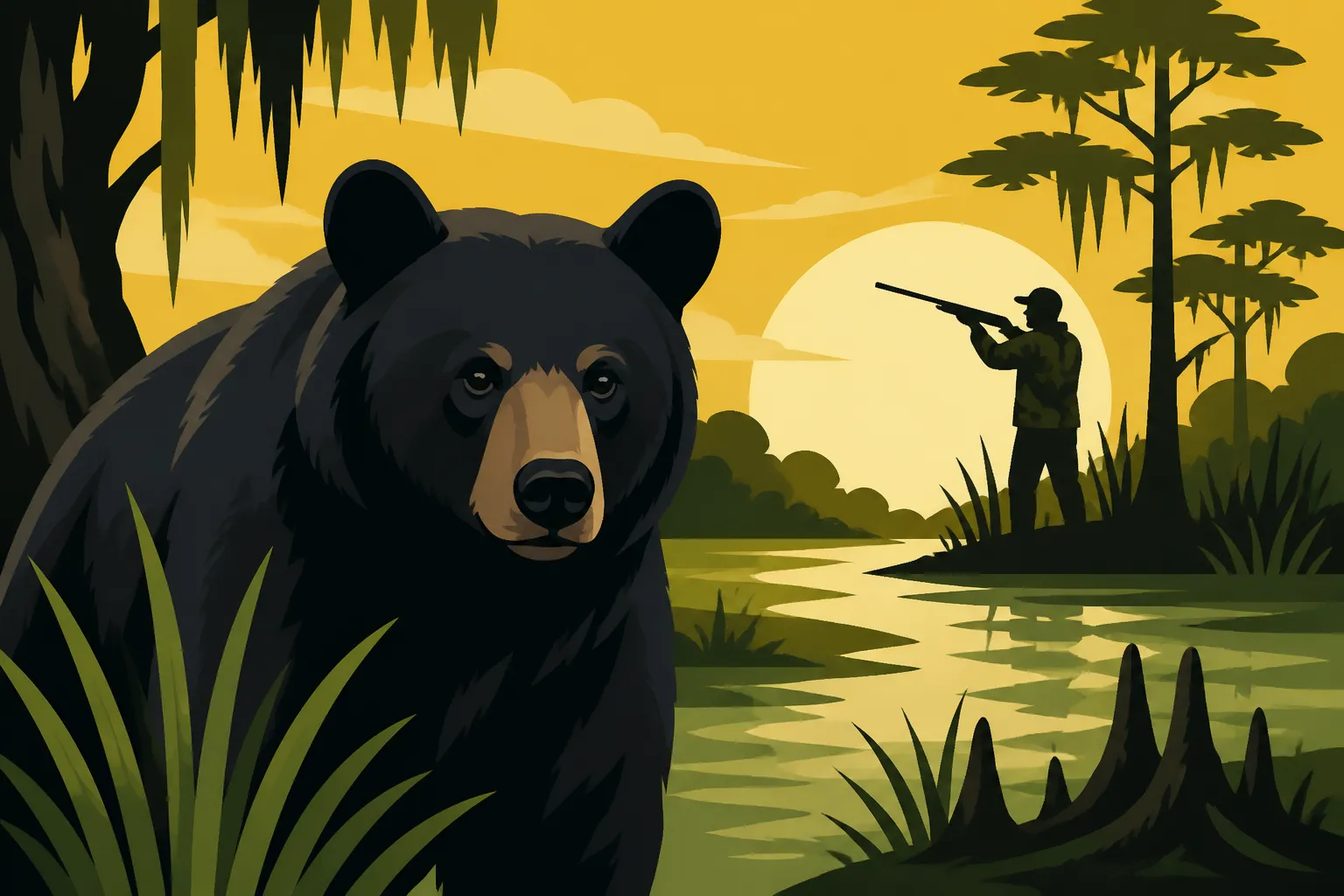
The Atchafalaya Basin itself is a mosaic of cypress-tupelo swamps, bottomland hardwoods, bayous, and lakes, a sprawling wetland wilderness that acts as a natural refuge. Its impenetrable thickets and vast, flooded forests provide ideal denning sites, abundant food sources like acorns, berries, and insects, and the seclusion black bears need to thrive. This complex environment is precisely what allowed a core population to persist when others faltered, becoming the critical anchor for the species' recovery in Louisiana. If you're interested in the broader picture of their return, take a look at our deeper dive into Louisiana's Recovering Black Bear and How Louisiana's Bear Population Recovered. It’s a truly inspiring tale of nature bouncing back.
The basin’s unique hydrology, with its seasonal flooding and intricate network of waterways, also provides a natural barrier, limiting human disturbance in many areas while offering bears safe travel corridors. They are surprisingly adept swimmers, navigating the bayous and sloughs with ease, using these aquatic pathways to access different foraging grounds and disperse across the landscape. This intimate connection between the bears and their watery home is what makes the Atchafalaya so special for them, differentiating this population from those found in the drier piney woods further north. Understanding this habitat is crucial for anyone interested in these animals, or even just general Hunting the Atchafalaya Basin opportunities.
Tracking the Numbers: Estimating the Basin's Bear Population
Estimating the exact number of black bears in the Atchafalaya Basin is a complex and ongoing challenge for wildlife biologists. Unlike deer that can often be surveyed with spotlight counts in open fields, bears in dense swamp habitat are incredibly elusive. Researchers rely on a combination of methods, including hair snares for DNA analysis, trail camera surveys, and monitoring marked individuals, to get a clearer picture of population trends and health. These efforts have shown a consistent and encouraging increase in bear numbers over the past few decades.
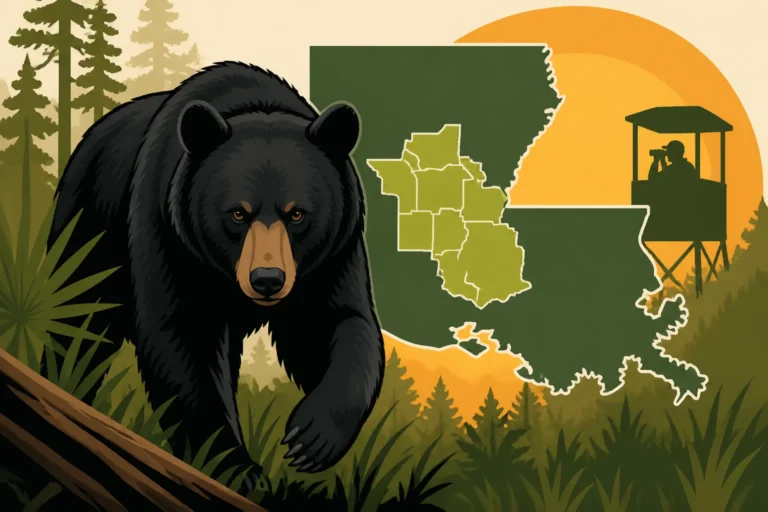
The Atchafalaya Basin represents one of Louisiana's Three Bear Subpopulations, a distinct genetic group that has adapted to the unique challenges and opportunities of the swamp environment. While the overall statewide population is recovering well, the Basin bears are considered a cornerstone, vital to the species' long-term survival in Louisiana. Their health and continued expansion are often indicators of the success of broader conservation strategies. You can learn more about Where Louisiana Black Bears Range Today across the entire state to see how the Basin's population fits into the bigger picture.
Despite the challenges of direct counting, regular monitoring suggests a robust and growing population within the Basin. This means more bears are reaching reproductive age, producing cubs, and expanding their range. While exact figures are never precise, the general trend indicates a thriving ecosystem capable of supporting these large carnivores. This success is a testament to habitat protection and thoughtful management, something the Louisiana Department of Wildlife and Fisheries (LDWF) works tirelessly on. For hunters or outdoor enthusiasts interested in understanding the terrain, tools like GoHunt can provide valuable aerial imagery and topo maps to visualize these dense habitats.
Living Alongside Giants: Coexistence and Conservation in the Atchafalaya
The recovery of the Atchafalaya Basin bear population, while a conservation triumph, also brings with it the need for careful management and respectful coexistence. As bear numbers increase and their range expands, the likelihood of human-bear interactions also rises. This means educating residents and outdoor users, especially hunters and anglers, on how to minimize conflicts and ensure the safety of both humans and bears.
Threats to the Basin's bears still exist, primarily revolving around habitat fragmentation and human encroachment. While the Basin itself is vast, surrounding areas are continually developed, creating potential conflicts as bears disperse. Vehicle collisions, for example, become a more significant concern when bears cross roads in search of new territory or food sources. Ensuring safe passage and educating the public on avoiding attractants are critical components of ongoing conservation.
The LDWF plays a crucial role in managing the Atchafalaya Basin bear population. Their strategies include public education, responding to nuisance bear calls, and conducting scientific research to inform management decisions. They’ve even reinstated a limited black bear hunting season, a carefully regulated lottery designed to manage populations in specific zones and foster public appreciation and support for the species. If you're considering being part of this management, you'll want to read about Hunting Louisiana's Reinstated Bear Season and the process of Applying for a Louisiana Bear Lottery Tag. It's a privilege and a responsibility that helps maintain healthy bear numbers and minimize conflicts.
Here's a quick overview of key conservation and coexistence tips:
| Aspect | Description |
|---|---|
| Secure Food & Waste | This is the golden rule. Bears are opportunistic. Store food, garbage, and pet food in bear-resistant containers or secured buildings. Never leave food scraps or pet food outside, especially overnight. Keep your camp clean when hunting or fishing in the Basin. |
| Be Bear Aware Outdoors | When hiking, hunting, or fishing in bear country, make noise, especially in dense cover. Carry bear spray and know how to use it. Be aware of your surroundings; signs like scat, tracks, or claw marks on trees indicate bear presence. GoHunt can assist with identifying travel corridors and dense cover areas where bears might frequent. |
| Respect Their Space | If you encounter a bear, never approach it, especially a sow with cubs. Give the bear ample space. If it doesn't notice you, back away slowly. If it does notice you, speak calmly and wave your arms to appear larger. Do not run. |
| Report Sightings | Report bear sightings or conflicts to the LDWF. This data helps biologists monitor populations and respond to issues effectively, contributing to the overall health and management of the Atchafalaya Basin bear population. |
| Hunting Season Adherence | For those participating in the bear lottery, strictly adhere to all regulations, including tagging and reporting requirements. This ensures the hunt is sustainable and contributes to conservation goals, including proper Handling a Bear After the Shot. |
By understanding the unique ecology of the Atchafalaya Basin, recognizing the signs of bear presence, and practicing responsible outdoor habits, we can all contribute to the continued success story of Louisiana’s black bears. It's about respecting the wildness that makes our state so special and ensuring these magnificent creatures continue to thrive. When scouting for deer in areas like Best Public Ground for Basin Deer, remember to be mindful of bear activity as well.
Disclaimer
This article is for general informational purposes only and does not constitute professional advice. Laws, prices and regulations vary by location and change over time. Consult a qualified professional for guidance on your specific situation.