Louisiana Turkey Harvest Numbers
Many turkey hunters in Louisiana find themselves scratching their heads each spring, wondering if the gobbler numbers are truly dwindling or if they just hit a streak of bad luck. The truth is, piecing together accurate information about harvest data, population trends, and the myriad factors influencing turkey success can be incredibly frustrating. This comprehensive guide aims to demystify Louisiana's turkey harvest numbers, offering deep insights into what these statistics genuinely signify for your upcoming spring hunting strategies, examining performance parish by parish, and exploring the elements that shape our wild gobbler populations.
Understanding Louisiana's Turkey Harvest Data
When we talk about turkey harvest numbers in Louisiana, we're not just throwing out random guesses or relying solely on anecdotal evidence from deer camps. The Louisiana Department of Wildlife and Fisheries (LDWF) puts a considerable amount of effort into collecting and analyzing this data, which in turn helps shape season structures and management plans. It’s critical for hunters to grasp how these numbers are gathered and what they actually represent, because a raw number on a spreadsheet doesn't always tell the whole story of a vibrant gobbler population or a tough season. Understanding the methodology gives us a better lens through which to view our own experiences afield.
How LDWF Collects Harvest Information
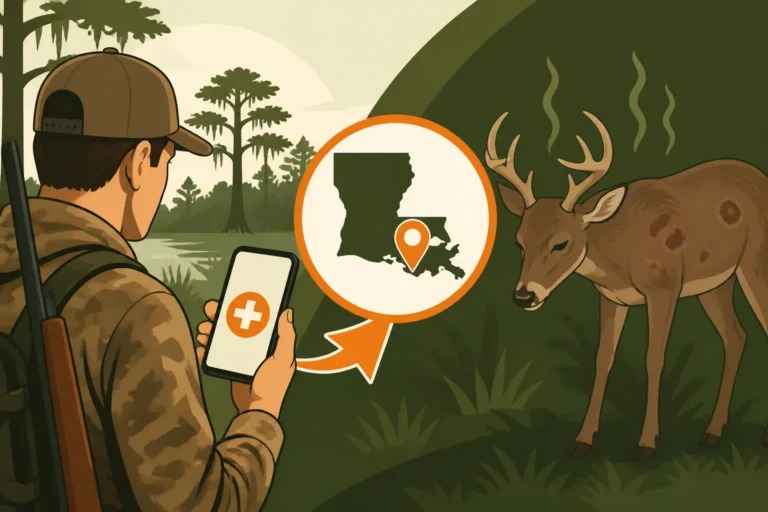
The foundation of Louisiana's turkey harvest data lies primarily in the mandatory reporting system. Every time a hunter harvests a turkey, they are legally obligated to report that kill to the LDWF. This can be done through the LDWF’s online harvest reporting system, their mobile app, or via a phone call. This system, while sometimes seen as a minor inconvenience by hunters eager to get back to camp, is absolutely vital for wildlife managers. Each reported bird provides valuable data points: the date of harvest, the parish it was taken in, the type of land (public or private), and often, details about the bird itself, such as sex and age class (adult gobbler or jake).
Imagine a scenario: you've just called in a wary gobbler in the pine hills of Grant Parish. After the shot, the adrenaline is pumping, and all you want to do is admire your bird. But before you clean it, you pull out your phone, open the LDWF app, and input the details. This seemingly small action contributes to a larger database that, over thousands of similar entries, paints a picture of the overall turkey harvest. Without this collective effort from hunters, biologists would be flying blind, unable to track trends or make informed decisions about bag limits or season lengths. The accuracy of the harvest data directly correlates with hunter compliance, making every reported bird a crucial piece of the puzzle. This rigorous data collection is what allows the LDWF to provide detailed insights into topics like Louisiana Turkey Population Trends.
Deciphering Annual Harvest Trends
Once the raw data is collected, LDWF biologists meticulously compile and analyze it to identify annual harvest trends. This isn't just about looking at the total number of birds harvested; it’s a much deeper dive. They'll look at year-over-year comparisons, parish-specific changes, and even trends within different hunting areas defined by the LDWF. For instance, they might compare the total number of gobblers harvested in Area A this spring to the previous five years, noting any significant increases or decreases. They also break down harvests by public versus private land, which can highlight pressure points or areas with exceptionally managed habitat.
What does a "trend" really mean for us as hunters? If the statewide harvest numbers show a consistent decline over several years, it’s usually a red flag indicating potential population issues. Conversely, stable or increasing numbers, especially when paired with good poult-to-hen ratios, suggest a healthy, reproducing population. However, it’s important to remember that harvest numbers are a reflection of hunter success and effort, not a direct count of the entire turkey population. A dip in harvest might be due to a particularly wet spring that kept hunters home, or it could genuinely signal fewer birds on the landscape. This is where understanding other population metrics, which we’ll discuss later, becomes essential. Tools like the GoHunt app often integrate publicly available harvest data, allowing hunters to quickly visualize these trends for specific regions as they plan their scouting and hunting trips.
Historical Overview of Louisiana Turkey Harvests
Louisiana's wild turkey story is a remarkable conservation success, but it's also a tale with fluctuating chapters. Understanding the historical context of turkey harvests helps us appreciate where we are today and why current numbers might look different from those of decades past. It’s a testament to dedicated conservation efforts, but also a sober reminder of the ongoing challenges facing wild game populations.
The Restoration Era and Peak Harvests
It's easy to forget that wild turkeys were once nearly extirpated from Louisiana. By the early 20th century, habitat loss and unregulated hunting had decimated their numbers, leaving only scattered populations in remote areas. The real turnaround began in the mid-20th century with aggressive restoration efforts, primarily through trap-and-transfer programs. LDWF biologists, often with the help of dedicated volunteers, captured wild turkeys from strongholds and relocated them to suitable habitats across the state. This initiative, detailed in guides like How Turkeys Were Restored to Louisiana, was incredibly successful.
As these transplanted populations took hold and expanded, turkey hunting opportunities blossomed. We saw a steady increase in harvest numbers through the 1970s, 80s, and 90s, often reaching peak harvests in the early 2000s. Hunters who remember those days often speak of abundant gobbling and relatively easier hunting compared to today. Seasons expanded, bag limits were generous, and the overall outlook for Louisiana’s wild turkeys was incredibly positive. These peak years are a benchmark against which current harvests are often compared, stirring discussions about population health and management strategies.
Recent Declines and Contributing Factors
Unfortunately, the last decade or so has seen a noticeable decline in statewide turkey harvest numbers compared to those peak years. This isn't unique to Louisiana; many states across the Southeast have experienced similar downward trends. For hunters, this translates to fewer gobblers heard, tougher hunting conditions, and often, more empty vests at the end of the season. It’s a frustrating reality for many who dedicate their spring mornings to chasing these elusive birds. The question inevitably arises: why?
Several complex factors are believed to be contributing to these declines. Habitat degradation is a major concern. Mature pine plantations, while great for timber, often lack the diverse understory and hardwood components that provide crucial food and nesting cover for turkeys. Increased urbanization and agricultural conversion also eat away at vital turkey habitat. Furthermore, changes in land management practices, sometimes favoring deer or timber production over turkey needs, can impact populations. Nest Predation and Louisiana Turkey Hatches is another significant factor; a healthy hatch is critical for sustained populations, and increased predator populations (like raccoons, opossums, and coyotes) can decimate nests and poults. Disease, although less documented in Louisiana than in some other states, can also play a role. LDWF continues to monitor these factors closely, working to understand the intricate balance of turkey ecology.
Parish-by-Parish Harvest Breakdown
While statewide numbers give us a broad picture, the true "ground truth" for turkey hunters often lies in the details of local harvests. Louisiana is a diverse state, from its piney hills to its hardwood bottomlands and coastal marshes, and turkey populations and hunting opportunities vary wildly across these landscapes. Looking at harvest data on a parish-by-parish basis can provide invaluable insights for planning your next spring adventure, especially if you're targeting specific areas or exploring new hunting grounds.
Top Producing Parishes for Gobblers
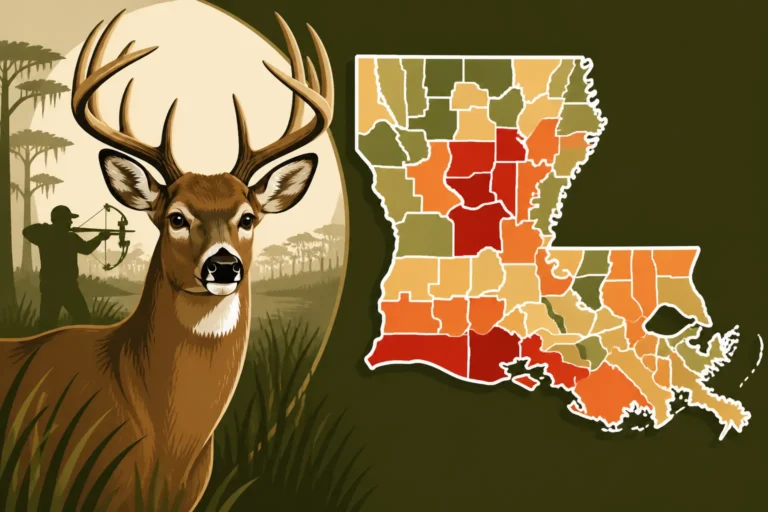
Certain parishes consistently stand out as high producers when it comes to annual turkey harvests. These are often the areas with extensive tracts of suitable habitat, a history of successful turkey restoration, and often, a mix of both public and private land where sound management practices are in place. Historically, parishes in north and central Louisiana with significant timberland and hardwood bottomlands tend to be strong performers. Areas like Union, Claiborne, Lincoln, Jackson, Winn, Grant, and LaSalle Parishes frequently report some of the highest gobbler harvests. These parishes typically feature a mosaic of pine forests, creek bottoms, and agricultural fields that provide excellent foraging and nesting opportunities.
What makes these parishes so productive? Often, it's a combination of factors: expansive blocks of contiguous habitat, lower human population densities compared to urban areas, and a tradition of landowners actively managing for wildlife. Hunters in these areas often have access to well-managed private lands or large public tracts within Kisatchie National Forest or various Wildlife Management Areas (WMAs). Knowing which parishes are consistently topping the charts can inform your scouting efforts, whether you're looking for Where Louisiana Turkeys Are Densest or simply hoping to hear more gobblers on a spring morning. Keep in mind, however, that high harvest numbers can also sometimes indicate higher hunter pressure, especially on public lands.
Identifying Low Harvest Areas and Why
On the flip side, some parishes consistently show much lower turkey harvest numbers. These areas might include the deep marsh parishes of South Louisiana, which traditionally lack suitable upland turkey habitat, or highly urbanized parishes where green space is minimal. Parishes with predominantly agricultural landscapes, lacking large tracts of timber or dense understory, also tend to have lower turkey populations and consequently, lower harvests. The Florida Parishes, for instance, while excellent for deer, sometimes present a more fragmented landscape for turkeys.
The reasons for lower harvests in these areas are often quite clear. Lack of appropriate habitat is usually the primary culprit. Turkeys require a diverse landscape: mature trees for roosting, dense understory for nesting and brood-rearing, and open areas for foraging. Without these essential components, populations struggle to establish or thrive. Additionally, some areas simply never received as many birds during the restoration era, or their habitat has deteriorated significantly over time. While a lower harvest doesn't necessarily mean there are no turkeys, it strongly suggests that hunting opportunities will be more limited, and success rates will be lower. Hunters interested in these regions might need to employ different tactics, focusing on isolated pockets of habitat or seeking specific WMA opportunities. For example, understanding Hunting Area C's Shorter Turkey Window might be crucial for success in some less productive areas.
Here's a simplified table illustrating a hypothetical parish harvest comparison (actual numbers vary annually and widely):
| Parish | Habitat Type | Average Annual Gobbler Harvest | Notes |
|---|---|---|---|
| Union | Piney Hills, Hardwood Drains | 150-200 | Consistently high producer, good public land access (WMAs). |
| Grant | Kisatchie National Forest, Pine | 120-170 | Strong population in central Louisiana. |
| Concordia | Tensas River Basin Bottomland | 80-120 | Excellent river bottom habitat, some private land focus. |
| Tangipahoa | Mixed Pine/Hardwood, Fragmented | 30-50 | Lower, but decent pockets in private land. |
| Terrebonne | Coastal Marsh, Limited Upland | 5-15 | Very low, turkeys mostly confined to isolated upland ridges. |
Factors Influencing Turkey Harvest Success
Harvest numbers aren't just a reflection of how many turkeys are on the landscape; they're also deeply intertwined with a complex web of environmental, ecological, and even human-related factors. A true understanding of turkey harvest trends requires looking beyond just the total count and delving into what actually makes or breaks a hunting season for both the birds and the hunters pursuing them. This holistic view is crucial for any serious turkey hunter trying to improve their odds year after year.
Habitat Quality and Land Use Changes
At the core of any healthy wildlife population, including wild turkeys, is robust habitat. The quality and availability of suitable habitat directly impacts a turkey's ability to nest successfully, raise poults, find food, and evade predators. In Louisiana, this means a diverse mix of mature timber for roosting, dense understory cover for nesting hens and young poults, and open areas like food plots, fields, or thinned timber for foraging. When these components are present and well-interspersed, turkey populations tend to thrive. Conversely, changes in land use that fragment or degrade this habitat can have profound effects on harvest numbers.
Consider the vast timberlands of North Louisiana. Intensive pine silviculture, where vast tracts are clear-cut and replanted in dense, monoculture pine plantations, can temporarily reduce habitat quality. While turkeys might use young clear-cuts for foraging, the lack of diverse cover and mast-producing hardwoods for prolonged periods isn't ideal. Similarly, urban sprawl encroaching on rural areas or the conversion of diverse woodlots to row crops can drastically reduce the carrying capacity of the land for turkeys. Hunters utilizing public lands like those managed by LDWF, which you can learn more about in Louisiana Wildlife Management Areas, often see the direct impacts of these habitat changes on turkey behavior and density. Staying informed about local land management practices can give you a significant edge.
Weather Patterns and Their Impact
The weather leading up to and during the spring turkey season can have an enormous, though often underestimated, impact on hunter success and thus, harvest numbers. Turkeys are sensitive to weather conditions, and unusual patterns can affect everything from gobbling activity to breeding cycles and even hunter participation. A warm, dry spring often sees more consistent gobbling, earlier breeding, and more hunters in the woods, which generally correlates with higher harvest numbers. The birds are feeling good, and so are the hunters.
However, a prolonged period of cold, wet weather can put a damper on everything. Rain can suppress gobbling, making birds harder to locate. Cold snaps can delay the onset of breeding activity, causing gobblers to be less vocal or less responsive to calls. Heavy winds make hearing distant gobblers incredibly difficult and can make turkeys skittish. Imagine a spring where it seems to rain every other day, or a late-season cold front pushes through just as you’ve got your vacation time booked. Hunters are less likely to head out, and those who do might find the birds tight-lipped. This directly impacts the number of birds taken, even if the underlying population remains healthy. The GoHunt weather forecasting tools are invaluable here, helping hunters plan their trips around favorable conditions, or at least understand why the woods might seem quiet on a particular day.
Hunter Effort and Public Land Pressure
Finally, harvest numbers are also a function of hunter effort and, particularly on public lands, hunter pressure. If fewer hunters go out, or if those who do put in less effort, the total harvest will naturally be lower, regardless of the turkey population. Economic factors, fuel prices, or even general interest in hunting can all influence overall hunter effort. For example, if gas prices skyrocket, fewer people might travel long distances to hunt, leading to localized dips in harvest data.
On public land, high hunter pressure can significantly impact success rates. Turkeys on heavily hunted WMAs quickly become "educated" – they gobble less on the roost, become extremely wary of calls, and often go silent as soon as they hear human activity. This increased wariness means fewer opportunities for hunters, and therefore, fewer birds harvested, even if there are plenty of turkeys present. Hunters who adapt their strategies, perhaps by learning Run-and-Gun Turkey Tactics on Public Land or focusing on finding less-pressured areas, often fare better. Understanding how many people are hitting the woods, and where, is a crucial piece of the harvest puzzle.
Connecting Harvest Numbers to Population Health
It's tempting to look at a decline in harvest numbers and immediately jump to the conclusion that the turkey population is crashing. While a sustained, significant drop can indeed be a cause for concern, harvest numbers alone don't paint the full picture of population health. Wildlife biologists use a variety of metrics to assess the well-being of a species, and harvest data is just one piece of a much larger, more complex puzzle. Understanding the relationship between what hunters take and the overall health of the herd is essential for informed management and realistic expectations.
Harvest Data Versus Population Estimates
The key distinction to grasp is that harvest data represents hunter success and hunter participation, not a direct census of every turkey in the state. While related, these are not the same thing. Think of it this way: if fewer people buy lottery tickets, fewer people will win, but that doesn't mean there are fewer jackpots to be won; it just means fewer attempts. Similarly, a lower turkey harvest could mean fewer birds, or it could mean fewer hunters, or a particularly challenging season due to weather, or simply more wary birds. LDWF biologists, therefore, don't rely solely on harvest data to determine population health.
Instead, they use a combination of techniques to generate population estimates. These include brood surveys (where observers count hens and their poults in summer), gobbling activity surveys, and anecdotal evidence gathered from field staff and hunters. When harvest numbers decline, biologists cross-reference this with other data points. If brood surveys show consistently poor recruitment (low Poult-to-Hen Ratios and What They Mean), then a declining harvest becomes much more indicative of a genuine population decline. If, however, brood surveys are stable but harvest is down, it might point more towards hunting conditions or hunter behavior. It's a nuanced process that requires looking at all available information.
The Role of Poult-to-Hen Ratios
One of the most critical indicators of a healthy, growing turkey population is the poult-to-hen ratio. This metric is derived from brood surveys conducted during the summer months, typically in June, July, and August. Biologists and trained volunteers observe hens and their broods, counting the number of poults seen with each hen. A high poult-to-hen ratio (for example, 3 or 4 poults per hen) indicates excellent reproductive success and strong recruitment of young birds into the population. These young birds are the future gobblers and hens that will contribute to subsequent breeding cycles and, eventually, future harvests.
Conversely, consistently low poult-to-hen ratios (1-2 poults per hen or less) are a major red flag. This suggests that hens are either not nesting successfully, or more commonly, that a high percentage of poults are dying shortly after hatching due to predation, disease, or unfavorable weather conditions. A few consecutive years of poor poult-to-hen ratios will inevitably lead to fewer jakes and adult gobblers in the woods a couple of years down the line, which then directly impacts harvest numbers. Understanding this ratio helps biologists identify potential management challenges and allows hunters to anticipate future hunting conditions. If LDWF reports poor poult survival in a given year, you can reasonably expect the hunting to be tougher in that area a couple of seasons later.
Optimizing Your Hunt Based on Harvest Insights
Gathering all this information about Louisiana turkey harvest numbers, population trends, and the factors that influence them isn't just for academic interest. For the dedicated turkey hunter, these insights are powerful tools that can be used to dramatically improve your chances of success in the field. Knowledge is truly power when it comes to chasing wary gobblers, allowing you to make more informed decisions about where and how you hunt.
Scouting Strategies in High-Density Areas
Knowing which parishes or regions consistently produce high turkey harvests, as we discussed in the parish breakdown, is an excellent starting point for your pre-season scouting. These "hotspot" areas, often identified by resources like Best Louisiana Parishes for Turkeys, are where you should focus your initial efforts. However, simply knowing a parish is good isn't enough; you need to leverage that information into effective scouting.
In high-density areas, focus on finding pockets of prime habitat that might be overlooked or less accessible to others. Look for areas with a mosaic of mature timber for roosting, dense creek bottoms for nesting, and open areas like powerline cuts or thinned pines for foraging. Use aerial maps and topo maps (many hunters find GoHunt mapping tools invaluable here) to identify potential roost sites near water sources, pinch points, and natural funnels. Listen for morning and evening gobbling from the truck, but also get out on foot. Look for fresh tracks, droppings, and dusting bowls. Don’t be afraid to put in the legwork. In areas known for good populations, even if they've seen some harvest pressure, the birds are still there; you just need to find their specific sanctuary or travel routes. Remember that even in the best parishes, specific WMA rules apply, so always consult the Louisiana Spring Turkey Season Rules and WMA-specific regulations.
Adapting Tactics for Challenging Seasons
Sometimes, despite all your research and scouting, you find yourself in a season where gobbling is sparse, or birds are incredibly cagey. This often happens after years of poor poult-to-hen ratios, or during periods of unfavorable weather, leading to lower overall harvest numbers. Instead of giving up or blaming the birds, savvy hunters adapt their tactics. This is where understanding the "why" behind lower harvest numbers really pays off.
If you suspect low bird numbers or high pressure are making birds tight-lipped, consider different calling strategies. Instead of aggressive calling that might spook wary gobblers, try softer, more subtle hen vocalizations. Focus on realism over volume. If birds aren't gobbling on the roost, don't just wait for the sun to rise; use knowledge of the terrain to anticipate their likely travel routes from roost to feeding areas. Instead of setting up right under a potential roost, back off and intercept them as they come down. Learning to Roost Hunting Louisiana Gobblers effectively, even when they're not vocal, can make a huge difference. Furthermore, consider hunting later in the morning or even mid-day when other hunters have left the woods. Often, the quieter periods can reveal birds that were pressured earlier. A challenging season forces hunters to be more patient, more observant, and more adaptable – skills that ultimately make for a more accomplished turkey hunter.
Disclaimer
Please note that hunting regulations, seasons, and bag limits are subject to change. Always consult the latest official Louisiana Department of Wildlife and Fisheries (LDWF) regulations and publications before planning any hunting trip. This guide provides general information and insights based on available data and common hunting practices.