Best Louisiana Parishes for Turkeys
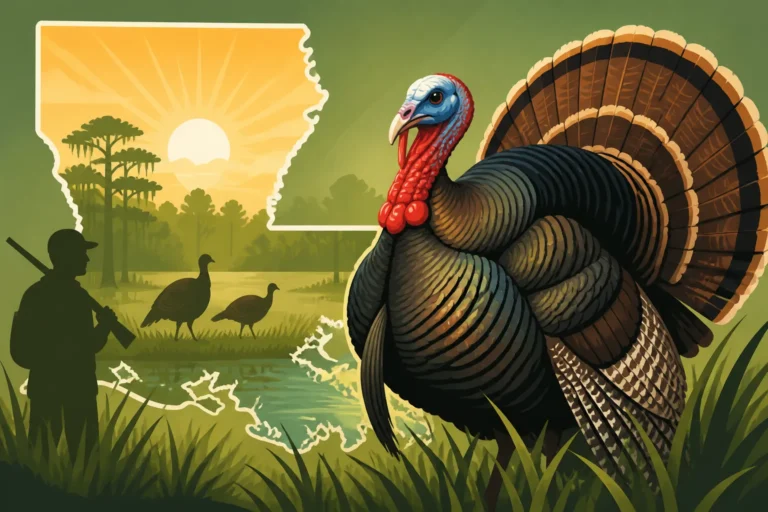
It can feel like a real wild goose chase sometimes, trying to figure out where the best turkey hunting opportunities truly lie in Louisiana. With our state's diverse landscapes, from rolling pine hills to cypress swamps, it's not always clear which parishes offer the most consistent gobbling action. This guide is here to cut through the confusion and highlight the top Louisiana parishes where you have the best chance of bagging a spring longbeard.
Understanding Louisiana's Turkey Habitat and Distribution
Louisiana might not be the first state that comes to mind when you think of classic turkey hunting, but don't let that fool you. Our state boasts a proud history of wild turkey restoration, and dedicated conservation efforts have brought these magnificent birds back from near extirpation. What you'll find here is a turkey population adapted to various environments, making scouting and understanding local habitats crucial for success. You won't find turkeys everywhere, but where you do, they thrive in specific types of cover and terrain.
One of the key things to understand about hunting here is that our turkey populations aren't uniformly distributed. While the birds themselves are incredibly adaptable, their numbers and concentrations are heavily influenced by habitat. You'll find different subspecies or strains of wild turkeys in different parts of the state, each favoring specific types of cover and food sources. This means that a strategy that works in the vast pine forests of the north might not be as effective in the mixed hardwood bottoms of central Louisiana. It’s all about knowing your area and what the local gobblers prefer.
The Role of Habitat in Turkey Success
When we talk about "best parishes," we're really talking about habitat. Wild turkeys need a mosaic of different habitat types to thrive. This includes mature hardwood forests for roosting, open understory for strutting and bugging, dense areas for nesting and brooding, and reliable food sources like acorns, insects, and agricultural fields. Without this variety, turkeys simply won't sustain healthy populations. Think about what a turkey needs day-to-day: a tall tree to fly up to at dusk, a relatively open spot to greet the morning sun, dense cover to hide from predators, and plenty to eat to fuel their demanding lifestyles.
Many of our most productive parishes offer this exact blend, often a mix of state and federally managed lands, as well as private timber company holdings and agricultural areas. The key is identifying those areas where these needs are met, and critically, where the turkey population has a chance to mature and reproduce successfully. You might hear about a buddy having luck in a particular parish, but if you dig deeper, it's often because he's found a specific tract of land that offers this ideal habitat diversity.
North Louisiana's Piney Woods and Hardwood Bottoms
When you start talking turkey in Louisiana, the conversation almost always drifts north. The northern parishes are often considered the traditional strongholds for our wild turkey populations, and for good reason. This region offers expansive timberlands, a mix of pine plantations, and significant bottomland hardwood drainages that provide ideal habitat. Think about the big tracts of land where birds can roam, breed, and find refuge. This is where many of us cut our teeth chasing gobblers.
The varied topography, from rolling hills to river bottoms, also plays a huge role. Turkeys use these elevation changes and water features for travel corridors and to escape pressure. If you're looking for consistent opportunities, especially on public land, north Louisiana is often your best bet. It requires good scouting and an understanding of how to read the landscape, but the rewards can be incredible.
North Louisiana's Gobbler Hotbeds
When it comes to consistent turkey hunting in Louisiana, North Louisiana often steals the show. The sprawling timberlands and river bottoms here provide the kind of diverse habitat that turkeys absolutely thrive in. If you're looking to consistently fill a tag, or simply enjoy some great gobbling action, this is where many seasoned hunters focus their efforts. The key is to understand the specific characteristics of these parishes and how they contribute to strong turkey populations.
Union Parish: A Northern Gem
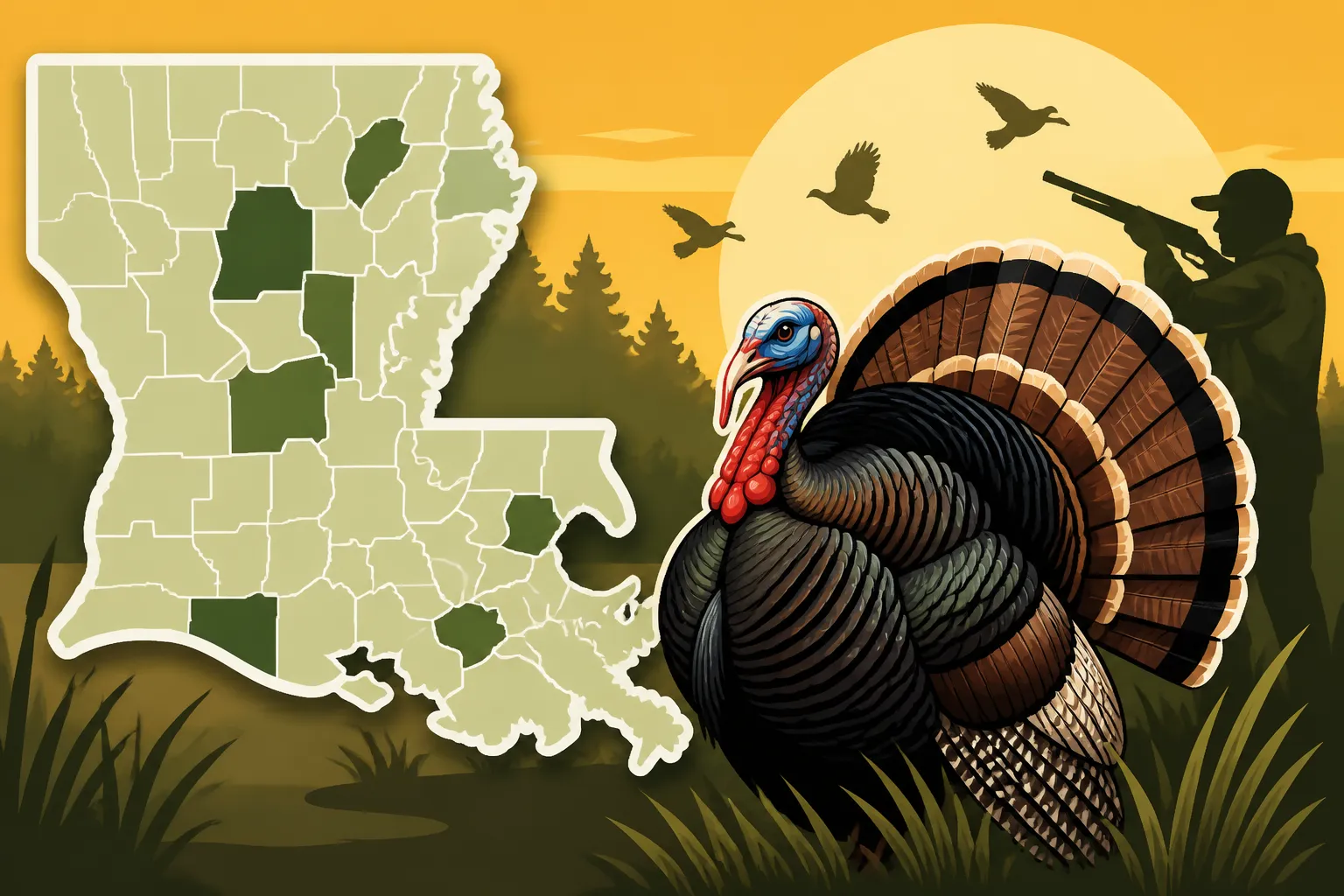
Union Parish stands out as a true gem for turkey hunters. Nestled in the rolling hills of North Louisiana, it boasts an excellent mix of mature pine forests, significant hardwood bottomlands along waterways like the Ouachita River, and scattered agricultural fields. This mosaic provides everything a wild turkey needs: ample roosting trees, open ground for strutting, dense cover for nesting, and a diverse food supply of acorns, berries, and insects. Many local hunters will tell you that the turkey population here is consistently strong, year after year.
The large tracts of timber company land and some significant public land holdings also contribute to its reputation. These areas allow birds to roam freely with less fragmentation, leading to healthier, more widespread populations. If you’re willing to put in the legwork, scouting these expansive forests, particularly near creek bottoms and ridges, can lead to incredible encounters. The gobblers here are known for being vocal, especially during prime breeding windows, making for an exciting spring experience.
Morehouse Parish: River Bottom Riches
Just to the east of Union, Morehouse Parish is another fantastic option, particularly known for its rich river bottom habitats. The Ouachita River and its tributaries create extensive hardwood forests, offering prime roosting cover and abundant mast crops. These bottomlands are critical for turkeys, providing shelter and a consistent food source through much of the year, especially during the fall and winter when mast is key. When spring rolls around, these same areas offer superb bugging and strutting grounds.
The terrain in Morehouse, while often flatter than Union, is characterized by its dense timber and intricate slough systems. This can make for challenging hunting, but it also provides refuge for turkeys from human pressure. Concentrating your efforts around these water features and the higher ground within the bottomlands can be very productive. You might find success working the edges of agricultural fields that border these river bottoms, where turkeys frequently feed in the mornings and evenings.
Claiborne Parish: Rolling Hills and Timber
Claiborne Parish offers a similar appeal to Union, with its beautiful rolling hills and extensive timber. This parish is characterized by a mix of pine and hardwood forests, creating ideal transition zones where turkeys love to hang out. The varied topography provides natural travel corridors and makes it easier for hunters to use terrain to their advantage, whether calling a bird off a ridge or setting up in a saddle. It’s a great place to practice your Rattling Volume in Thick Cover if you’re trying to draw in a wary gobbler.
What makes Claiborne stand out is its combination of large timber tracts and accessible public lands. This gives hunters a variety of options, whether they're looking for a challenging self-guided hunt or exploring opportunities on private leases. The gobblers in Claiborne are often spread out, but once you locate them, they tend to be responsive. Early morning roost hunts, especially along clear creek drainages, can be particularly rewarding. Just remember, patience and persistence are key in these big woods.
Central and Southeast Louisiana's Turkey Prospects
While North Louisiana often gets the most buzz for turkey hunting, the central and southeastern parts of the state hold their own unique opportunities. These regions, with their distinct habitats, present different challenges and rewards for the dedicated turkey hunter. Don't overlook these areas; sometimes, a change of scenery and a shift in tactics can pay off big.
Rapides Parish: Pine and Hardwood Blends
Rapides Parish, situated in Central Louisiana, offers a fascinating blend of pine uplands and hardwood creek bottoms, especially within and around Kisatchie National Forest. This diversity creates excellent pockets of turkey habitat. While the birds might not be as widespread as in some northern parishes, localized populations can be quite strong where the habitat is right. Think of those areas where mature pines meet a winding creek lined with oaks and hickories – that’s prime turkey country.
Hunting here often means navigating larger tracts of public land, which requires diligent scouting before the season opens. You'll want to focus on areas that show recent turkey sign, like tracks, droppings, and scratchings. Listening for distant gobblers at dawn in these varied landscapes is a critical first step. Hunters often find success keying in on ridges and draws that funnel birds, or finding natural openings in the timber where birds might strut. Remember, the Run-and-Gun Turkey Tactics on Public Land approach can be very effective here, covering ground until you get a response.
Washington Parish: Florida Parishes Potential
Moving southeast into the Florida Parishes, Washington Parish offers surprisingly good turkey hunting, particularly for those willing to do some homework. This area features rolling hills, mixed pine and hardwood forests, and proximity to larger river systems like the Pearl River. While historically it might not have been a flagship turkey parish, consistent habitat management and restoration efforts have led to a solid population base in many areas.
Pearl River Wildlife Management Area, partly within Washington Parish, provides significant public land opportunities, though pressure can be high. On private lands, hunters often find success in timber tracts that have been managed with turkey habitat in mind, or on lands bordering river bottoms and agricultural fields. It's an area where patience and understanding local bird movements are paramount. You might not hear as many "shock" gobblers here, but the birds that do gobble often come to the call.
Factors Beyond Parish Lines for Turkey Success
While knowing which parishes generally hold good turkey populations is a great starting point, success in the field often comes down to understanding factors that transcend specific parish boundaries. Louisiana turkey hunting, like all hunting, is about more than just location; it's about strategy, timing, and adapting to the specific conditions you encounter.
The Importance of Scouting and Local Knowledge
No matter how good a parish's reputation, effective scouting is your most valuable tool. Before you even set foot in the woods with a call, you should be out there looking for sign. This means finding tracks, droppings, feather piles, and dusting bowls. Listen for gobblers at dawn from various locations, trying to pinpoint their roosting areas. Using mapping tools like those offered by GoHunt can be incredibly helpful for identifying potential roosting areas, strut zones, and travel corridors, whether you're on public land or a private lease. These tools allow you to study terrain features, timber types, and water sources from your couch, saving you valuable time in the field.
Talking to locals, whether it's the friendly face at the gas station or another hunter you meet at the coffee shop, can also provide invaluable insights. They might offer clues about recent activity, preferred food sources in the area, or general bird patterns. Local knowledge, combined with your own rigorous scouting, will give you the best chance of encountering a gobbler, no matter which parish you choose to hunt.
| Parish | Primary Habitat Type | Public Land Access Potential | General Turkey Population Outlook | Common Challenges |
|---|---|---|---|---|
| Union | Mixed Pine/Hardwood, River Bottoms | Good | Strong, Consistent | Heavy Timber, Spaced Birds |
| Morehouse | River Bottom Hardwoods | Moderate | Good, Localized | Dense Cover, Water Barriers |
| Claiborne | Rolling Pine/Hardwood | Good | Good, Dispersed | Finding Concentration Points |
| Rapides | Pine Uplands, Hardwood Bottoms | Moderate (Kisatchie NF) | Moderate, Pockets | Pressure on Public Land, Widespread Birds |
| Washington | Mixed Pine/Hardwood | Moderate (Pearl River WMA) | Moderate, Improving | Localized Birds, Private Land Access |
Understanding Louisiana's Turkey Season Rules
Beyond where to hunt, you absolutely need to understand when to hunt and what the specific rules are for your chosen area. Louisiana's spring turkey season is divided into different areas (A, B, and C), each with its own season dates and regulations. For instance, Louisiana Turkey Area A, B and C Rules will detail the specific windows for hunting. Missing these crucial dates or misunderstanding the regulations for your specific hunting area can quickly turn a hopeful trip into a frustrating one, or worse, a violation.
Bag limits and legal shooting hours also vary, so always consult the Louisiana Department of Wildlife and Fisheries (LDWF) regulations pamphlet or their website before you head out. These details are not just suggestions; they are strictly enforced for the good of the resource and to ensure fair chase. Knowing your Louisiana Spring Turkey Season Rules is non-negotiable for a successful and legal hunt.
Managing Expectations and Enjoying the Experience
Let's be real: turkey hunting in Louisiana isn't always easy. Our birds can be challenging, pressured, and sometimes just plain quiet. There will be days when you hear nothing, days when a bird gobbles its head off but won't budge, and days when you feel like you did everything right, and it still didn't come together. It's part of the game. That's why it's so important to manage your expectations. A "best parish" doesn't guarantee a turkey in your vest, but it does increase your odds by putting you in an area with a healthy population.
The true joy of spring turkey hunting in Louisiana often comes from the experience itself: hearing that first gobble pierce the dawn chorus, watching the swamp wake up around you, or sharing a sunrise with a hunting buddy. Don't let the pursuit of a trophy overshadow the sheer beauty of being out in our incredible Louisiana wild. Even without a bird, a morning spent listening to the sounds of spring and witnessing the rebirth of the forest is a win in my book.
Disclaimer
This article is for general informational purposes only and does not constitute professional advice. Laws, prices and regulations vary by location and change over time. Consult a qualified professional for guidance on your specific situation.