How Nutria Damage Louisiana Marsh
For folks who love Louisiana's wild places, especially our precious coastal marshes, it’s heartbreaking to witness the ongoing erosion and habitat loss. We see it with our own eyes—once vibrant wetlands turning into open water, and it's not just hurricanes or subsidence to blame. There's a persistent, often unseen, force at play, literally eating away at the very roots of our ecosystem. This guide dives deep into the devastating impact of nutria on Louisiana's coastal marsh, exploring how these invasive rodents inflict damage, what it means for our wildlife and economy, and the efforts being made to fight back.
The Uninvited Guests: Nutria's Arrival and Expansion
It's a classic tale of good intentions gone wrong, or sometimes, just plain carelessness. The nutria, a large, semi-aquatic rodent native to South America, weren't always part of our bayou landscape. Their introduction, both accidental and intentional, set the stage for one of the most persistent ecological challenges our state faces. Understanding their history helps paint a picture of why they've become such a formidable foe.
Accidental Introduction and Purposeful Releases
The nutria's journey to Louisiana began in the late 19th and early 20th centuries. Initially, some escaped from fur farms in California, Oregon, and other states. However, the true population boom in Louisiana traces back to around the 1930s. Entrepreneurs, keen to capitalize on the animals' soft fur, brought them here for commercial farming. The idea was to create a lucrative fur industry, especially after the muskrat fur market suffered. Unfortunately, a hurricane in 1940, combined with general lax management, led to widespread escapes from these farms, particularly in the coastal parishes. They found our mild climate and abundant wetlands to be an absolute paradise, devoid of their natural predators from South America.
Rapid Proliferation in Wetland Environments
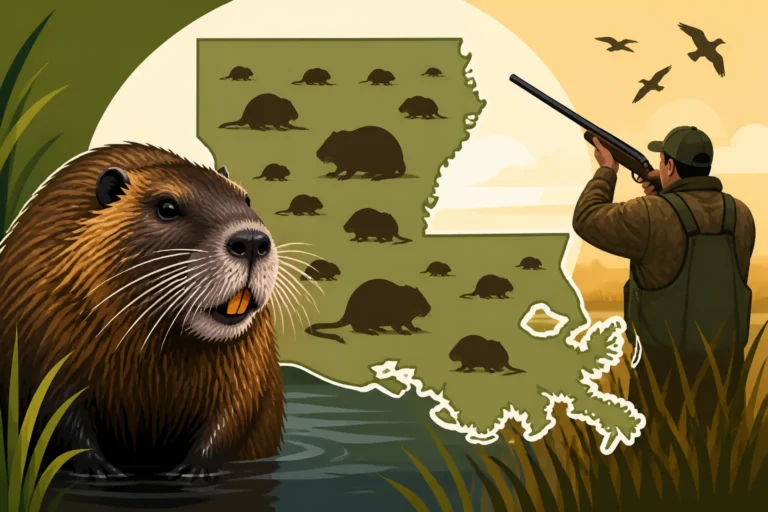
Once free, these adaptable rodents wasted no time in making themselves at home. Our marshes, with their endless supply of succulent vegetation and intricate water systems, were perfect. Nutria are prolific breeders, capable of having multiple litters a year, with females maturing quickly. This incredible reproductive rate, coupled with their hardiness, meant their numbers exploded. They quickly spread from the initial release sites, establishing populations throughout the freshwater and brackish marshes of the Louisiana coast. It didn't take long for biologists and locals to notice a drastic change in the marsh landscape, with large areas showing signs of heavy grazing and denuding. You can learn more about How Many Nutria Louisiana Has and their population trends.
Why Nutria Were Brought to Louisiana
The primary driver for introducing nutria was purely economic: their fur. At the time, there was a significant market for muskrat pelts, and when that market softened, some enterprising individuals saw nutria as a viable alternative. They believed these "river rats," as they were sometimes called, would thrive in Louisiana's wetlands, providing a new source of income for trappers and furriers. While the intentions were rooted in economic opportunity, the long-term ecological consequences were, sadly, completely unforeseen or simply underestimated. The hope was a new cash crop; the reality was an ecological disaster waiting to unfold. For a deeper dive into their history, check out Why Nutria Were Brought to Louisiana.
The Mechanics of Marsh Destruction: How Nutria Do Their Damage
It’s easy to look at a disappearing marsh and blame distant forces, but sometimes the most significant damage is done up close, by creatures you might not even realize are such powerful destroyers. Nutria are perfectly designed for this role, with their insatiable appetites and unique feeding habits that literally unweave the fabric of our wetlands.
Voracious Appetite and Root Consumption
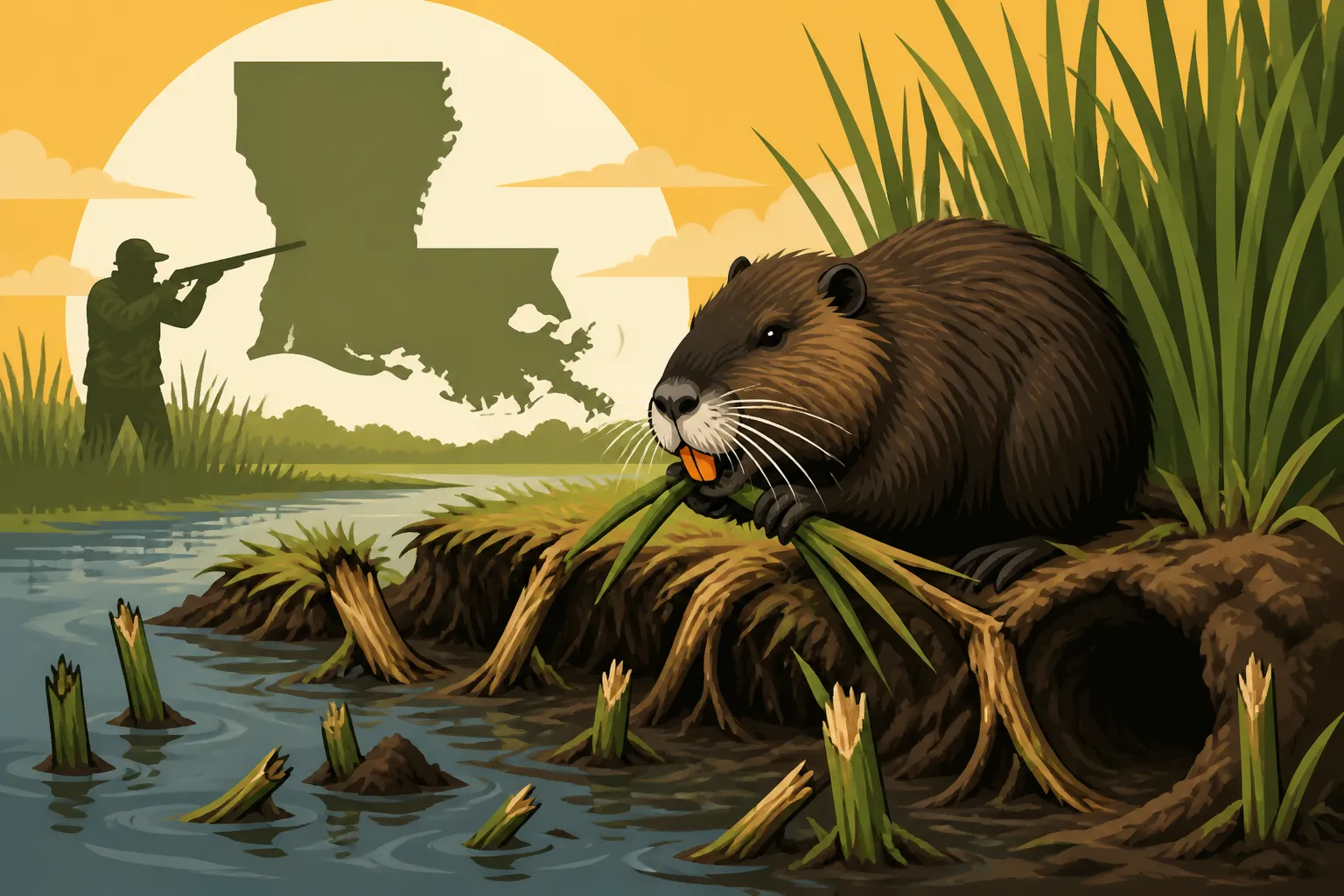
Unlike many native marsh herbivores that graze on the above-ground portions of plants, nutria are specialized root-eaters. They possess strong incisors that allow them to dig efficiently into the marsh soil, targeting the underground rhizomes and roots of vital marsh grasses like Spartina and Phragmites. These roots are the anchors of the marsh, holding the soil together and forming a dense mat that resists erosion. A single nutria can consume a tremendous amount of vegetation daily, and when you multiply that by the hundreds of thousands, or even millions, of nutria spread across the landscape, the scale of the consumption becomes staggering. It's not just nibbling; it's a systematic excavation of the marsh's very foundation.
"Eat-Outs" and Loss of Vegetative Mat
The result of this incessant root consumption is what biologists grimly refer to as "eat-outs." These are distinct, often large, patches of marsh where the vegetation has been completely removed, leaving behind bare mud flats. Without the dense root mat to bind the soil, these areas are incredibly vulnerable. During high tides or storm surges, the exposed mud is easily washed away, leading to accelerated erosion. Over time, these eat-outs expand and coalesce, transforming solid marsh into open water. This process creates a patchwork of fragmented marsh and open ponds, severely degrading the overall health and stability of the ecosystem. It's a visual, heartbreaking representation of how nutria systematically destroy our coastal defenses.
How Nutria Erode Louisiana Marsh
The erosion caused by nutria is a multi-faceted problem. First, the direct removal of the root mat eliminates the physical barrier against wave action and water currents. Second, their burrowing activities further destabilize the soil. Nutria dig extensive burrows into levees, canal banks, and natural ridges, creating tunnels that weaken these structures and increase susceptibility to collapse. When strong winds or heavy rains hit, these weakened areas crumble, contributing to even more land loss. The combination of root removal and burrowing means that nutria directly contribute to How Nutria Erode Louisiana Marsh, accelerating the natural processes of subsidence and sea level rise, making our coast even more vulnerable to hurricane impacts. It's a relentless, silent assault on our disappearing coastline.
Ecological Ripple Effects: Beyond Direct Plant Damage
The destruction nutria inflict isn't confined to just the plants they eat. Their presence and activities send shockwaves throughout the entire marsh ecosystem, affecting everything from critical wildlife habitat to the very chemistry of the water. It’s a cascading effect that underscores the profound impact of invasive species.
Habitat Loss for Native Wildlife
When nutria create vast eat-outs, they're not just destroying plants; they're obliterating the homes and nurseries for countless native marsh species. Our coastal marshes are vital breeding and feeding grounds for wading birds like roseate spoonbills and great egrets, raptors, migratory waterfowl, and a myriad of fish and invertebrate species. Imagine a rookery suddenly without the protective cover of dense marsh grass, or ducklings exposed to predators because their hiding spots have vanished. Species like the elusive mottled duck, which nests directly in the marsh grass, are particularly vulnerable. The loss of vegetative cover also impacts fur-bearing animals like muskrat and mink, which rely on the same habitat. Many hunters use tools like GoHunt to understand land features and plan hunts, but even the most detailed maps can't capture the rapid changes caused by severe nutria damage.
Increased Salinity and Erosion Rates
The transformation of vegetated marsh into open water has profound hydrological consequences. Healthy marsh vegetation helps regulate salinity levels by acting as a freshwater buffer and filtering saltwater intrusion. When this vegetation disappears, saltwater can push further inland, altering the delicate balance of brackish and freshwater zones. Many native plants and animals are adapted to specific salinity ranges, and rapid shifts can be devastating. Moreover, the increased open water areas lead to greater fetch, meaning winds have a longer distance to travel over water, generating larger waves that pound the remaining marsh edges, further accelerating erosion. It's a vicious cycle where nutria damage leads to more erosion, which in turn leads to more damage. This is a significant factor in Louisiana Coastal Wetland Loss and Access issues.
Disruption of Food Webs and Biodiversity
The ecological impact of nutria extends to disrupting the intricate food webs of the marsh. By removing primary producers (the plants), they strip away the base of the food chain. Many insects, small fish, and crustaceans depend on these plants for food and shelter, and their decline can ripple up to larger predators. Alligators, for instance, are known to prey on nutria, which might seem like a natural control mechanism. However, the sheer numbers of nutria and the scale of their destruction often overwhelm any predatory pressure. While it's interesting to consider that American Alligators in Louisiana might help, they aren't enough to curb the problem. The marsh becomes less diverse, less resilient, and ultimately less capable of supporting the rich array of life that defines Louisiana's unique ecosystems. This biodiversity loss has long-term implications for the overall health and functionality of our wetlands.
The Cost of Invasion: Economic and Infrastructure Burdens
The damage nutria inflict isn't just an ecological concern; it has tangible economic repercussions that hit Louisiana's pocketbook hard. From agricultural losses to weakening vital infrastructure, these rodents are costly invaders that demand significant investment in control and restoration efforts.
Damage to Agricultural Lands
While primarily known for marsh destruction, nutria also pose a significant threat to agricultural lands, especially those adjacent to wetlands or crisscrossed by irrigation canals. Rice farmers are particularly vulnerable, as nutria will feast on young rice plants and burrow into levees, causing breaches that flood fields or disrupt water management. Sugarcane fields, another cornerstone of Louisiana agriculture, can also suffer damage. The economic losses for individual farmers can be substantial, leading to reduced yields and increased costs for repairs and pest control. This often forces farmers to implement expensive fencing or trapping programs to protect their crops, adding another layer of financial burden to their operations.
Impact on Coastal Protection
Perhaps one of the most critical and far-reaching economic impacts of nutria damage is its contribution to the erosion of Louisiana's natural coastal protection. Our wetlands serve as the first line of defense against hurricanes and tropical storms, absorbing storm surge energy and protecting inland communities and infrastructure. By destroying the root systems and converting solid marsh into open water, nutria weaken this natural buffer. This means that when a major storm hits, coastal communities are more exposed to destructive storm surges, leading to greater property damage, higher flood insurance rates, and increased costs for post-storm recovery and rebuilding. The state spends billions on coastal restoration and protection, and the ongoing damage from nutria undermines these massive investments. Understanding land status and potential damage zones, perhaps through advanced mapping features on GoHunt, is crucial for assessing these risks.
Costs to Trappers and Management Programs
The fight against nutria isn't cheap. For decades, Louisiana has implemented various control measures, most notably the Coastwide Nutria Control Program, which offers a bounty for nutria tails. This program provides income for trappers while simultaneously reducing nutria populations. However, the funding for such programs is substantial and ongoing, reflecting the persistent nature of the problem. Beyond direct bounty payments, there are costs associated with scientific research, population monitoring, public education campaigns, and habitat restoration projects aimed at repairing the damage. For trappers, while the bounty offers some compensation, the sheer effort required to trap nutria effectively can be immense, and they also incur costs for equipment and fuel. The state also has specific guidelines for Louisiana Nutria Control Program Rules to ensure responsible management.
Fighting Back: Control and Management Strategies
The challenge of managing nutria is immense, but Louisiana is not sitting idly by. A combination of direct control methods, habitat restoration, and ongoing research is employed to try and mitigate their devastating impact. It’s a long game, requiring persistence and innovation to protect our precious wetlands.
Trapping Efforts and Bounty Programs
For many years, trapping has been the primary method for controlling nutria populations. The Coastwide Nutria Control Program, mentioned earlier, incentivizes trappers by paying a bounty for each nutria tail turned in. This program has been successful in removing millions of nutria from the marsh over the years, providing a crucial check on their numbers. Trappers often use snares, conibear traps, or live traps, strategically placed in areas of high nutria activity. While effective on a localized basis and for reducing overall populations, trapping is labor-intensive and requires consistent effort to keep nutria numbers down. For those interested in participating or learning more about the legal aspects, it’s important to understand Louisiana Trapping License Requirements and specific regulations. This concerted effort involves many individuals and offers insights into how many trappers earn income through Trapping Louisiana Muskrat and Nutria.
Habitat Restoration and Prevention
Alongside direct removal, habitat restoration is a critical component of nutria management. This involves actively planting native marsh grasses in areas that have been denuded by nutria eat-outs. Techniques include using air boats to plant sprigs or deploying biodegradable mats pre-vegetated with marsh plants. The goal is to re-establish the root systems that stabilize the soil and provide habitat. Prevention also plays a role, focusing on educating the public about the dangers of releasing non-native species and monitoring for new outbreaks. Scientists are also exploring methods to make marsh plants more resilient to nutria grazing, though this is a long-term research endeavor. Without healthy plants, our wetlands simply can't recover.
Integrated Pest Management Approaches
Effective nutria control often requires an integrated pest management (IPM) approach, combining multiple strategies rather than relying on a single method. This might include:
- Biological Control: While not a primary method, natural predators like alligators and bobcats do exert some pressure on nutria populations.
- Fencing and Barriers: In sensitive or newly restored areas, physical barriers can be deployed to prevent nutria access, though these are often cost-prohibitive for large areas.
- Remote Sensing and Monitoring: Using aerial imagery and drones to identify and map nutria-damaged areas helps guide trapping efforts and track restoration progress. Services like GoHunt can provide useful satellite imagery to help identify these damaged zones and track their changes over time, aiding conservation efforts.
- Public Awareness: Educating residents, landowners, and hunters about the problem and how they can contribute to solutions is vital.
- Adaptive Management: Continuously evaluating the effectiveness of different strategies and adjusting plans based on new data and changing conditions.
This comprehensive approach is essential for tackling a problem as widespread and persistent as the nutria invasion.
The Future of Louisiana's Marsh and Nutria
The fight against nutria in Louisiana's marshes is far from over. It's an ongoing battle that requires vigilance, sustained effort, and adaptation to new environmental challenges. The future of our cherished wetlands, and indeed, our coastal communities, depends on our ability to manage this invasive threat effectively.
Long-Term Restoration Challenges
Even with successful nutria control, restoring the damaged marsh is a monumental task. The rate of land loss in Louisiana is staggering, and decades of nutria grazing have contributed significantly to this decline. Re-establishing healthy marsh vegetation takes time, and new plantings are often vulnerable to storms, high tides, and even residual nutria populations. Furthermore, as sea levels rise and the land continues to subside, the window for successful restoration narrows. The long-term health of our wetlands depends not only on removing the threat but also on creating resilient ecosystems that can withstand future environmental pressures. Many initiatives work on rebuilding these lost lands, but it’s a constant uphill climb against multiple forces.
The Role of Climate Change and Sea Level Rise
The impact of nutria cannot be viewed in isolation. It exacerbates the challenges posed by climate change and sea level rise. As saltwater intrusion increases due to rising seas, freshwater and brackish marsh plants become stressed, making them even more susceptible to nutria grazing. The loss of marsh due to nutria also means less carbon sequestration, contributing in a small way to the climate crisis. It's a feedback loop: a warming climate and rising waters stress the marsh, making it easier for nutria to destroy, which in turn reduces the marsh's ability to cope with further changes. Understanding these complex interactions is crucial for developing holistic management strategies. Organizations using data-driven platforms like GoHunt can analyze long-term trends in land loss and identify vulnerable areas where integrated efforts are most needed.
Community Involvement and Continued Monitoring
Ultimately, the long-term success of nutria management relies heavily on sustained community involvement and continuous monitoring. Local trappers, landowners, conservation groups, and government agencies must work together. Regular monitoring of nutria populations, marsh health, and the effectiveness of control measures is essential to adapt strategies as needed. Public awareness campaigns can help educate younger generations about the importance of our wetlands and the role they can play in protecting them. The battle against nutria is a testament to the resilience of both Louisiana's natural environment and the people dedicated to its preservation. It's a reminder that stewardship of our wild places is an ongoing commitment, one that shapes the landscape for generations to come. You can stay informed about the health of local wildlife populations and disease outbreaks through Louisiana Wildlife Disease Monitoring.
Louisiana Nutria Impact Summary
| Impact Category | Description | Example |
|---|---|---|
| Ecological Destruction | Nutria consume the roots and rhizomes of marsh plants, leading to complete removal of vegetation in "eat-outs." This destabilizes the soil, accelerates erosion, and converts solid marsh into open water. | Vast, barren mudflats appearing where dense marsh grass once stood, making areas vulnerable to wave action and storm surge. |
| Habitat Loss | The destruction of marsh vegetation eliminates critical breeding, nesting, and feeding grounds for native wildlife, including migratory birds, waterfowl, fish, and other furbearers. | Wading bird rookeries diminishing due to lack of protective cover, or duck nesting success declining as suitable marsh habitats disappear. You can read more about Louisiana Waterfowl on the Mississippi Flyway. |
| Increased Erosion & Salinity | Loss of vegetative cover removes natural barriers against saltwater intrusion and wave action, leading to increased salinity inland and further erosion of marsh edges. Burrowing activities also weaken natural levees and banks. | Saltwater moving further into traditionally brackish zones, killing off freshwater plant species, and accelerated collapse of bayou banks. |
| Agricultural Damage | Nutria feed on commercial crops like rice and sugarcane, and their burrowing damages irrigation levees and field infrastructure, leading to significant economic losses for farmers. | A rice farmer discovering multiple levee breaches caused by nutria, leading to water management issues and crop loss. |
| Coastal Protection | By destroying marsh, nutria weaken Louisiana's natural buffer against hurricanes and storm surges, increasing the vulnerability of coastal communities and infrastructure to storm damage. | Inland communities experiencing higher storm surge impacts due to less protective marsh, leading to increased property damage and recovery costs. |
| Economic Burden | Requires ongoing investment in control programs (e.g., bounties, trapping), scientific research, habitat restoration, and monitoring. The indirect costs from agricultural losses and increased storm damage are also substantial. | State-funded bounty programs for nutria tails providing income for trappers but requiring millions in annual funding, alongside costs for marsh planting efforts. Learning about Louisiana Small Game and Furbearers includes nutria. |
Disclaimer
This article is for general informational purposes only and does not constitute professional advice. Laws, prices and regulations vary by location and change over time. Consult a qualified professional for guidance on your specific situation.