How Many Nutria Louisiana Has
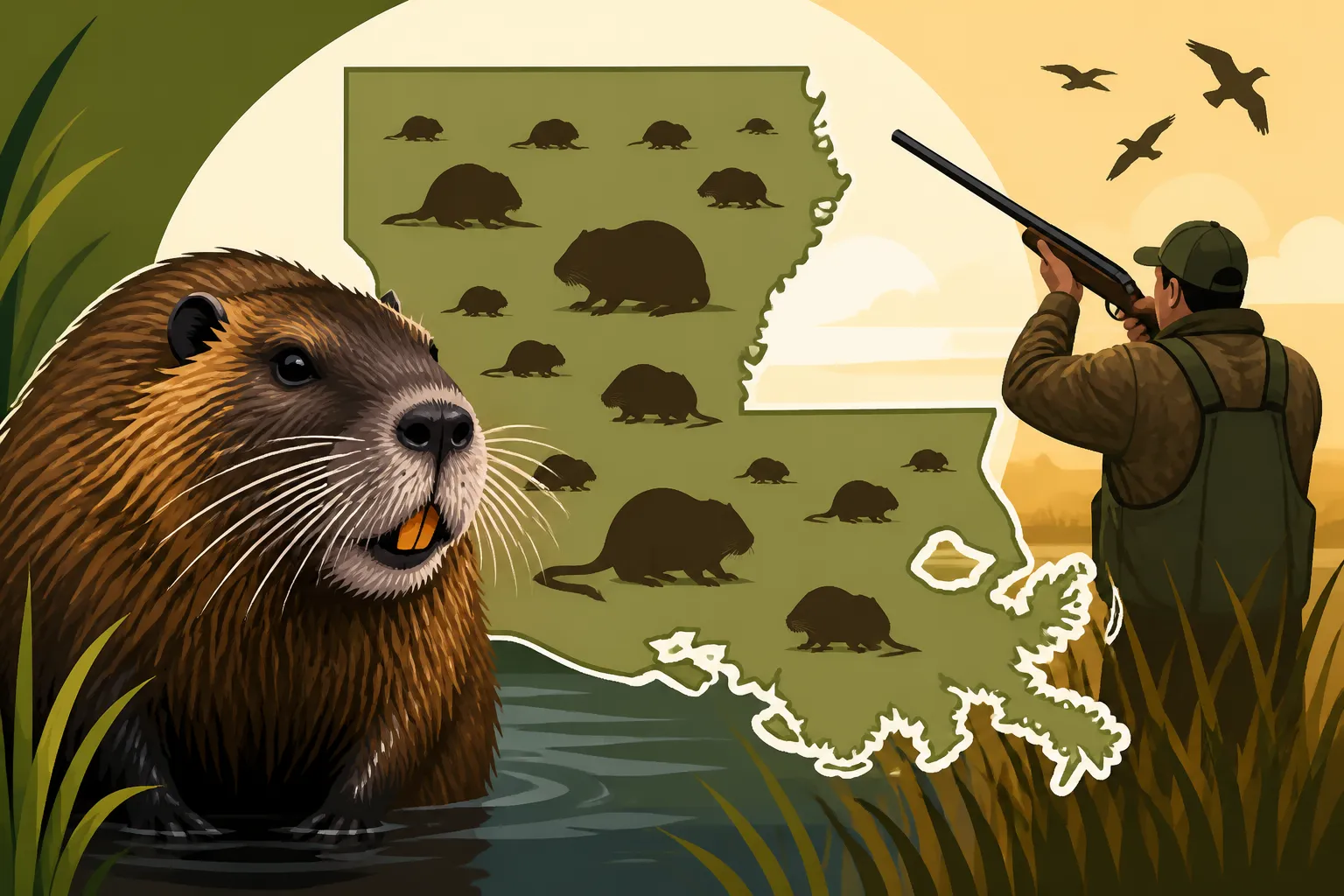
The problem of rapidly reproducing nutria eating away at Louisiana’s precious coastal wetlands is a frustration felt by every Louisianan, from commercial fishermen to casual duck hunters. It’s disheartening to see vital marshland disappear, and many folks wonder just how many of these invasive rodents we’re actually dealing with. This guide aims to shed some light on the estimated nutria population in our state, why those numbers are so critical, and what efforts are being made to manage them.
The Elusive Nutria Count: How Many Are There, Really?
Getting an exact, real-time headcount of every single nutria swimming through Louisiana's bayous or munching on our marsh grasses is, frankly, an impossible task. Imagine trying to count every squirrel in a massive oak tree, then multiply that by a thousand and put it in a swamp. Nutria are incredibly prolific breeders, they're semi-aquatic, and they can hide remarkably well in the dense vegetation they call home. So, when we talk about "how many nutria Louisiana has," we're really talking about estimates, population trends, and indices of abundance rather than a precise figure.
The Challenge of Counting a Moving Target
One of the biggest hurdles in pinning down a definitive number for nutria is their very nature. These critters are built for survival and rapid expansion. A single female nutria can have multiple litters in a year, sometimes producing up to three litters annually with an average of four to five young per litter. Those young can start reproducing themselves in just a few months. This biological efficiency means that their numbers can rebound incredibly quickly if left unchecked, making any static count almost immediately outdated.
Moreover, their preferred habitat — the dense, interconnected network of marshes, swamps, canals, and bayous that crisscrosses our state — makes direct observation and counting extremely difficult. They spend a lot of time in the water or burrowed into banks, emerging primarily at dawn and dusk. Aerial surveys, while useful for some larger species, are largely ineffective for such a small, camouflaged, and often hidden animal. Biologists and wildlife managers typically rely on indirect methods, like harvest data from trapping efforts, damage assessments, and visual encounter rates in specific study areas, to gauge population trends rather than absolute numbers. It's less about a definitive tally and more about understanding whether the population is increasing, decreasing, or stable in relation to past years.
Estimates and Trends Over Time
While a concrete "X number of nutria" isn't feasible, we can certainly look at the historical trajectory and current understanding of their presence. Back in the peak of their population booms, particularly before significant control efforts were implemented, it was estimated that nutria populations could reach into the millions across Louisiana. These were staggering numbers, leading to widespread and visible devastation of coastal wetlands. The sheer volume of animals was overwhelming the ecosystem's ability to cope.
Today, thanks to decades of sustained management efforts, especially through various bounty and incentive programs, the population is believed to be significantly lower than those historical highs. However, "lower" doesn't mean "gone." They are still incredibly abundant throughout their preferred habitats, which stretch across vast portions of our southern parishes and into the interior along major waterways. The numbers fluctuate annually based on factors like weather (hurricanes can drastically reduce local populations temporarily), trapping pressure, and food availability. It's safe to say that Louisiana still hosts hundreds of thousands, if not millions, of nutria, but targeted management has helped prevent a return to the most destructive peak levels. These ongoing efforts are crucial because, even at reduced numbers, their impact on the landscape remains a serious concern for the longevity of our wetlands.
Why Nutria Numbers Matter for Louisiana
Understanding the sheer scale of the nutria population, even if it's an estimate, is crucial because these animals aren't just a quirky part of our ecosystem; they are an ecological wrecking ball. Their impact goes far beyond just eating a few plants; it fundamentally alters the very landscape of coastal Louisiana, with wide-ranging consequences for wildlife, people, and the economy.
The Devastating Impact on Coastal Wetlands
The primary reason nutria numbers are so critically important is their insatiable appetite for the roots and rhizomes of marsh plants. While they'll eat the leafy parts too, it's their habit of digging up and consuming the underground portions of plants that causes the most severe damage. These root systems are the very glue that holds our coastal marsh together. They bind the soil, creating a stable foundation for the delicate marsh ecosystem. When nutria "eat out" an area, they essentially mow down the vegetation and then dig up the root mat, leaving behind vast, barren mudflats.
These mudflats, once teeming with life and protecting our coast, are now incredibly vulnerable to erosion. Tidal surges, boat wakes, and even heavy rainfall can quickly wash away the exposed soil, turning productive marsh into open water. This process, often referred to as "nutria eat-outs" or "marsh damage," directly contributes to Louisiana's alarming rate of coastal land loss. Without these natural buffers, our communities and infrastructure become more exposed to storm surges and saltwater intrusion. The intricate network of bays and bayous becomes wider, deeper, and less able to support the diverse array of fish, birds, and other wildlife that depend on the marsh. It’s a cascading effect that starts with a hungry rodent and ends with significant land disappearing beneath the waves. You can learn more about this in How Nutria Damage Louisiana Marsh.
Economic and Ecological Consequences
The ecological devastation caused by unchecked nutria populations has significant economic ripples throughout Louisiana. Our coastal wetlands are not just pretty scenery; they are the nurseries of the Gulf. Shrimp, crabs, oysters, and countless species of fish rely on the sheltered, nutrient-rich waters of the marsh during critical stages of their life cycles. When this habitat is destroyed, it directly impacts the commercial fishing industries that are a cornerstone of our state's economy. Less marsh means fewer fish and shellfish, which translates to fewer jobs and less income for our hardworking fishing communities.
Beyond commercial fisheries, the loss of marsh also impacts recreational activities like duck hunting and fishing. Hunters who once enjoyed vibrant waterfowl populations find their traditional spots turned into open water, devoid of the vegetation ducks need for food and cover. Birdwatchers lose critical habitats for migratory and resident birds. The aesthetic and recreational value of our unique landscape diminishes with every acre lost. Furthermore, the erosion of wetlands increases the cost of maintaining flood protection for our coastal towns and cities. The marsh acts as a natural speed bump for hurricanes, dissipating storm surge energy. When that barrier is weakened, we become more reliant on costly man-made levees and pumps, putting a greater burden on taxpayers. The interplay between healthy marsh ecosystems and a thriving Louisiana economy is undeniable, making nutria population control an issue with real dollar-and-cents implications. You can gain more insights into the species in Nutria and Louisiana Wetlands.
Efforts to Manage Louisiana's Nutria Population
Given the immense challenges posed by nutria, Louisiana has been at the forefront of developing and implementing management strategies for decades. These efforts are a testament to our state's commitment to preserving its unique natural heritage, even against such a formidable invasive species. It's not a simple fix, but a continuous, adaptive battle.
Trapping Programs and Their Effectiveness
One of the most direct and historically effective methods of nutria control has been through trapping programs, often incentivized by bounties. For many years, Louisiana ran the Nutria Control Program, which provided payments to trappers for each nutria tail they submitted. This program was incredibly successful in reducing nutria numbers and the associated marsh damage, providing an economic incentive for trappers to target these prolific rodents. The idea was to harness the traditional trapping culture of Louisiana to address an environmental crisis.
While specific program details and payment structures can change, the principle remains the same: encourage consistent, widespread trapping. Many dedicated trappers still play a vital role in keeping nutria populations in check. These individuals often use various traps, including live traps, conibear traps, and snares, strategically placed in areas of high nutria activity. They understand the animals' habits and habitat, which is crucial for effective removal. For those looking to participate, staying informed about current regulations and best practices is key. Tools like the GoHunt app can be incredibly useful, not just for general hunting information, but also for checking current trapping regulations and even identifying public lands where trapping might be permitted. Trapping isn't just about reducing numbers; it's about mitigating the damage these animals inflict on our vulnerable marshlands.
Habitat Restoration and Integrated Approaches
Beyond direct removal, managing nutria also involves a broader strategy of habitat restoration and integrated land management. Simply trapping nutria isn't enough if the underlying problem of degraded habitat isn't also addressed. When nutria destroy an area, replanting marsh grasses or encouraging natural regrowth is often necessary to help the ecosystem recover. This can involve careful planting of specific species that are resilient to nutria browsing, or creating conditions that allow native vegetation to re-establish itself more successfully.
Furthermore, an integrated approach recognizes that nutria are just one piece of a complex puzzle of coastal land loss. Factors like subsidence, sea-level rise, and altered hydrology also contribute to our wetland woes. Therefore, nutria control efforts are often combined with larger-scale coastal restoration projects, such as diversions that bring freshwater and sediment back into the marsh, or barrier island restorations that protect interior wetlands. The goal is to create a healthier, more robust marsh ecosystem that is better able to withstand the pressures from invasive species like nutria, even if their numbers aren't completely eliminated. Organizations and agencies work tirelessly, often using scientific data and tools like GoHunt for mapping and monitoring, to coordinate these diverse efforts and maximize their impact. It's a long-term commitment that requires both intervention and restoration to heal our wounded coast.
What Hunters and Trappers Should Know
For those who are passionate about the outdoors and want to contribute to the health of Louisiana's ecosystems, understanding nutria as both a nuisance and a potential resource is important. Whether you're a seasoned trapper or a curious hunter, there's a place for you in the ongoing effort to manage this invasive species.
Nutria as a Resource and a Nuisance
It might seem strange to call an invasive pest a "resource," but for many years, nutria fur was a valuable commodity, providing income for trappers and helping to keep populations down naturally. While the fur market has declined significantly, there's a growing interest in nutria meat as a lean, wild-game protein. Some chefs and adventurous home cooks are discovering that, when prepared properly, nutria can be a delicious and sustainable food source. This culinary exploration could potentially create a new market demand, which in turn could help incentivize more trapping efforts and put downward pressure on populations.
However, make no mistake, nutria are primarily a nuisance. Their destructive feeding habits are well-documented, turning vibrant marsh into open water. For landowners, they can cause significant damage to levees, dams, and irrigation systems with their extensive burrowing, leading to costly repairs. Farmers with crops near water bodies can also face damage as nutria venture out to feed. Understanding this dual nature—a creature with some potential utility but undeniable destructive power—is key to appreciating the complex relationship we have with them in Louisiana.
Regulations and Best Practices for Control
If you're considering trapping or hunting nutria, it's absolutely essential to know the rules. Louisiana has specific regulations regarding trapping seasons, legal methods, and required licenses. Unlike some game animals, nutria can often be taken year-round on private land, particularly when they are causing damage. However, public lands, like Wildlife Management Areas (WMAs), will have their own specific regulations and seasons for trapping, and some may even require special permits or have limitations on trap types. Always consult the current Louisiana Department of Wildlife and Fisheries (LDWF) regulations handbook or their website before heading out. Using a digital mapping and regulation tool like GoHunt can be incredibly helpful for quickly referencing rules for specific areas.
Beyond the legalities, practicing responsible and humane trapping methods is critical. Trappers should aim for quick, clean kills and regularly check their traps. Proper carcass disposal is also important. For hunters, while nutria are generally not a high-priority game animal, they can be taken as an incidental catch during other hunts, provided you adhere to all firearm and safety regulations. Engaging in nutria control, whether for environmental benefit or personal consumption, is a way to contribute positively to Louisiana's outdoor heritage.
| Characteristic | Description |
|---|---|
| Origin | Introduced from South America in the 1930s for fur farming. |
| Reproduction Rate | Highly prolific; females can have 2-3 litters per year, with 4-5 young per litter. Young can breed at 3-6 months old. |
| Diet | Herbivorous; primarily eats the roots, rhizomes, and stems of marsh vegetation, including grasses, sedges, and aquatic plants. Also feeds on agricultural crops. |
| Habitat | Semi-aquatic; prefers freshwater and brackish marshes, swamps, bayous, canals, ponds, and river systems. Builds burrows in banks or nests in dense vegetation. |
| Ecological Impact | Destroys marsh vegetation, leading to "eat-outs" where large areas are denuded, exposing soil to erosion and accelerating coastal land loss. Impacts critical nursery habitats for fish and wildlife. |
| Population Trends | Historically peaked in the millions; significantly reduced by trapping programs and environmental factors. Still very abundant, with numbers fluctuating annually. |
| Management | Trapping programs (often incentivized), habitat restoration, and integrated coastal protection efforts. Trapping regulations vary by land type. |
| Harvest Status | Considered a pest; often no closed season or bag limits on private land. Specific rules apply on public lands (WMAs, etc.). Furbearer regulations may apply depending on intent. |
Many trappers also find success running traplines for other furbearers and small game. You can learn more about general trapping in Louisiana by checking out Louisiana Trapping License Requirements and Running a Trapline in Rural Louisiana. The work done by trappers and hunters is a vital part of protecting our state's natural beauty and resources for future generations.
Disclaimer
This article is for general informational purposes only and does not constitute professional advice. Laws, prices and regulations vary by location and change over time. Consult a qualified professional for guidance on your specific situation.