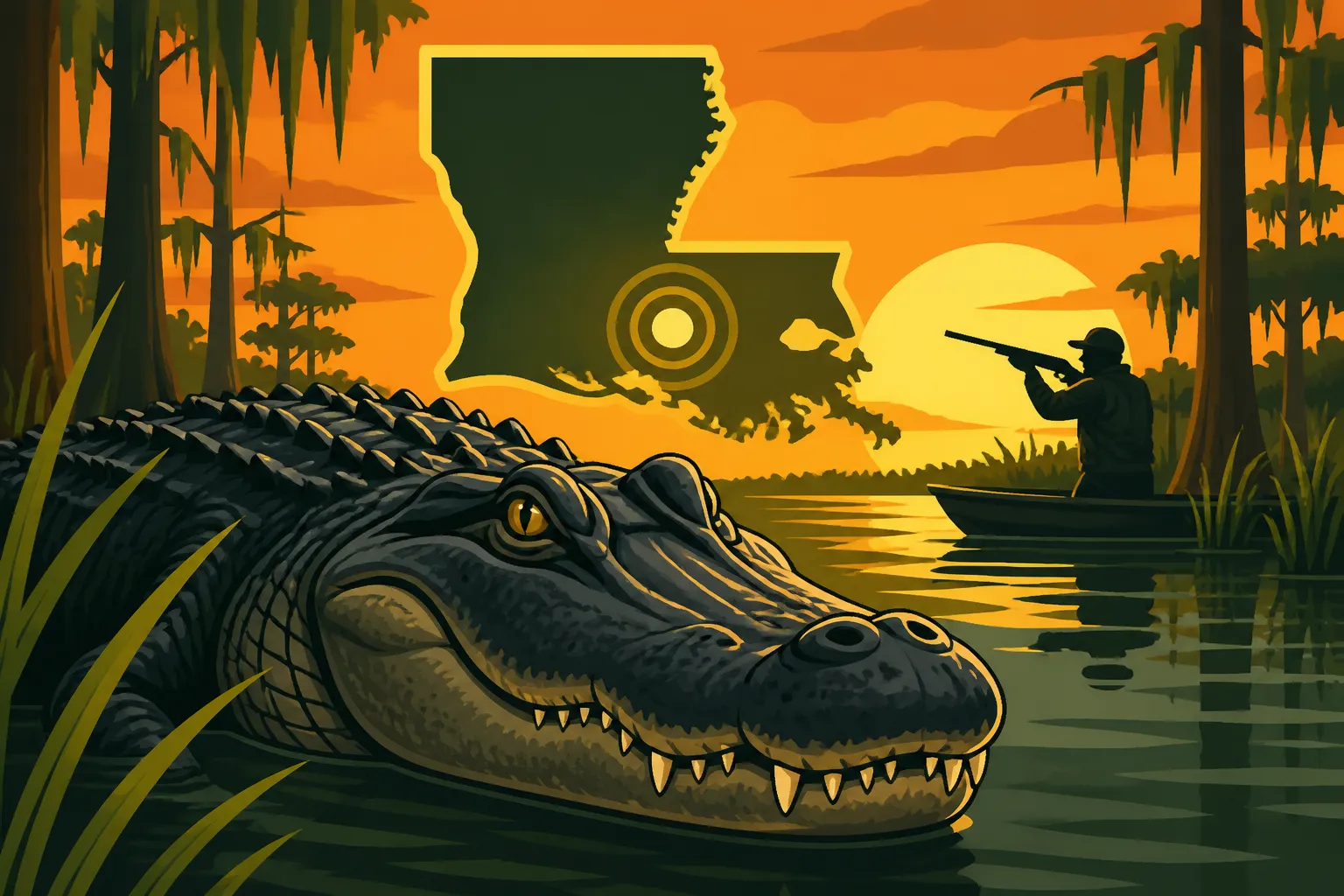
Where Louisiana’s Biggest Alligators Live
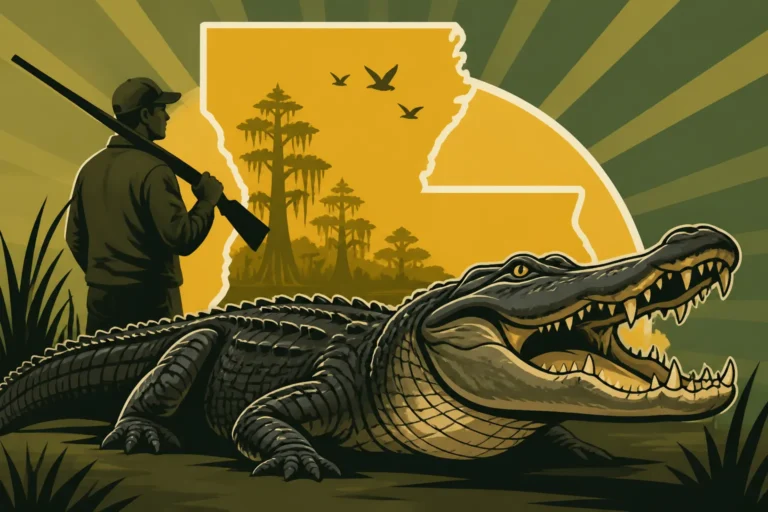
If you've spent any time on the water in Louisiana, you know the thrill of spotting an alligator. But seeing a common gator and hunting for one of the truly monumental, ancient beasts that roam our waters are two entirely different experiences. Many dream of encountering a dinosaur-sized reptile, but few understand the specific habitats and conditions that allow these incredible creatures to grow to their most massive proportions. This guide is dedicated to pulling back the curtain on where Louisiana's biggest alligators live, helping you understand their world and the best places to look for these legendary reptiles.
Unpacking the Alligator's Preferred Habitat for Growth
To find the biggest alligators, we first need to understand what makes an alligator grow big. It’s not just about age, although that’s certainly a major factor. It’s about a perfect storm of environmental conditions that provide everything a gator needs to thrive, grow, and avoid unnecessary stress or danger throughout its remarkably long life. Think of it as a natural retirement home for apex predators, where food is plentiful and peace is paramount.
Deep, Stable Waters and Abundant Food Sources
Truly enormous alligators rarely live in shallow, transient ponds that might dry up or freeze over in extreme weather. They seek out deep, stable waters that offer consistent thermal regulation, protecting them from both the scorching Louisiana summers and the occasional winter chill. These deep pockets – whether they be bayou channels, river cutoffs, or large backwater lakes – also provide an essential refuge when water levels fluctuate, giving the gator a consistent home base.
Beyond shelter, these deep-water havens are typically teeming with life, forming the base of a rich and diverse food chain. A large alligator needs an immense amount of calories to sustain its growth, and a steady supply of fish, waterfowl, small mammals, and even smaller alligators is crucial. Areas with consistent nutrient input, often from river systems or expansive marshes, create these ecological supermarkets that allow a gator to spend less energy hunting and more energy growing. Without this abundance, even an old gator won't reach its full potential.
Secluded Areas with Minimal Human Disturbance
It's no secret that older, wiser alligators become more reclusive. They've learned to avoid humans, boats, and the general hustle and bustle of more accessible waterways. This means the truly massive gators often retreat to the most remote, difficult-to-reach sections of our swamps and marshes. These secluded areas offer not only safety from human interference but also a consistent, undisturbed environment where they can bask, hunt, and reproduce without constant stress.
Dense vegetation, such as thick cypress-tupelo swamps, sprawling palmetto thickets, or vast fields of marsh grass, provides excellent cover. This natural camouflage allows a giant gator to lie in wait for prey or simply disappear from view, giving it the peace and quiet needed for sustained growth. Areas with limited boat access or those requiring significant effort to penetrate often hold the keys to finding these undisturbed giants, making the adventure of reaching them part of the overall challenge and reward.
The Legendary Coastal Marshes: A Haven for Giants
When most people picture giant Louisiana alligators, their minds often drift to our vast, mysterious coastal marshes. And for good reason – these sprawling, nutrient-rich wetlands are arguably the single most productive habitat for alligators in the state, regularly yielding some of the largest specimens caught each season. The unique blend of fresh and brackish water, combined with immense acreage, creates an ideal environment for gators to thrive.
Cameron Parish and Its Reputation for Trophy Alligators
Cameron Parish, located in the southwestern corner of the state, holds an almost mythical status among alligator hunters and wildlife enthusiasts. Its sheer expanse of marshland, often stretching for miles with minimal human development, provides unparalleled habitat for alligators to reach colossal sizes. The network of interconnected ponds, bayous, and canals offers a perfect mix of deep-water sanctuaries and shallow, sun-drenched basking spots.
The remoteness of much of Cameron Parish naturally limits pressure, allowing many gators to live out their full lifespan. Anecdotes and official harvest records often feature monstrous gators pulled from these waters, cementing its reputation as a premier destination for those seeking a true trophy. Navigating these waters can be a challenge, often requiring specialized marsh boats or airboats, which further contributes to the seclusion that benefits these grand reptiles. It's truly a wild frontier, where the biggest gators can often be found by those willing to go the extra mile into the heart of the marsh.
Productive Marshlands in Terrebonne and Vermilion Parishes
While Cameron often steals the spotlight, other coastal parishes like Terrebonne and Vermilion are equally significant, offering similar prime conditions for growing massive alligators. Terrebonne Parish, to the southeast, boasts an incredible amount of marsh, bayous, and barrier islands that collectively support an immense alligator population. Its intricate waterways, influenced by both fresh riverine input and the Gulf's salty tides, create a dynamic and highly productive ecosystem.
Vermilion Parish, adjacent to Cameron, shares many of the same characteristics: expansive, nutrient-rich marshes that serve as a nursery for endless prey species, ensuring that alligators here have no shortage of food. These parishes, much like Cameron, are characterized by their vastness and the challenge of accessing their most remote corners. This natural barrier contributes directly to the long lifespans and impressive sizes of the alligators found within. When you consider the sheer How Many Alligators Louisiana Has, it's clear these coastal giants play a huge role.
The Mystique of the Atchafalaya Basin
Beyond the coastal fringes, the heart of Louisiana's interior holds another legendary stronghold for massive alligators: the Atchafalaya Basin. This sprawling, constantly evolving swamp forest is one of North America's most unique and productive wetlands, and it provides a different, yet equally effective, environment for alligators to grow to awe-inspiring dimensions. If the marsh is a wide-open grocery store, the Basin is a dense, ancient pantry, full of hidden treasures.
The Basin's Deepest Channels and Cypress-Tupelo Jungles
The Atchafalaya Basin is a labyrinth of deep, slow-moving bayous, river cutoffs, and ancient cypress-tupelo swamps. This constant flow of nutrient-rich water from the Mississippi River system, especially through major arteries like the Atchafalaya River itself, fuels an incredibly diverse and abundant ecosystem. This consistent influx of nutrients means a constant supply of fish, turtles, wading birds, and small mammals – all prime food sources for growing alligators.
The deep channels within the Basin offer the stable, thermal refuge that large alligators crave, allowing them to retreat into the depths during temperature extremes. Furthermore, the dense, almost impenetrable nature of the cypress-tupelo forests, with their sprawling root systems and often murky waters, creates an ideal environment for a gator to remain hidden and undisturbed. Many hunters who venture deep into this region know that finding a spot here often means navigating complex waterways, a true test of their skills, but the reward can be immense. For those interested in deeper Basin tactics, exploring resources on Hunting the Atchafalaya Basin can be invaluable.
Remote Sloughs and Backwater Lakes Offering Sanctuary
While the main bayous and rivers of the Basin hold plenty of gators, the truly gargantuan specimens often reside in the more remote sloughs, backwater lakes, and hidden ponds. These are the places that are harder to reach, requiring intricate knowledge of the waterways, careful navigation, and sometimes even smaller boats to penetrate the dense vegetation. These isolated pockets are where an alligator can live for decades, often centuries, with minimal interaction with humans.
The lack of pressure in these sanctuaries allows alligators to feed and grow undisturbed, reaching phenomenal sizes without the stress of constant boat traffic or human presence. Scouting these areas, either by extensive on-the-water reconnaissance or by using detailed mapping tools like GoHunt, can reveal promising habitat features such as deep holes, thick cover, and strategic ambush points. These are the forgotten corners where a true giant might be waiting, undisturbed for generations.
River Systems and Inland Swamps: Overlooked Giants
While the coastal marshes and the Atchafalaya Basin are undoubtedly famous for their alligator populations, it would be a mistake to overlook the potential of Louisiana's interior river systems and numerous smaller, less-pressured inland swamps. These areas, though perhaps not as widely publicized, still harbor impressive alligators, and sometimes, even unexpected giants that have flown under the radar.
The Tensas Basin and Mississippi River Alluvial Plain
The Mississippi River Alluvial Plain, particularly in regions like the Tensas Basin, offers a different, yet highly productive, environment for alligators. This area is characterized by vast bottomland hardwood forests, numerous oxbow lakes—formed as the Mississippi River changed its course over millennia—and a network of smaller rivers and bayous. These waterways are incredibly rich in nutrients and support a thriving ecosystem, providing an ample food supply for alligators.
Gators in these riverine environments often benefit from the dynamic nature of the river itself, which frequently refreshes their habitat and brings in new food sources. While perhaps not as densely populated with gators as the coastal marsh, the sheer biomass and consistency of food in these areas can allow individual alligators to grow exceptionally large. Hunters in these regions often use different tactics than those in the marsh, adapting to the timbered landscape and fluctuating water levels. You might find great opportunities here, especially by connecting with local hunters who know these specific areas intimately.
Identifying Potential in Smaller, Less-Pressured Inland Waters
It's a common misconception that all the biggest alligators are found exclusively in the widely known, vast wetlands. In reality, many smaller, isolated swamps, ponds, and slow-moving bayous scattered across the state can hold truly massive gators. These are often waters that don't see heavy fishing or hunting pressure, allowing the resident alligators to grow old and large without much disturbance.
These "hidden gem" spots require diligent scouting and often a good bit of local knowledge to uncover. They might be oxbows off smaller rivers, old borrow pits, or secluded sections of creek drainage that lead into a larger swamp. Using detailed satellite imagery, perhaps through an app like GoHunt, can help identify these potential spots by looking for deep water, dense cover, and remoteness. Always remember, when exploring these areas, securing Do You Need Written Permission in Louisiana? from landowners is not just a courtesy but a legal requirement for private property. Sometimes, the biggest surprise can come from the least expected, quietest waters.
Strategic Considerations for Pursuing Louisiana's Largest Alligators
Finding and successfully pursuing Louisiana's biggest alligators is about more than just knowing where they live. It also involves understanding the biological and regulatory factors at play, and crucially, putting in the hard work of scouting. These are not creatures you just stumble upon; they are the result of decades of growth in specific, ideal conditions, protected by careful management.
Understanding Population Dynamics and Harvest Regulations
The presence of truly large alligators is a strong indicator of a healthy, mature alligator population. These giants represent the top of the food chain and are often the oldest animals in the system. Louisiana's highly successful alligator management program, which includes both wild harvest and a robust farming industry, ensures that populations remain stable and sustainable, allowing gators to reach impressive sizes. The state issues a limited number of tags for recreational alligator hunting each year through a lottery system, and these tags are often highly sought after due to the chance of harvesting a truly magnificent animal.
It's absolutely essential to be intimately familiar with Louisiana's New Recreational Alligator Season rules, zone allocations, and legal methods. Regulations stipulate minimum sizes, daily limits, and specific hunting zones, all designed to manage the harvest effectively and prevent over-pressuring the largest, breeding-age gators. Ignoring these rules not only risks legal trouble but also undermines the conservation efforts that allow these incredible creatures to thrive. Always check the latest LDWF regulations before planning any alligator hunt, and if you are fortunate enough to draw tags, ensure you understand all the requirements for Judging a Legal Forty-Eight-Inch Alligator before you ever pull the trigger.
The Role of Scouting and Local Knowledge
To consistently find large alligators, scouting is paramount. You can't just drive up and expect to see a 12-footer waiting for you by the boat ramp. It requires time on the water, observing patterns, and looking for subtle signs. Look for large slides leading from the water's edge into dense vegetation, indicating a heavy animal regularly using that bank. Keep an eye out for massive tail drags in the mud, which suggest the presence of a truly big gator moving between water bodies or to a basking spot. Identifying deep gator holes, often found along creek bends or in the middle of shallow ponds, can also point to a dominant gator's territory.
Combining physical scouting with technological tools is a powerful strategy. Using detailed aerial imagery and topographic maps, perhaps from a tool like GoHunt, can help you identify remote sloughs, deep channels, and areas of dense cover that are likely to hold older, larger alligators. Overlaying this with public land boundaries and access points, if you're hunting without private land access, allows for strategic planning of your approach. Finally, nothing beats local knowledge. Engaging with locals, guides, or experienced alligator hunters who know the specific waters you're targeting can provide invaluable insights into historical gator activity and current hot spots. The more time you spend learning and observing, the better your chances of encountering one of Louisiana's truly magnificent, colossal alligators.
| Location Type | Prime Parishes/Regions | Key Habitat Features | Average Alligator Size Potential | Access Difficulty |
|---|---|---|---|---|
| Coastal Marsh | Cameron, Terrebonne, Vermilion, St. Mary | Brackish water, dense marsh grass, shallow ponds, bayous | Very Large | Moderate to High |
| Atchafalaya Basin | St. Martin, Iberville, Assumption | Deep cypress swamps, bayous, backwater lakes, sloughs | Very Large | High |
| River Alluvial | Tensas, Concordia, Avoyelles | Oxbow lakes, river cutoffs, bottomland hardwoods | Large | Moderate |
| Inland Swamps | Various smaller, localized swamps across the state | Secluded ponds, slow-moving bayous, dense vegetation | Large (potential for giants) | Low to Moderate |
Disclaimer
Please remember that hunting regulations and wildlife management practices are subject to change. Always consult the latest Louisiana Department of Wildlife and Fisheries (LDWF) official regulations before planning any hunting trip. This guide is for informational purposes only and does not constitute legal advice or endorsement of specific hunting practices. Always prioritize safety and ethical hunting practices.