Louisiana’s Alligator Farming Industry
For many folks outside of Louisiana, the idea of an alligator conjures images of swamp tours and perhaps a dash of fear. But here in the Bayou State, these incredible reptiles are far more than just a tourist attraction or a menacing swamp dweller; they’re a cornerstone of our ecosystem and a testament to successful wildlife management. What many don’t realize is that Louisiana's thriving alligator population, which seems so abundant now, was once teetering on the brink. This deep dive into Louisiana's alligator farming industry will peel back the layers, revealing how a smart, sustainable approach has not only brought the American alligator back from endangerment but also created a significant economic engine for our state, proving that careful management can truly allow a species and an industry to flourish together.
The Rise of Louisiana's Alligator Farming Industry
It's hard to imagine now, with alligators seemingly everywhere you look in Louisiana's swamps, marshes, and bayous, but there was a time when their future looked bleak. The journey from near extinction to a robust, managed population is one of Louisiana's greatest conservation success stories, and it's deeply intertwined with the development of our unique alligator farming industry.
From Wild Harvest to Sustainable Cultivation
Back in the early to mid-20th century, the American alligator population faced severe pressure. Unregulated hunting, driven by demand for their valuable hides, combined with habitat destruction, pushed these magnificent creatures into a precarious situation. They were listed as an endangered species in the late 1960s, a stark warning that our natural resources were not limitless. This period marked a critical turning point, forcing wildlife managers and lawmakers to rethink how we interacted with these animals. The shift wasn't just about protection; it was about recognizing the alligator not as an endless resource to be exploited, but as a valuable part of our natural heritage that, with proper management, could offer long-term benefits.
The idea of "farming" alligators, or more accurately, "ranching" them, emerged as a brilliant solution. Instead of solely relying on wild harvests that were hard to regulate and often detrimental, the concept revolved around cultivating alligators in controlled environments. This allowed for better population control, higher survival rates for young alligators, and a consistent supply of products for the market. It was a bold move that required scientific understanding, innovative thinking, and a willingness to invest in a new kind of agriculture. This wasn't just throwing some gators in a pond; it was a carefully designed system intended to support both conservation and commerce simultaneously.
The Environmental and Economic Necessity
The "ranching" model that Louisiana perfected is truly a win-win scenario, demonstrating that economic interests can align perfectly with environmental stewardship. The core of this model is quite ingenious: licensed alligator farmers are permitted to collect wild alligator eggs from nests on private lands. In return for this privilege, they are required to release a certain percentage of the alligators they hatch and raise back into the wild as robust yearlings, typically with a much higher chance of survival than if they had been left to fend for themselves from the egg stage.
This system creates a powerful incentive for private landowners, who control vast stretches of prime alligator habitat across Louisiana, to actively preserve and manage these critical wetlands, swamps, and marshes. If a landowner knows that healthy alligator populations on their property translate into economic benefits through egg collection, they are far more likely to protect and enhance that habitat. Without this economic incentive, these valuable wetlands might otherwise be drained for agriculture, development, or simply neglected, leading to significant habitat loss. The industry doesn't just produce hides and meat; it underpins the very ecological health of our state, contributing immensely to the overall American Alligators in Louisiana population.
The economic impact is also undeniable. Alligator farming directly supports a myriad of jobs, from the egg collectors and farmhands to the processors and artisans who craft luxury goods. It generates significant revenue for the state through licenses, permits, and taxes. Furthermore, it provides a consistent, legal supply of alligator products, which helps to curb illegal poaching activities by making the black market less attractive. This blend of environmental necessity and economic opportunity has transformed a formerly endangered species into a sustainable and profitable resource, showing the world how Louisiana manages to balance its unique wildlife with its vibrant culture and economy.
How Alligator Farming Works in the Bayou State
Understanding the nuts and bolts of Louisiana's alligator farming industry is key to appreciating its genius. It's a complex dance between human ingenuity, scientific principles, and the raw, untamed nature of our bayous. It’s a testament to how the Louisiana Department of Wildlife and Fisheries (LDWF) has created a system that leverages natural processes for both commercial gain and conservation success.
The Wild Egg Collection Program
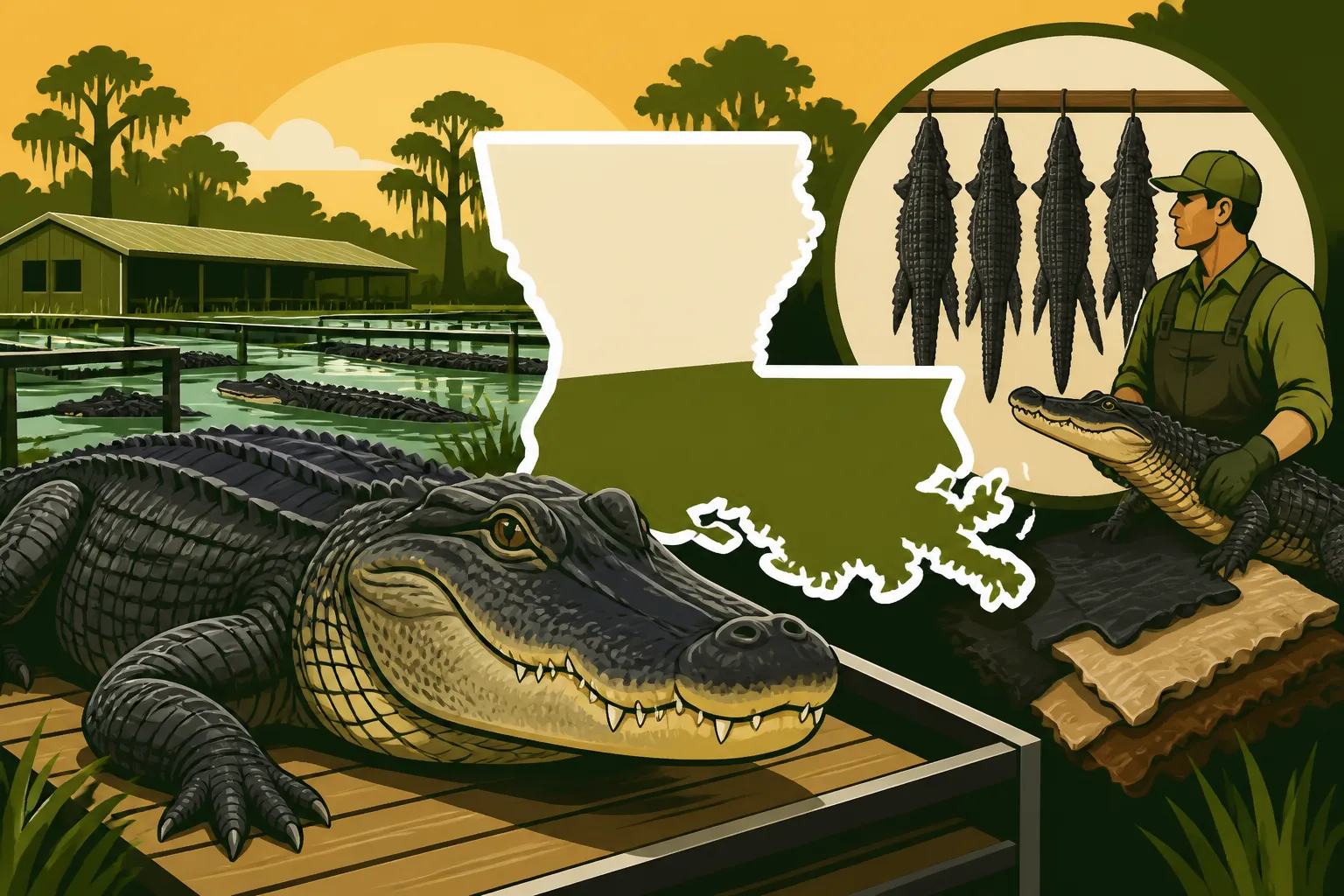
The entire alligator farming process begins, perhaps surprisingly, in the wild. Each spring, typically from June through July, licensed alligator farmers and their crews head deep into the swamps and marshes, often navigating through dense cypress stands and palmetto thickets, to locate alligator nests. These nests are often large mounds of vegetation, painstakingly constructed by the female alligator. The farmers obtain permits from the LDWF, which allocate specific collection quotas based on the health of local wild populations and the acreage managed by the farmer. This isn't a free-for-all; it's a highly regulated process designed to ensure sustainability.
Working closely with private landowners is a critical component of this program. Landowners grant access to their properties, and in many cases, they receive a share of the profits or a per-egg fee from the farmers. This partnership is vital because much of Louisiana’s prime alligator habitat is privately owned. It creates a direct financial incentive for landowners to maintain healthy wetlands and foster thriving alligator populations on their property. Before heading out, these professional egg collectors often utilize detailed mapping tools and local knowledge to efficiently find nests, much like a hunter might use a platform like GoHunt to analyze land features before Scouting Louisiana Public Land Before Season. Once a nest is located, the eggs are carefully removed, often a delicate and risky task given the protective nature of mother alligators. These eggs are then transported to the farming facilities, where their new journey truly begins. The success of the wild egg collection program is a direct contributor to why How Many Alligators Louisiana Has grown exponentially over the decades.
Hatchling to Harvest: The Growth Process
Once collected, the alligator eggs are brought to sophisticated incubation facilities. Here, temperature and humidity are precisely controlled, mimicking the natural conditions within a nest but often optimized for higher hatch rates. Unlike bird eggs, the sex of an alligator is determined by the temperature at which it incubates; warmer temperatures tend to produce males, while cooler temperatures produce females. Farmers can manipulate these conditions to manage the sex ratio of their stock, though they often aim for a balance. After approximately 60 to 70 days, the eggs hatch into tiny, vulnerable alligator hatchlings, usually only about 8-10 inches long.
These hatchlings are then moved into specially designed grow-out pens or tanks, often indoors and temperature-controlled, to protect them from predators and ensure rapid growth. In the wild, hatchlings face enormous threats from birds, fish, snakes, and even larger alligators, leading to a very low survival rate. On farms, with consistent feeding, warmth, and protection, their survival rate skyrockets. They are fed a diet specifically formulated for alligators, promoting healthy growth. Over a period of several months to a couple of years, these small hatchlings grow into yearling alligators, typically reaching lengths of 3 to 4 feet.
This is where the conservation magic truly happens: a mandated percentage of these robust yearlings – usually between 12-17%, depending on the year's harvest and the specific LDWF requirements – are released back into the wild. Because these released alligators are much larger and stronger than wild-hatched juveniles, their chances of survival are significantly higher. This strategic release not only compensates for the eggs taken from the wild but actually enhances the wild population, making it more resilient and numerous than it would be naturally. The remaining alligators continue to grow until they reach market size, usually between 6 to 8 feet, a process that can take anywhere from three to seven years, depending on growth rates and market demand.
The Role of Incentives for Landowners
The success of Louisiana's alligator farming industry is deeply rooted in the clever system of incentives it provides to private landowners. Unlike many other wildlife resources, a significant portion of the viable alligator habitat – the crucial swamps, marshes, and waterways – is owned by private entities, from large timber companies to individual families. Without their cooperation and active management, a sustainable alligator program would be impossible. The egg collection program directly links the health of wild alligator populations on private land to a tangible economic benefit for the landowner.
Imagine you own a piece of property crisscrossed with bayous and sloughs. Historically, alligators might have been viewed as a nuisance, or perhaps a resource to be harvested indiscriminately. However, under Louisiana's system, if your land supports numerous healthy alligator nests, you can enter into agreements with licensed alligator farmers. These agreements often involve either a direct payment per egg collected or a share of the future profits from the harvested alligators. This financial incentive transforms alligators from a potential liability into a valuable asset. Landowners become active stewards of their wetlands, protecting nesting sites and maintaining habitat quality, because it directly impacts their bottom line.
This proactive approach ensures that vast tracts of critical wetland habitat remain undisturbed and productive for alligators, which in turn benefits countless other species that rely on these fragile ecosystems. While a platform like GoHunt might primarily focus on scouting for game animals, the underlying principle of understanding and valuing your land's wildlife potential is the same. For many landowners, the income generated from alligator egg collection can help offset the costs of maintaining their property or even provide additional revenue streams, creating a powerful economic motive for environmental conservation that benefits everyone involved, especially the American Alligators in Louisiana themselves.
The Economics of Alligator Farming
Louisiana's alligator farming isn't just a fascinating conservation model; it's a robust economic engine. From high-end fashion to Cajun kitchens, the demand for alligator products fuels an industry that generates millions of dollars annually, proving that our state's unique wildlife can also be a significant contributor to our prosperity.
Market Demand for Hides and Meat
The primary products driving the alligator farming industry are, without a doubt, the hides and the meat. Alligator hides are considered one of the world's most sought-after exotic leathers, prized for their unique texture, durability, and luxurious appeal. They are used by prestigious fashion houses and luxury brands globally to create everything from exquisite handbags, wallets, and shoes to belts and watch straps. The value of a hide depends heavily on its size, quality, and condition, with flawless hides commanding premium prices. Louisiana has established itself as a leading supplier of these high-quality hides, a testament to the meticulous care and processing involved in the farming operations.
Beyond the fashion world, alligator meat has carved out its own niche. It's considered a delicacy, particularly in Cajun and Creole cuisine, and is growing in popularity in restaurants across the United States and beyond. Alligator meat is lean, low in fat, and often described as having a mild flavor, sometimes compared to chicken or pork, with a slightly firm texture. Popular cuts include the tenderloin (often from the tail), rib meat, and jowl. It's used in gumbos, fried, grilled, or even incorporated into sausages. The demand for both hide and meat products ensures that nearly every part of the harvested alligator is utilized, maximizing the economic return and minimizing waste, a practice that resonates with the sustainable ethos of the industry.
Investment and Return for Farmers
Establishing and operating an alligator farm is no small undertaking; it requires substantial investment and a long-term commitment. The upfront costs are significant, including the construction of specialized facilities for incubation, grow-out pens, and processing. These facilities need climate control systems to maintain optimal temperatures, especially for the young alligators, as well as robust feeding systems and water management infrastructure. Farmers also need to invest in obtaining the necessary permits and licenses from the LDWF, which can be complex and require adherence to strict regulations.
Ongoing operational costs are also considerable. Feed for thousands of growing alligators is a major expense, as is veterinary care to prevent and treat diseases, which can spread quickly in captive environments. Labor costs for egg collection, feeding, cleaning, and general farm maintenance are also substantial. Furthermore, alligator farming is not a quick-turnaround business; it can take several years for an alligator to reach market size, meaning farmers must have the capital to sustain operations for an extended period before seeing a return on their investment. This long cycle means farmers must carefully plan their operations, much like a hunter might consider Louisiana Deer Season Overlap With Small Game to maximize their time in the field, but on a far grander scale.
Despite the significant investment and long wait times, the potential for profit can be considerable, especially when hide and meat prices are favorable. Successful farmers manage their stock meticulously, aiming for high survival rates, optimal growth, and premium hide quality to maximize their returns. The industry is dynamic, with prices fluctuating based on global economic conditions, fashion trends, and the overall supply and demand for exotic leathers and specialty meats. This makes it a challenging but potentially very rewarding agricultural venture.
Challenges and Fluctuations in the Market
Like any agricultural industry, alligator farming in Louisiana faces its share of challenges and market fluctuations that can significantly impact profitability. The global luxury hide market, in particular, is notoriously volatile. Fashion trends can shift quickly, and economic downturns in key markets (like Europe or Asia, where much of the high-end leather is sold) can lead to a sudden drop in demand and prices. This means that a hide that might fetch a high price one year could be worth considerably less the next, making long-term financial planning difficult for farmers who have spent years raising their stock.
Beyond market forces, environmental factors pose significant risks. Louisiana is no stranger to hurricanes, and these powerful storms can wreak havoc on alligator farming operations. Floodwaters can damage facilities, compromise containment systems, and in extreme cases, lead to the escape of thousands of alligators, resulting in direct financial losses and potential ecological concerns. Disease outbreaks are another ever-present threat. While farms take extensive biosecurity measures, any highly concentrated animal population is susceptible to disease, which can decimate stock and lead to substantial financial losses.
Regulatory changes, both domestic and international, also play a role. The Convention on International Trade in Endangered Species of Wild Fauna and Flora (CITES) closely monitors trade in alligator products to ensure it remains sustainable and legal. Any changes to these international regulations or domestic LDWF rules can impact how farmers operate, affecting their costs and market access. Navigating these complexities requires constant vigilance and adaptability. For instance, understanding the nuances of Louisiana's Chronic Wasting Disease Zones is critical for deer hunters, just as alligator farmers must stay abreast of trade and environmental regulations impacting their operations. Despite these hurdles, the industry has shown remarkable resilience, adapting to challenges and continuing to be a vital part of Louisiana’s economy.
| Hide Grade | Description | Common Uses | Relative Value |
|---|---|---|---|
| Grade 1 | Flawless, uniform scales, no scars or blemishes | High-end luxury handbags, bespoke items, watch straps | Highest |
| Grade 2 | Minor surface imperfections, very small scars | Shoes, belts, medium-priced accessories | High |
| Grade 3 | Visible scars, scale irregularities, some damage | Wallets, less visible leather goods, decorative items | Medium |
| Grade 4 | Significant scarring, punctures, or deformities | Used for less visible parts, or primarily for meat sales | Low |
Regulations and Conservation Efforts
Louisiana’s alligator farming industry isn't a free-for-all; it's a meticulously regulated sector where conservation is built directly into the business model. The success of the alligator’s comeback story is a direct result of strong regulatory oversight and a deep commitment to sustainable practices, managed expertly by the Louisiana Department of Wildlife and Fisheries.
LDWF's Oversight and Permitting
The Louisiana Department of Wildlife and Fisheries (LDWF) is the lynchpin of the entire alligator farming operation. They are responsible for developing and enforcing the comprehensive regulations that govern every aspect of the industry, ensuring its sustainability and legality. This starts with a rigorous permitting process. Anyone wishing to engage in alligator farming, from egg collection to raising and processing, must obtain specific licenses and permits from the LDWF. These permits are not easily granted; applicants must demonstrate the necessary facilities, knowledge, and financial stability to operate responsibly.
The LDWF sets annual quotas for wild egg collection, which are carefully determined based on scientific surveys of wild alligator populations. These quotas ensure that enough eggs remain in the wild to sustain natural reproduction, preventing over-harvesting. Furthermore, the department conducts regular inspections of alligator farms, ensuring compliance with strict animal welfare standards, facility requirements, and the crucial yearling release mandates. Farmers are required to keep detailed records of egg collection, hatch rates, growth, and releases, which are regularly audited by LDWF agents. This stringent oversight ensures that the industry operates transparently and in accordance with its conservation goals, and it's a model that has helped ensure Louisiana Alligator Legal Methods are followed across the board.
Ensuring Wild Population Health Through Farming
The cornerstone of Louisiana's alligator farming program, and its greatest conservation achievement, is the "ranching" concept that actively enhances wild alligator populations. As mentioned earlier, farmers are legally obligated to release a substantial percentage of their captive-bred alligators back into the wild. These released alligators are typically 3-4 feet long yearlings, a size at which they are significantly more resilient and better equipped to survive than newly hatched alligators. In the natural environment, less than 20% of alligator hatchlings may survive their first year due to predation from birds, fish, and other alligators, as well as environmental factors like floods.
By releasing these larger, stronger alligators, the farming industry dramatically boosts the overall survival rate of wild populations. The LDWF estimates that for every alligator egg taken from the wild, up to five more alligators are returned to the wild that would not have survived otherwise. This means that the farming industry isn't just taking from the wild; it's actively contributing to its abundance. This unique symbiotic relationship has been instrumental in the American alligator's incredible recovery, allowing for regulated wild harvests and recreational hunting through programs like Louisiana's New Recreational Alligator Season to coexist with a thriving commercial industry, all while ensuring the species continues to flourish across the state.
Combating Illegal Poaching
A robust and regulated alligator farming industry plays a critical role in combating illegal poaching, which was once a major threat to alligator populations. When there is a legitimate, legal supply of alligator hides and meat through farming, the economic incentive for illegal poaching significantly diminishes. Black market operations thrive when legal channels are restricted or non-existent, creating high demand for illicitly obtained goods. By providing a consistent and regulated supply, the farming industry helps to stabilize prices and satisfy market demand through legal means.
Wildlife enforcement agents, often in collaboration with LDWF, are constantly on patrol to deter and apprehend poachers. The penalties for illegal alligator harvest can be severe, including significant fines, confiscation of equipment, and jail time. The existence of a legal industry makes it easier for authorities to identify and prosecute those engaged in illegal activities because any product not sourced from a licensed farm or legally harvested wild alligator stands out. Public education and awareness, sometimes reinforced by platforms like GoHunt that emphasize ethical hunting and conservation practices, also contribute to the anti-poaching effort. It's a collective responsibility, but the legal farming sector provides a strong front against the criminal element that once threatened to wipe out Louisiana's iconic reptiles.
The Future of Alligator Farming in Louisiana
Louisiana's alligator farming industry has come a long way, but like any dynamic sector, it continues to evolve. The future promises continued innovation, expanded market reach, and an ongoing commitment to the delicate balance between commercial success and ecological conservation.
Technological Advancements and Efficiency
The alligator farming industry is consistently seeking ways to improve efficiency, reduce costs, and enhance the quality of its products through technological advancements. In incubation, this means even more precise control over temperature and humidity, leading to higher hatch rates and healthier hatchlings. For grow-out facilities, advancements include optimized feed formulations that promote faster, healthier growth, as well as improved water quality management systems to minimize disease and waste. Automation in feeding and cleaning processes is also becoming more prevalent, reducing labor costs and improving operational efficiency.
Furthermore, data management and tracking technologies are crucial. Farmers utilize sophisticated software to monitor individual alligator growth, health records, and to ensure compliance with LDWF release requirements. This level of detail allows for better inventory management and helps farmers make informed decisions about their stock. While not directly related to hunting, this rigorous approach to data parallels the benefits a hunter might find in using an app to track Louisiana Deer Record Book entries or to understand Louisiana Deer Herd Size through reported data. As technology continues to advance, we can expect to see even more innovative solutions that will further streamline operations, improve animal welfare, and ultimately contribute to the industry's long-term sustainability.
Expanding Market Opportunities
While alligator hides and meat are well-established products, the industry is always exploring new avenues for market expansion. On the hide side, this might involve cultivating specific sizes or qualities to meet niche demands in the luxury market, or working with designers to develop new applications for alligator leather. The goal is to maximize the value of each hide and ensure Louisiana remains at the forefront of this specialized market.
For alligator meat, there's significant potential for broader culinary acceptance. Efforts are underway to introduce alligator meat to new regions and demographics, moving beyond its traditional strongholds in the South. This includes developing new recipes, promoting its health benefits (lean protein), and improving distribution channels to make it more accessible to consumers and restaurants nationwide. Diversification into other alligator-derived products, though less common, might also be explored, ensuring that the industry remains adaptable to changing consumer preferences and market trends. Just as hunters adapt their tactics to find Late-Season Food Sources for Louisiana Whitetails, alligator farmers must constantly adapt to evolving market demands.
Balancing Growth with Conservation
The ongoing success of Louisiana’s alligator farming industry hinges on its continued commitment to balancing commercial growth with robust conservation efforts. The symbiotic relationship with wild populations is the industry's unique selling point and its greatest responsibility. As the industry grows, LDWF will continue to conduct extensive research and monitoring to ensure that wild alligator populations remain healthy and sustainable, adjusting quotas and regulations as needed. Climate change presents a significant long-term challenge, with rising sea levels and more intense storms potentially impacting coastal alligator habitats and farming operations. The industry, along with conservation agencies, will need to develop adaptive strategies to mitigate these impacts.
The story of the American alligator in Louisiana is a powerful testament to how intelligent, science-based wildlife management can lead to both ecological recovery and economic prosperity. It serves as a model for other states and nations dealing with threatened species and the desire to responsibly utilize natural resources. The lessons learned here, from incentivizing private landowners to the meticulous regulation of a commercial harvest, offer valuable insights for the management of other species, including the careful recovery of Louisiana's Recovering Black Bear population. As Louisiana moves forward, the alligator farming industry will remain a shining example of how we can work with nature, not against it, to secure a prosperous future for both our wildlife and our people.
Disclaimer
Please remember that hunting regulations and wildlife management practices are subject to change. Always consult the most current Louisiana Department of Wildlife and Fisheries (LDWF) regulations and official publications before participating in any hunting or wildlife-related activities. This guide is intended for informational purposes only and should not be considered legal advice.