Louisiana Red Wolf Recovery Program History
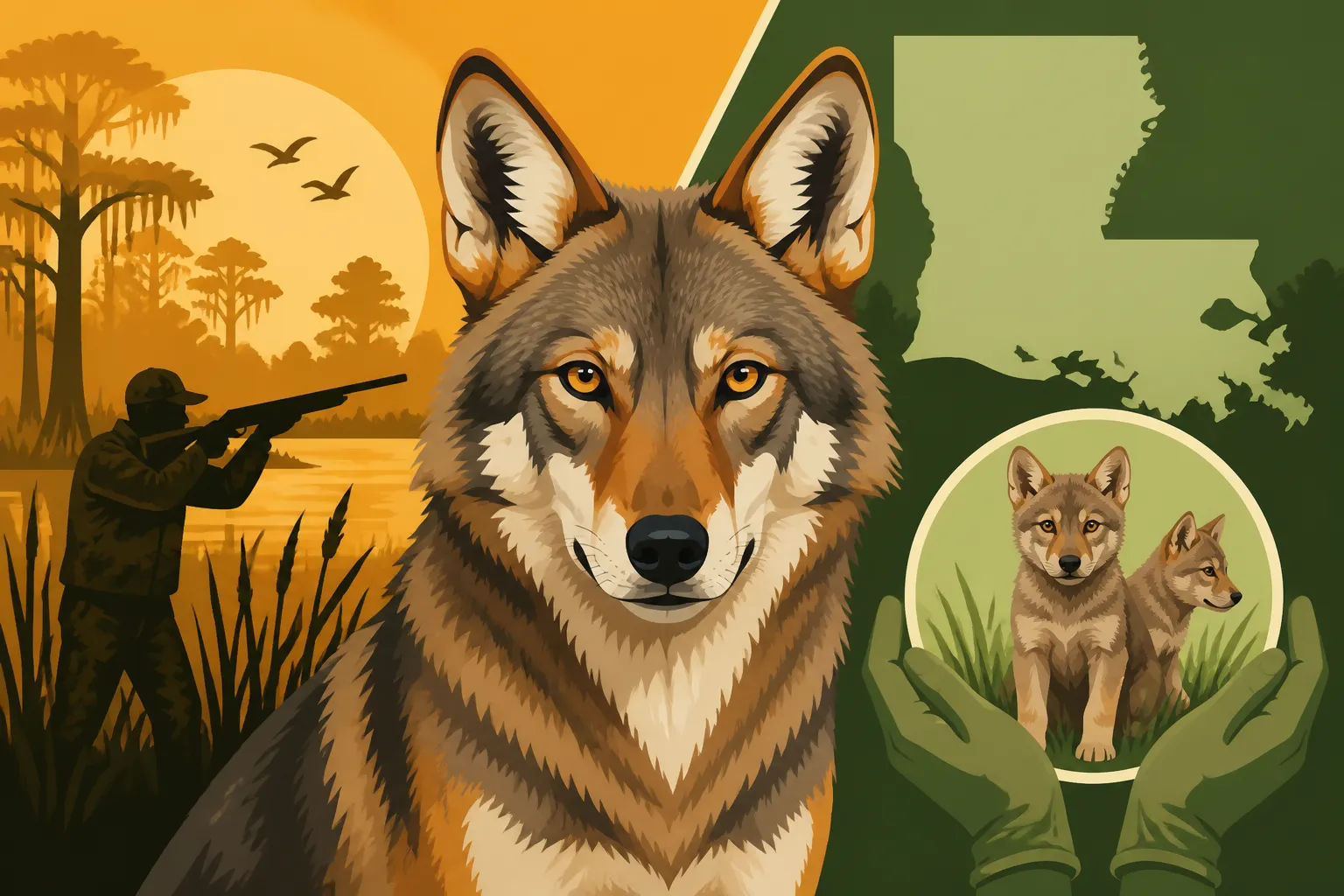
It’s a tough truth to swallow when a species that once roamed your home state vanishes, and it hits a little differently when you think about the quiet of a landscape missing its native predators. For generations of Louisianians, the eerie, haunting howl of the red wolf was simply a part of the wild soundtrack, but then, it wasn't. This guide delves into the poignant history of the Louisiana Red Wolf Recovery Program, exploring the determined, yet ultimately unsuccessful, efforts to restore this unique creature to its historical range in our beautiful state. We'll trace the steps, celebrate the dedication, and understand the profound challenges that shaped its fate.
The Vanishing Howl: Red Wolves Before the Recovery Program
Before the concerted efforts of conservationists, the red wolf (Canis rufus) was a quintessential part of the Louisiana wilderness. Imagine the dense bottomland hardwoods, the cypress-tupelo swamps, and the sprawling pine forests of yesteryear – these were the hunting grounds of a top predator, an animal often described as an intermediate between a coyote and a grey wolf, both in size and behavior. They were formidable hunters, playing a crucial role in maintaining healthy deer and small game populations across the state, much like Coyotes and Predators in Louisiana do today, but with a different ecological footprint.
Historical Range and Decline
The red wolf's historical territory once stretched across the entire southeastern United States, including a significant portion of Louisiana. They were adaptable animals, thriving in a mosaic of wetland and upland habitats. However, as human settlements expanded, so did the pressures on these animals. Habitat destruction due to logging and agriculture fragmented their territories, making it harder for them to find food and mates. Even more devastating was the systematic extermination campaigns driven by fear and misunderstanding, often fueled by bounty programs designed to protect livestock. Farmers and ranchers, understandably trying to safeguard their livelihoods, viewed these wolves as a direct threat. This relentless persecution pushed the species to the brink, leading to a dramatic decline in their numbers. For a deeper understanding of the factors, you might consider reading Why Red Wolves Vanished From Louisiana.
The Shadow of the Coyote
Adding another layer of complexity to their decline was the arrival and spread of coyotes. As red wolf populations dwindled, their social structures broke down. Coyotes, smaller and more adaptable, began moving into former red wolf territories, especially from the west. With fewer red wolves to compete with, coyotes flourished. The problem wasn't just competition; it was hybridization. Desperate for mates, the remaining red wolves began interbreeding with coyotes, leading to a genetic dilution that threatened the very existence of the pure red wolf lineage. This phenomenon created a real headache for biologists and complicated any future recovery efforts. Understanding When Louisiana Coyotes First Arrived gives crucial context to this challenge.
A Glimmer of Hope: The Genesis of the Recovery Program
By the mid-20th century, the red wolf was teetering on the edge of extinction. It was a dire situation, a stark reminder of humanity's impact on the natural world. But amidst this grim reality, a spark of hope ignited as dedicated scientists and conservationists refused to let this iconic species disappear without a fight.
Last Stand and Captive Breeding
In the late 1960s, the U.S. Fish and Wildlife Service embarked on a desperate mission: to capture the last remaining pure red wolves from the wild. Their last stronghold was a small, remote area along the Texas-Louisiana border. It was a race against time, as the remaining individuals were few and increasingly hybridized with coyotes. Biologists carefully captured 17 of these wolves, and after genetic screening, only 14 were deemed pure enough to form the foundation of a captive breeding program. These precious few animals became the ark for the species, housed in facilities like the Point Defiance Zoo & Aquarium in Tacoma, Washington, and other conservation centers across the country. The goal was to breed them in a controlled environment, increasing their numbers and preserving their unique genetics, so that one day, their descendants could be returned to the wild. This monumental effort highlighted the critical need for intensive management, a lesson also seen in the journey of Louisiana's Recovering Black Bear.
Louisiana's Role in Early Recovery Discussions
Louisiana, being a significant part of the red wolf's historical range and home to some of the last wild populations, naturally became a focal point for potential reintroduction efforts. The state’s vast tracts of bottomland hardwoods, particularly within the Mississippi River floodplain and the Atchafalaya Basin, seemed like promising candidates for releasing captive-bred wolves. These areas offered the seclusion and prey base that red wolves would need to thrive. Early discussions involved the Louisiana Department of Wildlife and Fisheries (LDWF) and federal agencies, mapping out potential release sites and assessing habitat suitability. The dream was to once again hear the wild howl echoing through the bayous and swamps. This collaborative spirit, working across state and federal lines, is often the backbone of successful conservation programs, much like those that have led to How Louisiana's Bear Population Recovered.
Challenges in the Bayou: Why Recovery Was So Difficult
Despite the immense dedication and careful planning, the path to red wolf recovery in Louisiana proved to be incredibly difficult, ultimately leading to the cessation of active reintroduction efforts within the state. The complex ecological and social landscape presented formidable hurdles that even the most passionate conservationists struggled to overcome.
Habitat Fragmentation and Human Conflict
While Louisiana had suitable habitat, much of it was fragmented by roads, agriculture, and human development. Even large areas like the Atchafalaya Basin, while wild, are surrounded by human activity. Wolves need large, contiguous territories to hunt and establish stable packs without constantly encountering people or domestic animals. Every time a wolf crosses a road or ventures near a farm, the risk of conflict increases, whether it's through vehicle collisions or retaliatory killings from landowners protecting their livestock. This is a common challenge for many large carnivore reintroductions, requiring not just biological planning but also extensive community outreach and education.
Another significant challenge was the sheer volume of Public Hunting Land in Louisiana and how human activities impacted potential release sites. While these lands offered crucial space, managing human access and ensuring minimal disturbance to sensitive reintroduction zones proved to be a balancing act. Hunters and other outdoor enthusiasts use these areas extensively, and ensuring their activities didn't negatively impact a nascent wolf population required careful planning and communication.
The Persistent Threat of Hybridization
Perhaps the most insidious and persistent challenge was the continued presence of coyotes and the threat of hybridization. Even if pure red wolves were released, the vast Louisiana Coyote Range and Density meant they would inevitably encounter coyotes. As discussed, red wolves and coyotes can interbreed, and their offspring are fertile. This means that a reintroduction program not only has to establish a viable population of red wolves but also has to actively manage the coyote population in the release area to prevent genetic dilution. This could involve intensive trapping and removal of coyotes, a labor-intensive and controversial undertaking that often faced public opposition.
For example, imagining a scenario where biologists track a newly released red wolf using advanced GPS collars, similar to the tracking features available through platforms like GoHunt that help hunters understand game movements. Even with such technology, if that wolf consistently pairs with a coyote because pure red wolf mates are scarce, the genetic purity of the population is compromised. It’s a constant battle against the clock and against the natural instincts of animals driven to reproduce. This was a biological reality that made establishing a genetically pure population in Louisiana incredibly difficult.
The Legacy: What Happened to Louisiana's Red Wolf Efforts
Ultimately, the active red wolf recovery program in Louisiana was halted. The combination of habitat challenges, human conflict, and the overwhelming issue of hybridization proved too great for a successful, sustained reintroduction effort within the state's borders. It was a heartbreaking decision for many who had dedicated their lives to the cause, but a necessary one given the resources and biological realities.
Shifting Focus to Other Areas
While Louisiana's specific reintroduction efforts concluded, the national Red Wolf Recovery Program didn't stop. Instead, the focus shifted to other areas, most notably the Alligator River National Wildlife Refuge in eastern North Carolina. This site offered a more isolated environment with fewer coyotes, allowing for a more controlled reintroduction and intensive management strategies to minimize hybridization. This strategy proved to be more successful, with wild red wolves establishing a breeding population there. However, even this program has faced its own share of challenges and ongoing debate, highlighting the immense difficulty of reintroducing large carnivores. For those interested in Louisiana's wildlife that are not game species, you can find information on Game You Cannot Hunt in Louisiana.
Lessons Learned for Conservation
The red wolf's story in Louisiana, though ending without a wild population, provided invaluable lessons for wildlife conservationists everywhere. It underscored the critical importance of preserving large, unfragmented habitats, managing human-wildlife conflict through education and mitigation, and understanding the complex genetic dynamics of interbreeding species. These lessons continue to inform conservation strategies for other endangered animals across the country. It also highlighted the importance of robust data collection, akin to the detailed records and analytics that services like GoHunt offer hunters to understand game populations, but applied to endangered species. Such comprehensive biological data is vital for adapting and refining recovery programs.
Today, while the red wolf may no longer roam Louisiana's wilds, its history serves as a powerful reminder of both loss and resilience. The fight to save the red wolf continues, with dedicated individuals working tirelessly to ensure this unique American predator endures. The collective knowledge gained from efforts in Louisiana and elsewhere continues to shape how we approach wildlife management and protection, ensuring that future generations have the chance to experience a truly wild America. Even as we focus on hunting regulations or scouting techniques, as many do using GoHunt for their planning, we carry a broader responsibility for wildlife, including those that are struggling to survive. Monitoring wildlife diseases, for example, is always a concern, as noted in Louisiana Wildlife Disease Monitoring.
| Key Milestones in Louisiana Red Wolf History | Period | Event / Status | Impact on Red Wolf Population |
|---|---|---|---|
| Historical Range | Pre-1900s | Widespread across Louisiana and Southeast U.S. | Thriving, crucial predator |
| Intensified Persecution | Early-Mid 1900s | Bounty programs, habitat loss, human conflict | Rapid decline, fragmentation |
| Coyote Influx | Mid-Late 1900s | Coyotes expand into former red wolf territory | Hybridization, genetic dilution |
| Last Wild Red Wolves Captured | Late 1960s | 17 individuals captured from LA/TX border | Formed basis of captive breeding |
| Louisiana Reintroduction Discussions | 1970s-1980s | Considered as potential release site for captive-bred wolves | Hope for return to wild |
| Program Shift | Late 1980s+ | Focus shifts away from Louisiana due to challenges | No active reintroduction in LA |
| Current Status | Present | Extirpated from the wild in Louisiana, captive population managed | Legacy of lessons learned |
Disclaimer
This article is for general informational purposes only and does not constitute professional advice. Laws, prices and regulations vary by location and change over time. Consult a qualified professional for guidance on your specific situation.