Why Red Wolves Vanished From Louisiana
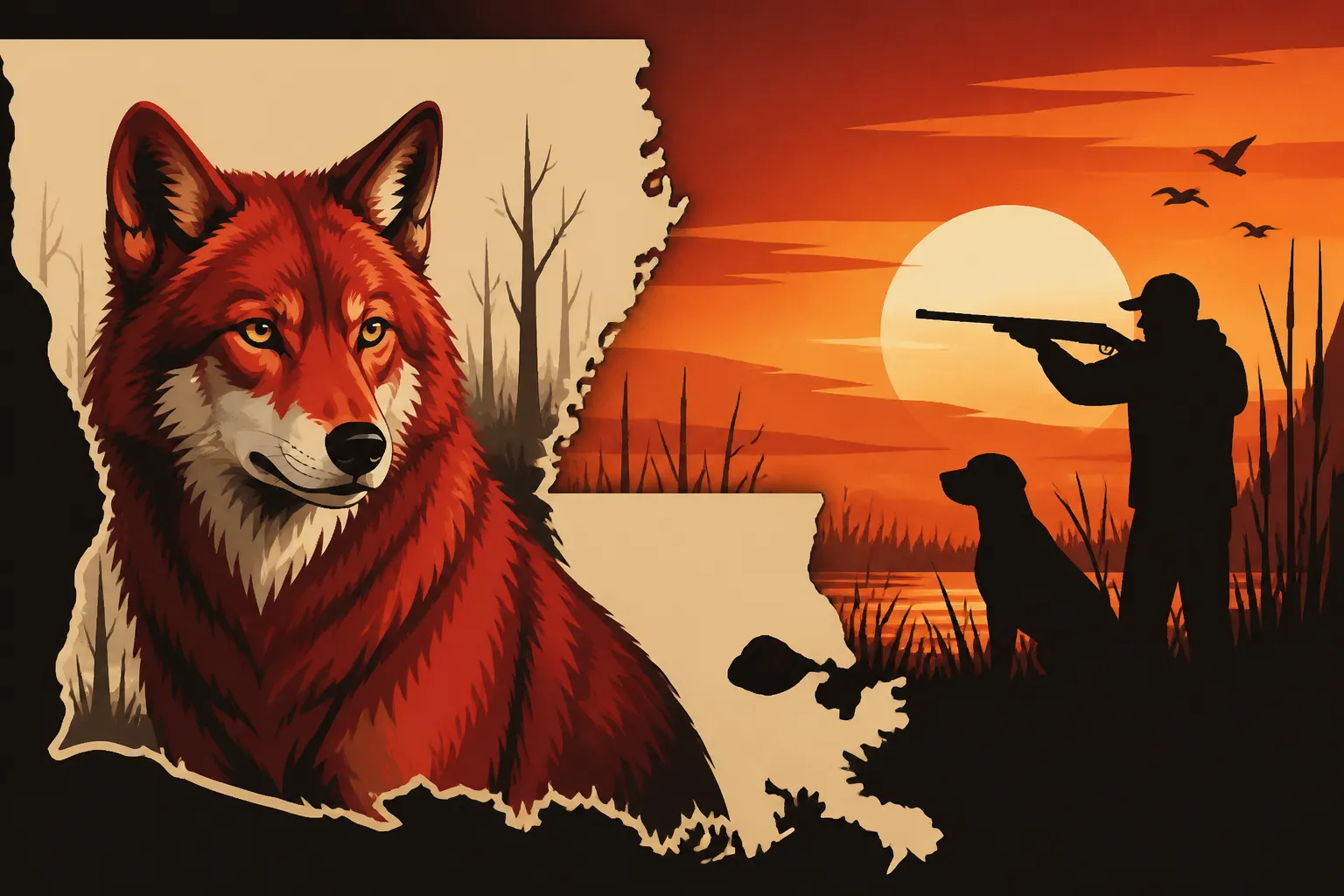
It's a bittersweet moment when you delve into the history of a majestic creature that once roamed our Louisiana landscape, only to find that it's gone. Many folks only know the coyote as the top canine predator in our state, but not too long ago, a much more formidable and unique animal, the red wolf, was an integral part of our wild tapestry. The story of their disappearance is a stark reminder of how quickly ecosystems can change and how human actions, both intentional and unintentional, can lead to the loss of irreplaceable wildlife. This guide will walk you through the complex reasons why the red wolf, a truly distinct native species, vanished from the bayous, swamps, and pine forests of Louisiana.
A Ghost in the Bayou: Understanding the Red Wolf's Historical Presence
Imagine a time when the howl you heard echoing across the marsh or through the timber wasn't that of a coyote, but a deeper, more resonant call – the sound of a red wolf. These creatures were once as much a part of Louisiana as cypress trees and alligators, playing a crucial role in the natural balance of our diverse habitats. Their story is a powerful lesson in ecology and conservation.
The Original Range: From Coast to Prairies
Red wolves weren't just found in one corner of Louisiana; their historical range spanned across the southeastern United States, including a significant presence throughout our state. They were incredibly adaptable, thriving in the dense, bottomland hardwoods of the Tensas River Basin, the cypress-tupelo swamps of the Atchafalaya, the longleaf pine forests of Kisatchie, and even the open prairies and coastal marshes further south. They were truly creatures of diverse habitats, perfectly suited to the rich, varied environment Louisiana offered.
As apex predators, red wolves were key to maintaining healthy ecosystems. They preyed on white-tailed deer, rabbits, raccoons, and even smaller rodents, helping to keep these populations in check and ensuring the overall health of the prey species. Their presence shaped the behavior of other animals, contributing to a robust and dynamic natural world. Think about how deer move and feed now; their ancestors navigated a world where a red wolf could be around any bend in the trail. This intricate web of life was a testament to the wildness and abundance of old Louisiana.
Red Wolves vs. Coyotes: A Case of Mistaken Identity
One of the biggest misunderstandings that often comes up is confusing red wolves with coyotes. Visually, they share some similarities, but historically, they were distinct species with different behaviors and ecological roles. Red wolves were generally larger and lankier than coyotes, with longer legs, bigger feet, and a more reddish-brown coat, especially on their ears, neck, and legs – hence the name. They also tended to be more elusive and less tolerant of human presence than the highly adaptable coyotes.
When coyotes began expanding their range eastward in the early to mid-20th century, they encountered the dwindling red wolf populations. The two species could interbreed, and unfortunately, this ability to hybridize became a critical factor in the red wolf's decline. As red wolf numbers dropped due to other pressures, opportunities for them to find pure red wolf mates decreased dramatically, leading to widespread "genetic dilution." This biological mixing, where a distinct species essentially blends out of existence with another, is a tragic part of the red wolf's story, distinguishing their disappearance from simple extinction.
The Tides Turn: Key Factors in the Red Wolf's Disappearance
The vanishing act of the red wolf wasn't a single event but a cumulative effect of several powerful forces, each chipping away at their existence until they were gone from the wild. It’s a complex tapestry of human expansion, changing attitudes, and biological challenges.
Habitat Loss and Fragmentation: The Swamp Shrinks
Perhaps the most significant blow to the red wolf population, as with so many other species, was the widespread loss and fragmentation of their habitat. As Louisiana grew, so did the need for land. Vast tracts of forests were cleared for agriculture, particularly cotton and sugarcane plantations, and later for timber operations. The sprawling, interconnected swamps and bottomland hardwoods that red wolves relied on for cover and prey were drained, logged, and converted. Imagine miles of continuous forest being broken up into isolated pockets by roads, towns, and farm fields.
This fragmentation meant that red wolf populations became isolated from one another, making it harder for them to find mates and maintain genetic diversity. Smaller, isolated populations are always more vulnerable to disease, natural disasters, and the random fluctuations of birth and death rates. What was once a vast, continuous home became a patchwork of shrinking islands, each less capable of sustaining a viable wolf population. The sheer scale of this habitat transformation in the 19th and early 20th centuries was simply devastating.
Predator Control Efforts: A Targeted Eradication
Beyond habitat loss, red wolves faced direct and aggressive persecution through organized predator control programs. Historically, wolves were viewed primarily as threats to livestock and game animals, and there was little understanding or appreciation for their ecological role. Farmers and ranchers, understandably, wanted to protect their livelihood, leading to widespread efforts to exterminate wolves using various methods, including trapping, poisoning, and hunting.
Government-sponsored bounty programs and eradication campaigns were effective, almost too effective. Over decades, these relentless efforts systematically reduced red wolf numbers across their entire range. This wasn't just individual hunters taking a wolf here or there; it was a concerted, often government-backed, effort to remove predators from the landscape. The perception was that fewer predators meant more deer for hunters or safer livestock, but the long-term ecological consequences were largely overlooked until much later. This era of predator eradication fundamentally altered the wildlife dynamics of many states, including Louisiana, leading to the Coyotes and Predators in Louisiana that we see today.
Genetic Dilution: The Rise of the Coyote
While habitat loss and direct killing certainly decimated red wolf numbers, the ultimate biological nail in the coffin was the rampant interbreeding with coyotes. As red wolf populations became smaller and more scattered, and as coyotes expanded their range into former wolf territories, the chances of a red wolf finding another pure red wolf to mate with diminished rapidly. When coyotes moved in, filling the ecological niche left vacant by the wolves, they readily hybridized with the remaining red wolves.
This genetic dilution meant that even if an animal looked like a red wolf, its genetic makeup was a mix of wolf and coyote. Over successive generations, the pure red wolf genes became so diluted that scientists concluded the species was no longer genetically pure in the wild. By the late 1960s, the U.S. Fish and Wildlife Service began a desperate captive breeding program with just a handful of genetically pure red wolves, saving the species from complete extinction, but too late for Louisiana's wild population. Understanding Louisiana Red Wolf Recovery Program History reveals the immense challenges of reversing such a complete genetic loss.
The Aftermath and Echoes: Why Recovery is a Challenge
The absence of the red wolf in Louisiana leaves a significant gap, both ecologically and historically. Efforts to bring them back have been met with profound difficulties, underscoring the irreversible nature of their loss in our state.
Failed Reintroduction Attempts: A Difficult Road
Nationally, there have been valiant efforts to reintroduce red wolves into parts of their historical range. These programs are incredibly complex, requiring suitable habitat, public acceptance, and a clear understanding of the challenges that led to their initial decline. One of the biggest hurdles for reintroduction programs has been, ironically, the same issue that contributed to their disappearance: hybridization with coyotes. Even in areas where pure red wolves are released, managing coyote populations to prevent interbreeding remains a constant battle.
The specific challenges in Louisiana for reintroduction would be immense. Not only is much of the prime historical habitat gone or fragmented, but the landscape is now dominated by a robust and widespread Louisiana Coyote Range and Density. Public perception and the sheer density of human population and activity across much of the state would also present formidable obstacles. The dream of hearing a pure red wolf howl in Louisiana's wild again, while beautiful, is a long way from reality, if at all possible.
The Ecological Void: What Was Lost
The disappearance of the red wolf created an ecological void that has been largely filled by the coyote. While coyotes play a predator role, they operate differently in the ecosystem. Red wolves were larger, often hunting larger prey like mature deer, whereas coyotes tend to focus on fawns, smaller game, and carrion. This shift in top predation has had subtle but significant impacts on the natural dynamics of our state.
Without a large, native canine predator, certain prey populations might behave differently or reach higher densities than they would otherwise. For instance, the dynamics of Louisiana Deer Herd Size can be influenced by the presence or absence of apex predators. While deer hunting helps manage these populations, the natural selection pressures and ecological functions performed by a native wolf are unique and irreplaceable. The balance of predator-prey relationships is a delicate dance, and when a key dancer like the red wolf is removed, the rhythm of the entire system changes.
What We Can Learn: Protecting Louisiana's Wildlife Future
The story of the red wolf in Louisiana is a cautionary tale, but it's also a powerful lesson in what we can do better for the wildlife that remains. Understanding the past helps us make more informed decisions for the future.
Lessons from History: Predator Management Today
One of the most profound lessons from the red wolf's decline is the shift in our understanding of predators. We've moved from a mindset of outright eradication to one that recognizes the vital role predators play in maintaining healthy, balanced ecosystems. Today, wildlife management strategies, including those in Louisiana, aim for more nuanced approaches to predator control, focusing on managing populations rather than eliminating them. We now understand that predators are not just threats but essential components of biodiversity.
This change in perspective means that modern hunters and landowners often have a different relationship with predators than generations past. While managing certain predator populations might still be necessary in specific contexts, the overarching goal is usually ecological balance, not extinction. This understanding is reflected in current guidelines for species like coyotes and bobcats, which, while sometimes managed, are not targeted for eradication.
Supporting Conservation: Beyond the Hunt
Even though red wolves are no longer a part of Louisiana's wild heritage, their story emphasizes the importance of ongoing conservation efforts for all species. Protecting and restoring habitats, managing game populations sustainably, and supporting wildlife research are critical actions that ensure we don't repeat the mistakes of the past. Organizations and state agencies like the Louisiana Department of Wildlife and Fisheries (LDWF) work tirelessly on these fronts, and their success relies on public support and responsible practices.
Hunters, in particular, play a crucial role in conservation. Through license fees and excise taxes on equipment, they contribute significant funding to wildlife management programs. By adhering to regulations, practicing ethical hunting, and advocating for habitat protection, hunters are at the forefront of ensuring that Louisiana's diverse wildlife, from Louisiana Deer Reporting Requirements to waterfowl, thrives for future generations. It's about being good stewards of the land and all the creatures that call it home, whether we hunt them or not. We all have a part to play in preserving the wild heart of our state.
| Factor Contributing to Red Wolf Disappearance | Description | Impact on Red Wolves |
|---|---|---|
| Habitat Loss & Fragmentation | Clearing of forests and swamps for agriculture, timber, and human development. | Reduced available territory, isolated populations, limited access to prey and mates. |
| Predator Control Efforts | Organized bounties and systematic extermination programs by government and landowners. | Direct killing, leading to severe population declines and local extinctions. |
| Genetic Dilution (Hybridization) | Interbreeding with coyotes as red wolf populations dwindled and coyotes expanded their range. | Loss of genetic purity, leading to the biological absorption of red wolves into coyote populations. |
| Lack of Ecological Understanding | Historical view of wolves solely as pests and competitors, not as vital ecosystem components. | Fueled aggressive eradication efforts and delayed conservation intervention. |
Disclaimer
This article is for general informational purposes only and does not constitute professional advice. Laws, prices and regulations vary by location and change over time. Consult a qualified professional for guidance on your specific situation.