Louisiana Bald Eagle Recovery Near the Basin
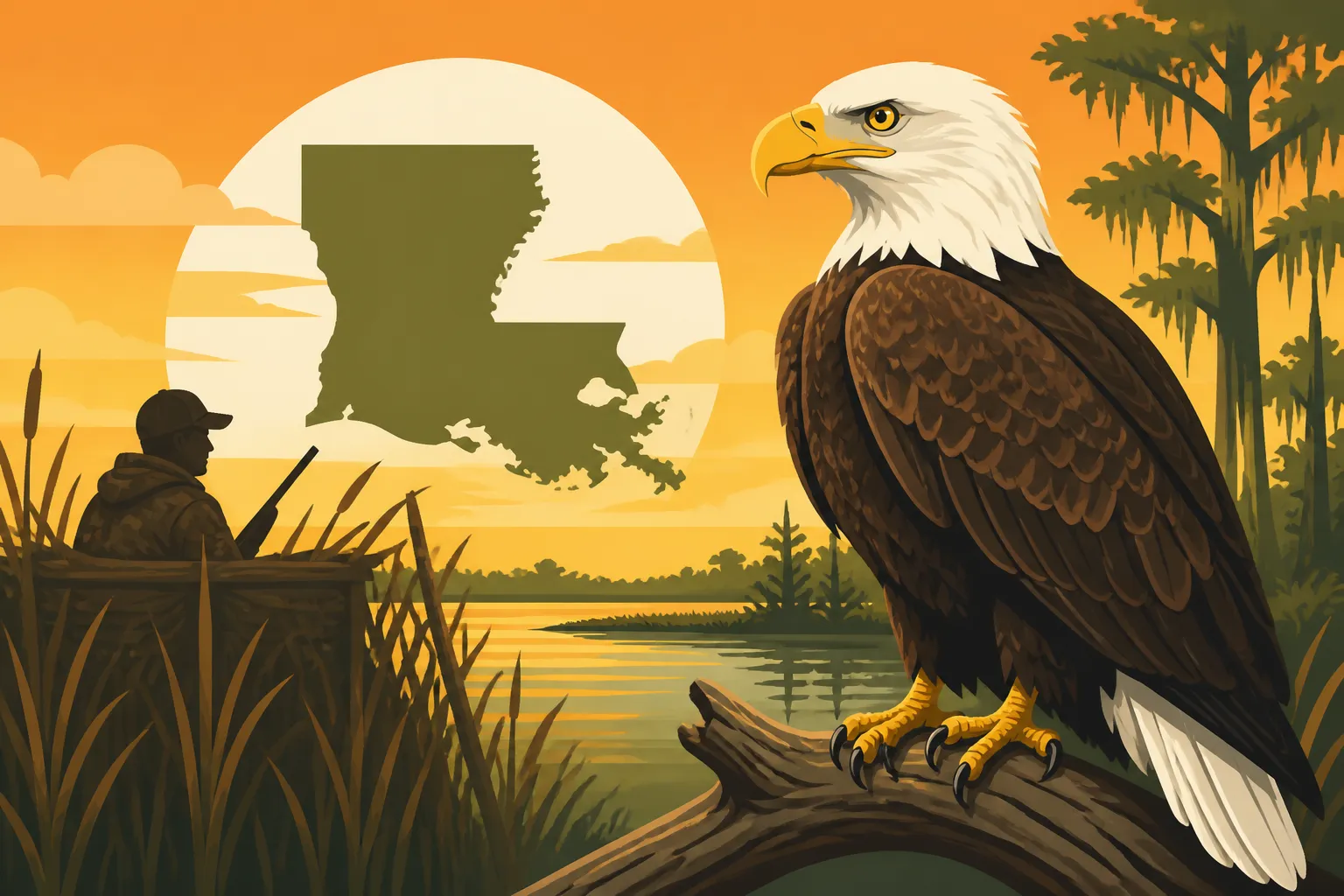
It's truly a heartwarming sight to see bald eagles soaring over Louisiana's bayous and nesting in our majestic cypress trees, especially considering how close we came to losing them entirely. For many of us who cherish the outdoors, whether we're chasing ducks in the marsh or stalking deer in the pinewoods, the return of our national bird to significant numbers, particularly near the sprawling Atchafalaya Basin, is a powerful reminder of nature's resilience and the impact of dedicated conservation. This guide will take you through the remarkable journey of the bald eagle's recovery in Louisiana, shedding light on the critical role the Basin played and what this resurgence means for our state's rich ecosystem and everyone who enjoys it.
The Historical Decline and the Fight for Survival
For generations, the bald eagle was a familiar sight across North America, a symbol of wildness and majesty. But by the mid-20th century, their numbers had plummeted to alarming lows, pushing them to the brink of extinction. Louisiana, with its vast wetlands and abundant fisheries, should have been an eagle stronghold, yet even here, the silence in the skies was deafening. Understanding this dark period helps us appreciate the incredible comeback we witness today.
Echoes of a Vanishing Past
Imagine a time when spotting a bald eagle in Louisiana was akin to finding a needle in a haystack – a truly rare and disheartening occurrence. Historically, these magnificent birds thrived in our state, particularly along major river systems like the Mississippi and within the expansive coastal marshes and bottomland hardwood forests. Their diet of fish, waterfowl, and small mammals made Louisiana a perfect home. However, the post-World War II era brought with it widespread use of pesticides, most notably DDT, which had devastating effects on raptor populations. DDT didn't directly kill adult eagles, but it accumulated in the food chain, leading to thin eggshells that would break under the weight of incubating parents. This insidious poisoning, coupled with habitat destruction from rampant development and, sadly, direct persecution by those who viewed them as competitors for game, systematically chipped away at their numbers until they were practically gone. The very idea of seeing a bald eagle was something relegated to old photographs and wistful memories for many Louisiana natives.
The frustration and sadness of seeing such an iconic species vanish from our skies were palpable among early conservationists and concerned citizens. Hunters and anglers, who spent countless hours in the wild, were often among the first to notice the eerie absence of these powerful predators. It wasn't just about losing a bird; it was about losing a piece of the ecological puzzle, a top-tier predator that kept other populations in check and signaled the health of the entire environment. Their disappearance was a stark warning, a canary in the coal mine, telling us that something was deeply wrong with how we were interacting with our natural world. It spurred a desperate need for change and a recognition that collective action was required to reverse this troubling trend.
A Landmark Conservation Effort
The tide began to turn with landmark legislation and a monumental shift in public awareness. The federal Bald and Golden Eagle Protection Act of 1940 provided initial safeguards, but it was the listing of the bald eagle under the Endangered Species Act in 1967 (and later, nationally in 1973) that truly galvanized conservation efforts. This powerful law not only prohibited the hunting, harming, or harassing of eagles but also mandated critical habitat protection and recovery plans. The subsequent ban of DDT in the United States in 1972 was perhaps the single most impactful action, allowing the eagles' reproductive success to slowly begin its climb. State agencies, like the Louisiana Department of Wildlife and Fisheries (LDWF), worked in tandem with federal partners and private conservation groups to monitor the few remaining nests, protect existing habitat, and eventually, reintroduce young eagles from healthier populations elsewhere.
These efforts weren't always easy or immediate. It took decades of consistent, arduous work, and a significant investment of resources and passion. Researchers meticulously tracked nesting pairs, sometimes rappelling into towering cypress trees to band chicks or assess nest viability. Public education campaigns helped change old perceptions, teaching people the immense ecological value of these raptors. Hunters and outdoor enthusiasts played a crucial role too, often being the eyes and ears on the ground, reporting sightings and helping to protect known nesting sites. This collective shift, from exploitation to protection and active restoration, laid the essential groundwork for what would become one of America's greatest wildlife recovery stories, proving that with enough commitment, even species on the brink can be brought back from the edge.
Louisiana's Role in the Bald Eagle Comeback
While the national story of bald eagle recovery is inspiring, Louisiana holds a particularly special place in this narrative. Our state's unique geography, especially the vastness and wildness of the Atchafalaya Basin, provided a crucial sanctuary and launching pad for the eagles' return, helping solidify their population in the Gulf South.
The Atchafalaya Basin: A Critical Nursery
If you’ve spent any time Hunting the Atchafalaya Basin, you know it’s a place unlike any other—a sprawling, dynamic wilderness where the land meets the water in an intricate dance of cypress, tupelo, and winding bayous. This incredible ecosystem proved to be an absolute lifeline for bald eagles seeking a comeback. What makes the Basin so critical? For starters, it’s a pantry overflowing with food. Fish populations, from largemouth bass to various catfish and panfish, are abundant in the Basin’s lakes, sloughs, and main channels, providing a steady and accessible food source for eagles. The area is also a major wintering ground for countless migratory waterfowl, presenting another rich food option, especially during the colder months when hunting ducks is a prime activity.
Beyond the food, the Atchafalaya Basin offers unparalleled nesting habitat. Mature cypress and tupelo gum trees, often standing majestically in flooded timber, provide ideal platforms for building their massive nests, some weighing over a ton. The sheer scale and remoteness of many parts of the Basin mean fewer disturbances from human activity, offering the seclusion these sensitive birds need to successfully raise their young. Think about those quiet, remote backwaters you might paddle into, far from any road – these are the kinds of places eagles thrive. This combination of abundant food, old-growth nesting trees, and relative isolation created a perfect storm of recovery, allowing a small, struggling population to finally find firm footing and begin to expand.
The Basin’s dynamic nature also played a role. The annual flooding and receding waters create an ever-changing landscape that benefits a multitude of species, from alligators to migratory birds, and this biodiversity supports a robust food web that eagles sit atop. It's a natural engine that continually replenishes resources, ensuring a stable environment for these apex predators. This ecological richness isn't just beneficial for eagles; it’s what draws so many outdoorsmen to the region, creating a vibrant outdoor recreation scene that often coexists with these incredible wildlife success stories. It's a testament to the power of a healthy, functioning ecosystem to support its most iconic residents.
Tracking the Resurgence
Monitoring the return of bald eagles was, and continues to be, a painstaking but rewarding process. Biologists with the LDWF and other agencies have invested countless hours in the field, tracking nesting pairs and counting chicks. The methods are varied, often involving aerial surveys to spot the enormous nests high in the canopy, or boat surveys navigating the labyrinthine waterways of the Basin to get a closer look. Banding young eagles helps track their movements, dispersal, and survival rates, providing invaluable data on the health and expansion of the population. This kind of hands-on, persistent research is what truly allows us to understand the trajectory of a recovering species.
The data over the past few decades tells an incredible story. From a mere handful of nesting pairs in the 1970s, Louisiana's bald eagle population has soared, with hundreds of active nests now being documented annually. The Atchafalaya Basin, in particular, became a powerhouse of eagle reproduction, essentially serving as a central hub from which eagles began to repopulate other suitable habitats across the state. This wasn't just a localized recovery; it was a statewide expansion, proving that the Basin provided the ideal conditions for a broad resurgence. The success was so profound that by 2007, the bald eagle was officially removed from the federal list of endangered and threatened species, a monumental achievement that still requires careful management and monitoring today. When you're Scouting Louisiana Public Land Before Season with tools like the GoHunt app, you can often pinpoint areas known for large, mature timber that might be suitable for eagle nests, giving you an idea of where to keep your eyes peeled for these magnificent birds.
What the Return of Eagles Means for Louisiana's Ecosystem and Outdoorsmen
The resurgence of the bald eagle is more than just a feel-good story; it represents a profound victory for conservation and holds significant meaning for the ecological health of Louisiana. For those of us who spend our time in the woods and on the water, it offers both a renewed sense of wonder and a heightened responsibility.
A Symbol of Ecological Health
The sight of a bald eagle fishing or circling overhead is, for many, a powerful indicator of a healthy environment. As apex predators, eagles sit at the top of the food chain, and their presence in significant numbers signals that the underlying ecosystem is robust enough to support them. If the fish populations are thriving, if the water quality is good, and if there's ample undisturbed habitat, then the eagles will flourish. Conversely, if these fundamental elements are out of whack, the eagles would be among the first to suffer. Their strong comeback in Louisiana, especially near the Basin, is a testament to improving environmental conditions and successful habitat protection efforts in our state.
This isn't to say all challenges are gone, but it does mean that our conservation efforts are yielding tangible results. When you see an eagle, it's a living reminder that the intricate web of life is functioning, and that countless other species, from the smallest insects to the largest American Alligators in Louisiana, are also likely benefiting from a cleaner, more balanced ecosystem. Their return adds another layer of majesty to the Louisiana landscape, reminding us of the wild beauty that still defines so much of our state and encouraging continued stewardship of these precious natural resources. It fosters a sense of pride in our shared commitment to protecting what makes Louisiana so unique.
Observing Eagles in the Wild
For hunters, anglers, and outdoor enthusiasts, the increased presence of bald eagles presents fantastic opportunities for observation. While you can spot them year-round, winter is often a prime time to see them, as resident populations are bolstered by migratory eagles moving south. Look for them perched high in tall cypress or pine trees overlooking open water, where they can easily spot fish. During duck season, keep an eye out near major waterways or large impoundments in Louisiana Wildlife Management Areas; they often share the same rich feeding grounds as Louisiana Waterfowl on the Mississippi Flyway.
| Activity | Best Time for Eagle Sightings | Typical Locations | Ethical Observation Tips |
|---|---|---|---|
| Boating/Kayaking | Early mornings, late afternoons | Major rivers, bayous, large lakes in the Basin | Maintain distance (200+ yards), avoid flushing birds |
| Hunting/Fishing | During daylight hours, especially winter | Overlooking clearings, near water, WMA boundaries | Use binoculars, move quietly, avoid known nest sites |
| Photography | Dawn or dusk (good light) | Open areas with tall trees near water | Use a telephoto lens, stay in your vehicle or blind |
| Hiking/Birding | Anytime, especially winter | Forest edges, near large bodies of water | Stay on marked trails, keep voices low |
Remember, eagles are still protected, and it’s important to always practice ethical observation. Avoid disturbing nesting sites, especially during breeding season (typically October to May in Louisiana). If you see a nest, give it a wide berth. A good rule of thumb is to keep enough distance that the bird's behavior doesn't change because of your presence. Binoculars or a spotting scope can bring these magnificent birds closer without disturbing them. Using advanced mapping features like those found in the GoHunt app can help you identify remote areas within the Basin or other public lands that might offer ideal eagle viewing opportunities, while also helping you avoid private land boundaries.
Coexisting with Recovering Wildlife
The success of the bald eagle’s recovery puts a greater onus on all of us who enjoy Louisiana's outdoors to be responsible stewards. It means understanding and respecting the rules and guidelines designed to protect not just eagles, but all wildlife. For instance, being mindful of where you set up a treestand or build a blind, especially in tall timber near major waterways, could inadvertently disturb a nesting pair. While there aren't typically "eagle-specific" hunting regulations, general wildlife ethics and conservation principles apply. Louisiana Hunter Education Requirements always emphasize responsible behavior and respecting wildlife, which extends to protected species like eagles.
It's also about indirect impacts. Hunters, for example, should be aware of the ongoing discussion around lead ammunition and its potential effects on scavengers, including eagles, who might consume game gut piles containing lead fragments. Many conservation groups advocate for the use of non-lead alternatives where practical, to further reduce this risk. Being educated and making informed choices about your gear and your actions in the field contributes directly to the continued health of the ecosystem that supports eagles. The goal is harmonious coexistence: enjoying our hunting and fishing traditions while ensuring that iconic species like the bald eagle continue to thrive for generations to come. Awareness of Louisiana Wildlife Violation Penalties also highlights the serious nature of disturbing or harming protected wildlife, underscoring the importance of respectful interaction.
Challenges and Continued Conservation
While the bald eagle's recovery in Louisiana is an outstanding achievement, the journey isn't over. There are always new challenges that emerge, and the responsibility to ensure their long-term survival falls to all of us who care about our state's natural heritage. Sustained effort and vigilance are key to keeping these majestic birds soaring high.
Ongoing Threats to a Full Recovery
Despite their remarkable comeback, bald eagles still face a number of threats that require ongoing attention. Habitat fragmentation and loss, particularly the destruction of mature nesting trees along our waterways and within our wetlands, remains a significant concern. As human development continues to expand, finding undisturbed, pristine areas for nesting can become increasingly difficult. Another silent, but serious, threat is lead poisoning. Eagles, being scavengers at times, can ingest lead fragments from spent ammunition in game carcasses or from discarded fishing tackle. This lead can accumulate in their systems, leading to debilitating illness and even death. While not as widespread as the DDT crisis, it's a persistent, localized problem that impacts their health.
Furthermore, environmental contaminants, plastics, and climate change all pose long-term risks. Changes in weather patterns can affect fish populations, which are a primary food source, or lead to more intense storms that destroy nests. Collisions with power lines or vehicles are also unfortunate realities for any large bird of prey. It’s a constant battle of adaptation for these birds in an ever-changing world. Even seemingly small issues, like increased human disturbance near sensitive nesting sites, can add stress to breeding pairs and reduce their success. It's crucial for wildlife managers and concerned citizens alike to stay proactive, constantly monitoring these threats and adapting conservation strategies as needed to safeguard the eagles' hard-won gains.
How Outdoorsmen Can Contribute
As outdoorsmen, we are often the first line of defense for wildlife, and our actions can make a real difference in the continued recovery of bald eagles. One of the most impactful ways is to simply be observant and report any unusual sightings or concerns to the LDWF. If you spot an injured eagle, or notice suspicious activity around a known nest, letting the authorities know can prevent further harm. Supporting conservation organizations that work to protect and restore habitat, whether through volunteering or financial contributions, is also vital. These groups often manage and acquire crucial tracts of land that provide safe havens for eagles and countless other species.
Consider embracing lead-free ammunition for your hunting activities, especially when hunting species that eagles or other scavengers might feed upon. This simple switch can eliminate a significant source of lead exposure. When you purchase your Louisiana Hunting Licenses and What They Cost, a portion of those funds often goes directly to wildlife management and habitat restoration, which ultimately benefits eagles and all game species. Using mapping tools like the GoHunt app not only aids your scouting for game but can also help you identify and respect sensitive areas where eagles might be present, allowing you to plan your movements accordingly. Every hunter and angler plays a role in fostering a healthier environment, and the majestic bald eagle stands as a living testament to what we can achieve when we work together to protect our wild places.
Disclaimer
This article is for general informational purposes only and does not constitute professional advice. Laws, prices and regulations vary by location and change over time. Consult a qualified professional for guidance on your specific situation.