Why the Tensas Basin Holds the Most Bears
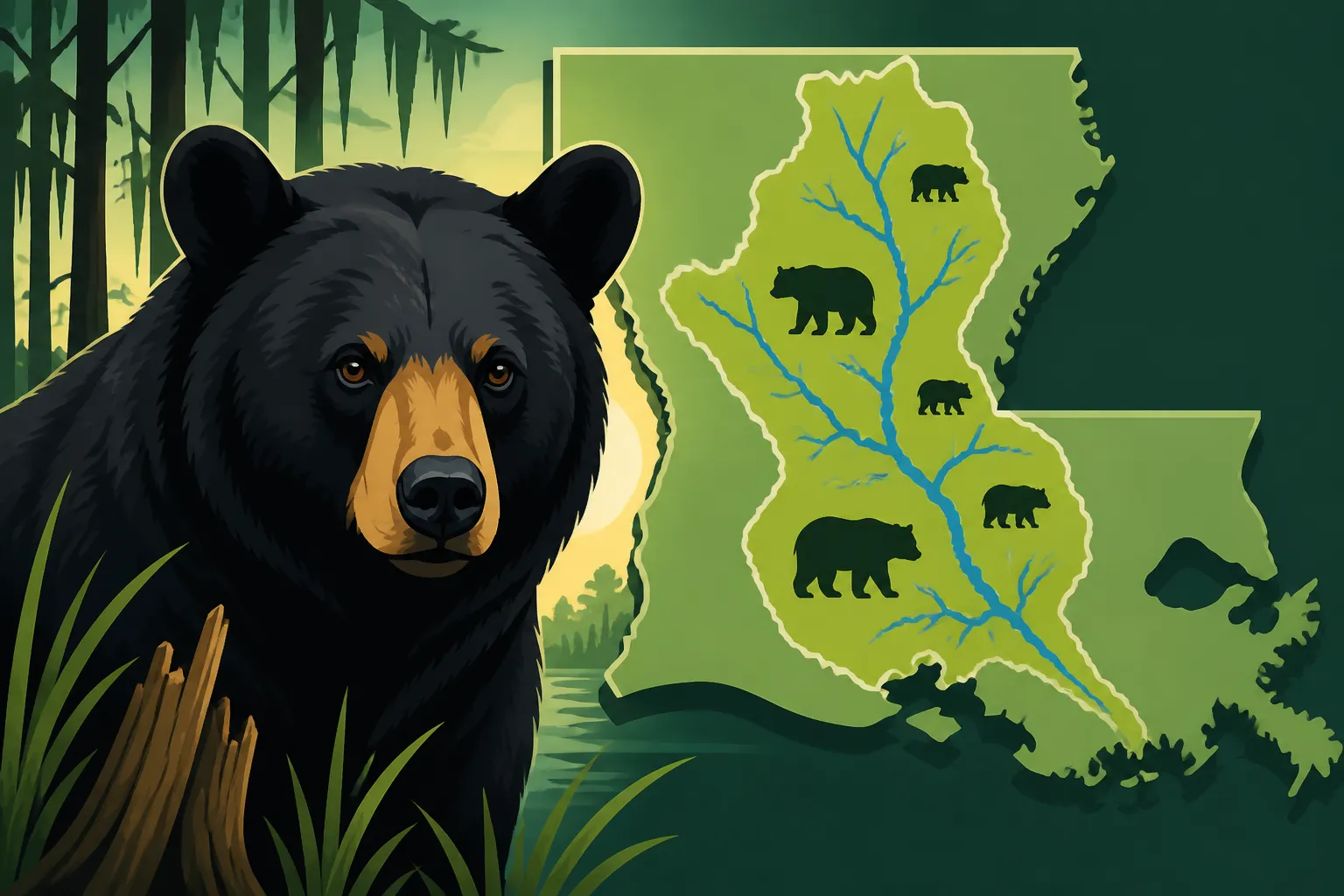
Many Louisiana hunters often wonder why the black bear population seems to thrive so much more in certain areas, particularly the Tensas Basin, compared to other parts of our beautiful state. It can be a real head-scratcher when you look at a map, but the reasons are deeply rooted in history, geography, and incredible conservation efforts that have made this region a true sanctuary. This guide will take a deep dive into precisely why the Tensas Basin has become such a critical stronghold for Louisiana's black bears and what makes this unique, water-rich region so perfect for them.
The Historical Roots of the Tensas Bear Stronghold
Understanding why the Tensas Basin is a black bear hotspot today requires a look back at the landscape and human activity over the centuries. It's not just a happy accident; it's a testament to resilience and the unique characteristics of this river bottom country.
A Legacy of Refuge in the River Bottoms
Before widespread European settlement, black bears roamed across most of Louisiana, from the piney hills to the coastal marshes. They were an integral part of nearly every ecosystem. However, as agriculture expanded, timber was harvested, and human populations grew, much of their habitat was fragmented or destroyed. Bears, needing vast tracts of undisturbed land and plentiful food, began to disappear from many areas.
The Tensas Basin, with its deep, ancient river bottoms and dense hardwood forests, offered a crucial refuge. This area, shaped by the mighty Mississippi River and its tributaries, was historically less accessible and thus slower to be developed for farming or urbanization compared to the higher, drier lands. The sheer scale of the contiguous bottomland hardwood forest provided isolation and resources that bears desperately needed to survive the onslaught of human expansion. It became a last bastion, a biological anchor for the species in Louisiana.
The Journey of Recovery and Restoration
By the mid-20th century, the Louisiana black bear was in dire straits, with populations plummeting to alarmingly low numbers. The Tensas population represented one of the last remaining indigenous groups in the state. Seeing the critical need, conservationists and the Louisiana Department of Wildlife and Fisheries (LDWF) embarked on significant recovery efforts. These efforts recognized the unique value of the Tensas as a genetic cornerstone.
While some reintroductions occurred in other parts of the state, the Tensas population was largely a remnant group that, with protection and habitat restoration, began to slowly expand. Land acquisition and management on tracts like the Tensas River National Wildlife Refuge Hunting were pivotal. These initiatives focused on protecting existing habitat, improving forest health, and ensuring connectivity within the landscape, allowing the bears to rebound. This targeted focus on protecting and restoring this core area was essential, as detailed in articles like How Louisiana's Bear Population Recovered. The strategy was to build upon the strongest existing foundation, and that foundation was undeniably in the Tensas.
Prime Habitat: What Makes the Tensas So Special?
If you were to design a perfect home for a black bear in Louisiana, you'd likely sketch something very close to the Tensas Basin. Its unique ecological makeup provides everything a bear could ever want or need.
A Rich Tapestry of Food Sources
Bears are opportunistic omnivores, and the Tensas Basin provides an absolute buffet throughout the year. The diverse bottomland hardwood forests are especially rich in hard mast, primarily acorns from various oak species like Nuttall, Water, and Cherrybark oaks. These acorns are a high-energy, critical food source, especially in the fall when bears are trying to pack on weight before winter. A good mast crop can mean healthier bears and higher cub survival rates.
Beyond acorns, the basin explodes with soft mast. Persimmons, muscadines, dewberries, blackberries, and various palmetto berries offer seasonal abundance. Bears also gorge on insects, grubs, and even small mammals or carrion. The intricate network of bayous, sloughs, and oxbow lakes supports aquatic life, adding another layer of food diversity. This consistent, year-round availability of high-quality food is a primary driver behind the robust bear population here, allowing them to thrive and reproduce successfully.
Unparalleled Cover and Denning Opportunities
Bears, despite their size, are incredibly secretive animals that rely heavily on dense cover for security, travel, and especially denning. The Tensas Basin delivers this in spades. It boasts some of the most extensive and least disturbed bottomland hardwood forests left in Louisiana, interspersed with thick canebrakes and swampy backwaters. This dense vegetation provides perfect escape cover from humans and ample thermal cover in both summer and winter.
The complex hydrology of the basin—with its meandering bayous, ancient oxbows, and sloughs—creates a landscape of elevated ridges and natural levees surrounded by water, which are ideal for denning. Bears often utilize large hollow trees, dense thickets of palmetto, or even excavated dens under root masses or fallen logs. These secluded denning sites, often surrounded by water, offer protection from predators and human disturbance, critical for sows raising their cubs. When you're Hunting the Tensas River Basin, you quickly realize how easily a large animal can simply vanish into the dense undergrowth and vast timber.
Modern Management and Population Dynamics
The health and continued growth of the Tensas bear population aren't just natural phenomena; they are also the result of dedicated modern management practices and an understanding of bear behavior.
LDWF's Role in a Thriving Population
The Louisiana Department of Wildlife and Fisheries (LDWF) plays a crucial role in maintaining the Tensas bear stronghold. Through continuous research, population monitoring, and habitat management, they ensure the bears have the best chance to thrive. This includes managing timber harvests to promote diverse food sources, protecting critical denning habitat, and conducting surveys to estimate population numbers and health.
The carefully structured hunting seasons, such as Louisiana's limited bear lottery, are also a testament to this careful management. These highly regulated hunts are designed to be sustainable, removing a small number of bears while ensuring the overall health and growth of the population. Applying for these limited tags, as outlined in Louisiana's Reinstated Black Bear Lottery, means supporting these conservation efforts directly. When you're preparing for a potential draw, resources like GoHunt can be really helpful, providing historical data, draw odds, and application strategies to maximize your chances and stay informed about the regulations.
Understanding Bear Movement and Subpopulations
While the Tensas Basin is the undisputed core of Louisiana's black bear population, bears don't stay put. Younger bears, particularly males, are known to disperse from their birth areas in search of new territories. This dispersal helps expand the bear's range and ensures genetic diversity across the state. However, the Tensas population acts as a vital source, continually replenishing and supporting smaller, more isolated subpopulations.
This is why, even though you might find bears in other areas like The Atchafalaya Basin Bear Population or The Coastal Bear Population Near Terrebonne, the Tensas consistently boasts the highest densities and the most robust population. The size and connectivity of the habitat within the Tensas allow for healthy genetic exchange and a higher carrying capacity for bears. Understanding these dynamics is essential for statewide bear conservation, and tools like GoHunt can help hunters research official data and maps that illustrate these various bear ranges and population estimates, aiding in planning and conservation awareness.
| Feature | Tensas Basin | Atchafalaya Basin |
|---|---|---|
| Primary Habitat Type | Vast Bottomland Hardwood Forests, Cypress-Tupelo Swamps | Riverine Swamps, Cypress-Tupelo Forests, Wax Myrtle Ridges |
| Key Food Sources | Abundant Hard Mast (Oaks), Soft Mast (Persimmon, Muscadine), Insects | Diverse Mast, Aquatic Vegetation, Insects, Crawfish |
| Human Disturbance | Historically lower, large contiguous blocks of public land (NWR) | Higher population density, more fragmentation, extensive oil/gas activity |
| Connectivity | Excellent, due to contiguous forest and river systems | Good, but complex hydrology can create more isolated pockets |
| Denning Opportunities | Numerous large hollow trees, dense canebrakes, elevated areas during floods | Hollow trees, palmetto thickets, high ground ridges |
| Population Status | Core population stronghold, high density | Recovering, stable but generally lower density |
Implications for Hunters and Conservationists
For those of us who appreciate Louisiana's wild places, the thriving black bear population in the Tensas Basin is a source of immense pride and offers unique opportunities.
The Challenge and Reward of Hunting in the Tensas
Even with the highest bear numbers in the state, drawing a tag for Hunting Louisiana's Reinstated Bear Season is an extraordinary achievement, and hunting a bear in the dense Tensas bottomlands is an even greater challenge. The thick cover, the elusive nature of the bears, and the vastness of the habitat demand exceptional woodsmanship, patience, and preparation. It's not a hunt for the faint of heart, but the reward of harvesting a truly wild, resilient animal in its prime habitat is unparalleled.
Hunters must meticulously follow all regulations, from Applying for a Louisiana Bear Lottery Tag to Attending the Mandatory Bear Hunter Course, where they learn about responsible hunting and the specifics of identifying a legal bear versus a cub or a sow with cubs. Understanding ethical shot placement, as discussed in Shot Placement on a Louisiana Black Bear, is paramount. Even when planning your strategy, whether it’s Spot-and-Stalk Tactics for a Bear Lottery Tag or figuring out logistics, consulting platforms like GoHunt can help organize your approach by providing access to official regulations, season dates, and even forums where experienced hunters share insights.
The Future of Louisiana Black Bears
The Tensas Basin serves as a powerful reminder of what dedicated conservation efforts can achieve. The black bear's rebound here is a success story, but it's an ongoing one. The future of Louisiana's black bears, both within and beyond the Tensas, depends on continued habitat protection, thoughtful management, and public understanding and support.
Hunters play an integral role in this future. Through license fees, participation in regulated seasons, and reporting observations, they contribute directly to the resources and data needed for effective conservation. By appreciating and supporting the unique ecosystem of the Tensas Basin, we ensure that these magnificent creatures will continue to roam its ancient forests for generations to come. Every responsible hunter, every person who respects the wildness of this land, helps safeguard the legacy of the Louisiana black bear.
Disclaimer
This article is for general informational purposes only and does not constitute professional advice. Laws, prices and regulations vary by location and change over time. Consult a qualified professional for guidance on your specific situation.