The Coastal Bear Population Near Terrebonne
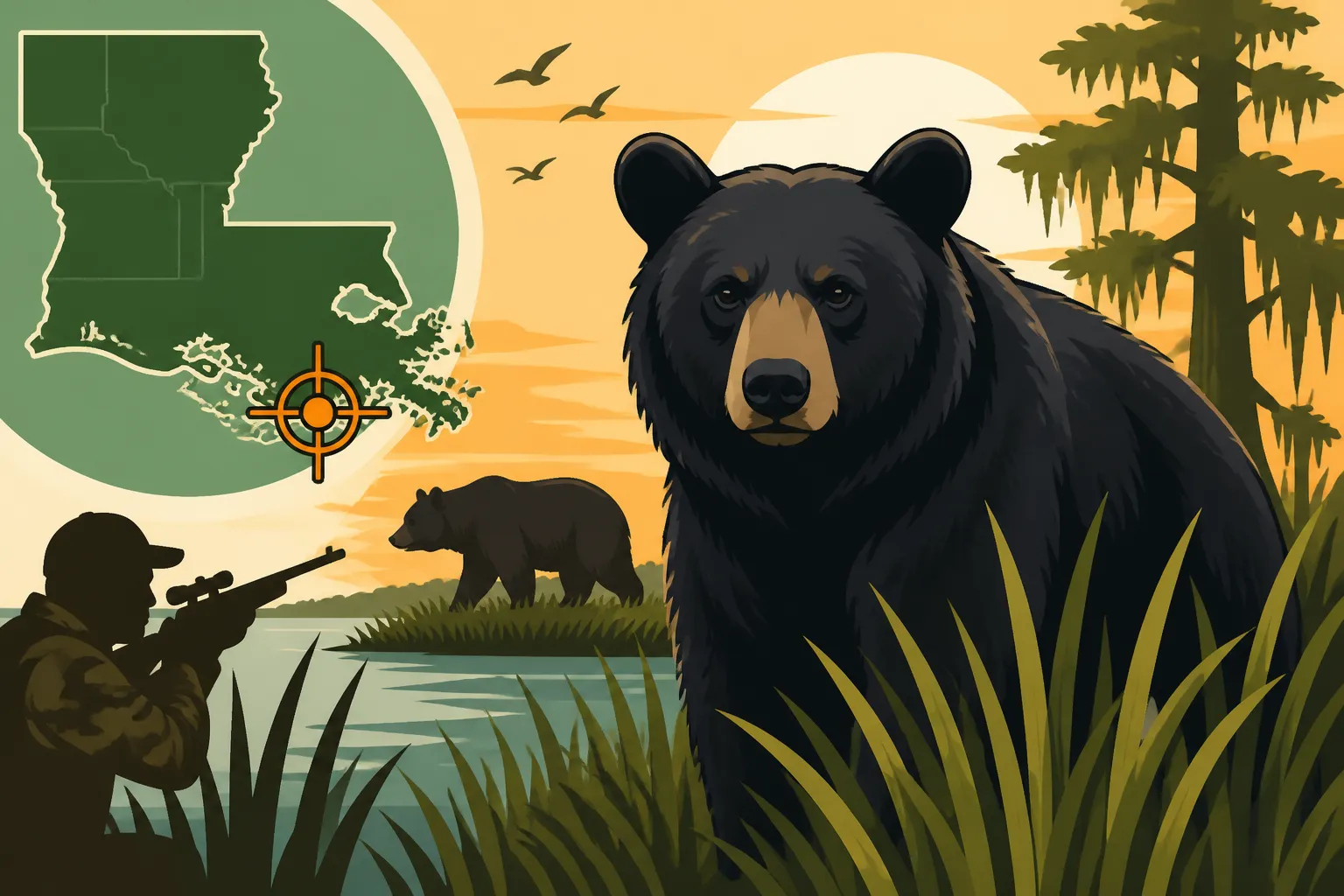
For anyone living or hunting in Terrebonne Parish, the idea of black bears roaming the marsh can seem almost mythical, yet these resilient creatures are very much a part of our ecosystem. Unlike their cousins in the dense river bottoms or expansive swamps, the coastal bear population near Terrebonne faces a unique set of challenges and adaptations. This guide delves into what makes this particular group of Louisiana black bears so distinct, exploring their history, their fight for survival in a rapidly changing environment, and how they interact with both the landscape and the people who call this region home.
The Journey Back: A Coastal Bear's History
Louisiana's black bear population has a truly remarkable comeback story, and the bears inhabiting the coastal zones, particularly around Terrebonne Parish, are a testament to this resilience. Once abundant across the state, black bear numbers plummeted dramatically throughout the 20th century due to extensive habitat destruction, primarily the clearing of vast bottomland hardwood forests for agriculture and logging, coupled with unregulated hunting. By the 1980s, the Louisiana black bear was listed as a federally threatened species, clinging to existence in fragmented pockets.
The recovery efforts, championed by wildlife agencies and conservation groups, focused heavily on habitat restoration and protection, especially in critical areas like the Tensas River Basin and the Atchafalaya Basin. However, a distinct group of bears had always found a way to survive along the coast. These bears, historically present in the cypress-tupelo swamps and adjacent marshlands, had a different trajectory and faced unique pressures. Their historical range would have included not just the deeper swamps but also the transitional zones where freshwater habitat met the brackish and saline marshes, relying on the islands of higher ground and the abundant, if different, food sources found there. The genetic isolation of these populations from the larger, more robust groups like The Atchafalaya Basin Bear Population or those in the Tensas Basin, highlights their distinct adaptive journey. Understanding How Louisiana's Bear Population Recovered often focuses on these larger, more contiguous habitats, but the coastal story is equally compelling, albeit on a smaller, more precarious scale.
Surviving Coastal Development and Habitat Loss
The coastal region of Louisiana, including Terrebonne, has seen immense development over the decades, from oil and gas infrastructure to residential expansion. This human footprint has carved up the already intricate landscape, further fragmenting the limited upland habitat that bears rely on for denning, travel, and foraging. Imagine a bear trying to navigate a maze of canals, pipelines, and elevated roads, all while looking for safe passage and food. It’s a far cry from the expansive, relatively undisturbed forests of their ancestors.
The historical loss of critical cypress-tupelo swamps, which provided high ground and diverse food sources, pushed these bears further into the marsh proper. These coastal bears had to adapt to less ideal conditions, often having to travel significant distances between suitable habitat islands. The challenges were compounded by historical hunting pressures before robust conservation measures were in place, making their survival even more impressive. Their ability to persist despite these overwhelming odds speaks volumes about the species' adaptability and the importance of every remaining piece of suitable habitat, no matter how small or isolated it might seem.
Conservation's Long Game: A Fragile Return
The conservation story for the coastal bears is truly a long game, played out over generations. While the Louisiana black bear was delisted from the federal threatened species list in 2016, marking a huge success, the coastal population remains particularly vulnerable. This vulnerability stems from their relatively smaller numbers, the fragmented nature of their habitat, and the relentless march of coastal erosion. The state's efforts to manage and protect Louisiana's Recovering Black Bear involve monitoring population health, genetic diversity, and habitat availability across all three primary subpopulations: the Tensas Basin, the Atchafalaya Basin, and the coastal zone.
For the Terrebonne bears, protecting and connecting the remaining patches of suitable habitat is paramount. This includes preserving existing forested cheniers (relict beach ridges), natural levees, and any elevated land that can provide refuge during high water events. While they might not be the primary target for Louisiana's Reinstated Black Bear Lottery given their smaller numbers, understanding their distinct ecological needs is crucial for comprehensive statewide management. Every effort to restore cypress swamps or create elevated nesting and denning sites contributes directly to the long-term viability of these unique coastal residents, ensuring that future generations can continue to thrive in their brackish domain.
Life in the Salt Marsh: Unique Challenges for Terrebonne Bears
The Louisiana black bears residing in the coastal areas of Terrebonne Parish are truly extraordinary, embodying a level of adaptability that sets them apart from their inland counterparts. Their habitat is a dynamic, ever-changing mosaic of brackish and saline marshes, interspersed with bayous, canals, and small islands of higher ground. It's a world where the line between land and water is constantly blurred, and fresh water can be a precious commodity. This environment presents a unique suite of challenges that coastal bears have learned to navigate with remarkable ingenuity.
Adapting to a Brackish Environment
One of the most significant challenges for bears in the Terrebonne marsh is the prevalence of saltwater. Unlike deer or hogs that might thrive closer to freshwater sources, bears require access to fresh water for drinking. This often means they must travel to specific freshwater lenses that might accumulate after rainfall on higher ground, or seek out areas where freshwater runoff from inland still influences the marsh. Their diets also reflect this unique environment; while they still forage on traditional bear foods like palmetto berries, acorns (where available on cheniers), and seasonal fruits, coastal bears are known to supplement their diets with items like crabs, alligator eggs, and even small fish, showcasing their opportunistic nature.
Think about a hot summer day in the marsh – the humidity is oppressive, and the sun beats down. Finding shade and fresh water becomes a daily quest. These bears often utilize dense stands of roseau cane or thicker shrubby vegetation along bayou banks for cover, seeking relief from the elements. Their movements are often dictated by tides and water levels, using natural levees and spoil banks from dredging operations as travel corridors when the marsh floor is inundated. This intricate relationship with their watery home means that changes in water management or climate can have an immediate and profound impact on their ability to survive. Hunting Louisiana's Coastal Marsh Parishes for other species often involves similar considerations for water levels and terrain, highlighting the shared ecological realities.
The Relentless Threat of Coastal Erosion
Perhaps no threat looms larger over the Terrebonne bear population than coastal erosion. Louisiana loses a football field of land every 100 minutes, and the Terrebonne basin is one of the hardest-hit areas. This isn't just a loss of marsh; it's a direct loss of critical bear habitat. As saltwater intrusion increases and storm surges become more powerful, the already limited patches of elevated land and freshwater vegetation shrink further. This process forces bears into smaller, more isolated areas, increasing competition for resources and making them more susceptible to human encounters or natural disasters.
Imagine a bear's den site, carefully chosen on a slightly elevated ridge. A strong hurricane can completely inundate this area, destroying the den and displacing the bear, potentially forcing it into less suitable or more dangerous locations. The long-term implications are dire: without stable, sufficient habitat, the coastal bear population will struggle to maintain genetic diversity and healthy numbers. Organizations constantly monitor these changes, using tools often similar to those found on platforms like GoHunt, to track land loss and identify crucial areas for restoration or protection. This data-driven approach is essential for Where Louisiana Black Bears Range Today and how their future habitat might look.
Coexisting with Coastal Black Bears: Management and Human Interaction
Living in close proximity to a thriving, yet vulnerable, black bear population in a densely populated and developed coastal area like Terrebonne presents unique challenges for both humans and wildlife managers. The increasing overlap between human communities and bear habitats necessitates a proactive approach to coexistence, focusing on education, prevention, and responsible management.
Minimizing Human-Bear Conflict
One of the primary concerns with coastal bears is the potential for human-bear conflict. As natural food sources fluctuate or bear populations expand into developed areas, bears can become attracted to easily accessible human-provided foods such as garbage, pet food, or even agricultural crops. A bear that learns to associate humans with food sources can quickly become a "nuisance bear," posing risks to itself and the community. This is a common issue wherever Louisiana's Three Bear Subpopulations intersect with human activity, but the confined nature of coastal habitat can exacerbate it.
For residents in bear country, simple steps can make a huge difference: securing garbage in bear-proof containers or sheds, bringing pet food indoors, and never intentionally feeding bears. Wildlife agencies work tirelessly to educate the public on these practices, often distributing literature and providing advice. Sometimes, a bear may need to be hazed (scared away using non-lethal methods) or, in rare cases, relocated if it becomes habituated to human presence and poses a threat. The goal is always to encourage bears to remain wild and avoid interactions that could be detrimental to their survival or human safety. When reporting nuisance wildlife, the Louisiana Department of Wildlife and Fisheries (LDWF) is the primary contact, and they appreciate calls that help them track bear movements and behaviors.
The Role of Management and Monitoring
The Louisiana Department of Wildlife and Fisheries plays a crucial role in managing the coastal bear population. This includes ongoing monitoring through techniques like remote camera surveys, hair snare analysis for DNA, and occasionally, collaring bears to track their movements and denning habits. This scientific data is vital for understanding population size, health, and how individual bears utilize the fragmented coastal landscape. Platforms similar to GoHunt are leveraged by wildlife managers to analyze terrain, land use, and potential travel corridors for these animals, contributing to better habitat management decisions.
While the primary focus for the coastal bears remains conservation and population growth, their presence is factored into broader management strategies, including the state's limited Louisiana's Reinstated Black Bear Lottery. Although specific hunting opportunities for the coastal subpopulation are typically not available due to their smaller numbers and vulnerability, the overall bear management plan helps ensure the health and stability of the species statewide. Hunters participating in the lottery for other zones are still required to understand bear biology and behavior, as detailed in the Attending the Mandatory Bear Hunter Course, which indirectly benefits all bear populations by fostering responsible wildlife stewardship.
Future Outlook and Conservation Efforts
The future of the coastal bear population near Terrebonne is intrinsically linked to the fate of Louisiana's vanishing coast. Large-scale coastal restoration projects, such as marsh creation and sediment diversions, offer a glimmer of hope by rebuilding habitat and introducing freshwater into saline environments. These projects, while primarily aimed at protecting communities and infrastructure, can also provide invaluable new habitat for bears, expanding their foraging grounds and offering more secure denning sites.
Community engagement is also critical. Local residents, landowners, and hunters can become active stewards of these bears by reporting sightings (without disturbing the animals), participating in habitat restoration efforts, and continuing to practice bear-safe habits. Every effort, no matter how small, contributes to a greater understanding and protection of these incredible animals. The bears of Terrebonne are a living symbol of Louisiana's wild heritage and a powerful reminder of the delicate balance between nature and human endeavor in our precious coastal ecosystems.
Louisiana Black Bear Subpopulations at a Glance
| Subpopulation | Primary Habitat | Key Characteristics | Primary Challenges |
|---|---|---|---|
| Tensas Basin (Area A) | Bottomland hardwood forests | Largest, most robust population; traditional bear country | Habitat fragmentation, human encroachment, CWD concerns |
| Atchafalaya Basin | Cypress-tupelo swamps, marshy | Adaptive to vast, flooded landscapes; good genetic diversity | Oil & gas activity, water level fluctuations, access |
| Coastal (Terrebonne) | Coastal marsh, barrier islands | Highly adapted to saline environments, unique food sources | Coastal erosion, saltwater intrusion, hurricane impacts |
Tracking and Protecting the Coastal Giants
Monitoring and understanding the specific dynamics of the coastal bear population in areas like Terrebonne is a complex undertaking, requiring dedicated resources and advanced techniques. Unlike more accessible habitats, the dense marsh, intricate waterways, and often soft, unstable ground make traditional fieldwork incredibly challenging. Yet, knowing where these bears are, how many there are, and what health challenges they face is crucial for their long-term survival.
Scientific Methods in the Marsh
Wildlife biologists employ a suite of specialized techniques to track these elusive coastal giants. Remote sensing technology, for example, is increasingly valuable for mapping changes in vegetation, water levels, and available upland habitat. This helps researchers identify potential travel corridors, denning sites, and foraging areas that might otherwise be impossible to assess on foot. Genetic sampling, often done through hair snares placed strategically along known bear trails or crossing points, allows biologists to estimate population size, understand genetic diversity, and identify individual bears without direct capture. These methods are essential for monitoring How Many Black Bears Louisiana Has at a more granular, subpopulation level.
Traditional methods, such as live-trapping and collaring, are also utilized, though with greater difficulty in the marsh environment. When a bear is temporarily captured and fitted with a GPS collar, its movements can be tracked for months or even years, providing invaluable data on home range size, denning locations, and habitat preferences. This kind of detailed information helps inform management decisions, such as identifying critical areas for land acquisition or protection, and understanding how bears respond to environmental changes like severe weather events. For those interested in wildlife tracking technology, resources found on platforms similar to GoHunt can often illustrate how these tools are applied in different terrains.
The Role of Public Reporting and Citizen Science
While scientific research is paramount, public reporting also plays a vital role in understanding the coastal bear population. Local residents, anglers, hunters (who might be out Hunting Louisiana's Coastal Marsh Parishes for ducks or other game), and outdoor enthusiasts are often the first to spot bears in the wild. Reporting these sightings, even if it's just a glimpse, provides valuable anecdotal data points for wildlife managers. This information, when combined with scientific studies, can help create a more complete picture of bear distribution and activity patterns.
It's important to report bear sightings to the LDWF, providing details such as location, date, time, and any observed behavior. However, it's equally important to do so responsibly: maintain a safe distance, never approach or feed a bear, and avoid disturbing its natural behavior. Platforms and apps for outdoor recreation often have features that allow users to share wildlife observations, and while not official data collection points, they highlight the public's growing interest in and contribution to citizen science efforts. This collective knowledge helps us appreciate and protect these incredible creatures.
Collaborative Conservation Efforts
Protecting the coastal bear population is not a task for any single entity; it requires a collaborative approach involving state and federal agencies, conservation organizations, local communities, and private landowners. Initiatives focused on coastal restoration, such as building new marshlands, creating barrier island protection, and managing freshwater flow, directly benefit bears by enhancing and expanding their habitat. These efforts also help other iconic Louisiana species and protect human communities from storm surge.
For those interested in actively supporting bear conservation, numerous opportunities exist. This could range from volunteering with local conservation groups to contributing to habitat restoration projects. Even simply advocating for sound coastal land management policies can have a profound impact. While the individual bear that you might spot near Terrebonne Parish is a symbol of wild Louisiana, its continued existence is a testament to the ongoing dedication to protect Louisiana's Recovering Black Bear and its unique coastal home.
Disclaimer
This article is for general informational purposes only and does not constitute professional advice. Laws, prices and regulations vary by location and change over time. Consult a qualified professional for guidance on your specific situation.