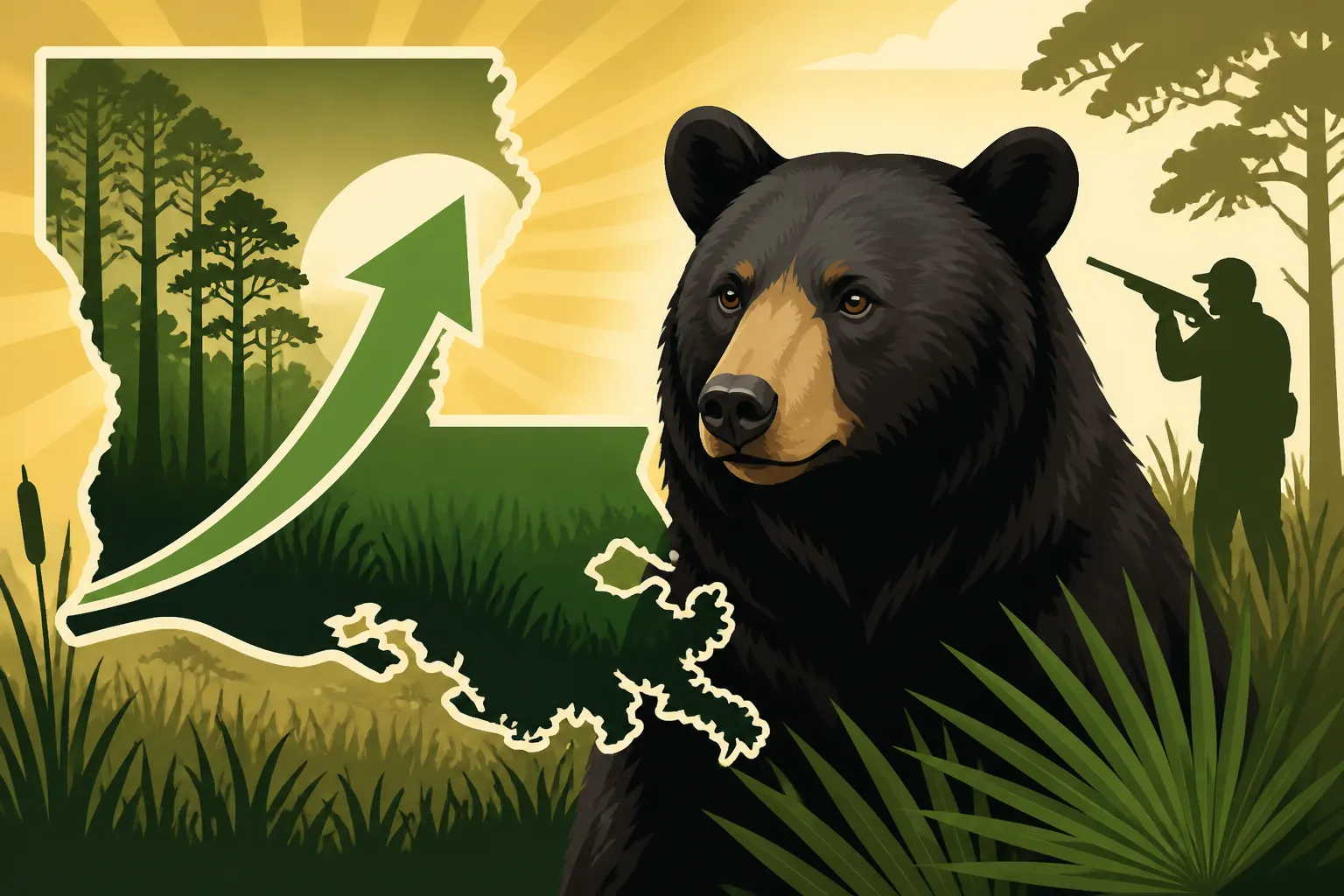
How Louisiana’s Bear Population Recovered
You know, for a long time here in Louisiana, the idea of a black bear population wasn't something many of us thought about, let alone encountered. It felt like something out of history books, a majestic creature driven from our bayous and forests. Seeing one was an extremely rare event, almost a myth. But I'm here to tell you, the story of the Louisiana black bear is one of the most incredible conservation victories our state has ever seen. This guide is all about how these magnificent animals clawed their way back from the brink of extinction, reclaiming their rightful place in our wild spaces.
The Steep Decline of Louisiana's Black Bears
It's hard to imagine now, but there was a time when black bears roamed across vast stretches of Louisiana, from the piney hills to the deep swamps. These incredible creatures were an integral part of our state's ecosystem. However, as the 19th century gave way to the 20th, a perfect storm of factors began to decimate their numbers, pushing them ever closer to oblivion.
Loss of Critical Habitat
One of the biggest culprits in the black bear's decline was the dramatic loss of their natural habitat. Louisiana underwent massive changes during this period. The rich, fertile bottomland hardwood forests, which were prime bear territory, were cleared at an alarming rate for agricultural expansion. Imagine mile after mile of towering oaks, cypress, and tupelo trees, suddenly being replaced by cotton fields and later, soybeans. These were the places where bears found shelter, raised their young, and foraged for acorns and berries. When those forests disappeared, so did the bears' ability to survive.
Furthermore, the timber industry ramped up, leading to widespread logging that fragmented remaining forests. Bears need large, contiguous blocks of wilderness to thrive. They aren't creatures that do well in small, isolated patches of woods surrounded by human development. The relentless march of progress, while economically beneficial for many, simply left no room for the bears to exist as they once did. Their homes were literally cut down, plowed under, and built over, leaving them with fewer and fewer places to hide and reproduce.
Unregulated Hunting and Persecution
Beyond habitat loss, unregulated hunting played a significant, if not devastating, role in the black bear's downward spiral. During the late 1800s and early 1900s, there were no real limits or seasons on bear hunting. Bears were often viewed as pests, a threat to livestock, or simply a source of meat and hides. Market hunting, where animals were killed for commercial purposes, also took a heavy toll. Many people saw them as a nuisance, especially as human settlements expanded deeper into bear country.
It wasn't just individual hunters, either. Organized bear hunts were common, often involving large groups and packs of dogs, effectively clearing out entire areas. There was little understanding or concern for population management. The mentality was often to eliminate bears rather than conserve them. By the mid-20th century, the cumulative effect of habitat destruction and relentless hunting had pushed the Louisiana black bear to the very brink. They were listed as a federally threatened species in 1992, a stark reminder of how close we came to losing them entirely.
Groundbreaking Conservation Efforts Take Root
The story of the Louisiana black bear isn't just one of decline; it's a testament to what dedicated conservation can achieve. Once the dire situation was recognized, a concerted effort began to bring these magnificent animals back. It was a long, often challenging road, but the commitment of biologists, landowners, and concerned citizens ultimately paid off.
Reintroduction and Translocation Programs
One of the most critical steps in the bear's recovery was a bold reintroduction program that kicked off in the 1960s. By that point, the native bear population was so fragmented and sparse that natural recovery was deemed impossible in many areas. Louisiana biologists, working with their counterparts in Minnesota, embarked on a groundbreaking effort to bring bears from a healthy population in northern Minnesota to the wilds of Louisiana.
These Minnesota bears were carefully trapped and then transported hundreds of miles south to new homes in Louisiana, primarily in the Tensas River Basin and the Atchafalaya Basin. Imagine the logistics! Bears were sedated, loaded onto trucks, and driven to these remote areas, where they were released into what remained of suitable habitat. This wasn't a one-time event; it was a sustained program that occurred over several years, slowly but surely replenishing the gene pool and establishing new breeding populations. The hope was that these new arrivals would adapt to their southern surroundings, find mates, and begin to reproduce, laying the foundation for a self-sustaining population once more. This monumental task was essential for the recovery of the species.
Habitat Protection and Corridor Development
Bringing new bears into the state was only part of the solution. If they didn't have suitable places to live, the effort would be in vain. Recognizing this, significant focus was placed on protecting and restoring critical bear habitat. This included establishing and expanding wildlife refuges and Wildlife Management Areas (WMAs) in key regions like the Tensas National Wildlife Refuge and the Atchafalaya National Wildlife Refuge. These protected lands became anchors for the growing bear populations, offering secure areas where they could live, forage, and raise cubs without constant human disturbance.
Beyond simple protection, there was a growing understanding of the need for habitat corridors. Bears are wide-ranging animals, and isolated patches of forest, no matter how pristine, aren't enough in the long run. They need to be able to move safely between different areas to find mates, access diverse food sources, and avoid inbreeding. This led to efforts to connect fragmented forest blocks, sometimes through working with private landowners to implement conservation easements or by managing adjacent agricultural lands in a bear-friendly manner. The idea was to create a network of interconnected habitat, allowing bears to disperse and expand their range naturally. It's a continuous effort, but one that has been crucial in allowing the population to expand beyond just the initial release sites.
Louisiana's Three Distinct Bear Subpopulations Today
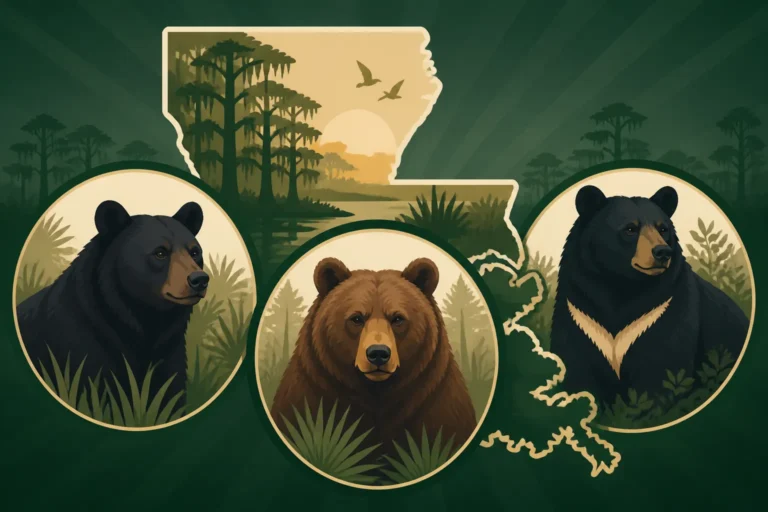
Thanks to decades of hard work, Louisiana is now home to a thriving black bear population, but it's not a monolithic group. Rather, the bears have established themselves in three distinct subpopulations, each with its own unique habitat and characteristics. Understanding these groups is key to appreciating the success of the recovery efforts and the ongoing challenges that remain. You can delve deeper into Louisiana's Three Bear Subpopulations to see how different areas contribute to their overall numbers.
The Tensas Basin Bear Population
If you're looking for the heart of Louisiana's black bear resurgence, the Tensas River Basin is where you'll find it. This region, located in northeastern Louisiana, is often considered the stronghold of the state's bear population. It's characterized by vast tracts of bottomland hardwood forest, much of which is protected within the Tensas River National Wildlife Refuge and adjacent lands. These forests provide everything a bear needs: abundant acorns, soft mast (berries), denning sites in hollow trees, and dense cover.
The bears in the Tensas Basin have really thrived. They've expanded their range, and their population is robust, serving as a source for bears that sometimes disperse into surrounding areas. This success is directly linked to the large, relatively undisturbed habitat and the initial reintroduction efforts that took place here. While they face some challenges from habitat fragmentation on the edges of their core range, their numbers here are strong, a testament to the effectiveness of focused conservation. You'll often hear about the highest density of bears, and many of them reside within this critical area, which is a major factor in Why the Tensas Basin Holds the Most Bears.
The Atchafalaya Basin Bear Population
South of the Tensas, the Atchafalaya Basin represents a dramatically different, yet equally vital, habitat for Louisiana's black bears. This is North America's largest river swamp, a sprawling wilderness of cypress and tupelo trees, labyrinthine bayous, and seasonally flooded bottomlands. The bears here are truly creatures of the swamp, adapted to a semi-aquatic lifestyle. They navigate the water with ease, finding food sources like palmetto berries, cane, and aquatic vegetation, along with the occasional fish or frog.
The Atchafalaya Basin's immense size and relatively wild nature have allowed a significant bear population to establish itself and grow. While challenging for humans to traverse, the dense cover and abundant resources make it ideal for bears seeking refuge. However, their lives are intrinsically linked to the basin's dynamic water levels, which can fluctuate dramatically, impacting food availability and denning sites. This population is still expanding and often provides the most exciting encounters for those adventurous enough to venture deep into the swamp, where you might learn more about The Atchafalaya Basin Bear Population.
The Coastal Bear Population Near Terrebonne
The third and perhaps most precarious subpopulation of Louisiana black bears resides in the coastal marshes and swamp forests of parishes like Terrebonne. This group is smaller and more isolated than the others, facing unique and severe challenges. Their habitat is a mosaic of fragmented forest islands, surrounded by vast expanses of brackish and saltwater marsh, often just a stone's throw from the Gulf of Mexico.
These coastal bears are incredibly resilient, adapting to life on the edge. However, they are highly vulnerable to habitat loss due to coastal erosion and subsidence, which are rapidly eating away at the land they call home. As sea levels rise and the marsh disappears, their already limited habitat becomes even smaller and more fragmented. This isolation also leads to genetic concerns, as they have fewer opportunities to breed with bears from other populations. Protecting this unique group requires specialized conservation strategies focused on land restoration and maintaining what little high ground remains. It's a constant battle against the forces of nature, but their survival is critical for the overall health of the species in Louisiana. This group, truly on the front lines of environmental change, offers a fascinating look at The Coastal Bear Population Near Terrebonne.
Here's a quick look at how these three distinct populations stack up:
| Bear Subpopulation | Primary Habitat | Status | Key Characteristics | Challenges |
|---|---|---|---|---|
| Tensas Basin | Bottomland Hardwood Forests | Robust, Recovered, Primary Source | Largest population, wide-ranging | Habitat fragmentation on edges, human conflict |
| Atchafalaya Basin | Cypress-Tupelo Swamps, Bayous | Recovering, Expanding, Resilient | Adapted to aquatic environment, abundant food | Water level changes, increased human interaction |
| Coastal (Terrebonne) | Coastal Marshes, Fragmented Forests | Isolated, Vulnerable, Unique | Highly resilient, specialized diet | Severe coastal erosion, habitat loss, genetic isolation |
Modern Management, Monitoring, and the Future
The recovery of the Louisiana black bear is an ongoing success story, but it's one that requires constant vigilance and adaptive management. The Louisiana Department of Wildlife and Fisheries (LDWF), along with federal partners and private conservation groups, continues to implement strategies to ensure the long-term viability of the species. This isn't a "set it and forget it" kind of deal; it's dynamic, informed by science, and responsive to new challenges.
Population Monitoring and Research
To effectively manage the bear population, biologists need to know how many bears there are, where they're moving, and how healthy they are. This is where modern population monitoring and research come into play. LDWF employs a variety of techniques, from sophisticated DNA analysis of hair samples collected at bait stations to radio-collaring individual bears to track their movements and denning habits. These methods provide invaluable data on bear density, reproduction rates, survival rates, and dispersal patterns.
For instance, understanding things like bear density by Louisiana area helps target conservation efforts where they're most needed. Researchers might use genetic samples to identify individual bears and estimate population size, giving a much clearer picture than simply counting sightings. Tools and platforms like those offered by GoHunt, which provide detailed mapping and data insights for hunters, can offer a glimpse into the kind of sophisticated spatial analysis that wildlife biologists use to understand intricate animal movements and habitat use. While LDWF uses its own proprietary systems, the principle of leveraging data and mapping to understand wildlife remains a cornerstone of modern conservation. This scientific approach ensures that management decisions are based on the best available information, adapting as conditions change and new insights emerge.
Public Education and Coexistence Initiatives
As bear populations have grown and expanded, so too has the likelihood of human-bear encounters. For many Louisianans, particularly those who live on the fringes of bear habitat, encountering a bear can be a new and sometimes unsettling experience. This is why public education and coexistence initiatives are absolutely vital. LDWF actively works to inform residents about living responsibly in bear country.
These initiatives include educating people on how to "bear-proof" their homes by securing garbage, removing pet food from outdoors, and keeping barbecue grills clean. They also provide guidance on what to do if you encounter a bear – generally, giving them space and never approaching them. The goal isn't to instill fear but to foster understanding and respect for these animals, minimizing negative interactions and promoting a harmonious coexistence. Programs like "Bear Wise" provide practical tips and resources, helping communities learn how to reduce attractants and prevent bears from becoming habituated to human food sources, which often leads to problems for both bears and people.
The Role of Regulated Hunting in Conservation
Perhaps one of the most significant indicators of the black bear's recovery in Louisiana is the reinstatement of a limited, highly regulated hunting season. After decades of protection, the LDWF determined that the population had recovered sufficiently to support a carefully managed harvest. This decision wasn't made lightly and is underpinned by extensive biological data and population models.
The hunting season, managed through a lottery system, is designed not to reduce the overall population but to help manage specific segments, particularly older male bears, and to generate revenue for ongoing conservation efforts. Hunters who apply for a tag, like those interested in Applying for a Louisiana Bear Lottery Tag, must also attend a mandatory hunter education course, where they learn about bear biology, shot placement, and how to differentiate between a legal bear and a cub. This ensures that any hunting that occurs is ethical, responsible, and contributes to the species' long-term health, rather than detracting from it. The revenue from licenses and lottery applications directly funds research, habitat management, and enforcement, making hunters active participants in the conservation success story. The ability to participate in Hunting Louisiana's Reinstated Bear Season is a direct result of these successful recovery efforts.
Disclaimer
Please remember that hunting regulations, seasons, and licensing requirements can change. Always consult the most current Louisiana Department of Wildlife and Fisheries (LDWF) official regulations before planning any hunting activity. This content is for informational purposes only and not a substitute for official legal or safety guidelines.