Applying for a Louisiana Bear Lottery Tag
The thrill of a Louisiana black bear hunt is something many local sportsmen dream of, but getting a tag is a whole different beast. It's not like simply buying your annual deer license; it requires navigating a special lottery system that can feel a bit daunting and, let's be honest, a little bit like a long shot. This comprehensive guide is here to walk you through every single step of applying for a Louisiana bear lottery tag, making sure you have all the information you need to throw your hat in the ring for this truly unique hunting opportunity.
Understanding Louisiana's Black Bear Season
Louisiana's black bear season is unlike any other hunt in the state. It's deeply intertwined with conservation efforts, a testament to the hard work put into bringing these magnificent animals back from the brink. For many years, a bear hunt in Louisiana was just a story from the past, but thanks to dedicated management and a recovering population, it's now a very real, albeit limited, opportunity. The limited nature is precisely why it's a lottery – to ensure sustainable harvest and manage the growing, but still sensitive, bear population.
The Recovery Story and Limited Tags
You know, it wasn't that long ago that seeing a Louisiana black bear in the wild was incredibly rare. For decades, their numbers were critically low due to habitat loss and overhunting in previous centuries. But through the tireless efforts of the Louisiana Department of Wildlife and Fisheries (LDWF), along with private landowners and conservation groups, these bears have made an incredible comeback. This recovery story is truly one for the books, and it’s why we even have a bear season today.
However, the population, while recovering, is still carefully managed. This isn't Texas where you might find bears in many counties; in Louisiana, their numbers are concentrated in specific areas. Because of this, the LDWF issues a very limited number of tags each year through a lottery system. It’s not about generating revenue; it's about precision management. This means competition for those coveted tags is incredibly fierce, and it's why understanding the "why" behind the lottery is just as important as knowing the "how." If you're curious about the history of this remarkable turnaround, you can dive deeper into the story of Louisiana's Recovering Black Bear.
Bear Hunting Zones and Population Density
Louisiana's black bear population isn't evenly distributed across the state. They tend to concentrate in a few key habitats, which is reflected in the designated bear hunting zones. The primary zones historically have been the Tensas River Basin, the Atchafalaya Basin, and a smaller, more fragmented population along the coastal plain near Terrebonne Parish. These are distinct areas where habitat is still rich enough to support a viable bear population.
The Tensas Basin, in particular, is often considered the stronghold, boasting a significant portion of the state's estimated bear numbers. The Atchafalaya Basin also holds a robust population, especially in its deeper, more secluded swamps. Understanding these zones is critical because when you apply for a lottery tag, you'll likely be applying for a specific zone. You can learn more about Where Louisiana Black Bears Range Today and how these populations are distributed. Knowing which zones have higher bear densities might not directly increase your lottery odds, but it certainly helps you understand the hunt's logistics if you're lucky enough to draw a tag.
Eligibility and Application Requirements
Before you even think about hitting that "submit" button, you need to make sure you meet all the necessary requirements. The LDWF has a strict set of rules to ensure that only qualified, knowledgeable hunters are entering the bear woods. This isn't a beginner's hunt, and the requirements reflect the seriousness and responsibility associated with hunting such a magnificent animal.
Resident vs. Non-Resident Rules
One of the first things to clarify is your residency status. For the Louisiana bear lottery, like many other specialized hunts, there's a significant difference between applying as a Louisiana resident and as a non-resident. Historically, these tags have been predominantly, if not exclusively, reserved for residents. This is a common practice in states with limited, highly sought-after game species, designed to prioritize opportunities for those who contribute to the state's conservation efforts through their hunting license purchases year-round.
Currently, Louisiana's black bear lottery tags are restricted to residents only. This means if you're not a legal resident of Louisiana, you won't be able to apply. It’s a reality that can be frustrating for out-of-state hunters, but it underscores the local focus of this unique conservation-driven hunt. Always double-check the latest LDWF regulations because rules can occasionally change, but for now, this hunt remains a resident-only affair. This makes getting a Louisiana Resident Hunting License Options crucial.
Mandatory Hunter Education and Bear Hunter Course
This isn't your average deer hunt where basic hunter education is usually sufficient. To even be considered for a Louisiana bear lottery tag, you must complete two specific educational requirements:
- Standard Hunter Education: If you were born on or after September 1, 1969, you must have successfully completed a hunter education course certified by the Louisiana Department of Wildlife and Fisheries or an equivalent course from another state. This is standard for most hunting in Louisiana, so many experienced hunters will already have this.
- Mandatory Bear Hunter Training Course: This is the big one, and it's specific to bear hunting. The LDWF requires all potential bear hunters to attend and pass a specialized bear hunter training course. This isn't just a formality; it's an intensive program designed to educate hunters on bear biology, behavior, ethical harvest practices, shot placement, bear recovery, and avoidance of conflicts with non-target bears (like sows with cubs). This course emphasizes safety, conservation, and proper decision-making in the field, which is vital for a species still in recovery. You can find more details about Louisiana's Mandatory Bear Hunter Training and What Louisiana's Bear Training Course Covers to get a sense of the curriculum.
It’s absolutely critical that you complete this mandatory bear course before the application deadline. They won't even consider your application if you haven't fulfilled this requirement, and rightfully so. The state wants to ensure that anyone pursuing a bear has the knowledge and respect necessary for the species.
The Application Process Step-by-Step
Alright, so you've done your homework, confirmed your eligibility, and completed the mandatory course. Now it's time for the nitty-gritty: the actual application. This is where attention to detail pays off, because missing a step or a deadline can mean waiting another year.
Navigating the LDWF Website and GoHunt Platform
The application process for Louisiana's bear lottery tags is primarily conducted online through the official Louisiana Department of Wildlife and Fisheries (LDWF) website. You'll typically find the specific lottery information under their "Hunting Seasons & Regulations" or "Licenses & Permits" sections.
While the LDWF site is your primary portal, many hunters also use platforms like GoHunt for managing their applications across various states. GoHunt offers tools that can help track application deadlines, research draw odds, and sometimes even submit applications for multiple species or states from a centralized dashboard. While you'll still be directed to the official LDWF system for the final submission, tools like GoHunt can be invaluable for organizing your hunting season, especially if you apply for multiple lotteries or managed hunts. Just make sure you are always linking back to the official LDWF site for the actual submission. You'll need an existing LDWF customer account, or you'll need to create one if you're a first-time applicant. Make sure all your personal information is up-to-date, including your hunter education details and proof of completing the bear course.
Key Dates and Deadlines You Can't Miss
This is perhaps the most critical section. Missing a deadline means missing your shot, plain and simple. The application window for the Louisiana black bear lottery is usually quite specific and often falls within a certain period each year. While exact dates can shift slightly from year to year, based on recent seasons, here's what you can generally expect:
| Event | Typical Window | Notes |
|---|---|---|
| Bear Hunter Course Completion | Prior to application opening | Must be completed before applying. |
| Application Window Opens | Late June or Early July | Check LDWF website for exact start date. |
| Application Deadline | Mid to Late July (often around July 20-25) | This is a hard deadline. No late applications accepted. |
| Lottery Drawing | Mid to Late August | Usually within a few weeks of the application deadline. |
| Notification of Results | Late August to Early September | Successful applicants notified via email/mail, results posted online. |
These are general timeframes, so always consult the official LDWF hunting regulations pamphlet and their website for the precise dates for the current year. Mark them on your calendar, set reminders on your phone, and tell your hunting buddies to remind you! The application window is relatively short, so don't procrastinate. Missing the Louisiana Bear Lottery Application Window is a common pitfall.
Application Fees and Payment Methods
Yes, there's a fee to apply, and it's important to understand how it works. The cost isn't just for the tag itself; it's often a non-refundable application fee that covers the administrative costs of running the lottery. This fee is relatively modest, typically around $5.00, but again, check the current regulations for the precise amount.
When you apply online, you'll generally pay with a credit or debit card. Ensure you have a valid card ready, and that your billing information matches what your bank has on file to avoid any processing errors. The system is pretty straightforward, but like any online transaction, it's good practice to get a confirmation number and perhaps a screenshot of your successful submission. This small fee, combined with the Louisiana Bear Lottery Application Fee, is a small price to pay for the chance at such an incredible hunt.
Maximizing Your Chances in the Lottery
Let's be realistic: the odds are tough. Very tough. Louisiana issues a minuscule number of bear tags compared to other states with more robust bear populations. Because of this, anything you can do to understand the system better might give you a slight edge, or at least prevent you from making a mistake that disqualifies you.
Understanding Preference Points
At the time of writing, Louisiana's black bear lottery system does not utilize a preference point system. This is a crucial distinction from many other state lottery hunts (like some Western states for elk or deer) where unsuccessful applicants accumulate "points" that increase their odds in subsequent years.
In Louisiana, every applicant starts fresh each year. This means whether you've applied once or ten times, you have the same statistical chance of drawing a tag as a first-time applicant. While this can feel disheartening for those who've been trying for years, it also means that a brand-new applicant has just as much a shot as anyone else. It's a pure lottery, designed for random chance. So, don't feel like you're behind the curve if this is your first time applying.
Group Applications vs. Individual Submissions
Another common question is whether applying as a group offers any advantage. For the Louisiana bear lottery, it typically does not. The lottery system is generally set up for individual applications, where each person's submission is treated separately. If you and a friend both apply, you both have an individual chance of being drawn.
Unlike some states where you can apply as a "party" and either everyone in the party draws a tag or no one does, Louisiana's system is simpler. Each application is unique. This means if you and your buddy both put in, one of you could draw while the other doesn't. There's no mechanism to guarantee that a group of hunters would all be successful or unsuccessful together. So, submit your individual application, cross your fingers, and hope for the best for everyone!
Common Application Mistakes to Avoid
Given the extremely limited number of tags, you cannot afford any mistakes that could invalidate your application. Here are some of the most common pitfalls to watch out for:
- Missing the Bear Hunter Course: This is the absolute biggest one. If you haven't completed and passed the mandatory bear hunter training course before the application window closes, your application will be rejected. No exceptions.
- Incorrect Residency Status: Applying as a non-resident, or misrepresenting your residency, will lead to disqualification. Ensure your LDWF profile accurately reflects your current Louisiana residency.
- Late Submission: The online portal closes at a specific time on the deadline day. Don't wait until the last minute. Technical glitches, internet issues, or simply forgetting can derail your chances.
- Incomplete or Incorrect Information: Double-check every field on your application. Make sure your name, address, license number, and contact information are all perfectly accurate. A typo could cause issues with notifications or even tag delivery.
- Expired Hunter Education: While the bear course is paramount, ensure your basic hunter education is also valid if required for your birth year.
- Payment Issues: Make sure your credit card information is correct and has sufficient funds. A failed payment means a failed application.
Take your time, read all instructions carefully, and double-check everything before you hit "submit." It sounds simple, but in the excitement of applying, it's easy to overlook a small detail.
What Happens After You Apply
So, you've submitted your application, paid your fee, and checked it twice. Now comes the hardest part for many hunters: the waiting game. The period between applying and drawing results can feel like an eternity, but knowing what to expect can help ease the anxiety.
Notification Process and Checking Results
Once the application window closes, the LDWF conducts the lottery drawing. This is usually done electronically to ensure fairness and randomness. Typically, the results are posted within a few weeks of the application deadline.
If you are a successful applicant, the LDWF will generally notify you via email or sometimes even traditional mail. It's crucial to ensure your contact information on your LDWF account is current and that their emails aren't going to your spam folder. Additionally, the LDWF usually publishes a list of successful applicants on their website. You can often check the status of your application directly through your online LDWF account. Don't rely solely on an email; proactively check the official sources. There’s nothing worse than missing a notification because it got lost in your inbox!
Tag Acceptance and Pre-Hunt Requirements
If you're one of the lucky few to draw a Louisiana bear lottery tag, congratulations! But don't start packing your bags just yet; there are often a few more steps.
Upon notification, you'll usually have a specified window to "accept" your tag and often pay a final tag fee. This fee is separate from the initial application fee and covers the actual cost of the bear tag itself. Again, check the current regulations for the exact amount and deadline for tag acceptance. Failing to accept the tag or pay the final fee by the deadline will result in forfeiture, and the tag might be offered to an alternate.
Once you've accepted and paid for your tag, you'll receive the physical tag. This tag is your legal authorization to hunt, and it must be carried with you at all times while hunting. Remember to review the Louisiana Bear Legal Harvest Rules carefully. This includes understanding specific legal weapon types, bag limits (which for bear is typically one per hunter per lifetime, or specific to the lottery rules), and the importance of proper identification to avoid harvesting non-target animals like cubs or sows with cubs. The LDWF is very clear on Judging a Legal Bear Versus a Cub to ensure ethical and sustainable hunting.
Preparing for a Successful Bear Hunt (If Drawn)
Drawing a bear tag in Louisiana is just the beginning of an incredible journey. The hunt itself is a serious undertaking, requiring thorough preparation and a deep understanding of bear behavior and local habitat.
Scouting and Guide Considerations
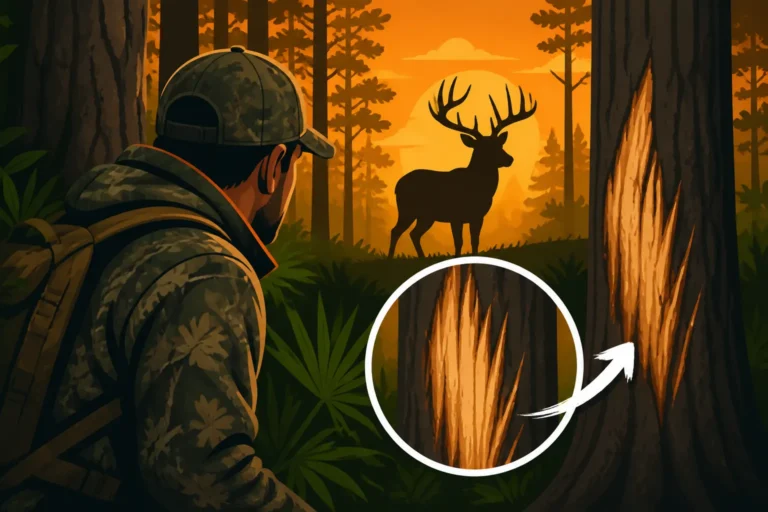
If you're fortunate enough to draw a tag, the real work begins. Louisiana's bear country, especially the dense swamps of the Atchafalaya and Tensas basins, can be incredibly challenging terrain. Effective scouting is paramount. This means spending time in the woods, looking for fresh sign like tracks, scat, rub trees, and feeding areas. Understanding typical bear travel corridors and bedding areas will be critical. Access can be difficult, often requiring a boat for deeper swamp areas.
Many successful bear hunters in Louisiana opt to hire a guide. Given the limited season, the difficult terrain, and the specialized knowledge required, a seasoned guide can dramatically increase your chances of success and ensure a safer, more ethical hunt. Guides often have extensive knowledge of bear movements, private land access, and the unique challenges of hunting in the Louisiana swamp. If you're considering this route, research and book your guide as soon as you draw your tag, as their availability will be extremely limited. You can start looking into Finding a Guide Once You Draw a Bear Tag well in advance. Remember, this isn't a DIY hunt for the faint of heart or inexperienced.
Gear and Safety Essentials
Hunting black bears in Louisiana means preparing for tough conditions. You'll likely be dealing with heat, humidity, thick vegetation, and potentially challenging water crossings. Your gear choices need to reflect this.
- Clothing: Breathable, durable clothing in camouflage patterns suitable for dense cover is essential. Layers are always a good idea, even if it's warm, for temperature fluctuations and protection from briars and insects.
- Footwear: Waterproof, knee-high boots are almost a necessity for navigating wet terrain, especially in the basins.
- Insect Protection: Expect mosquitoes, gnats, and ticks. Pack plenty of repellent, head nets, and consider permethrin-treated clothing.
- Navigation: GPS and reliable maps (like those found on GoHunt, or apps like onX) are non-negotiable, even with a guide. Getting disoriented in dense swamp can be dangerous.
- First Aid: A comprehensive first-aid kit is critical for dealing with cuts, scrapes, snake bites, and other potential injuries.
- Weapon: Ensure your firearm or archery equipment meets Louisiana's legal requirements for bear hunting and that you are proficient with it. Practice regularly.
- Game Recovery: A bear is a large animal. Have a plan for recovery, field dressing, and extraction. This will likely involve multiple people and possibly a boat or ATV. Understanding Handling a Bear After the Shot is vital for proper meat care and avoiding spoilage in warm Louisiana weather. Always prioritize safety during game recovery.
This isn't a hunt you just "wing." It demands serious preparation, respect for the animal, and a commitment to safety.
Disclaimer
The information provided in this guide is for general informational purposes only and is subject to change. Hunting regulations, season dates, and application processes are determined by the Louisiana Department of Wildlife and Fisheries (LDWF) and can be updated at any time. It is the hunter's sole responsibility to consult the most current official LDWF hunting regulations pamphlet and website before applying for any lottery or participating in any hunting activity. Failure to comply with all state and federal regulations may result in penalties, fines, and forfeiture of hunting privileges.