Finding a Guide Once You Draw a Bear Tag
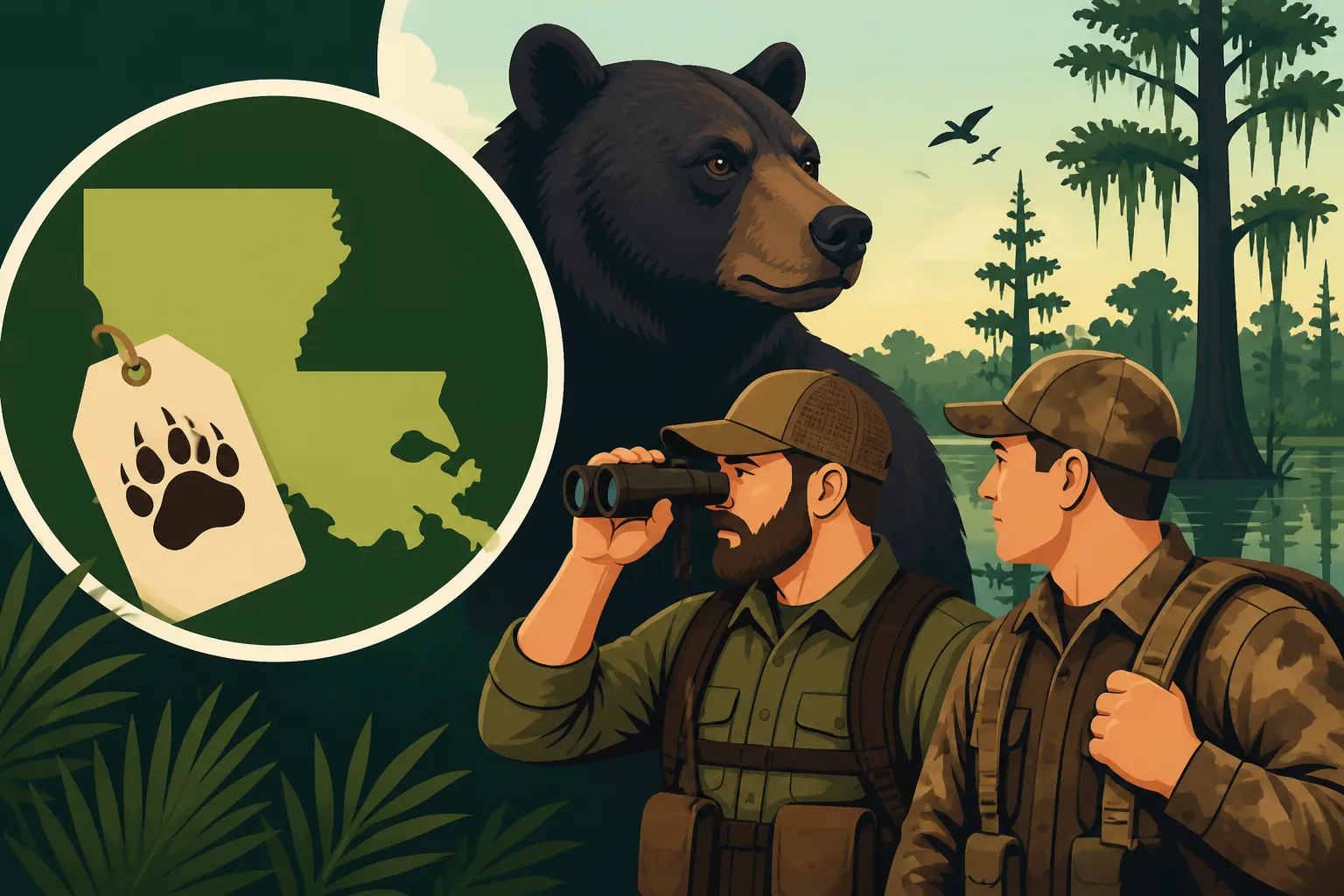
Congratulations! Drawing a Louisiana black bear tag is akin to finding a four-leaf clover in a swamp – it's a truly rare and exciting opportunity that many hunters only dream of. But once the initial euphoria subsides, the reality often sets in: now what? This isn't your everyday deer hunt; navigating the specific challenges and nuances of bear hunting in Louisiana is a whole different ballgame. This guide is here to help you move past that moment of "what do I do now?" and chart a clear path toward a successful and memorable guided bear hunt, ensuring you make the most of this incredible opportunity.
The Thrill and the Challenge: Understanding Your Louisiana Bear Tag
Holding that hard-won bear tag in your hand is a testament to perseverance, luck, or both. For many hunters, this represents the culmination of years of applying for a limited number of permits. It’s not just a tag; it’s an invitation to participate in a highly regulated and deeply respected season for an animal whose population has made a remarkable comeback in our state. But with such a special opportunity comes a unique set of responsibilities and logistical considerations that go far beyond what you might be used to with other game.
The Rarity of a Louisiana Bear Tag
Let's be real, a Louisiana black bear tag isn't something you pick up over the counter every year. These tags are issued through a lottery system, meaning only a select few hunters get the chance to pursue these magnificent animals annually. Applying for a Louisiana Bear Lottery Tag is a process in itself, and the odds can be quite long, making each successful draw even more precious. This scarcity underscores the importance of proper preparation and maximizing your chances of success once you've been selected. You've earned a spot in a very exclusive club, and treating it with the respect it deserves means doing your homework.
Given the limited number of tags, the pressure to make your hunt count can feel immense. This isn't a situation where you can just wander into the woods with a general idea and expect to find a bear. The areas where bear hunting is allowed are specific, the season windows are tight, and the animals themselves are elusive and require specialized knowledge to locate and pursue effectively. It’s why many successful tag holders immediately turn their thoughts to finding experienced assistance.
Why a Bear Tag Demands a Strategic Approach
Unlike deer or hog hunting, where a significant portion of success often comes from consistent scouting and understanding local patterns on private or public land you know well, bear hunting here often requires a different approach. For one, the target species, the Louisiana black bear, has a specific range and very particular habits. They aren't as widely distributed as deer, and their behavior can be less predictable to the average hunter. Furthermore, the hunt itself is subject to strict rules regarding methods, legal harvest criteria, and reporting.
Because the opportunities are so few and far between, going into a bear hunt without a well-thought-out strategy can quickly lead to frustration and a missed chance. This isn't the time for trial and error. A strategic approach involves not only understanding the biology and behavior of the bear but also having intimate knowledge of the designated hunting areas, understanding how to legally access them, and being prepared for the unique challenges of tracking and recovering a bear in Louisiana's diverse terrain—be it thick bottomland hardwoods or dense cypress swamps.
Why a Professional Guide Becomes Essential
When you finally get that coveted bear tag, the first thought for many is, "Do I really need a guide?" For a Louisiana black bear hunt, the answer is almost unequivocally yes. While some highly experienced hunters with extensive local knowledge and specialized equipment might consider a solo effort, for the vast majority, a professional guide transforms a high-stakes lottery win into a realistic hunting opportunity. It's about leveraging expertise, access, and safety to make the most of a truly unique experience.
Navigating Complex Regulations and Zones
Louisiana's bear season, being a reinstated and carefully managed hunt, comes with a very particular set of rules. It’s not just about knowing when Louisiana Bear Season Dates are; it’s about understanding the specific legal harvest rules, which often include restrictions on the size or sex of the bear, and how to properly identify a legal animal in the field. Remember Louisiana's Mandatory Bear Hunter Training is required, but a guide offers real-time, in-the-field expertise. These regulations are in place to ensure the continued recovery and health of Louisiana's Recovering Black Bear population, and inadvertently violating them can lead to severe penalties and a lost opportunity.
A seasoned bear guide lives and breathes these regulations. They know the subtle nuances, the exact boundaries of designated hunting areas, and the importance of things like mandatory check-in procedures and reporting requirements. They can quickly assess a bear in the field to ensure it meets legal criteria, preventing costly mistakes. This isn't just about avoiding a fine; it's about ethical hunting and respecting the species. Their knowledge is invaluable for keeping your hunt completely within the bounds of the law, letting you focus on the hunt itself.
Unlocking Bear Habitat Knowledge and Access
Louisiana's bear populations are concentrated in specific regions, primarily the Tensas Basin, the Atchafalaya Basin, and some coastal areas. Each of these habitats presents distinct challenges. Knowing Where Louisiana Black Bears Range Today is one thing, but understanding their local movement patterns, food sources, and bedding areas within those ranges is another entirely. Bears are intelligent and adaptable, and their behavior can change rapidly based on factors like mast crop availability, water levels, and human pressure.
A local guide has spent countless hours in these specific areas, often year-round, tracking movements, identifying key travel corridors, and setting up effective hunting strategies. They know the difference between a fresh track and an old one, how to read scat, and where bears are likely to be found at different times of the day or season. Furthermore, guides often have established relationships with private landowners or extensive knowledge of public land access points that might be difficult for an unfamiliar hunter to navigate. For example, finding a guide familiar with Finding a Guide Familiar With Basin Bear Habitat can be the difference between success and a frustrating trip in the vast swamps.
The Safety and Recovery Advantage
Hunting a large, powerful animal like a black bear carries inherent risks. A bear, even when hit, can be incredibly dangerous, especially in thick cover. Tracking a wounded bear through dense Louisiana swamps or bottomland can be a perilous undertaking, requiring specialized skills, proper equipment, and often, a team approach. This is where a guide's experience truly shines. They are trained to handle these situations, prioritize safety, and have the tools and knowledge for effective blood trailing and recovery.
Moreover, if you are fortunate enough to harvest a bear, the work is far from over. Field dressing a bear is a substantial task, and recovering a large animal from remote or difficult terrain can be physically demanding. Guides often come equipped with ATVs, boats, and the manpower to assist with these critical post-shot logistics, ensuring the animal is handled efficiently and ethically. This allows you to focus on the moment of the hunt, knowing the recovery plan is well in hand. Handling a Bear After the Shot is a complex process, and a guide's expertise is paramount.
Charting Your Course: Finding the Right Bear Guide
Once you've decided that a guide is the smart choice for your Louisiana bear hunt—and for most lottery winners, it absolutely is—the next step is finding the right one. This isn't a decision to rush. A great guide can make your dream hunt a reality, while a poor fit can lead to disappointment. It’s about doing your due diligence and asking the tough questions up front.
Starting Your Search: Online Platforms and Local Networks
There are several avenues to explore when looking for a reputable Louisiana bear guide. Online platforms can be a convenient starting point. Websites like BookYourHunt offer a centralized place where outfitters list their services, often with reviews from past clients. This can give you an initial overview of available options and general service offerings. Similarly, while resources like GoHunt primarily focus on research and planning tools, they might also have directories or forums where hunters discuss guide experiences.
Beyond online searches, tapping into local hunting networks and word-of-mouth recommendations is incredibly valuable. Reach out to fellow hunters who may have drawn a tag in previous seasons. Visit local hunting forums, sporting goods stores, or even call the Louisiana Department of Wildlife and Fisheries (LDWF) for general information on outfitters who operate in the bear zones. Sometimes, the best guides are those who aren't heavily advertised but have built their reputation through years of successful hunts and satisfied clients in the local community. Don't underestimate the power of a personal referral.
Asking the Right Questions to Vet Your Options
When you start contacting potential guides, treat it like an interview process. You're investing significant time, money, and a once-in-a-lifetime tag, so you need to be confident in your choice. Don't be shy about asking detailed questions. Here's a table of key areas to cover:
| Question Category | Specific Questions to Ask | Why It Matters |
|---|---|---|
| Experience & Knowledge | How many Louisiana bear hunts have you guided? What's your typical success rate for tag holders? What areas do you primarily hunt (e.g., Atchafalaya, Tensas)? How do you account for factors like food availability (acorns, berries) or water levels in your scouting? | Ensures the guide has direct, relevant experience specifically with Louisiana black bears, not just other game or regions. Success rates, even if not guaranteed, indicate competence. Knowledge of local conditions is critical. |
| Logistics & Hunt Style | What is a typical day on a guided bear hunt like? What methods do you primarily use (e.g., still-hunting, stand hunting over bait/scent, spot-and-stalk if legal and feasible)? What kind of terrain will we be covering? What equipment do you provide (e.g., stand, blinds, boat)? What's the plan if we harvest a bear (field dressing, transport, processing arrangements)? | Helps you understand the physical demands and style of the hunt, ensuring it aligns with your expectations and capabilities. Clarifies what you need to bring and what logistics are covered after a successful harvest. |
| Licensing & Safety | Are you a licensed Louisiana outfitter/guide? Do you carry appropriate insurance? What are your safety protocols, particularly for tracking a wounded bear? What is your policy regarding weapon types (e.g., Choosing a .44 Caliber Primitive Pistol if primitive season, standard firearms for gun season)? | Crucial for ensuring legality, professionalism, and your safety. A licensed and insured guide offers peace of mind. Safety plans for tracking are paramount given the nature of the animal. |
| References & Testimonials | Can you provide references from past bear clients? Do you have photos or videos from previous successful hunts? | Speaking with previous clients offers invaluable third-party validation of the guide's reputation and service quality. Photos can illustrate their hunting grounds and the size of bears typically encountered. |
| Terms & Costs | What is the total cost of the guided hunt? What is included (e.g., meals, lodging, transport during hunt)? What is not included (e.g., license, processing, taxidermy, gratuities)? What are your deposit requirements and cancellation policy? What happens if I don't harvest a bear? | Ensures full financial transparency and avoids hidden costs. Understanding the scope of services prevents misunderstandings. Knowing the deposit and cancellation terms is vital for financial planning. |
Understanding Guide Experience and Specialties
Not all guides are created equal, and some might specialize in specific types of hunting or particular areas. Some guides might focus heavily on areas like the Atchafalaya Basin, where unique challenges like navigating vast swamps and understanding fluctuating water levels are paramount. Others might have expertise in the piney woods or river bottoms of the Tensas region. It's also worth asking if their experience extends to Judging a Legal Bear Versus a Cub quickly and accurately under pressure.
You'll also want to inquire about their primary hunting methods. Do they prefer still-hunting, setting up stands over food sources, or perhaps using methods that align with Spot-and-Stalk Tactics for a Bear Lottery Tag if conditions allow? Ensure their approach aligns with your personal hunting style and physical capabilities. If you're physically limited, a guide who specializes in more sedentary stand hunting might be a better fit than one who prefers extensive still-hunting through dense brush. A guide's specialty should complement your own expectations for the hunt.
What to Expect from a Guided Louisiana Bear Hunt
Securing a guide is a huge step, but what does a typical guided Louisiana bear hunt actually look like? Understanding the general flow, the financial commitments, and the physical and mental preparation required will help you go into the experience with realistic expectations and an even greater chance of success.
Typical Hunt Packages and Inclusions
Guided bear hunts in Louisiana can vary widely, but most professional outfitters offer packages that include a set number of hunting days, often with lodging and meals. For instance, a common package might be a 3-day, 4-night hunt. The exact inclusions can differ significantly between operations. Some guides might offer an all-inclusive experience covering everything from transportation to and from the hunting area to field dressing and initial processing of the bear. Others might provide a more basic service, focusing solely on the guiding aspect during the hunt itself. You need to clearly understand What a Guided Bear Hunt Costs in Louisiana and what precisely that figure covers.
Common inclusions often involve access to prime hunting ground, whether it's leased private land or carefully scouted public areas. The guide will typically provide the necessary equipment for the hunt, such as ground blinds or treestands, and often transportation within the hunting area via ATV, UTV, or boat, depending on the terrain. Meals and comfortable lodging, sometimes in a traditional Louisiana hunting camp, are frequently part of the deal, creating a memorable experience beyond just the hunt. Always get a detailed breakdown in writing to avoid surprises.
Financial Considerations: Beyond the Initial Fee
While the base price of a guided hunt is a significant factor, it's important to budget for additional expenses that often aren't included in the initial package cost. Your Louisiana hunting license and specific bear tag are always your responsibility. Beyond that, consider the cost of travel to and from Louisiana, and any necessary lodging before or after the guided portion of your trip. You'll also need to account for personal hunting gear, ammunition, and any specialized clothing suitable for Louisiana's potentially warm and humid conditions, even in fall.
One of the most important, and often overlooked, additional costs is gratuity for your guide. Tipping guides is customary in the hunting industry, and it's a way to show appreciation for their hard work, expertise, and dedication. Factor in the cost of meat processing and taxidermy, should you harvest a bear. If you plan to ship meat or a hide home, shipping costs can also add up. Having a clear understanding of all these potential expenses will ensure you're financially prepared for the entire experience, not just the hunt itself.
Preparing for the Unique Demands of a Bear Hunt
A Louisiana black bear hunt, whether in the dense Atchafalaya Basin or the timbered river bottoms, often requires a good level of physical fitness. Be prepared for potentially long days in the field, walking through challenging terrain, navigating thick brush, or perhaps spending extended periods in a stand. If you're Hunting the Atchafalaya Basin Swamp Deer, you know the physical demands of that environment; bear hunting can be similar, often even more strenuous due to the size of the animal. Don't underestimate the physical exertion involved, especially if tracking a bear becomes necessary.
Mental preparation is just as important. Bear hunting can be a game of patience and perseverance. You might sit for hours without seeing anything, or the action could unfold quickly and intensely. Be ready for early mornings and late nights. Familiarize yourself with Shot Placement on a Louisiana Black Bear to ensure a quick, ethical harvest. Discuss the guide's specific approach to the hunt with them beforehand so you know what to expect in terms of strategy and pace. Go into the hunt with an open mind, ready to learn, and prepared for whatever challenges the Louisiana wilderness throws your way.
Beyond the Hunt: Post-Harvest Support and Ethics
The moment of truth—harvesting a bear—is a culmination of effort, skill, and luck. However, the responsibilities of a hunter don't end there. Ethical hunting dictates proper care of the animal, adherence to reporting requirements, and making the most of the meat and hide. A good guide will provide invaluable support during this crucial phase.
Field Care and Transport Logistics
Louisiana's climate can be warm, even during bear season, making rapid and proper field care of your harvested animal essential to preserve the meat and hide. A guide will typically assist with the immediate field dressing, ensuring the animal is cooled down as quickly as possible. This involves careful evisceration and, depending on conditions and terrain, potentially quartering the animal for easier transport.
Transporting a bear, which can weigh several hundred pounds, out of dense swamp or thick timber is a serious logistical challenge. Guides often have specialized equipment, such as game carts, ATVs, or even boats, to retrieve the animal from remote locations. They will ensure the bear is transported legally and efficiently to a processing facility or a designated check station. Discuss these plans in detail with your guide before the hunt so you know exactly what to expect.
Reporting and Compliance Requirements
Louisiana has strict requirements for reporting harvested game, and this is especially true for black bears due to their managed status. Your guide will be well-versed in these rules, including mandatory check-in procedures and deadlines. It's your responsibility as the hunter to ensure all necessary tags are properly attached and that the harvest is reported to the LDWF according to their specific protocols. This might involve an in-person check-in or utilizing an online system, depending on current regulations.
Your guide will help ensure you meet all these compliance requirements, from making sure the bear is weighed and measured if needed, to submitting any required biological samples for management purposes. This meticulous attention to detail is part of the ethical hunting process and contributes to the ongoing conservation efforts for Louisiana's black bear population. By relying on your guide's knowledge, you can ensure a smooth and legal end to your memorable bear hunt.
Disclaimer
This article is for general informational purposes only and does not constitute professional advice. Laws, prices and regulations vary by location and change over time. Consult a qualified professional for guidance on your specific situation.