Finding a Guide Familiar With Basin Bear Habitat
When you've finally beaten the odds and drawn one of Louisiana's coveted black bear lottery tags, the excitement is immense. But then reality sets in: hunting black bears in the dense, watery labyrinth of the Atchafalaya Basin is a monumental challenge, and finding a guide with the specific expertise for this unique environment can feel like searching for a needle in a cypress swamp. This guide will walk you through exactly what makes the Basin such a beast for bear hunting and how to identify and vet the right guide to make your lottery tag a success story.
Understanding the Atchafalaya Basin's Unique Bear Habitat
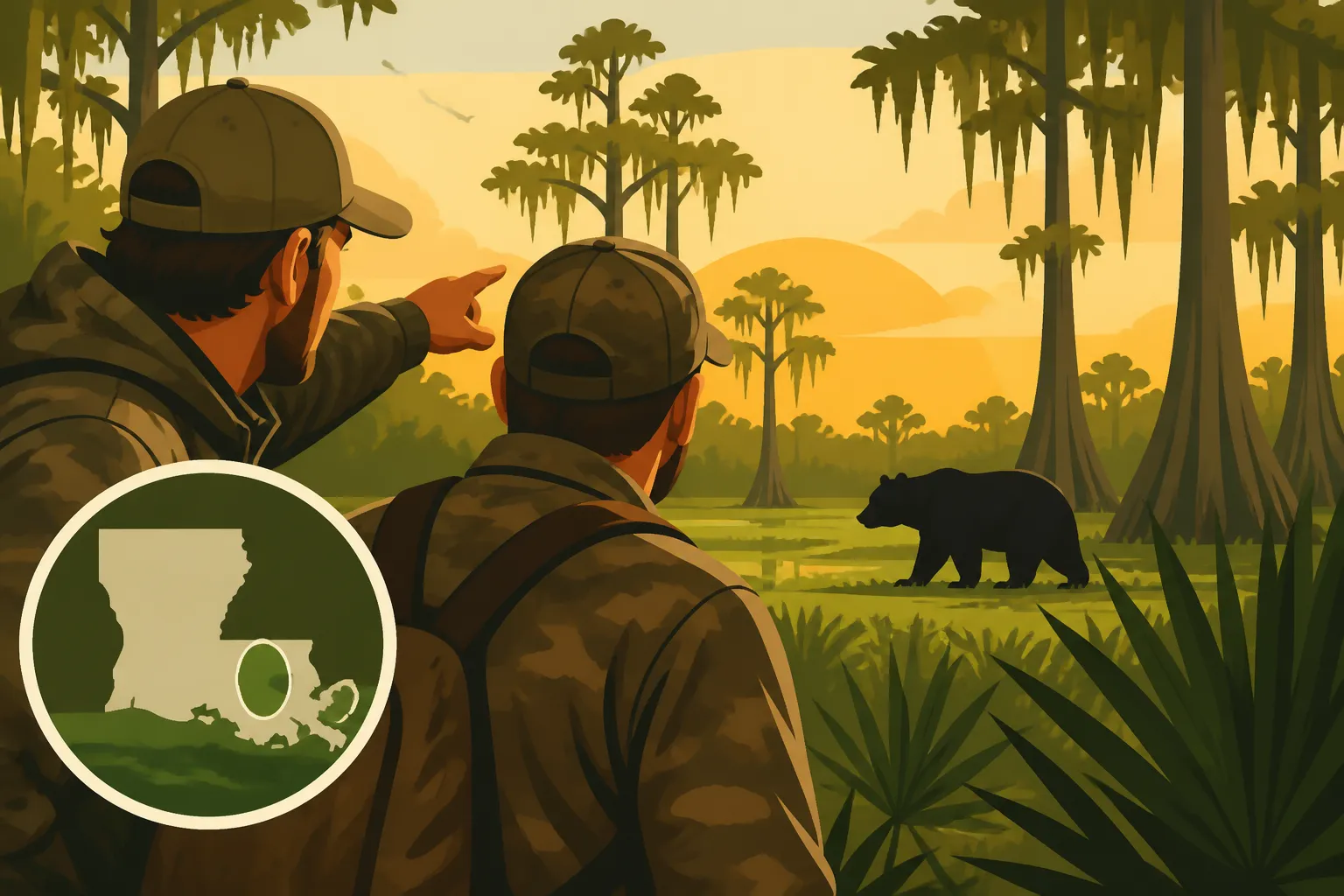
The Atchafalaya Basin isn't just any swamp; it's a dynamic, ever-changing ecosystem of cypress-tupelo forests, willow thickets, vast waterways, and seasonally flooded areas. It's truly one of a kind, and it's home to the largest subpopulation of Louisiana black bears. These bears aren't living in mountainous terrain or sprawling pine forests; they're navigating a watery world, and that fundamentally changes everything about how you hunt them.
The Dynamics of Water and Terrain
Imagine trying to track an animal when the ground beneath you is often knee-deep in water, or worse, impassable muck. The Basin's water levels fluctuate dramatically, influencing where bears travel, feed, and bed down. A guide who knows the Basin intimately understands these fluctuations and how they create or close off corridors for bear movement. They've seen it at high water and low, in drought and after a deluge. This isn't just about knowing where a trail might be; it's about knowing where a trail will be given the current conditions, and whether it's even accessible by boat or on foot.
Dense palmetto thickets and cane breaks form an almost impenetrable jungle in many areas. Trying to push through these blindly is not only exhausting but potentially dangerous. A seasoned guide knows the subtle sloughs, ancient ridges, and hidden openings that allow for quieter, more efficient travel. They've spent countless hours navigating these natural mazes, learning the nuances that simply don't show up on a satellite map. For a deeper dive into this incredible area, check out Hunting the Atchafalaya Basin.
Food Sources and Bear Movement in the Swamp
Louisiana black bears, much like deer, are heavily influenced by available food sources. In the Atchafalaya Basin, these sources can vary widely and unpredictably. Acorns, especially from water oaks and cherrybark oaks, are a huge draw when they're dropping. However, knowing which oaks are dropping, and where those trees are located within the vastness of the Basin, is key. It's not just about finding an oak flat; it's about finding the right oak flat that's currently producing and accessible to bears.
Beyond acorns, bears feast on seasonal berries, wild grapes, persimmons, and even cane shoots. A local guide has a mental calendar of these food sources and understands how bears exploit them throughout the hunting season. They know that a certain stretch of cane might hold a boar feasting on new growth, or a forgotten grove of persimmons might be drawing bears in late season. This detailed, almost instinctual knowledge of the Basin's pantry is priceless when you're trying to locate a bear in a truly vast and challenging environment. You need someone who can read the subtle signs, identify specific bear scat, and differentiate between fresh feeding activity and old.
Why a Specialist Guide is Crucial for Basin Bear Hunts
A bear lottery tag is a once-in-a-lifetime opportunity for many. With limited tags and specific seasons, you want every advantage possible. A specialist guide isn't just a luxury; they're often a necessity for a safe and successful hunt in the Basin. The terrain, the animal, and the logistics all demand expertise that goes far beyond a typical deer or duck hunt.
Navigation, Safety, and Ethical Recovery
The Atchafalaya Basin is an unforgiving place for the unprepared. Getting lost is not merely an inconvenience; it can quickly become life-threatening. A guide with extensive Basin experience possesses unparalleled navigation skills, often relying on a combination of GPS, compass, and an intimate understanding of landmarks that most people would never notice. They know the safe channels, the hidden stumps, and how to safely operate a boat in shallow water or through dense cypress knees. When you're focused on the hunt, having someone else expertly manage the navigation and safety aspects is invaluable.
Moreover, ethical recovery of a bear in the Basin presents unique challenges. A wounded bear in thick cover is a dangerous proposition, and tracking one through water, dense vegetation, and potentially over long distances requires specialized skills and equipment. A good guide will have a plan for tracking, safety protocols for approaching a wounded animal, and the necessary gear to retrieve a large bear from the swamp, which often involves considerable effort and specialized boat access. They'll know Shot Placement on a Louisiana Black Bear for efficient kills and understand the importance of immediate, thorough tracking. Proper recovery also ties into legal requirements for reporting your harvest and handling the carcass responsibly. For more on post-harvest steps, read Handling a Bear After the Shot.
Deep Knowledge of Bear Behavior and Regulations
Basin bears are adapted to their environment. Their patterns of movement, bedding, and feeding are distinct from bears in other habitats. A specialist guide has spent years observing these behaviors, understanding how they react to pressure, scent, and sound in the swamp. They know when bears are most likely to be moving, where they typically bed during different parts of the day, and how to interpret their sign in the wet, soft ground of the Basin. This intimate knowledge allows them to predict bear movements and position you for the best possible encounter.
Beyond animal behavior, there are specific regulations governing Louisiana's Reinstated Black Bear Lottery. While you'll attend mandatory training, a guide will reinforce these rules and ensure you stay compliant. This includes understanding the specific legal harvest rules, such as identifying a legal bear versus a cub, and the nuances of the lottery system. They can offer insights that only come from experiencing these hunts year after year. What Louisiana's Bear Training Course Covers is a great resource to familiarize yourself with these regulations.
Key Qualities to Look for in a Basin Bear Guide
When you're entrusting your precious lottery tag to someone, you need more than just a general hunting guide. You need a Basin bear specialist. Here's what sets them apart and what you should be looking for.
Proven Basin Experience and Specialized Skill Set
First and foremost, you need a guide whose experience specifically centers on the Atchafalaya Basin. Don't settle for someone who "hunts bears generally" or "knows the Basin for fishing." You need someone who lives and breathes Basin bear hunting.
Consider these specific skills:
- Expert Boat Handling: Can they navigate shallow water, tight turns, and hidden obstacles silently and efficiently? Do they have a reliable, well-maintained boat suitable for the Basin?
- Tracking in Difficult Terrain: Can they consistently pick up and follow a track in soft mud, sparse leaf litter, or even shallow water? This is a skill honed over decades in the Basin.
- Reading Subtle Sign: Bears leave sign, but in the Basin, it can be subtle. A specialist can differentiate between old rub marks and fresh ones, interpret claw marks on trees, and identify scat that is hours versus days old.
- Understanding Bear Vocalizations: While less common than for other game, a guide might have insights into specific growls or snorts that are unique to Basin bears.
- Weather and Water Expertise: They should understand how shifting winds, sudden cold fronts, or rising water levels will affect bear activity and access points.
- Patience and Persistence: Bear hunting, especially in such dense cover, is often a game of patience. A good guide will be realistic about the challenges and possess the endurance and mental fortitude to keep pushing. The Physical Demands of a Basin Deer Hunt are a good parallel for the physical commitment required.
Communication, Ethics, and Professionalism
Beyond hunting skills, a guide's communication and professionalism are paramount. This is a shared experience, and you need to be on the same page.
- Clear Communication: The guide should be able to clearly explain their strategy, what to expect each day, and how they handle unforeseen circumstances. They should be open to your questions and concerns.
- Safety First Mentality: This cannot be stressed enough in the Basin. The guide should have a clear safety brief, carry appropriate first aid and emergency communication gear, and prioritize your well-being.
- Ethical Hunting Practices: Ensure their approach aligns with responsible and ethical hunting. This includes fair chase principles, proper shot placement, and a commitment to swift, humane recovery. Passing on a Cub or Sow With Cubs is a critical ethical consideration for bear hunting, and a good guide will prioritize this.
- Realistic Expectations: A good guide will be honest about the challenges of bear hunting in the Basin. They won't promise a trophy but will commit to putting you in the best possible position for success.
Finding and Vetting Potential Bear Guides
Okay, you know what you're looking for. Now, how do you actually find these rare individuals and make sure they're the real deal?
Where to Begin Your Search
Given the niche nature of Louisiana bear hunting, your search might require a bit more legwork than finding a deer or duck guide.
- Louisiana Department of Wildlife and Fisheries (LDWF): While the LDWF won't recommend specific guides, they are an invaluable resource for understanding the hunt itself. They can often provide general lists of licensed outfitters or even direct you to hunter education instructors who might have connections. The LDWF is the authority on Louisiana's Reinstated Black Bear Lottery, so staying updated through their official channels is key.
- Word of Mouth: This is often the most reliable method for finding specialist guides. Talk to other hunters who have drawn bear tags in the past. Attend local hunting conventions or sports shows. Someone always knows someone. Ask around in online forums dedicated to Louisiana hunting.
- Local Hunting Clubs: Many hunting clubs operate within or near the Basin. Members often have deep local knowledge and connections to guides. While you might not be joining a club for a single hunt, reaching out can yield valuable leads.
- Online Platforms & Directories: Websites like BookYourHunt can list guides by species and location, but you'll need to filter carefully for Basin-specific bear hunts. Sometimes broader outdoor platforms or forums, even those associated with sites like GoHunt, might have discussions or recommendations for niche Louisiana hunts. Always scrutinize their listings for detailed descriptions of their experience and areas of operation. Remember, a generic "Louisiana Bear Hunt" listing might not mean "Basin Bear Specialist."
Interviewing and Vetting Your Top Choices
Once you have a few potential guides, it's time to dig deeper. Treat this like an interview for a critical role—because it is.
- Ask Specific Questions About Basin Experience:
- "How many bear hunts have you guided specifically in the Atchafalaya Basin?"
- "Can you describe your preferred methods for hunting bears in this habitat?" (e.g., still-hunting, Spot-and-Stalk Tactics for a Bear Lottery Tag, tracking)
- "How do you adapt your strategy to different water levels or weather conditions in the Basin?"
- "What kind of boat and equipment do you use for Basin hunts?"
- "What's your plan for tracking and recovering a wounded bear in the swamp?"
- Request References: This is non-negotiable. Ask for contact information for past clients, specifically those who have hunted bears with them in the Basin. When you call these references, ask about their overall experience, the guide's professionalism, safety measures, and communication. Inquire about success rates, but also ask about how the guide handled a less successful hunt – did they still provide a great experience?
- Verify Licenses and Insurance: Ensure the guide is properly licensed to operate in Louisiana and carries appropriate liability insurance. A reputable guide will have no issue providing this information.
- Discuss Logistics and Costs: Get a clear understanding of what's included in the fee, such as meals, lodging, transportation within the Basin, and any equipment provided. Discuss the deposit, payment schedule, and cancellation policy. Be aware that the cost of a guided bear hunt, especially for a lottery winner, can vary significantly. You can learn more about this through resources like What Bear Lottery Winners Pay a Guide. A clear, written contract is essential.
- Trust Your Gut: After all the questions and references, listen to your instincts. Do you feel comfortable with this person? Do they seem knowledgeable, patient, and genuinely enthusiastic about the hunt? A strong rapport with your guide can make all the difference, especially on a challenging hunt like a Basin bear.
Finding the right guide for a Basin bear hunt is an investment in your lottery tag and your hunting experience. By understanding the unique challenges of the habitat and meticulously vetting potential guides, you significantly increase your chances of a memorable and successful adventure in Louisiana's wild heartland.
Disclaimer
This article is for general informational purposes only and does not constitute professional advice. Laws, prices and regulations vary by location and change over time. Consult a qualified professional for guidance on your specific situation.