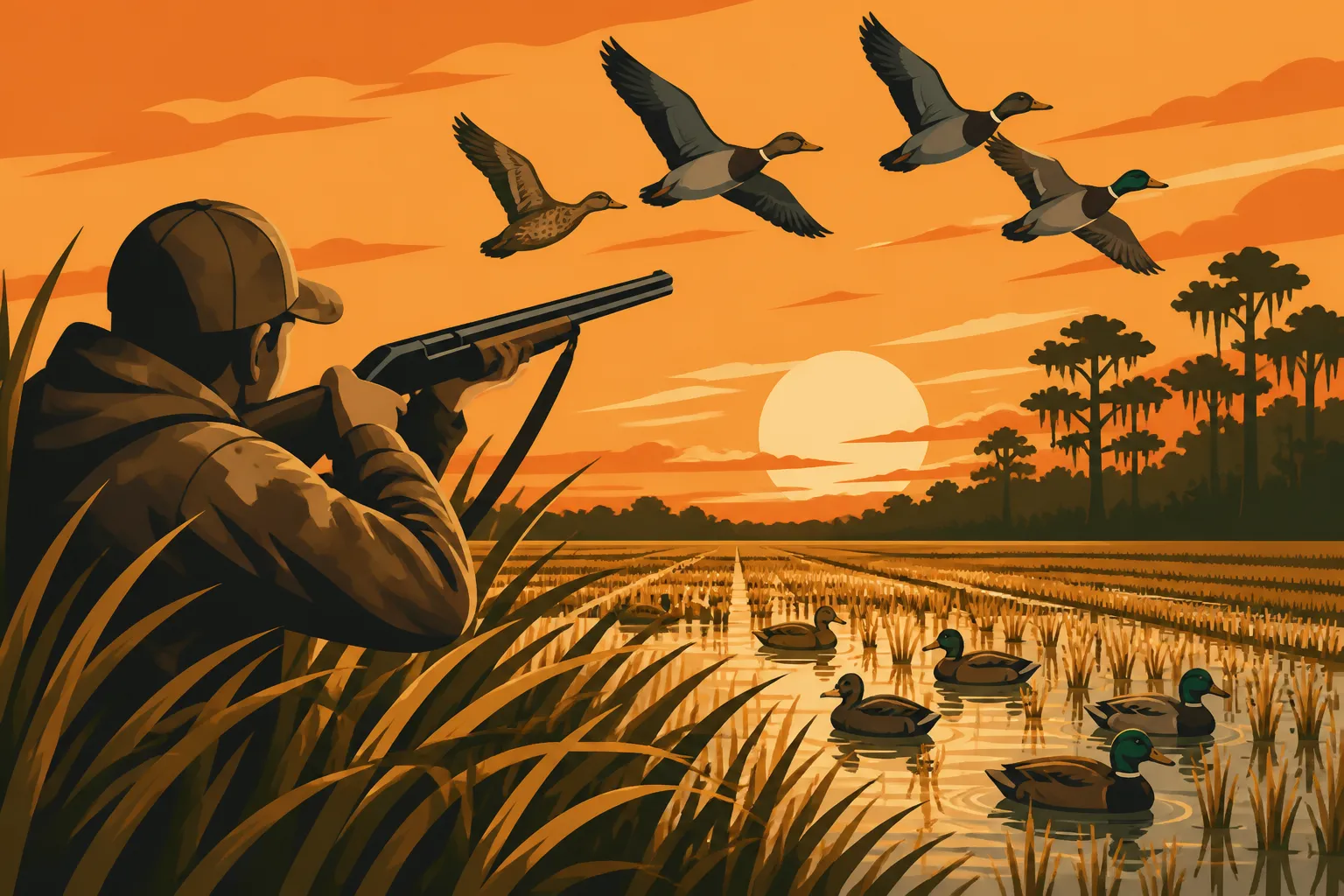
Rice Field Duck Guide Services
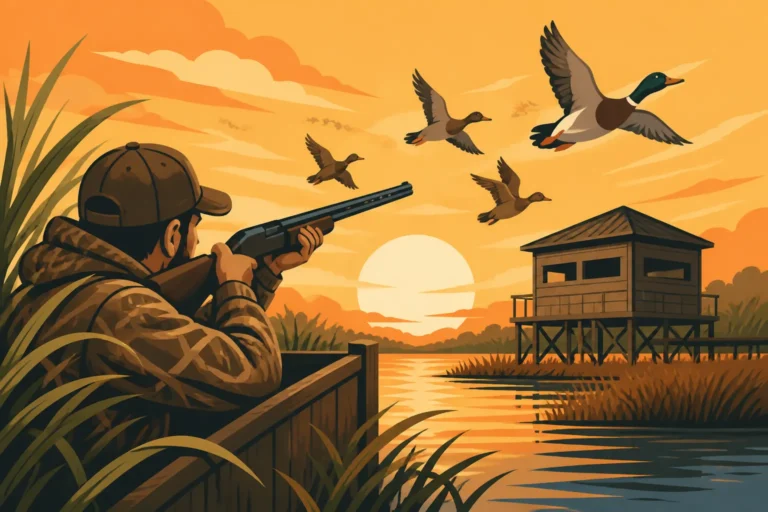
You’ve pictured it: the crisp, pre-dawn air, the rhythmic calling of thousands of ducks, and the sudden, chaotic rush of wings as a huge flock commits to your decoy spread. For many Louisiana hunters, this dream often leads them to the vast, open expanses of the state's rice fields, a landscape that, without local knowledge or the right connections, can feel impossible to access or navigate effectively. This guide is here to demystify the process, detailing what you can expect from rice field duck guide services and how to pick the perfect outfitter for your next unforgettable hunt.
Why Rice Fields Are a Duck Hunter's Paradise in Louisiana
There's something truly magical about hunting ducks in Louisiana's rice fields. Unlike the tangled cypress swamps or the sprawling coastal marsh, rice fields offer a unique blend of wide-open spaces and concentrated food sources that migratory waterfowl simply can't resist. When the water is just right and the ducks are flying, these fields can hold incredible numbers of birds, creating hunting opportunities that are hard to beat anywhere else.
The Allure of Staging Areas and Abundant Food
Think of a rice field as a giant, flat buffet for ducks. After the harvest, many farmers flood their fields, turning them into shallow, temporary wetlands. What's left behind are countless grains of rice, along with weed seeds and other invertebrate life, providing an absolute feast for migrating waterfowl. These flooded fields become critical staging areas where ducks can rest, refuel, and socialize before continuing their journey or settling in for the winter. For hunters, this means a consistent draw of birds, as wave after wave of ducks discover these prime feeding grounds. It’s not just about what’s on the surface; the underwater invertebrates and insect larvae thriving in these shallow waters also contribute significantly to a duck’s diet, making these areas incredibly attractive for sustained periods.
Guides who operate in these regions often have long-standing relationships with landowners, securing leases on prime fields that consistently hold birds. They understand the nuances of water levels, crop rotations, and how different weather patterns affect duck movement within these agricultural landscapes. This intimate knowledge is what transforms a good field into an exceptional hunting spot, as they can pinpoint exactly where the birds want to be and when. This is where the value of a professional guide truly shines, as they've done all the scouting and relationship building for you.
Species You'll Encounter in Rice Fields
While you might envision mallards cupped over the decoys, Louisiana's rice fields are a melting pot of various duck species. You'll regularly see large flocks of pintails, their elegant necks outstretched as they circle, and the acrobatic gadwall, often the first to commit to a spread. Wigeon are common, as are teal – both green-winged and blue-winged, depending on the migration phase. Shovelers, with their distinctive bills, are also frequent visitors. It's truly a mixed bag, offering a diverse shooting experience that keeps you guessing with every incoming flock.
Beyond the ducks, Louisiana's rice fields are also prime territory for various goose species. Snow Geese on Louisiana Rice Fields are a particular draw, often congregating in massive numbers, creating a spectacle all their own. You might also encounter specklebellies, known for their distinctive calls and excellent table fare. Many rice field guides offer specialized goose hunts, or will incorporate goose calling and decoying into a duck hunt if conditions are right and the birds are present. It's not uncommon to finish a duck hunt and then switch gears for a goose shoot in the same general area, truly maximizing the day's potential.
The Unique Hunting Experience Compared to Marsh or Timber
Hunting rice fields offers a distinctly different vibe than wading through the dense coastal marsh or waiting patiently in flooded timber. In the marsh, you're often tucked into natural vegetation, dealing with tides and vast, interconnected waterways. In timber, it's about finding that perfect, sun-dappled hole in the canopy where mallards feel comfortable pitching in. Rice fields, by contrast, are typically wide open, requiring careful blind concealment and precise decoy spreads to fool wary birds.
The soundscape is also different. Instead of the gentle lapping of marsh water or the drip of water from cypress trees, you're likely to hear the distant hum of farm equipment, the rustle of dry rice stalks in the wind, and the constant din of thousands of ducks and geese feeding across the landscape. The shot opportunities can be fast and furious when a large flock commits, demanding quick reflexes and good shooting skills. It's a visually expansive hunt, where you can often see birds approaching from a great distance, building anticipation with every wingbeat. This open nature also means that a good spread of decoys, often numbering in the hundreds, and skilled calling are absolutely crucial for success.
What to Expect from a Guided Rice Field Duck Hunt
Booking a guided hunt takes a lot of the guesswork and hard work out of the equation. For many, especially those traveling from out of state or those new to Louisiana hunting, a guide service is the best way to experience the incredible waterfowl opportunities our state offers without having to secure leases, buy thousands of dollars worth of decoys, or spend countless hours scouting. When you arrive, much of the heavy lifting is already done, allowing you to focus on the camaraderie and the hunt itself.
Typical Setups and Equipment Provided by Guides
When you show up for a guided rice field duck hunt, you’ll typically find the guide has already done all the legwork. This means the decoy spread is already out, often consisting of hundreds of decoys, including full-body honkers for geese and a mix of duck species. You'll likely be hunting from a comfortable, well-concealed layout blind or a large A-frame style blind brushed in with natural vegetation from the field edges. These blinds are designed to make you disappear into the surroundings, which is crucial in the open environment of a rice field.
Most reputable guides will provide everything you need except your shotgun, ammunition, and personal clothing. This often includes calling expertise, dogs for retrieving downed birds, and even transportation to and from the hunting location, which could be an ATV ride or a short truck drive across a levee. Having the guide take care of these logistics, especially the extensive decoy setup and blind brushing, is a huge benefit, as these tasks can be incredibly time-consuming and labor-intensive if you were to attempt a self-guided hunt in a similar setting. This focus on providing a seamless experience is a major selling point for these services.
The Flow of a Guided Morning Hunt
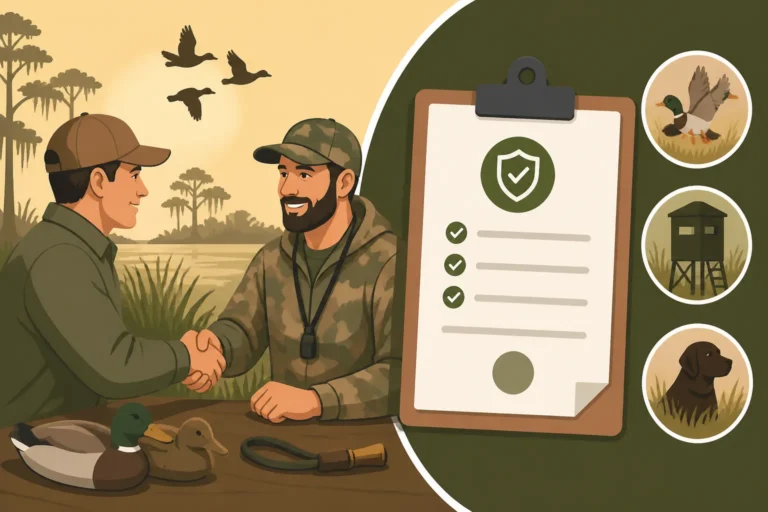
A guided rice field duck hunt usually starts well before dawn. You’ll meet your guide at a designated spot – often a local gas station, a small cafe, or the outfitter's lodge – to review safety rules, confirm your licenses, and discuss the plan for the morning. From there, you'll travel to the field, often under the cover of darkness, to ensure you're in the blind and ready before legal shooting light. The anticipation in the pre-dawn darkness, listening to the cacophony of ducks and geese already moving, is an experience in itself.
Once in the blind, it’s all about patience and readiness. The guide will be watching the skies, calling to passing flocks, and instructing you on when to raise your gun. Expect periods of intense action interspersed with quiet lulls. The guide will handle most of the calling, working birds into range, but they might encourage you to participate with a simple quack or two if you're comfortable. Many hunts conclude around late morning, usually once the daily limit is reached or the bird activity significantly slows down. After the hunt, the guide will gather the birds, perhaps take some photos, and then lead you back to your vehicle, often with stories and memories that will last a lifetime. This structured approach ensures efficiency and safety, especially for those unfamiliar with the area or the nuances of waterfowl hunting.
Understanding Limits and Ethical Hunting Practices
When hunting with a guide, adhering to all state and federal regulations is paramount, and a good guide will make sure you understand these rules thoroughly. This includes daily bag limits for various duck and goose species, which can sometimes be complex, especially with varying limits for different species or if you're combining ducks and geese. For instance, Louisiana Duck and Goose Bag Limits clearly outlines what you can take, and your guide will be well-versed in these rules. It's not just about what's legal; it's about ethical hunting—only taking clean shots, ensuring every downed bird is retrieved, and respecting the resource.
A professional guide will emphasize safety at all times, including proper firearm handling in the blind, muzzle control, and identifying your target clearly before shooting. They'll ensure that no one exceeds their individual limits, even if the hunting is exceptional. This commitment to ethical and legal hunting practices is a hallmark of a reputable outfitter. Always make sure you have your Louisiana Resident Hunting License Options or Louisiana Nonresident Hunting License Options, along with your Louisiana Federal Duck Stamp Requirement and Louisiana HIP Certification for Bird Hunters, before you even step foot in the field. Your guide will likely ask to see proof of these, as it's part of their responsibility to ensure a legal hunt for everyone involved.
Choosing the Right Rice Field Duck Guide Service
Finding the right guide service is crucial for a successful and enjoyable hunting trip. Louisiana has many excellent waterfowl guides, but like any service, quality can vary. Doing your homework upfront can save you a lot of potential headaches and ensure your hard-earned money is well spent on a memorable experience. Don't be afraid to ask tough questions; a good guide will appreciate your diligence.
Key Questions to Ask Before Booking
When you're considering a rice field duck guide service, a phone call is essential. Don't just rely on website photos. Ask about their experience, specifically how long they've been guiding in rice fields. Inquire about the type of blinds they use (layout, A-frame, pit), and what their typical decoy spread looks like. Crucially, ask about their access – do they lease private land, and how much land do they have access to? This speaks volumes about their ability to move around if birds shift. A guide with multiple leases has more options if one field isn't producing.
You should also ask about group sizes (how many hunters per blind), what happens if weather cancels the hunt, and their policy on retrieving crippled birds. Ask about their dogs – are they experienced retrievers? Finally, inquire about any hidden costs beyond the per-person fee, such as bird processing or gratuities. Websites like BookYourHunt can be a good starting point to find guides, but always follow up with a direct conversation to get specific answers that align with your expectations. Don't just settle for the first guide you find; a little research can go a long way.
Understanding Different Package Options Day Hunts vs. Multi-Day
Guide services often offer a range of packages designed to fit different budgets and schedules. The most common is the single-day hunt, which typically includes one morning hunt, all the necessary equipment, and the guide's expertise. These are great for a quick trip or for hunters who prefer to arrange their own lodging and meals. However, for a more immersive experience, many outfitters offer multi-day packages.
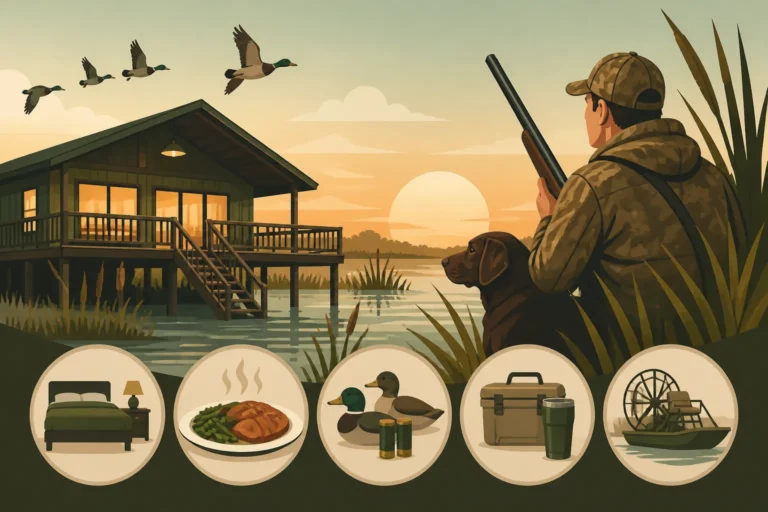
Multi-day hunts usually include multiple morning hunts, sometimes afternoon hunts for geese or other species, and often include lodging and meals. These packages can range from rustic bunkhouse accommodations to full-service lodges with all the amenities. While more expensive, they provide a deeper dive into the hunting experience and often allow for more relaxed camaraderie with your hunting partners and guide. Consider your budget, time constraints, and desired level of immersion when deciding between a day hunt and a multi-day package. Think about whether you want to focus solely on Rice Field Duck Guide Services or combine it with a Booking a Coastal Marsh Duck Lodge experience for a varied trip.
Vetting a Guide's Experience and Reputation
Beyond asking questions, it’s vital to vet a guide's reputation. Start by checking their online reviews on platforms like Google, Facebook, or hunting forums. Look for consistent themes in positive or negative feedback. Are past clients praising their professionalism, dog work, and ability to get on birds? Or are there recurring complaints about disorganization, poor communication, or lack of birds? Pay attention to how long the guide has been operating; longevity often indicates a solid reputation.
Don't hesitate to ask the guide for references from past clients, and actually call those references. A reputable guide will be happy to provide them. When speaking with references, ask about the guide's demeanor, their success rate (while understanding that hunting is never guaranteed), and the overall experience. Websites like GoHunt sometimes offer detailed outfitter profiles and client testimonials that can aid in this vetting process, providing a more comprehensive view of a guide's standing in the hunting community. Ultimately, trust your gut feeling after gathering all the information; you want to ensure a safe, ethical, and enjoyable experience.
Preparing for Your Rice Field Adventure
Preparation is key to any successful hunting trip, and a guided rice field duck hunt is no exception. While your guide will handle most of the technical aspects of the hunt itself, there are still personal preparations you need to make to ensure you're comfortable, properly equipped, and ready to make the most of your time afield. Overlooking these details can quickly detract from your enjoyment, so plan ahead!
Essential Gear and Clothing Considerations
Louisiana weather can be notoriously unpredictable, especially during duck season. You might start a morning hunt in freezing temperatures, only for it to warm up considerably by mid-morning, or a sudden cold front could sweep in, bringing rain and biting wind. Therefore, layering is absolutely crucial. Start with a moisture-wicking base layer, add an insulating mid-layer (fleece or down), and top it with a waterproof and windproof outer shell in a camouflage pattern appropriate for agricultural fields (often darker browns, tans, or patterns with stubble). Don't forget waterproof gloves, a warm hat, and high-quality, insulated, waterproof boots, preferably waders, even if you’re hunting from a blind, as you might need to step into shallow water.
Eye protection and ear protection are also non-negotiables for safety. Beyond clothing, remember your shotgun and plenty of non-toxic ammunition (steel shot is legally required for waterfowl hunting). Bring a shell bag or vest that can hold enough rounds for the day. A thermos with coffee or hot chocolate, and some snacks, will be greatly appreciated during the quiet moments in the blind. Lastly, a headlamp is invaluable for navigating in the dark before and after the hunt. You can also review Layout Blind Hunting Coastal Rice Fields for more specific gear advice related to similar environments.
Physical Demands and What to Expect Afield
While a guided hunt reduces much of the strenuous physical work, it's not entirely without its demands. You’ll likely be walking across uneven, muddy, or slick terrain in the dark, potentially through shallow water, to get to and from your blind. If you're using layout blinds, you'll be lying flat or semi-reclined for extended periods, which can be uncomfortable for some, especially those with back or joint issues. Getting up quickly to shoot can also be a challenge from this position.
Be prepared for cold, wet conditions. Even if it's not raining, the dew or shallow water can make everything damp. Good physical conditioning, even just being able to comfortably walk a mile with some gear, will enhance your experience. Communicate any physical limitations you have with your guide beforehand; a good guide will do their best to accommodate you or suggest alternative arrangements if possible. Knowing what to expect allows you to prepare adequately and prevent any surprises from impacting your hunt negatively.
Licensing, Stamps, and Local Regulations
This cannot be stressed enough: ensure all your licenses and stamps are current and in your possession before you head out. For waterfowl hunting in Louisiana, you'll need a valid basic hunting license, a Louisiana waterfowl license, and a federal duck stamp. You also need to be HIP (Harvest Information Program) certified. These are non-negotiable legal requirements. Your guide will likely verify these, but the ultimate responsibility rests with you.
Louisiana's hunting regulations can be quite specific, varying by parish, specific Wildlife Management Area (WMA), or even within different Louisiana Waterfowl Zones and Seasons. While your guide will be up-to-date on the rules for their hunting area, it's always a good idea to familiarize yourself with the general regulations, especially concerning bag limits, shooting hours, and any other unique rules that might apply. Always carry your license and stamps on your person, ideally in a waterproof holder, or have proof of purchase readily available on your phone if allowed by the state's regulations.
Maximizing Your Experience and Post-Hunt Logistics
The hunt doesn't end when the shooting stops. How you interact with your guide, handle your harvest, and reflect on the experience can significantly enhance your overall satisfaction. Thinking about these aspects before your trip ensures a smooth wrap-up and leaves a positive impression on everyone involved. Remember, a great hunt is often about more than just the birds in the bag.
Tipping Etiquette and Appreciation for Your Guide
Tipping your guide is standard practice and a crucial part of showing appreciation for their hard work. These individuals put in long hours, often scouting, setting up, calling, and retrieving in challenging conditions to provide you with a memorable experience. While there's no hard-and-fast rule, a typical tip for a guided duck hunt ranges from 15% to 20% of the total hunt cost, per hunter. If the guide also provides lodging and meals, and goes above and beyond, consider tipping a bit more.
Present your tip discreetly and personally at the end of the hunt, ideally in cash. A simple "Thank you for a great hunt" along with the tip goes a long way. If there's a dog handler or other staff involved, ask your main guide if tips are shared or if you should tip them separately. Even if the hunting was slow, remember that a guide can't control the birds or the weather, but they can control their effort and attitude. Reward a hard-working guide who tried their best, regardless of the final bird count. For more context on the specifics of showing appreciation, you can look into How Much to Tip a Duck Guide and Boat Captain.
Game Care and What Happens After the Shot
Once the hunt is over, your guide will typically gather all the birds. They might offer to breast out the ducks for you, or they might simply put them in game bags or coolers for you to take home. Clarify this arrangement beforehand. If you plan to have a taxidermy mount done, inform your guide immediately after harvesting the bird you wish to mount. They can provide specific instructions on how to handle it to preserve its condition.
It’s crucial to keep your birds cool, especially in Louisiana’s warmer temperatures. Bring a large cooler with plenty of ice. If you're traveling a long distance, consider dry ice. Ensure your birds are properly identified with a tag if required for transportation or if you're taking them to a commercial processor. Your guide might have recommendations for local processors who can clean and package your birds for freezing or shipping, which is a great convenience, especially for out-of-state hunters. Understanding these logistics will help prevent any spoilage and ensure your harvest makes it to your freezer in prime condition.
Making Memories Beyond the Birds
While harvesting ducks is certainly a highlight, the true value of a guided rice field duck hunt often lies in the entire experience: the camaraderie, the stories, the beauty of a Louisiana sunrise, and the sheer joy of being out in nature. Take the time to soak it all in. Engage with your guide, ask questions about the area, and share stories with your hunting partners. These moments are what truly make a hunting trip memorable.
Many hunters find themselves returning to the same guide or outfitter year after year, not just for the birds, but for the relationships built and the traditions forged. Consider bringing a camera (just be mindful of when to use it so it doesn't interfere with the hunt) to capture some of these non-hunting moments. The sound of thousands of ducks taking flight at dawn, the sight of your guide's dog eagerly retrieving a downed bird, or simply sharing a laugh in the blind – these are the memories that will last long after the last duck has been cleaned and the season has closed.
Disclaimer
This article is for general informational purposes only and does not constitute professional advice. Laws, prices and regulations vary by location and change over time. Consult a qualified professional for guidance on your specific situation.