How Much to Tip a Duck Guide and Boat Captain
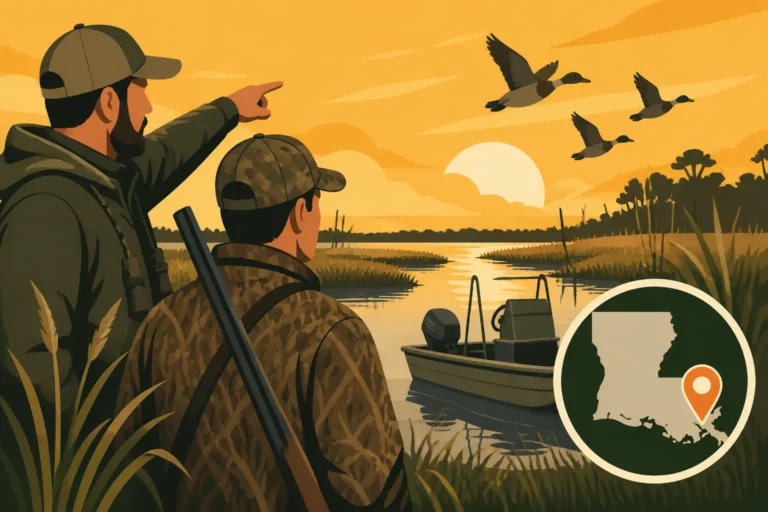
Figuring out the right amount to tip your duck guide and boat captain can feel like navigating a maze, especially after an exhilarating morning hunt out in the Louisiana marsh. You've had a fantastic time, the birds worked the decoys beautifully, and your guide put you on the X, but now comes the moment where you want to show your appreciation without guessing or undershooting. This guide is all about demystifying that process, helping you understand the unspoken etiquette, and ensuring you feel confident in rewarding the hard work that goes into a memorable Louisiana duck hunt.
The Etiquette of Tipping Hunting Guides
The world of guided hunts, whether it's for ducks in the coastal marsh or deer in the piney hills, operates on a foundation of respect and appreciation. Tipping is a significant part of that, and it's something every hunter should understand before they even step foot in the blind.
Why Tipping Matters in the Hunting World
Let's be real: guiding isn't just a job; for many, it's a way of life, a passion deeply ingrained in their DNA. But it's also incredibly demanding work. Your duck guide has likely been up hours before you, scouting new locations, checking on blinds, arranging decoys, and ensuring the boat is fueled and ready to go in the dark. They've invested in expensive equipment—thousands of dollars in boats, motors, blinds, decoys, and dog training—not to mention the years they've spent learning the local marsh, understanding bird behavior, and perfecting their calling.
Tips are more than just extra cash; they're a direct acknowledgment of this dedication, effort, and investment. For many guides, their base fee primarily covers the operational costs of the hunt, and tips often represent a substantial portion of their actual take-home income. When you tip generously, you're not just being kind; you're helping to sustain a challenging profession and ensuring that quality guides can continue to provide exceptional experiences for years to come. Think of it as investing in the future of the sport and the livelihoods of those who make it possible.
General Tipping Guidelines for Outdoor Professionals
Across the broader outdoor industry, from fishing charters to big game hunts, a general framework for tipping has emerged. While it's not a hard-and-fast rule written in stone, understanding these norms can help set your expectations. Typically, guides receive a tip that ranges from 15% to 20% of the total trip cost. This percentage can flex based on several factors, which we'll dive into shortly.
For multi-day trips, sometimes a daily rate is suggested per guide, or the percentage is applied to the overall package price. It's crucial to remember that this isn't just about bagging limits or landing a trophy. The tip reflects the entire experience: the guide's professionalism, their effort, their knowledge, their hospitality, and how safe and enjoyable they made your time afield. Even if the birds aren't flying or the fish aren't biting, a good guide will still work tirelessly to make the most of the situation and provide a valuable experience. This is especially true when you're Hunting the Vermilion Parish Marsh or any other challenging environment.
Specifics for Louisiana Duck Guides and Boat Captains
Louisiana duck hunting is a unique experience, from the vast coastal marshes to the flooded timber. This distinct environment means there might be slightly different nuances when it comes to tipping your guide and boat captain compared to other types of hunts.
Standard Tipping Percentages for Duck Hunts
When you're out chasing greenheads and gray ducks in the Louisiana wetlands, a good rule of thumb for tipping your duck guide and boat captain falls right into that 15% to 20% range of your hunt's total cost. Let's break that down a bit. If you're on a single-day guided hunt that costs, say, a few hundred dollars per person, a 15% tip would be a solid show of appreciation, while 20% would be considered very generous for exceptional service.
For example, if you and a buddy split a $500 day hunt, your portion might be $250. A 15% tip on that would be around $37.50, and 20% would be $50. If you're part of a larger group that booked a blind for $1000, and there are four of you, your individual cost would be $250, and the same tipping logic applies. This percentage applies whether you're working decoys from a layout blind in a cut rice field or tucked into a cypress blind in the backwaters. Many lodges offer All-Inclusive Marsh Duck Packages, and in these cases, the percentage should typically be applied to the total package price before taxes, unless gratuity is explicitly mentioned as included (which is rare).
Tipping When the Hunt Doesn't Go as Planned
This is often the trickiest part of the tipping conversation. What if the birds just didn't fly? What if you scratched out two teal, but your expectations were for a full limit? It's easy to tie the tip directly to the number of birds in the bag, but that's a common misconception and can be unfair to a dedicated guide.
Here’s the thing: guides can't control the weather, the migration patterns, or whether the ducks decide to cooperate on a particular morning. What they can control is their effort, their attitude, their calling skills, their blind setup, the quality of their gear, and their commitment to making your hunt safe and enjoyable. Did they work hard? Did they try different calling sequences? Did they offer to move blinds if conditions warranted it? Were they knowledgeable and engaging, sharing insights about Duck Migration Timing Through Louisiana or local habitat? If the answer to these questions is yes, then a tip is still absolutely warranted, even if the ducks weren't plentiful. A lower bag limit might lead you to tip at the lower end of the 15% range, but rarely should a good guide receive no tip simply because the hunting was slow. Remember, you're tipping for the experience and effort, not just the harvest.
Who to Tip: Guide, Captain, and Support Staff
In Louisiana duck hunting, especially in the coastal areas or on larger operations, you might encounter several individuals who contribute to your trip. It's important to know who typically receives a tip.
- The Main Guide: This is the primary person leading your hunt, calling the birds, setting up the spread, and ensuring your safety and enjoyment. They will receive the largest portion of your tip.
- The Boat Captain: Sometimes, especially in the marsh, your main guide might also be your boat captain. If they are two separate individuals, the boat captain, who safely navigates you to and from the blind in the pre-dawn dark and often helps with gear, is also deserving of a tip. If the main guide is also the captain, your single tip covers both roles.
- Dog Handler: If there's a dedicated dog handler who is not your main guide, they might also warrant a smaller, separate tip, especially if their dog performed exceptionally well in retrieving birds.
- Lodge Staff (for Multi-Day Hunts): For those staying at a lodge, don't forget the cooks, housekeepers, and other support staff who make your stay comfortable. A separate tip jar for them, or individual tips, is a thoughtful gesture.
The most common scenario for a day hunt is tipping the main guide, who often doubles as the boat captain. If you're unsure, it's perfectly acceptable to discreetly ask the outfitter or lodge manager how they prefer tips to be handled. Sometimes a lead guide will collect all tips and distribute them among the team, while other times, individual tips are preferred. For more complex trips, you might even find yourself booking through a service like BookYourHunt or GoHunt, where they might offer guidance on tipping protocol for specific outfitters.
Factors Influencing Your Tip Amount
Tipping isn't always just a flat percentage; it's a dynamic decision influenced by the quality of service you receive. You have the flexibility to adjust your tip to truly reflect your experience.
Effort and Professionalism
This is paramount. A guide who genuinely puts in the work, regardless of the outcome, deserves a good tip. Did your guide arrive on time, well-prepared, and with a positive attitude, even if it was a cold, rainy morning? Did they stay engaged throughout the hunt, constantly scanning for birds, adjusting the spread, and keeping conversation lively? Did they retrieve every bird, even those that fell in tough spots?
Consider the small details: Were they patient with new hunters? Did they prioritize safety above all else, ensuring everyone followed proper firearm handling rules? A guide who works hard to give you the best possible chance, who handles unforeseen challenges with grace, and who treats you with respect and professionalism, is earning that higher-end tip. This kind of dedication is especially valued when you're Hunting the Atchafalaya Basin where conditions can change rapidly.
Preparation and Equipment
A significant portion of an outfitter's cost goes into their gear, and your tip indirectly supports this. Was the boat clean, well-maintained, and safe? Were the blinds comfortable, well-brushed, and effectively hidden? Were the decoys realistic and set up effectively to work the birds? Did the guide have quality calls and use them skillfully?
When you experience top-notch equipment and a meticulously prepared hunting area, it enhances the entire experience. It shows that the guide and outfitter are invested in their business and in providing a quality hunt. If you're struggling with understanding Crossbow Rules During Louisiana Archery Season, a good guide will not only know the rules but have all the necessary equipment to ensure you're compliant and comfortable. This attention to detail contributes to a smoother, more effective hunt and warrants a generous tip.
Your Overall Experience Beyond the Birds
While harvesting ducks is certainly a goal, the overall experience of the hunt often outweighs the final bird count. Did the guide share valuable local knowledge about the marsh, wildlife, or Louisiana Deer Camp Traditions? Did they make you feel welcome and entertained? Did they go the extra mile, like taking photos, cleaning birds, or offering a hot cup of coffee on a chilly morning?
Think about the camaraderie, the stories shared, and the memories made. Sometimes, the most memorable hunts aren't about limits, but about the unique connection to nature and the shared experience with a knowledgeable guide. A guide who makes the entire day enjoyable, regardless of the shooting, is providing immense value. This holistic experience is what truly justifies a generous tip, signaling your appreciation for more than just trigger time.
Group Size and Hunt Duration
The dynamics of your group and the length of your hunt can also subtly influence tipping.
- Group Size: If you're part of a larger group, the total tip amount will naturally be larger when everyone contributes. However, sometimes guides might feel a larger group means more work for the same individual tip amount. If the guide had to manage more personalities, more shooting lanes, or more potential for confusion, you might consider leaning towards the higher end of the percentage, or slightly more per person, especially if they managed it all smoothly.
- Hunt Duration: A short, intense morning hunt might feel different than a leisurely full-day hunt with a shore lunch. For multi-day trips, as mentioned earlier, the total tip is usually based on the full package price. For extremely short hunts (e.g., a quick evening shoot), you might still offer a respectable minimum amount rather than a tiny percentage of a low base fee, acknowledging the guide's time and effort in preparation. Many popular booking sites like BookYourHunt allow you to clarify these details upfront.
Practical Tipping Scenarios and Methods
When it comes to actually presenting your tip, there's an unspoken art to it. Making it a smooth and appreciative gesture can make a big difference.
Cash is King, But Other Options Exist
For decades, cash has been the preferred method for tipping hunting guides. There are several good reasons for this:
- Immediacy: Guides often work long, early hours and appreciate having immediate access to their earnings.
- Simplicity: No need to track payments or deal with processing fees.
- Privacy: It allows the transaction to be discreet and personal.
Always try to bring enough cash in appropriate denominations. Running out of cash or only having large bills can be awkward. Plan ahead and visit an ATM before heading out to the remote hunting camps.
While cash is king, in some cases, especially with larger operations or multi-day lodge stays, other options might be available or even necessary:
- Venmo/PayPal/Cash App: Some younger guides or those with specific setups might be open to digital payment apps. Always ask first, and be aware that these sometimes involve small fees.
- Credit Card at the Lodge: A few higher-end lodges might have the capability to add a tip to your credit card bill, especially for lodge staff, but this is less common for the direct guide/captain tip. Again, inquire discreetly.
- Checks: Less common, but some guides may accept a personal check, especially if it's a substantial amount.
Always confirm with the outfitter or guide what their preferred method is if you're not planning on using cash. A quick message or call before your trip through a platform like GoHunt can help clarify payment options.
Tipping on a Day Hunt vs. a Multi-Day Lodge Trip
The structure of your hunt can affect how and when you tip.
- Day Hunt: For a typical morning or afternoon duck hunt, you'll generally tip your guide directly at the conclusion of the hunt, before you depart the area. If you're hunting with a group, it's common for one person to collect contributions from everyone and present a lump sum to the guide, or for each individual to tip separately. A quick huddle among your group beforehand to decide on a collective amount can make this process seamless. For instance, after a successful morning of Hunting the Vermilion Parish Marsh, as you're loading out the boat, is a good time to make the exchange.
- Multi-Day Lodge Trip: If you're staying at a lodge for several days, the tipping structure might be a bit more nuanced. Sometimes there's a collective tip jar for all guides and staff that you contribute to at the end of your stay. Other times, you'll tip your primary guide at the end of the last hunt, and separately tip any other specific staff (cooks, housekeepers) if they provided exceptional service. A good practice is to gather all your tips for the various staff in separate envelopes or clearly labeled sums. Often, the lodge manager will provide guidance on tipping on the final day, or you can ask discreetly towards the end of your stay.
When to Present Your Tip
Timing is everything. You want to present your tip as a sincere gesture of gratitude, not an afterthought or a quick exchange at the last minute.
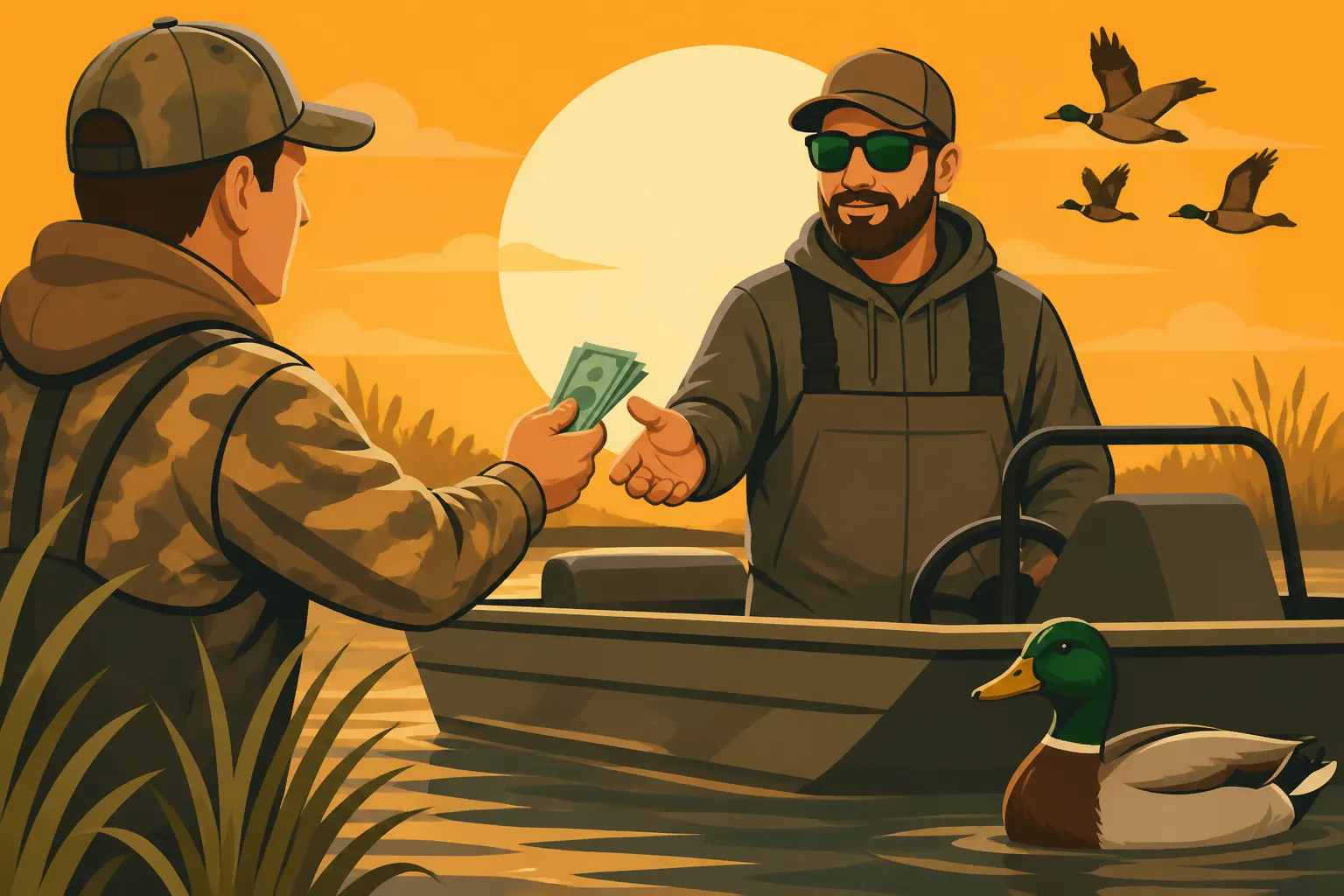
The best time to offer your tip is typically at the end of the last hunt, after the gear is packed, the birds are cleaned (if that's part of the service), and before you part ways. This allows for a brief, personal moment to express your thanks directly to the guide. A handshake with the cash subtly transferred, accompanied by a genuine "Thank you for a great hunt, I really appreciate your hard work," is the classic and most respected approach. Avoid making a big show of it or doing it in a way that makes either you or the guide uncomfortable. It’s a personal transaction that signifies appreciation for a job well done.
Here’s a quick reference table for common tipping scenarios:
| Service Type | Standard Tip Range (%) | Notes |
|---|---|---|
| Day Duck Hunt Guide/Captain | 15-20% of hunt cost | Tip at the end of the hunt. Consider effort and overall experience more than just the bag limit. Cash preferred. |
| Multi-Day Duck Lodge Package | 15-20% of package cost | Tip primary guide on final day. May also have separate tip for lodge staff (cooks, housekeepers). Ask lodge manager for guidance. |
| Specific Support Staff (e.g., Dog Handler) | $20-$50 per day | For additional, dedicated support staff not included in the main guide's role. Adjust based on exceptional service. |
| Exceptional Service | 20%+ | If a guide went above and beyond, provided incredible hospitality, shared invaluable knowledge, or overcame significant challenges to make the hunt memorable, a higher tip is well-deserved. |
| Challenging Hunt (Low Harvest) | 10-15% | Still tip if the guide put in maximum effort and showed professionalism. Focus on their work ethic and attitude, not just the number of birds. This acknowledges their investment of time and resources. |
In the end, tipping your duck guide and boat captain in Louisiana is about more than just dollars and cents. It's about showing respect for their expertise, acknowledging their hard work, and contributing to the vibrant hunting culture that makes our state so special. By understanding these guidelines, you can ensure your appreciation is clear and well-received, making for a positive experience for everyone involved. The memories forged in a duck blind, whether you're working Flooded Timber for Mallards or chasing pintails over open water, are priceless, and a thoughtful tip is a small but significant way to honor that.
Disclaimer
This article is for general informational purposes only and does not constitute professional advice. Laws, prices and regulations vary by location and change over time. Consult a qualified professional for guidance on your specific situation.