What a Louisiana Deer Hunt Package Includes
Trying to figure out what you're actually getting when you look at a Louisiana deer hunt package can feel like trying to read a swamp map at night – a lot of lines and confusing details. It's easy to get overwhelmed by the jargon and wonder if you're comparing apples to oranges. This guide will help you unpack the typical components of a guided deer hunt package in Louisiana, what's usually included, what might cost extra, and how different hunting styles influence what's on offer, so you can make an informed decision for your next adventure.
Understanding the Basic Package Components
When you’re eyeing a deer hunt package in Louisiana, there’s a foundation of services and provisions you can generally expect. These are the elements that make up the core value of a guided experience, designed to take the heavy lifting out of planning your hunt and allow you to focus on the pursuit itself. Think of these as the absolute non-negotiables that an outfitter provides.
The Core Hunt Experience
At the heart of any package is the actual hunting itself, and this involves a few key elements. You’re paying for access, expertise, and logistical support in the field. This typically includes a set number of hunting days, often ranging from two to five, and the services of an experienced guide or guides. These guides aren't just there to point you to a stand; they're the experts on the local deer herd, their movements, and the specific terrain. They understand everything from Wind and Thermals in Swamp Bottomland to where the deer are bedding down. Their role might involve transporting you to and from hunting locations, whether that's by truck, ATV, or even boat in some of our more watery regions like the Atchafalaya Basin.
Many packages will specify that the guide provides initial instruction, helps you track and recover game, and may even assist with field dressing the animal once it’s down. This can be invaluable, especially if you’re new to hunting a particular area or if you’re traveling from out of state and aren’t familiar with the local regulations or terrain. Having a seasoned professional by your side who knows the property like the back of their hand drastically increases your odds of a successful hunt and a smoother overall experience.
Accommodation and Meals
Beyond the hunt itself, most Louisiana deer hunt packages include accommodation and meals. This is where the "lodge" or "camp" experience comes into play. Accommodation can vary widely, from rustic bunkhouse-style cabins with basic amenities to more luxurious lodges featuring private rooms, full bathrooms, and even recreational facilities. The type of lodging often dictates the overall feel and cost of the package, so it's good to clarify expectations upfront. Are you looking for a no-frills hunting camp experience, or something with a bit more comfort after a long day in the woods?
Meals are almost always a part of the deal, taking away the chore of cooking and cleaning. Typically, this means breakfast before the morning hunt, a packed lunch or a return to camp for a midday meal, and a hearty dinner in the evening. Many outfitters pride themselves on serving up delicious, home-cooked Louisiana cuisine, which can be a real treat. However, it's always wise to discuss any dietary restrictions or preferences when booking to ensure they can be accommodated. The convenience of having all your meals taken care of is a huge benefit, letting you focus entirely on your hunt.
Pre-Scouting and Stand Placement
One of the most valuable, yet often unseen, aspects of a guided hunt package is the extensive pre-scouting and stand preparation done by the outfitter long before you ever arrive. Outfitters aren't just showing up on opening day hoping for the best; they've spent countless hours over the off-season, and right up until your arrival, monitoring deer movement, identifying prime food sources, and checking Scrape Lines Along a Logging Road. They use trail cameras, walk vast acreages, and observe patterns to pinpoint the best spots. This is especially true for outfitters offering Trophy Buck Guides in the Florida Parishes where mature deer are the target.
When you arrive, your guide will have already identified promising stand locations based on current conditions, recent deer activity, and the prevailing winds. Whether it's a ladder stand overlooking a green field, a strategically placed ground blind near a bedding area, or a lock-on stand in a natural funnel, the stands are usually already set up and brushed in. This eliminates the need for you to spend valuable hunting time scouting or hanging your own gear, maximizing your time afield and your chances of success. It's a huge logistical advantage that many hunters, especially those on a tight schedule, truly appreciate.
Variable Inclusions: What Might Cost Extra or Differ?
While some elements are standard in a Louisiana deer hunt package, many others can vary significantly between outfitters or might come with an additional cost. It’s crucial to understand these potential differences so you’re not surprised by unexpected fees once you’re at camp or making your booking. Transparency is key here, so don't hesitate to ask detailed questions.
Gear and Equipment
Most packages assume you'll bring your own hunting weapon – be it a rifle, shotgun, or bow – and your personal hunting apparel. However, there are instances where certain gear might be provided or available for rent. For example, some outfitters might offer high-quality optics like binoculars or spotting scopes for use, especially if they operate in more open terrain where long-range glassing is common. In other cases, if you're flying in and don't want the hassle of transporting your firearm, an outfitter might have rifles available for rent. You'd need to discuss this specifically.
Specialized equipment like ATVs or UTVs for in-field transportation are typically provided as part of the guide's service, but guests usually don't operate them unless explicitly permitted and trained. If you're looking to use a particular type of stand or blind, it's worth confirming with the outfitter beforehand. Generally, the more self-sufficient you are with your own gear, the smoother your experience will be, but always check if there are specific requirements or restrictions on what you can bring.
Game Processing and Taxidermy
This is a big area where packages often differ, and it’s critical to clarify what’s included. Most packages will cover basic field dressing of your harvested deer. This means the guide will help you eviscerate the animal to begin the cooling process. However, full processing – turning that field-dressed deer into ready-to-cook steaks, roasts, and ground meat – is almost universally an additional cost. Many outfitters have a local processor they work with, and they can arrange for your deer to be dropped off, but the processing fees will be your responsibility. It's important to understand the typical yield and quality you can expect, especially if you're dealing with Handling Venison From a CWD Management Zone.
Similarly, taxidermy services are almost always separate. If you harvest a trophy buck and want a shoulder mount, the outfitter can typically cape the animal for the taxidermist and ensure it's properly cared for until it can be shipped or picked up. However, the cost of the taxidermy itself, and any shipping fees, will fall to you. Discuss these details upfront, including how the animal will be handled, kept cool, and transported to the processor or taxidermist, especially if you plan to Dragging a Deer Out of a Swamp or similar challenging retrieval situations.
Licenses, Tags, and Permits
This is perhaps the most critical exclusion in nearly all hunt packages: your hunting licenses and tags are always your responsibility. An outfitter cannot purchase these for you. You will need to acquire a valid Louisiana hunting license, deer tags, and any necessary stamps or permits for the season. This often includes a basic license, a deer validation, and potentially a Louisiana duck stamp even if only deer hunting, depending on the specific combination of activities. You can find detailed information on Louisiana Hunting Licenses and What They Cost through the state's wildlife department.
While your guide can certainly help direct you to the right online portal or local vendor to purchase these, the onus is on you to have all the correct documentation before you step into the field. This is non-negotiable, and failing to have the proper licenses can result in fines and ruin your hunt. Make sure you understand Louisiana Deer Reporting Requirements as well, as you'll be responsible for checking in your harvest after the hunt. It's a good idea to sort out your licensing well in advance of your trip to avoid any last-minute stress.
Hunting Styles and Locations Influencing Packages
Louisiana is a diverse state when it comes to terrain and hunting traditions. The type of package you choose will be heavily influenced by where you want to hunt and what kind of experience you’re looking for. From the rolling piney hills to the deep, murky swamps, each environment offers a unique challenge and a different style of guided hunt.
Piney Hills and Farm Country Packages
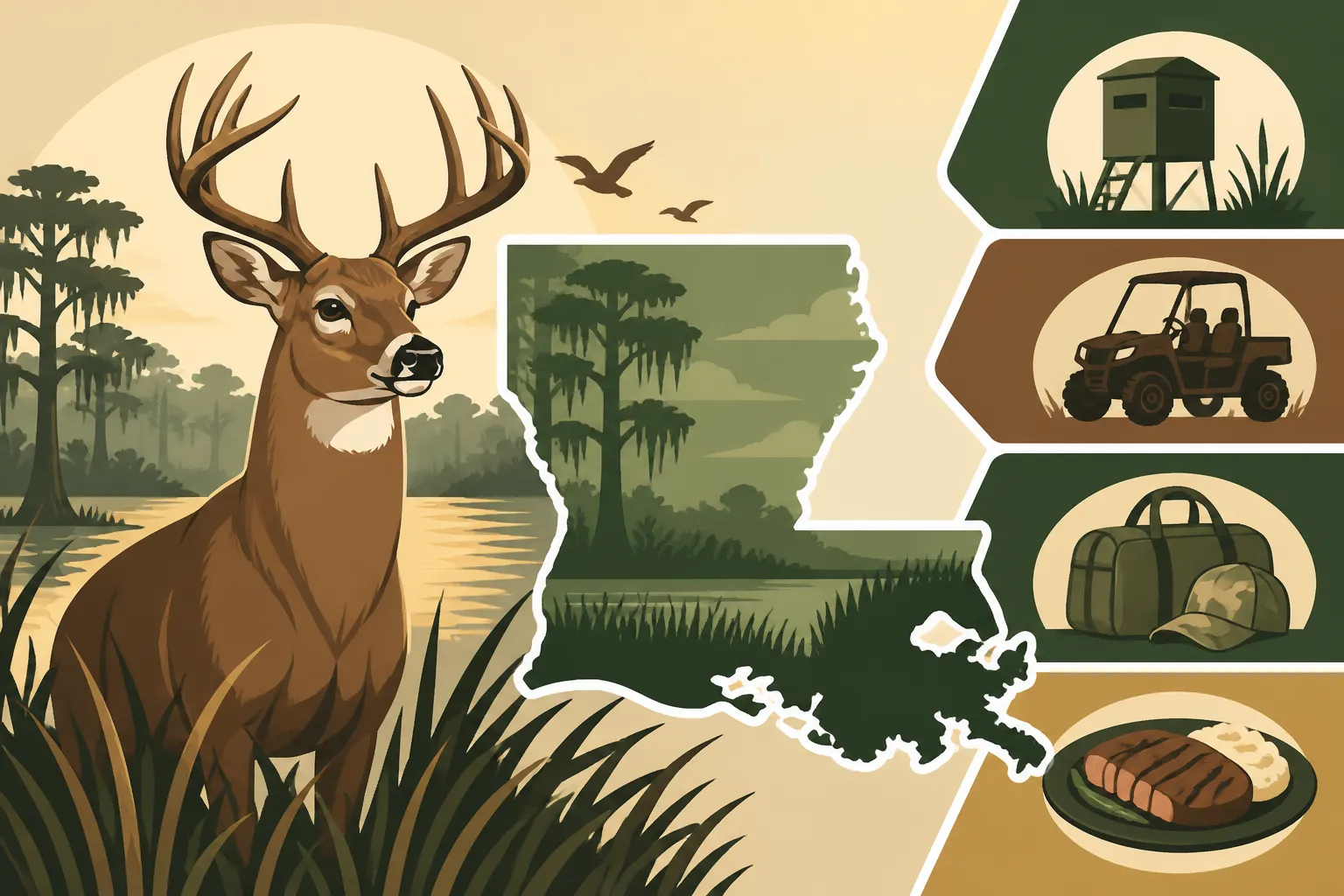
In North Louisiana and the Florida Parishes, where you find more traditional rolling hills, pine timber, and agricultural fields, deer hunt packages often focus on stand hunting over food plots, natural browse, or travel corridors. Outfitters here may manage thousands of acres of private land, carefully cultivating food sources and strategically placing stands to intercept deer movement. These packages typically include transportation to and from established box blinds, ladder stands, or ground blinds that offer comfortable, long sits. The focus is often on maximizing your time in a prime location.
These areas are known for growing some impressive deer, and many outfitters in the Florida Parishes, for instance, specialize in offering opportunities for older, mature bucks. You might find packages explicitly geared towards trophy hunting, with guides meticulously studying buck movement patterns and encouraging hunters to pass on younger deer. The landscape here allows for more predictable deer movement between bedding and feeding areas, making it conducive to a structured stand-hunting approach. Hunting North Louisiana Piney Hills can offer a very different experience than hunting the swamps.
Atchafalaya Basin and Swamp Hunts
Now, if you're looking for an adventure that truly screams "Louisiana," a hunt in the Atchafalaya Basin Swamp Deer or other extensive bottomland hardwoods will deliver. These packages are often more physically demanding and logistically complex. Access to prime hunting areas in the swamp is frequently by boat, navigating cypress-tupelo sloughs and bayous. The hunting itself might involve still-hunting through thick cover, setting up on elevated ridges or cypress knees overlooking waterways, or hunting natural funnels.
Guides specializing in Basin hunts are invaluable, as they possess an intimate knowledge of the ever-changing water levels, deer travel routes in response to flooding, and how to effectively retrieve a deer from challenging terrain. These packages might emphasize a more active hunting style compared to traditional stand hunts, sometimes even incorporating Deer Drives With Three or Four Hunters on smaller islands or ridges. The focus here is often as much about the unique environment and the challenge of hunting it as it is about the deer. It’s an immersive experience in one of America’s last great wild swamps.
Trophy vs. Meat Hunts
Many outfitters offer packages that are either geared toward harvesting a trophy-class buck or simply filling your freezer with venison. Trophy hunt packages, naturally, tend to be more expensive. They often come with stricter harvest criteria, meaning you might be expected to pass on smaller bucks in hopes of encountering a truly mature animal. Guides for these hunts have often spent years managing their properties for big deer and understand Louisiana Buck Age Structure and antler growth. They might employ specialized tactics like rattling and grunting during the rut to draw in older bucks.
Meat hunts, on the other hand, are typically more affordable and focus on harvesting any legal deer, whether it's a doe or a younger buck. These hunts are perfect for those who prioritize ethical harvest and putting quality protein on the table. Some packages might even include bonus antlerless tags, allowing you to harvest multiple does. It's crucial to clarify the outfitter's harvest policy and any potential trophy fees for bucks that exceed a certain antler size, or conversely, fees for shooting an underage buck. Understanding these expectations upfront ensures a hunt that aligns with your goals and budget.
Navigating Logistics and Hidden Costs
Beyond the core components of the hunt itself, there are often logistical considerations and potential hidden costs that every hunter should be aware of. Overlooking these details can lead to frustration and unexpected expenses, so it’s always best to ask for a comprehensive breakdown before you commit.
Travel and Transportation
Most deer hunt packages begin once you arrive at the designated meeting point, which is typically the outfitter's lodge or camp. This means your travel to Louisiana and from the airport (if you're flying in) to the camp is almost always your responsibility. While some high-end, all-inclusive packages might offer airport pickup, it's not the norm. You'll need to factor in the cost and logistics of your flights, car rental, or personal vehicle fuel. It's also wise to consider the distance from major airports like Baton Rouge (BTR) or New Orleans (MSY) to your hunting destination, as some remote camps can be quite a drive.
Once at camp, in-field transportation by the guide is usually included, but it's important to understand the modes of transport. Will you be driven directly to your stand in a comfortable truck, or will it involve a bumpy ATV ride or a boat trip followed by a significant hike? If you have any mobility concerns, this is something to discuss. Understanding the travel logistics, both to and within the hunting area, is a crucial part of planning your trip.
Gratuities and Additional Staff
This is an area often overlooked by first-time guided hunters. Gratuities for your guide and any other camp staff (cooks, lodge caretakers) are almost never included in the upfront package price. Tipping is customary in the outdoor industry and is a significant way to show appreciation for excellent service. While the exact amount is at your discretion, it’s wise to budget a certain percentage of your total hunt cost for tips, typically ranging from 10-20% for your main guide, and smaller amounts for other staff if applicable.
Good guides work incredibly hard, not just during your hunt, but also in the months leading up to it, preparing the property and scouting. They're often up before you and stay up after you to ensure everything is ready for the next day. If you had a great experience, saw plenty of deer, had good company, and your guide worked tirelessly, a generous tip is certainly warranted. Don't be shy about asking the outfitter about their typical tipping expectations or if they have recommendations, but remember it's ultimately your choice. This is also covered in articles like Tipping Guides and Boat Captains.
Booking and Cancellation Policies
Understanding the outfitter's booking process, deposit requirements, and cancellation policy is absolutely paramount. Most outfitters require a significant non-refundable deposit to secure your dates, often 50% or more of the total package price. The remaining balance is typically due a certain number of days or weeks before your hunt, or sometimes upon arrival. These policies are in place because outfitters book out their limited spots well in advance and rely on those commitments.
Life happens, though, and sometimes plans change. What happens if you need to cancel? Or what if severe weather, like a hurricane, impacts your hunt dates? Will your deposit be forfeited? Can you reschedule? Is there an option for trip insurance? These are all vital questions to ask and get in writing. Reputable outfitters will have clear, fair policies, but it's up to you to understand them fully. For more details, refer to Deposits and Cancellation Terms in Louisiana. Don’t assume anything – clarify every aspect of the booking and cancellation process before you put down any money.
Finding and Vetting Outfitters for Deer Hunts
Once you have a clearer picture of what a Louisiana deer hunt package might entail, the next step is finding a reputable outfitter and ensuring they are the right fit for you. This involves a bit of homework, but it’s time well spent to guarantee a positive experience.
Researching Reputable Guides
The hunting world has become incredibly connected, and there are many avenues to research outfitters. Online platforms like BookYourHunt can be a great starting point, as they often list numerous guides, detail their packages, and sometimes include reviews from previous clients. Similarly, while GoHunt is more known for western hunting, it often provides valuable state-specific information that can indirectly help you identify regions and even potential outfitters focusing on deer management in Louisiana. Hunting forums and social media groups dedicated to Louisiana hunting can also be a goldmine of candid opinions and recommendations.
Beyond online searches, consider attending regional hunting expos or sports shows. Many Louisiana outfitters will have booths, allowing you to meet them face-to-face, discuss their operations, and get a feel for their personality and professionalism. Personal referrals from trusted friends or fellow hunters are also incredibly valuable. Always look for outfitters who are licensed and insured, and who demonstrate a deep understanding of White-Tailed Deer Across Louisiana and the specific regulations of their hunting areas.
Asking the Right Questions
Once you've narrowed down a few potential outfitters, it's time to start asking probing questions. Don't be afraid to delve into the details. Beyond clarifying everything we've discussed above – specific inclusions, exclusions, and logistics – inquire about their experience and success rates. While no outfitter can guarantee a kill, they should be transparent about what constitutes a "fair chase" opportunity and what their typical client success rate looks like. Reading Outfitter Success Claims is a good skill to develop here; be wary of anything that sounds too good to be true.
Ask about typical hunting methods, the size of their hunting property, the number of hunters they take at one time, and the guide-to-hunter ratio. Request references from previous clients – and actually call them! Speaking to someone who has hunted with the outfitter recently can provide invaluable insight into the actual experience. This thorough vetting process, often outlined further in articles like Vetting a Louisiana Outfitter Before You Book, will help you distinguish between a professional operation and a less reliable one. You're investing your time and money, so ensure you're confident in your choice.
What to Expect in a Louisiana Deer Hunt Package
Here's a quick overview of what's typically included and what often isn't, or requires an extra cost, in a Louisiana deer hunt package. Remember, always confirm directly with your chosen outfitter!
| Feature | Typically Included | Often Excluded / Additional Cost |
|---|---|---|
| Hunting Days | Specified number of days afield (e.g., 3-5 days) | Extra hunting days beyond package |
| Guide Services | Professional guide(s), in-field transport, game recovery | One-on-one guiding (unless specified), guide gratuities |
| Accommodation | Lodge or camp lodging | Private rooms (unless specified), luxury amenities |
| Meals | Breakfast, lunch (or packed), dinner | Alcoholic beverages, special snack requests, unique dietary needs |
| Pre-Scouting/Stands | Pre-scouted areas, established stands/blinds | Personal stand placement, hunting specific private land (unless leased) |
| Field Dressing | Basic field dressing of harvested game | Full meat processing, freezer bags, ice |
| Game Preservation | Temporary cold storage for deer at camp (often shared) | Professional taxidermy, shipping of meat/trophy |
| Licenses & Tags | N/A (Hunter's responsibility to purchase) | N/A |
| Personal Gear | N/A (Bring your own weapon, clothing, optics) | Weapon rentals, specialized gear rentals |
| Travel | In-field transportation by guide | Travel to/from Louisiana, airport transfers, personal vehicle fuel |
| Communications | Lodge Wi-Fi or limited cell service | Satellite phone rentals for deep swamp areas |
| Photos | Guides often assist with photos of harvested game | Professional photography services |
Ultimately, a Louisiana deer hunt package is designed to provide a comprehensive, organized, and often more successful hunting experience, especially for those unfamiliar with the state's unique environments. By understanding what typically comes standard and what might be an add-on, you can better compare options and find the perfect guided hunt that fits your aspirations for chasing whitetails in the Pelican State. Happy hunting!
Disclaimer
This article is for general informational purposes only and does not constitute professional advice. Laws, prices and regulations vary by location and change over time. Consult a qualified professional for guidance on your specific situation.