Scrape Lines Along a Logging Road
There's nothing quite as frustrating as meticulously scouting a new area, finding what looks like promising deer sign, only to have your efforts yield nothing but empty stands and silent woods. For many Louisiana hunters, logging roads present both incredible opportunity and puzzling challenges, especially when it comes to understanding and effectively hunting those tell-tale scrape lines. This guide aims to pull back the curtain on why deer use these linear features for communication and how you can dramatically improve your success by understanding the nuances of scrape activity along these easily accessible pathways.
Understanding the Allure of Logging Road Scrapes
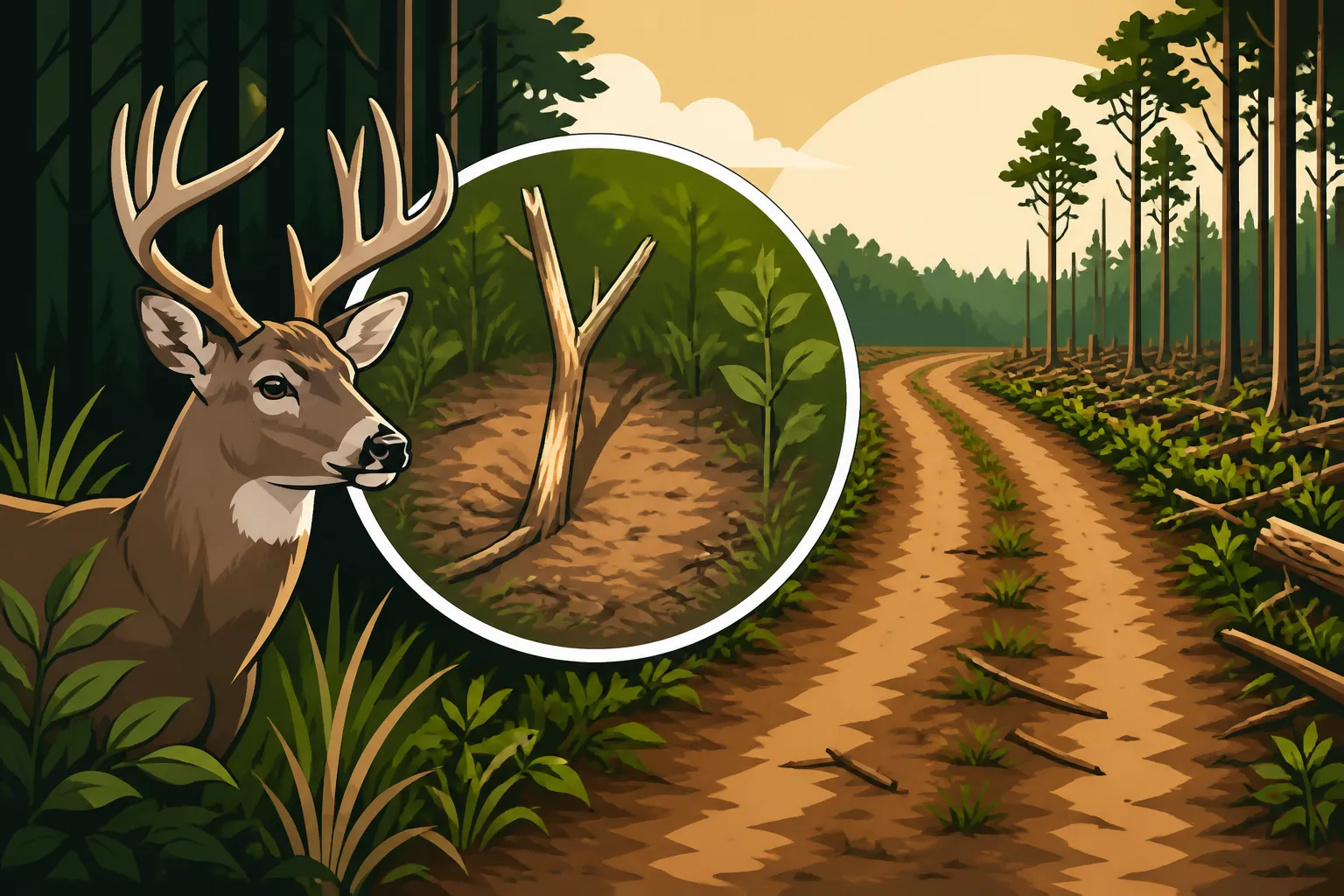
Logging roads, whether active or long-abandoned, cut through the diverse landscapes of Louisiana, from the pinewoods of Kisatchie National Forest to the bottomland hardwoods of the Tensas River Basin. These man-made corridors, often overlooked by hunters rushing to their "spot," are absolute magnets for deer, particularly during the pre-rut and peak rut phases. Bucks, especially, use them as highly visible and scent-rich communication hubs, making them prime targets for a savvy hunter.
The Natural "Highway" Effect
Think of a logging road as a superhighway for deer. These clearings offer easier travel through dense timber or thick underbrush, providing a less obstructed path compared to battling through tangles of briars and palmettos. Deer naturally gravitate towards the path of least resistance, and logging roads fit that bill perfectly. They connect bedding areas to feeding grounds, water sources to escape cover, creating natural travel corridors that bucks and does utilize daily. During the rut, these roads become even more critical as bucks are constantly on the move, scent-checking for does, and often traveling considerable distances in search of receptive partners. A buck might follow a logging road for a mile or more, leaving sign along the way to announce his presence and check for does that have done the same. This consistent travel creates a predictable pattern, which is exactly what we as hunters are trying to exploit.
Beyond just ease of travel, these roads offer a certain level of visibility that deer appreciate. While they'll rarely walk completely exposed in the middle of a wide-open road during daylight, the edges provide just enough open space for them to scan for danger while still having immediate cover for escape. This blend of easy movement and perceived security makes logging roads a high-traffic zone. When you're Scouting Louisiana Public Land Before Season, pay close attention to the intersection of these roads with natural funnels or changes in habitat, as these pinch points amplify the "highway" effect, concentrating deer movement even further.
Prime Real Estate for Communication
Scrapes along logging roads aren't just random acts of a buck pawing at the dirt; they are highly intentional communication points, akin to a billboard or a community bulletin board in the deer world. These open stretches of road often have overhead branches that bucks eagerly utilize for licking branches – a crucial component of any active scrape. By rubbing their forehead, preorbital glands, and even their nose on these branches, bucks deposit powerful pheromones, leaving their calling card for any deer passing by. This scent, combined with the visual disturbance of the pawed-up earth, creates an undeniable advertisement of their presence and readiness to breed.
Does also visit these scrapes, leaving their own scent behind, indicating their estrous status. It's a two-way conversation, making these locations hotbeds of deer activity during the breeding season. The relatively open nature of a logging road means that these visual and olfactory messages are easily detected. A mature buck is less likely to create a primary scrape deep within the densest cover where it might go unnoticed. Instead, he places them strategically where other deer are most likely to encounter them – and that often means along a well-used logging road. Understanding this social aspect of scrape behavior is paramount to success.
Identifying Active Scrape Lines on Logging Roads
The key to successfully hunting logging road scrapes isn't just finding a scrape, but finding active scrape lines. A single, isolated scrape might be nothing more than a curious buck's whim. A line of scrapes, especially those showing fresh activity, tells a much more compelling story about deer movement and buck behavior in the area. Learning to differentiate between a stale, forgotten scrape and a vibrant, regularly visited communication hub is crucial for maximizing your time afield.
Reading the Sign: Visual Cues
When you're walking a logging road, especially in areas like those described in Louisiana Deer Hunting Area by Area, keep your eyes peeled for more than just the scraped earth itself. An active scrape will typically be a cleared-out patch of ground, usually ranging from 1 to 3 feet in diameter, where all leaves and debris have been pawed away, exposing the bare soil beneath. The edges of the scrape will often show hoof prints, indicating recent visits. The dirt itself might appear moist or freshly disturbed. Look for an overhead branch, usually 4-6 feet off the ground, that has been chewed, broken, or rubbed smooth – this is the crucial licking branch. If it looks shiny, frayed, or has fresh sap showing, you've hit the jackpot.
Beyond the scrape itself, survey the immediate area. Are there fresh rubs on nearby trees? Rubs are another sign of a buck's presence and aggression, often found in conjunction with scrape lines. The bigger the rub, the bigger the buck, generally speaking. Look for fresh tracks leading into and out of the scrape. Are there deer droppings nearby? How about small trees or saplings that have been thrashed by antlers? These combined visual cues paint a picture of consistent, recent deer activity. If you're using tools like the GoHunt app, make sure to mark these areas, noting the freshness of the sign. Over time, you'll start to see patterns and identify specific "hot" logging road stretches.
Timing is Everything: Pre-Rut and Peak Rut Activity
While scrapes can pop up sporadically throughout the year, their activity explodes during the pre-rut and peak rut. In Louisiana, depending on your Louisiana's Ten Deer Hunting Areas Explained, the rut can vary significantly. For instance, in the early-start areas, you might see intense scrape activity in early to mid-November, whereas in the long-window areas, it could stretch well into December. Understanding When the Louisiana Rut Peaks by Area is vital to timing your efforts.
During the pre-rut, bucks are still primarily focused on feeding and bulking up, but their testosterone levels are rising. They'll start making "mock scrapes" and freshening existing ones, often checking them more frequently. This is when you want to be out scouting, identifying these burgeoning hot spots. As the peak rut approaches and does begin to enter estrus, scrape activity intensifies dramatically. Bucks become less predictable in their travel, but their reliance on these communication hubs grows. They'll be checking scrapes constantly, not just leaving scent, but actively sniffing for signs of receptive does. This is the window when a well-placed stand over an active logging road scrape line can be incredibly effective. Don't waste your time hunting stale scrapes in the late season; focus your efforts when the deer are truly engaged in this vital breeding ritual.
Strategic Hunting Approaches for Logging Road Scrapes
Once you've identified those prime logging road scrape lines, the real work begins: strategizing your hunt. It's not enough to simply sit near a scrape. You need to consider the prevailing wind, your entry and exit routes, and how you're going to minimize your human footprint. Deer, especially mature bucks, are incredibly wary, and any misstep can blow your chances before they even know you're there.
Stand Placement and Wind Considerations
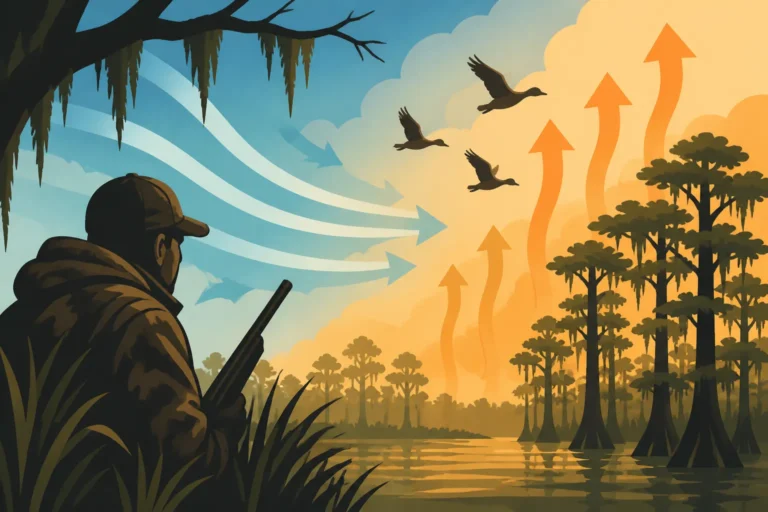
The cardinal rule of deer hunting applies double here: hunt the wind. Deer primarily rely on their nose for detecting danger. When setting up near a logging road scrape, your stand needs to be positioned so that your scent cone is carried away from where you expect deer to approach or cross the road. This often means setting up slightly off the road, perhaps 15-20 yards back into the timber, allowing you to observe the scrape without your scent drifting directly over it. Consider prevailing winds, but also be mindful of Wind and Thermals in Swamp Bottomland or hilly terrain, which can cause unpredictable air currents. The wind might be blowing one direction at ground level and another at 20 feet up. Always err on the side of caution.
Beyond wind, think about concealment and shooting lanes. A good stand setup offers clear views of the scrape and its approaches, but also keeps you hidden. Look for a tree that breaks up your outline against the sky or a dense cluster of pines that offers a natural backdrop. Trim any small branches that might impede your shot, but do so minimally and well in advance of your hunt, if possible, to avoid disturbing the area. If tree stands aren't an option, or if the cover is particularly thick, consider Using a Ground Blind on Louisiana Public Land. Just ensure it's well brushed-in and set up several days before you plan to hunt to allow deer to get accustomed to its presence.
Utilizing Scent and Decoys
While a well-placed stand and favorable wind are your primary tools, strategic use of scents and decoys can definitely give you an edge around logging road scrapes. During the pre-rut and early rut, when bucks are still establishing dominance and checking for does, a buck decoy can be incredibly effective. Place it where it's highly visible from the logging road, perhaps 20-30 yards from the scrape, facing away from the scrape as if it's just passed by. This aggressive posture can challenge a mature buck, drawing him in for a confrontation. Just be hyper-aware of your surroundings and make sure you've positively identified your target before taking a shot, especially when hunting with a decoy.
Scent lures are another powerful tool. Freshly opening or reactivating a scrape with a deer urine-based scent can simulate a doe in estrus or another buck's presence, sparking curiosity or territorial aggression. Consider using dominant buck urine, estrous doe urine, or even a curiosity scent, depending on the phase of the rut. Apply these scents to the licking branch, directly into the scraped earth, or on scent wicks hung nearby. Be careful not to contaminate the area with your own human scent during application; always wear gloves and approach cautiously. Combining these tactics with Rattling and Grunting in Louisiana can create a highly realistic scenario that's hard for a rutting buck to resist, especially in the more open settings that logging roads provide.
Common Pitfalls and How to Avoid Them
Hunting logging road scrapes can be incredibly rewarding, but it's also easy to make mistakes that can quickly educate a wary buck. The very accessibility that makes logging roads attractive to deer also makes them prone to increased human disturbance. Being mindful of your impact and understanding the nuances of deer behavior around these areas is key to sustained success throughout the season.
Overhunting and Scent Contamination
One of the biggest mistakes hunters make is overhunting a promising scrape line. Just because you found a hot scrape doesn't mean you should sit on it every single day. Consistent human presence, especially if you're not meticulous about scent control, will quickly turn a hot spot cold. Deer are incredibly sensitive to human odor, and once they associate a particular area with danger, they'll often avoid it, especially during daylight hours. Think about it: if you walked into a restaurant and it smelled like a skunk, would you stay? Neither would a deer.
To avoid overhunting, rotate your stand locations if you have multiple options. If you only have one prime spot, consider hunting it only on ideal wind days and then letting it rest for several days, or even a week, before returning. Always practice stringent scent control: shower with scent-eliminating soap, wear clean hunting clothes stored in airtight containers, use scent-killing sprays, and wear rubber boots to minimize ground scent. Your entry and exit routes are just as important as your stand location; choose paths that minimize disturbance to the hunting area, avoiding walking directly over or near the scrape line itself. Every time you step foot in the woods, you're leaving a footprint, and minimizing that footprint is critical.
Ignoring the Bigger Picture
While scrapes are important, fixating solely on the scrape itself and ignoring the surrounding habitat is another common pitfall. A scrape line along a logging road is a point of interest within a larger deer movement pattern. It's crucial to understand why deer are using that particular logging road and how it connects to their bedding areas, feeding zones, and water sources. For example, is that logging road a primary travel corridor between a bedding thicket and a prime Late-Season Food Sources for Louisiana Whitetails? Is it a crossing point between two distinct habitat types? Using tools like GoHunt or similar mapping applications can help you visualize these connections.
If you only focus on the scrape, you might miss the deer that are paralleling the road just inside the timber, or the buck that's checking the wind before stepping out to the scrape. Reading Aerial Photos for Central Louisiana Deer can help you identify these subtle features. Consider placing a trail camera, especially one with cellular capabilities, on the logging road or on a nearby rub line, being mindful of Where to Hang a Camera on a Logging Road. This will give you invaluable intel on deer movement times, their preferred approach vectors, and even the specific bucks working the area. Don't let the allure of the scrape blind you to the broader patterns of deer behavior that ultimately dictate your success. It's all about understanding the deer's world, not just a single piece of it.
Hunting Logging Road Scrapes: A Comparative Overview
Understanding the nuances of scrape hunting on logging roads means recognizing that not all scrapes are created equal. Their location, freshness, and the specific time of year can all influence how you approach them. This table offers a quick comparison of different types of scrape activity you might encounter and the best hunting strategies for each.
| Scrape Type/Activity Level | Description | Best Time to Hunt | Recommended Strategy |
|---|---|---|---|
| Primary Scrape Line | Multiple fresh scrapes along a well-used logging road, often with rubs and an active licking branch. | Peak Rut (When does are receptive) | Aggressive approach. Set up a stand or ground blind for all-day sits, playing the wind meticulously. Use estrous doe urine and a buck decoy to draw in dominant bucks. Be prepared for cruising bucks throughout the day. Consider using rattling or grunting calls periodically, especially in areas with good cover around the road. Focus on morning and late afternoon, but recognize that rutting bucks can move at any time. Look for transition zones where two different habitat types meet the logging road, as these are natural funnels for deer movement and prime spots for scrapes. |
| Individual Fresh Scrape | A single, recently worked scrape, perhaps with fresh tracks, but no clear line of multiple scrapes. | Early Pre-Rut (Bucks beginning to cruise) | More cautious approach. Hang a trail camera nearby for a week or two to gauge activity. Hunt only on ideal wind days. Use a curiosity scent or mock scrape to encourage return visits. This might be a secondary scrape for a buck, not his primary communication hub, so it might not be visited as frequently. It could also indicate a younger buck establishing territory. Don't invest too much time until you confirm consistent activity, but it's worth a look, especially if other fresh sign (like rubs) is present in the vicinity. |
| Stale/Inactive Scrape | Old, leaf-covered scrape, faded tracks, no fresh rubbing on the licking branch. | Post-Rut or Early Season (Before rut activity) | Do not hunt immediately. Use it as a scouting indicator. Mark it on your map and revisit during the pre-rut. These scrapes often get reactivated year after year, so an old scrape can be a predictor of future activity. While it might not hold a buck today, it shows a historical pattern of use in that location, making it a valuable piece of your scouting puzzle. It's a sign that deer have used this particular section of the logging road in the past for communication. |
| Community Scrape | Large, often irregularly shaped scrape with sign from multiple deer, including smaller bucks and does. | Pre-Rut through Peak Rut | High potential. Treat it like a primary scrape line. Set up for prolonged sits. This indicates a high-traffic area where many deer are communicating. Often found near primary travel corridors or transition areas. The larger size and multiple tracks suggest it's a social hub, making it more likely that deer, including mature bucks, will visit it throughout the rut. Be aware that these can be visited at all times of the day, including midday, by various deer. |
Disclaimer
Hunting is an inherently dangerous activity. Always follow all local, state, and federal laws and regulations. Exercise extreme caution, be aware of your surroundings, and prioritize safety above all else. This guide is for informational purposes only and does not substitute for proper hunter education and field experience.