Tipping Guides and Boat Captains
One of the trickiest parts of booking a guided hunt in Louisiana, or anywhere for that matter, often comes after the last shot is fired and the game is recovered: figuring out the right amount to tip your guide or boat captain. It's a common point of anxiety for many hunters, new and seasoned alike, because the unwritten rules can feel a bit murky. This guide is here to demystify the practice of gratuity, ensuring you can show appreciation confidently for a job well done.
Understanding the Tipping Culture in Louisiana Hunting
Tipping is an ingrained part of the service industry, and guided hunts are no exception. Guides and captains in Louisiana, whether they're calling ducks in the marsh or tracking a buck through the piney woods, often rely on tips as a significant portion of their income. It’s not just an optional bonus; it's a recognition of their hard work, expertise, and dedication to making your hunt a success.
Why Tipping is Standard Practice
Think about it this way: when you eat at a restaurant, your server is providing a service, and a tip is expected. Hunting guides, in many ways, offer an even more intensive service. They're often up before you are, scouting, setting decoys, checking trail cameras, or preparing blinds. They spend all day with you, sharing their knowledge, handling difficult situations, and working tirelessly to put you on game. Their success is your success, and they invest a tremendous amount of their time, energy, and personal equipment into each hunt.
This isn't just about showing good manners; it's about acknowledging the professionalism and effort involved. Many guides run their own small businesses or work for outfitters where their base pay might be modest, with the expectation that tips will supplement their earnings. It’s a longstanding tradition in the outdoor industry that acknowledges the often physically demanding and unpredictable nature of the work.
The Guide's Perspective on Gratuity
From a guide's perspective, a tip is more than just money; it's a direct reflection of your satisfaction. It communicates that you valued their effort, their local knowledge, their patience, and the overall experience they provided. A generous tip can be a huge morale booster, confirming that their long hours and hard work didn't go unnoticed. It helps them feel appreciated for waking up at 3 AM to check duck blinds or spending hours dragging a deer out of a swamp.
Conversely, a poor or nonexistent tip can be disheartening. It might signal that the client wasn't happy, even if the guide felt they did everything possible under challenging circumstances. Most guides understand that not every hunt results in a filled tag, but they hope their effort and commitment to the experience are still recognized. It's about the journey and the shared passion for hunting, not solely the outcome.
How Tipping Differs by Hunt Type
The nuances of tipping can vary slightly depending on the type of hunt you're on in Louisiana. For instance, a duck hunt with a boat captain in the coastal marsh often involves significant logistical effort, specialized equipment, and navigating unpredictable conditions. These captains are skilled at reading the water, understanding bird movements, and ensuring your safety.
Deer or turkey hunts, whether from a stand in the piney hills or tracking through bottomland hardwoods, involve different skill sets—scouting, calling, stand placement, and game recovery. Hog hunts, especially those involving night hunting with thermal optics or dog drives, can be incredibly dynamic and labor-intensive. While the core principle of tipping remains, the specific efforts involved might subtly shift your perception of what's appropriate, as we'll explore in the following sections.
Factors Influencing Your Tip Amount
Deciding on a tip isn't always a cut-and-dry calculation. It’s a blend of industry standards, personal satisfaction, and recognizing specific efforts. A good tip reflects not just the harvest, but the entire experience the guide facilitated.
Effort and Service Level
This is arguably the most crucial factor. Did your guide go above and beyond? Did they patiently explain the behavior of White-Tailed Deer Across Louisiana or teach you about Waterfowl Hunting the Louisiana Coastal Marsh? Were they prepared, knowledgeable, and genuinely enthusiastic? A guide who works tirelessly to ensure your comfort, safety, and a quality experience, regardless of the harvest, deserves a commendable tip.
Consider the pre-hunt communication, the condition of their gear, the quality of their instruction, and their overall demeanor. Did they make an effort to connect with you, share stories, or adapt to your skill level? A guide who makes the entire trip enjoyable, even when the hunting is slow, has provided excellent service. They might have scouted new areas, stayed out longer, or adjusted tactics repeatedly to try and find success.
Success vs. Effort in the Field
It's tempting to base your tip solely on whether you bagged a trophy or filled your limit. While a successful hunt often translates to a higher tip, it’s vital to remember that hunting involves wild animals and unpredictable conditions. A guide cannot guarantee a kill. A professional guide will do everything in their power to put you in a position to succeed, but ultimate success rests on many factors, including weather, game movement, and your own shooting skills.
Therefore, focus more on the effort the guide put in rather than just the outcome. If the guide worked their tail off, knew the land or water intimately, made ethical decisions, and kept a positive attitude despite challenging circumstances (like a sudden cold front or birds not flying), they earned their tip. A guide who gives 110% on a tough day often deserves as much, if not more, appreciation than one who simply takes you to a hot spot on an easy day.
Hunt Duration and Group Size
The length of your hunt can also play a role. A full-day hunt generally warrants a larger tip than a half-day excursion, simply because the guide dedicates more time and resources. Multi-day hunts involve even more commitment from the guide, often including lodging, meals, and continuous effort over several days. You're tipping for sustained service.
The size of your hunting party matters too. If you're one of four hunters on a duck boat, the guide is juggling multiple personalities, potentially helping with multiple retrievals, and ensuring everyone gets a fair chance. A solo hunt, while perhaps more intimate, means the guide's entire focus is on you. If the guide is managing a larger group effectively, their efforts should be recognized accordingly. Sometimes, guides handle all the processing and logistics for a larger group, which adds to their workload. This is often where services like BookYourHunt and GoHunt can help clients understand what's typically included in a package and what expenses might be separate, like tips.
Recommended Tipping Percentages and Ranges
While there's no official rulebook, accepted norms exist for tipping guides and captains. These ranges can help you determine a fair and appropriate amount based on the experience you received. Remember, these are guidelines, not strict mandates.
Standard Guidelines for Deer and Turkey Hunts
For guided deer hunts in areas like the Tensas River Basin or a private lease in the Florida Parishes, a common tipping range is 15-20% of the hunt cost. If you booked a What a Guided Louisiana Deer Hunt Costs, calculate your tip based on that price. If your guide truly excelled, provided exceptional service, and helped you bag a great animal, don't hesitate to go higher. For example, if your guided deer hunt was $1,500, a tip between $225 and $300 would be appropriate.
Similarly, for Louisiana turkey hunts, such as those chasing gobblers in Spring Turkey Hunting in Louisiana, the 15-20% rule applies to the What a Guided Louisiana Turkey Hunt Costs. A guide who worked hard to call in a wary tom, despite tough conditions, clearly earned their gratuity. If you're on a multi-day turkey hunt, you might consider tipping per day, or a lump sum at the end of the trip that averages out to that percentage.
What to Tip on Waterfowl and Alligator Hunts
Waterfowl hunting, especially Waterfowl Hunting the Louisiana Coastal Marsh, often involves significant preparation, specialized boats, and dog handling. For these trips, expect to tip your guide and/or boat captain in the 15-20% range of the hunt price. If you booked a Booking a Coastal Marsh Duck Lodge package that includes multiple days and services, a single lump sum tip at the end for the entire crew is often preferred, with the head guide distributing it.
Alligator hunts, especially those involving the Louisiana's New Recreational Alligator Season lottery tags, are unique experiences. Guides often provide extensive equipment and expertise for these adventurous trips. For a guided alligator hunt, which often comes with a specific What a Guided Louisiana Alligator Hunt Costs, aim for 15-20% of the hunt price, or a flat rate of $150-$300 per day per hunter for exceptional service. If the guide went out of their way to provide an educational experience, or handled a particularly difficult recovery, a higher tip would be well-deserved.
Considerations for Feral Hog and Small Game Hunts
Feral hog hunts, whether Night Hunting Hogs With Lights on Private Land or Running Dogs on Louisiana Feral Hogs, can be intense and require a lot of energy and specialized gear from the guide. For a What a Guided Night Hog Hunt Costs, a tip of 10-15% is generally acceptable, given that hog hunts are often more about population control and opportunity rather than specific trophy fees (though some guides offer trophy hog hunts that might warrant higher percentages).
Small game hunts, like pursuing squirrels in Squirrel Hunting Louisiana Bottomland Hardwoods, often have a lower overall cost. For these, a flat rate tip of $50-$100 per hunter per day is often more practical than a percentage, especially if the hunt cost is quite low. Always consider the effort: if the guide is leading you to multiple spots, managing dogs, or providing historical insights, their effort warrants a fair tip.
Here’s a quick overview of common tipping ranges:
| Hunt Type | Typical Tip Range (of hunt cost) | Daily Flat Rate (per hunter, for excellent service) |
|---|---|---|
| Deer & Turkey Hunts | 15% – 20% | N/A (usually percentage-based) |
| Waterfowl Hunts | 15% – 20% | N/A (usually percentage-based) |
| Alligator Hunts | 15% – 20% | $150 – $300 |
| Feral Hog Hunts | 10% – 15% | $75 – $150 |
| Small Game Hunts | N/A (flat rate preferred) | $50 – $100 |
Note: These are general guidelines. Always adjust based on actual service quality and personal satisfaction.
The Mechanics of Tipping: When and How
Once you've decided on the amount, the next step is actually giving the tip. While it might seem straightforward, there are some best practices to ensure your gratuity is received smoothly and with the respect it deserves.
Cash, Digital Payments, and Other Methods
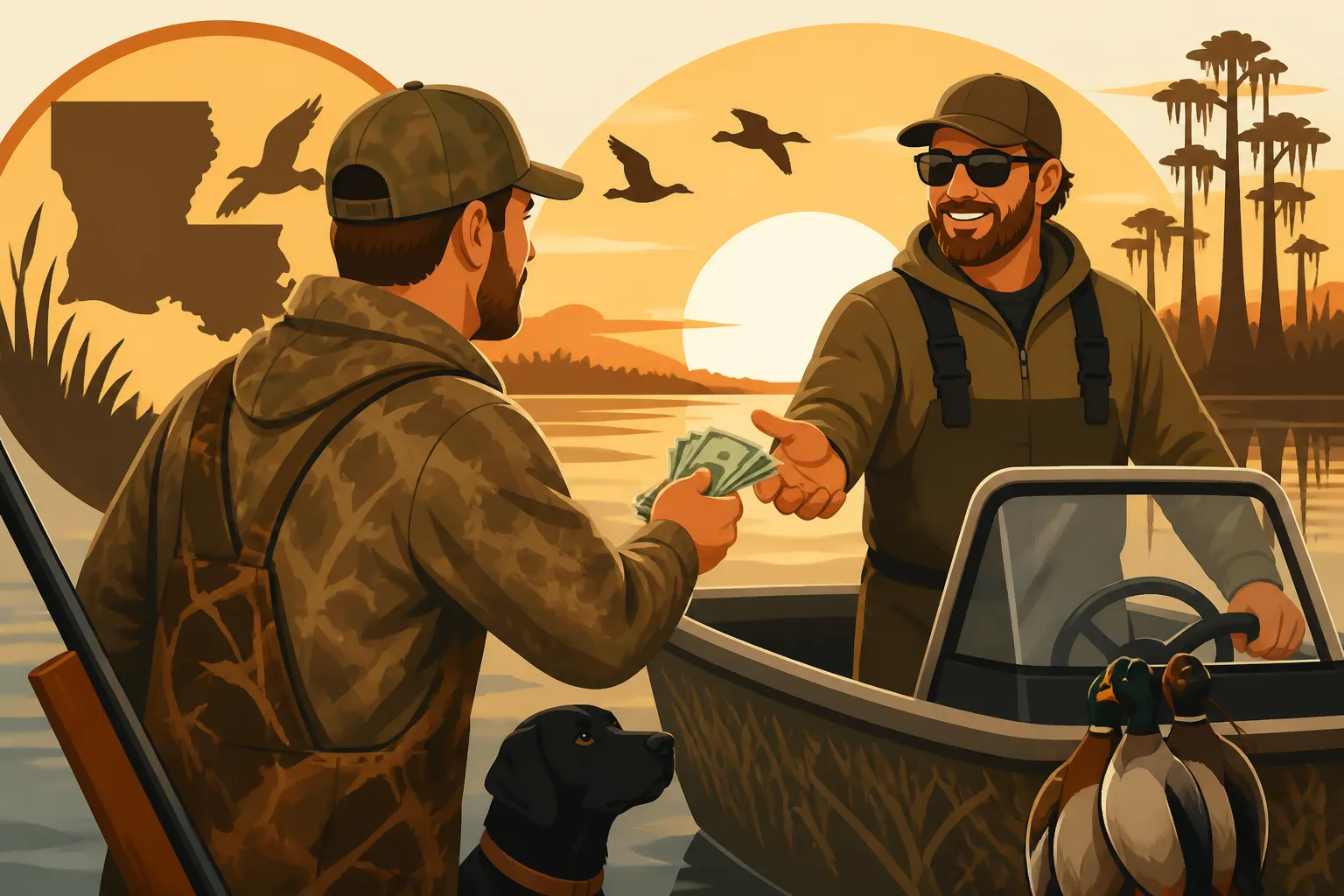
Cash is King: This is the universally preferred method for tipping guides. It’s immediate, discreet, and ensures the guide receives the full amount without any fees or delays. Having crisp bills in various denominations ready before the end of your trip is always a good idea. Many hunters will place the cash in an envelope or fold it neatly and hand it directly to the guide.
Digital Payments: Some guides, especially those running smaller operations or working independently, might accept digital payments like Venmo, PayPal, or even Zelle. If you prefer this method, it's courteous to ask the guide beforehand if they accept digital tips and what their preferred platform is. However, always be mindful of potential transaction fees that might reduce the amount the guide receives. Never assume a guide takes digital payments; always ask first.
Other Methods: Less common, but sometimes appreciated, are gift cards to outdoor retailers or other useful items. However, these should only be considered in addition to a cash tip, not as a replacement, unless you have a very close relationship with the guide and know exactly what they need or want. Avoid offering equipment that might not be useful to them.
Tipping Individuals vs. a Group Pot
If you're hunting with a single guide for the duration of your trip, hand the tip directly to them. This makes it clear who the gratuity is for.
For larger operations, particularly Louisiana Lodge and Package Hunts where multiple guides, boat captains, or even lodge staff might be involved, you might encounter a few scenarios:
- Individual Guides: You might have a primary guide, but other staff (like a bird dog handler or second boat captain) also contributed. It's often best to tip each individual directly if you know their specific role and contribution.
- Group Pot: Some outfitters have a system where you give a lump sum to the head guide or lodge manager, who then distributes it among the staff. If this is the case, they will usually explain this policy at the beginning or end of your trip. Don't be afraid to ask about their preferred method if it's not clear.
- Hybrid Approach: Sometimes you might tip your main guide directly, and then leave a separate tip for lodge staff or other support personnel in a communal jar or designated envelope.
When in doubt, a direct conversation with the head guide or outfitter can clarify the best approach for that specific operation.
Timing Your Gratuity
The best time to offer your tip is typically at the very end of the hunt, just before you depart. This allows the guide to deliver the full experience, and it gives you time to assess their performance.
- After the final hunt: Once your last day in the field is done, and gear is packed, find a private moment to thank your guide and hand them the tip.
- Before departure from the lodge: If staying at a lodge, you might settle up your tip at the front desk (if they have a communal system) or privately with the lead guide before you leave.
- During goodbyes: It's natural to offer it as part of your final handshake and thank you. Make eye contact and express your sincere appreciation for their hard work.
Avoid tipping at the beginning of the hunt, as it can feel like a bribe rather than earned recognition. Also, don't wait until you're long gone to send it, as the immediacy of the gesture often enhances its impact.
Beyond the Cash: Other Ways to Show Appreciation
While a monetary tip is the primary way to show gratitude, there are other valuable actions you can take that can significantly benefit your guide or outfitter, especially in the long run. These gestures reinforce your appreciation and help build their business.
Positive Reviews and Referrals
In today's digital world, online reviews are incredibly powerful. A glowing review on Google, Facebook, Yelp, or dedicated hunting platforms like BookYourHunt or GoHunt can be just as valuable as cash to an outfitter. Detail what you appreciated about your guide, the quality of the hunting experience, the lodge, and any specific moments that stood out.
Think about how you chose your guide – likely through recommendations or online research. Your positive review can be the deciding factor for another hunter. Similarly, direct referrals to your friends, family, and hunting network are gold. Word-of-mouth is a cornerstone of the guiding business, and a personal endorsement from a satisfied client carries immense weight. Don't underestimate the power of telling others about the fantastic hunt you had.
Sharing Game and Experiences
If you've had an exceptionally successful hunt, offering to share some of your harvested game with your guide is a thoughtful gesture. Perhaps a portion of the venison, or a couple of plucked ducks, if legal and appropriate. This isn't expected, but it can be a genuine sign of camaraderie and appreciation for their role in your success. It reinforces the shared experience and can deepen the bond between hunter and guide.
Beyond the meat, sharing photos and videos from your trip can be a great way to show gratitude. Guides often love to see the professional photos you took or the video footage of a successful stalk or retrieve. Ask if they’d like copies – these images can be used for their marketing materials (with your permission, of course) and serve as cherished memories for them as well.
Returning for Future Hunts
Perhaps the highest compliment you can pay a guide is to become a repeat client. Booking another trip with the same guide or outfitter demonstrates immense trust and satisfaction. It's a clear signal that you value their service and look forward to hunting with them again. This helps them build a sustainable business and fosters a long-term relationship.
If you had a great experience, let them know you'll be back. Keep in touch during the off-season, perhaps an email or text wishing them well or asking about conditions for the next year. Building this rapport can lead to even better experiences in the future, as the guide gets to know your preferences and skills. It also shows that you're invested in more than just a one-time transaction; you're building a hunting relationship.
Navigating Tipping as a Nonresident or First-Timer
For those new to guided hunts or visiting Louisiana from out of state, the tipping etiquette can feel even more opaque. Don't let uncertainty prevent you from adequately appreciating your guide. A little proactive research and communication can go a long way.
Asking Questions Before Your Hunt
One of the best ways to avoid awkwardness is to simply ask. When you're making initial inquiries or Questions to Ask Before Booking a Louisiana Hunt, don't hesitate to ask the outfitter or guide about their tipping policy or expectations. A reputable outfitter will be transparent and can provide guidance on what's customary for their specific operation and hunt type.
You might ask questions like:
- "What is the customary tip for your guides?"
- "Do you prefer tips to be given directly to the guide, or to a central pot?"
- "Are there any specific services that would warrant a different tipping approach?"
Getting this information upfront allows you to budget accordingly and prepare your cash tip without last-minute scrambling. It shows you're prepared and respectful of their business practices. This is also a good time to clarify What a Louisiana Deer Hunt Package Includes beyond just the hunting itself, so you understand the full scope of services provided.
Researching Outfitter Policies
Before you even call, do some homework. Many established outfitters will have information about tipping on their website or in their booking confirmation materials. Look for FAQ sections or "What to Expect" pages. This can give you a baseline understanding before you make direct contact.
Additionally, reading reviews on various platforms can offer insights. Sometimes, past clients will mention their tipping experience, which can give you a sense of what others have done. When Vetting a Louisiana Outfitter Before You Book, look for consistent themes in positive reviews regarding guide professionalism and client satisfaction – these are often indicators of guides who deserve good tips. Be wary of any outfitter that claims tips are included in the price without clear documentation, as this is highly uncommon in the guiding industry.
Using Platforms Like BookYourHunt and GoHunt for Transparency
Hunting booking platforms like BookYourHunt and GoHunt can be invaluable resources for first-time or nonresident hunters. These sites often feature detailed listings for outfitters, including information about what's included in hunt packages, additional costs, and sometimes even specific recommendations regarding tipping.
Many listings on these platforms are designed to be comprehensive, helping you understand the full financial commitment, including the expectation of gratuity. They often consolidate reviews, which can provide client-to-client advice on tipping. Leveraging these resources can help you feel more confident and prepared, ensuring you have the right amount of cash ready and understand the local customs for showing your appreciation to your hard-working Louisiana guide or boat captain. Booking a Louisiana Hunt as a Nonresident means navigating different state rules, and these platforms can help clarify the financial side, including expected tips.
Disclaimer
This article is for general informational purposes only and does not constitute professional advice. Laws, prices and regulations vary by location and change over time. Consult a qualified professional for guidance on your specific situation.